
San Miguel de Allende: Why Everyone Who Goes Falls Completely in Love
A colonial city that stopped in time. A creative energy that never did.
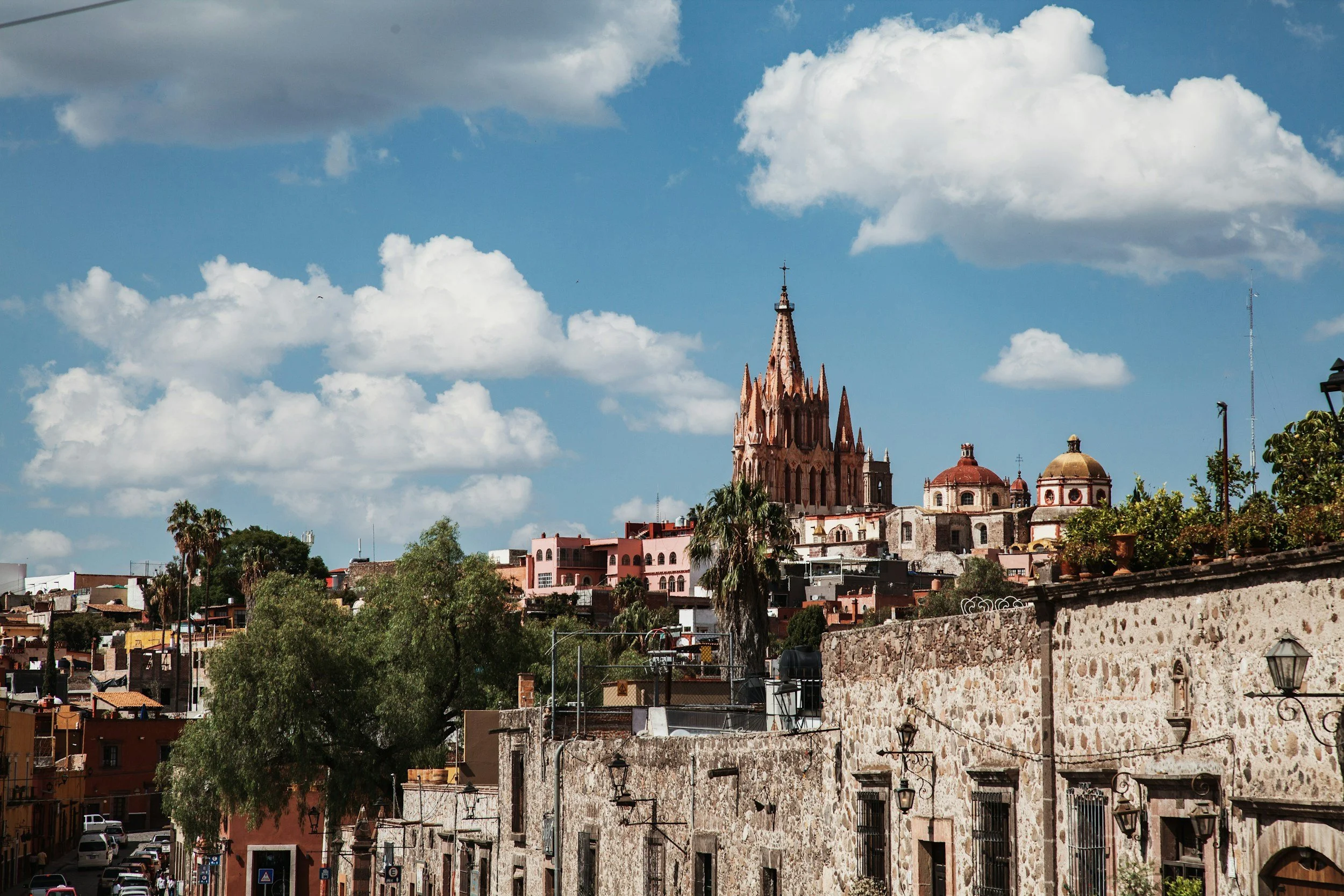
There are cities that you visit and cities that you fall for. San Miguel de Allende is emphatically the second kind. It is one of those places that people arrive at for three days and leave talking about moving to, that appears repeatedly in conversations about the most beautiful cities in the Americas, that manages the remarkable trick of being simultaneously one of Mexico's most visited destinations and one of its most genuinely intimate. Something about San Miguel gets under the skin in a way that is difficult to explain to someone who has not been there, and almost unnecessary to explain to someone who has.
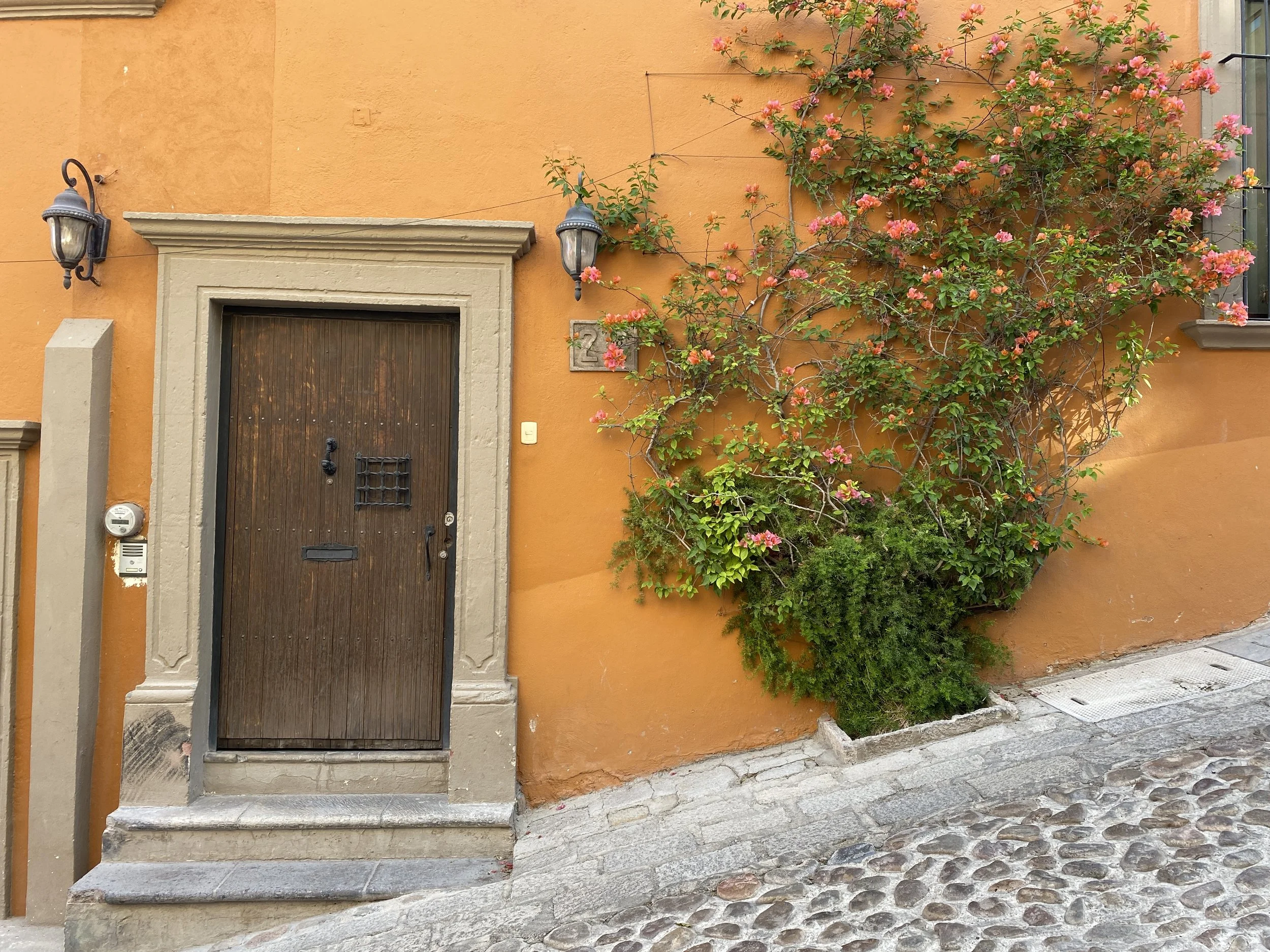
The city sits at 1,900 metres in the highlands of the Bajío region, four hours northwest of Mexico City, and its historic centre is a UNESCO World Heritage Site that has been preserved with a care and a consistency that is rare in Mexico or anywhere else. The cobblestone streets, the pink stone facades, the flower-draped balconies and the extraordinary skyline dominated by the neo-Gothic towers of La Parroquia de San Miguel Arcángel: all of it is intact, all of it is alive, and all of it rewards the traveller who arrives on foot with no particular agenda and simply walks.
The city that reinvented itself without losing itself
San Miguel de Allende has a history that explains its present. Founded in the sixteenth century as a Spanish colonial outpost, it became one of the wealthiest cities in New Spain on the back of silver mining and textile production. It was the birthplace of Ignacio Allende, one of the heroes of Mexican independence, and the city carries that history in its monuments, its churches and the particular pride of its residents.
In the twentieth century San Miguel began attracting artists, first Mexican painters drawn by the extraordinary quality of the light, then American and European expatriates who arrived after the Second World War and never left. The Instituto Allende, founded in 1950, drew students from across the United States and established the city's reputation as a place where serious art was made and seriously discussed. The expatriate community that grew around it built galleries, restored colonial mansions, opened restaurants and boutiques and, crucially, fought hard to preserve the architectural character of the city they had chosen to inhabit.
The result is something genuinely unusual: a Mexican colonial city that has been actively protected by the people who moved to it, that has been kept alive rather than museumified, and that has developed a cultural life of extraordinary richness without losing the warmth and character of the Bajío culture that surrounds it. The expats and the locals have been living alongside each other for long enough that the relationship has produced something that feels neither purely Mexican nor purely international but entirely its own.
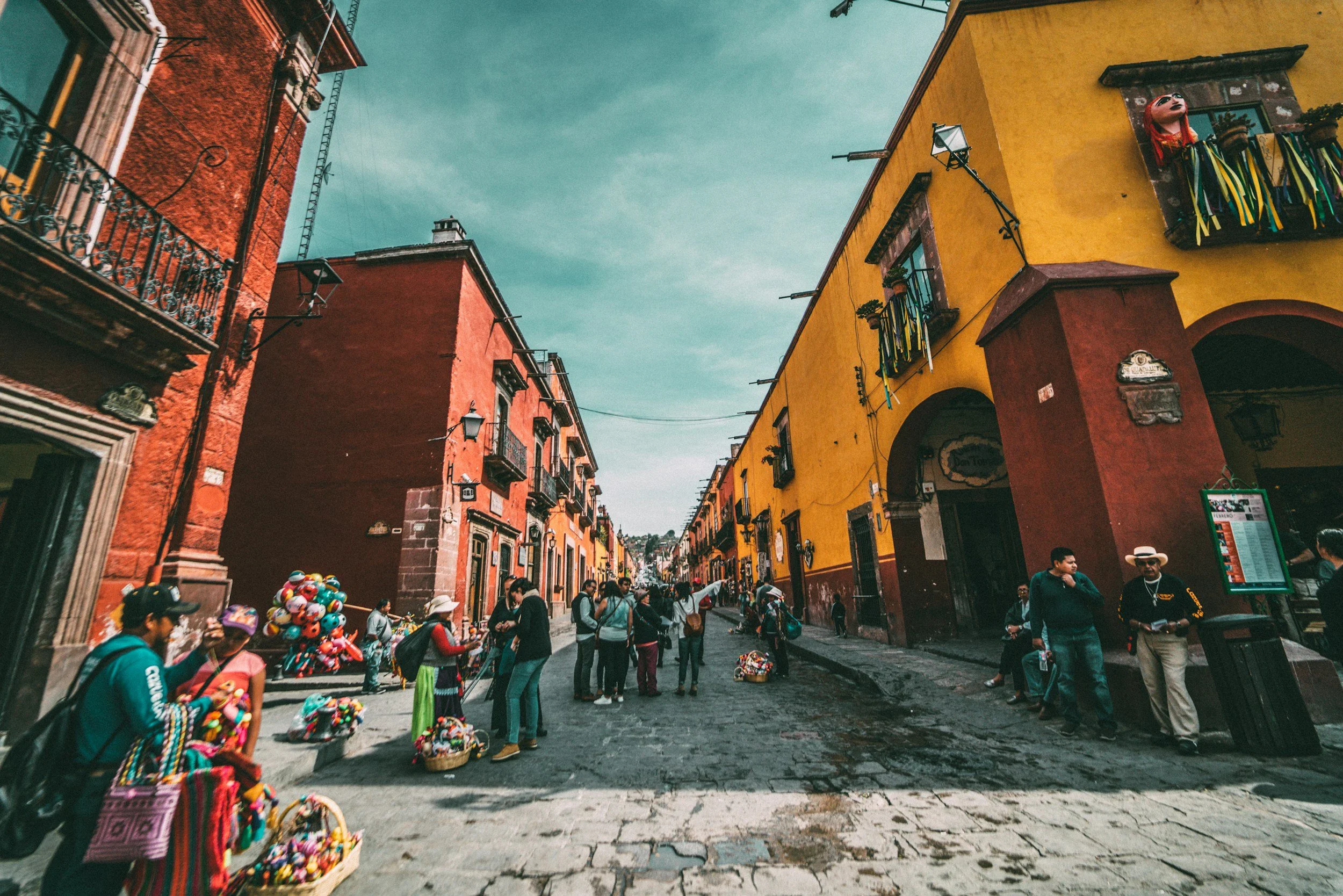
Walking the city
San Miguel is a city built for walking and walking is the right way to understand it. The historic centre is compact enough to cross in twenty minutes but rich enough to occupy an entire day without repetition. Every street reveals something worth stopping for: a colonial doorway opening onto a courtyard of extraordinary beauty, a gallery exhibiting work of genuine quality, a market stall selling hand-embroidered textiles from the surrounding villages, a café occupying a sixteenth-century building where the coffee is excellent and the light through the courtyard windows is exactly right.
La Parroquia de San Miguel Arcángel, the parish church whose pink Gothic towers define every view of the city, is the natural starting point for any first morning. Built in its current form in the late nineteenth century by a self-taught indigenous stonemason named Zeferino Gutiérrez who reportedly drew his inspiration from postcards of European cathedrals, it is one of the most striking and most unusual religious buildings in Mexico. The square in front of it, the Jardín Principal, is where San Miguel's social life plays out in the evenings, with locals and visitors sharing the same benches, the same ice cream and the same light.
The neighbourhood of Guadalupe, just uphill from the centre, is where some of the finest boutique hotels and restaurants in the city are concentrated, in restored colonial mansions where the architecture is part of the experience rather than simply a backdrop to it. The Mercado de Artesanías and the Mercado Ignacio Ramírez offer two completely different versions of local commerce, the first oriented toward the crafts and textiles of the region, the second a genuinely local food market where the stalls serve the kind of Bajío cooking that sustains the city from the inside.

The art galleries
San Miguel has more art galleries per capita than almost any city in Mexico and the quality across them is consistently high. This is not souvenir art. It is the work of serious painters, sculptors and printmakers who have been drawn to the city over decades by the light, by the community of fellow artists and by the particular quality of creative life that San Miguel has managed to sustain.
The galleries are concentrated along the streets radiating from the Jardín Principal, and an afternoon walking between them, following what catches your eye rather than a prescribed route, is one of the most pleasurable things the city offers. The work moves between contemporary Mexican painting, folk art traditions that the local artisan communities have kept alive, and the international influences that the expatriate community brought with it and that have been absorbed into something distinctly San Miguel over the decades.
A private visit with a local art adviser who knows the galleries, knows the artists and can introduce you to studios that are not open to casual visitors changes the experience from browsing into something that feels like genuine access to a creative community.
The wine region and day trips
San Miguel sits at the edge of one of Mexico's most interesting emerging wine regions and the Bajío highlands produce wines of real character and growing international recognition. A day trip into the surrounding valley, visiting two or three boutique producers and tasting with the winemakers rather than at a public counter, is one of the most pleasurable days available from the city.
The wineries here are mostly small, family-run operations that have been planting and experimenting for a generation, working with varieties including Tempranillo, Malbec and Viognier that have adapted well to the altitude and the mineral soils of the region. The combination of wine, extraordinary landscape and the drive through the Bajío countryside between tasting stops makes for an afternoon that feels entirely different from the city and entirely complementary to it.
The artisan villages within an hour of San Miguel are equally worth a day. Dolores Hidalgo, the town where Mexican independence was declared, produces some of the finest talavera pottery in the country. The market at Atotonilco, a village built around one of the most extraordinary baroque churches in Mexico, sells handwoven textiles and local food that are inseparable from the daily life of the region. These are not tourist experiences. They are simply the life of the Bajío, seen from the outside with a guide who can explain what you are looking at.
Where to eat and stay
San Miguel's restaurant scene is one of the finest in Mexico outside of Mexico City and Oaxaca, and it punches well above its size. The combination of a sophisticated international resident community, excellent local ingredients from the Bajío highlands and a generation of chefs who have brought serious technique to regional cooking has produced a city where eating well is both easy and deeply pleasurable.
The accommodation in San Miguel is among the best in Mexico. The colonial mansion boutique hotel format, where a historic building has been restored and converted into a property of twelve or twenty rooms with a courtyard, a rooftop terrace and a level of personal service that larger hotels cannot replicate, reaches its finest expression here. Waking up to the sound of the bells of La Parroquia, taking breakfast in a courtyard of bougainvillea and stone, watching the city light change across the terracotta rooftops from a rooftop terrace at the end of the afternoon: these are the specific pleasures of staying in San Miguel properly rather than passing through it.
Why San Miguel rewards the private traveler
San Miguel de Allende is the kind of city where the difference between a good experience and an extraordinary one is almost entirely about access and knowledge. The gallery where the most interesting work is being made this season. The winemaker in the valley who is producing something genuinely exciting. The chef who sources everything from the surrounding villages and changes the menu according to what arrived that morning. The festival or cultural event that happens to be taking place during your visit that a private guide already knows about. None of these things are difficult to find. They simply require someone who has been paying attention to San Miguel for long enough to know where to look.
Ready to plan your JOURNEY TO SAN MIGUEL DE ALLENDe?
Explore our Mexico destination page for more on regions, experiences and the best time to visit. When you are ready, get in touch and we will begin designing your journey around you.