
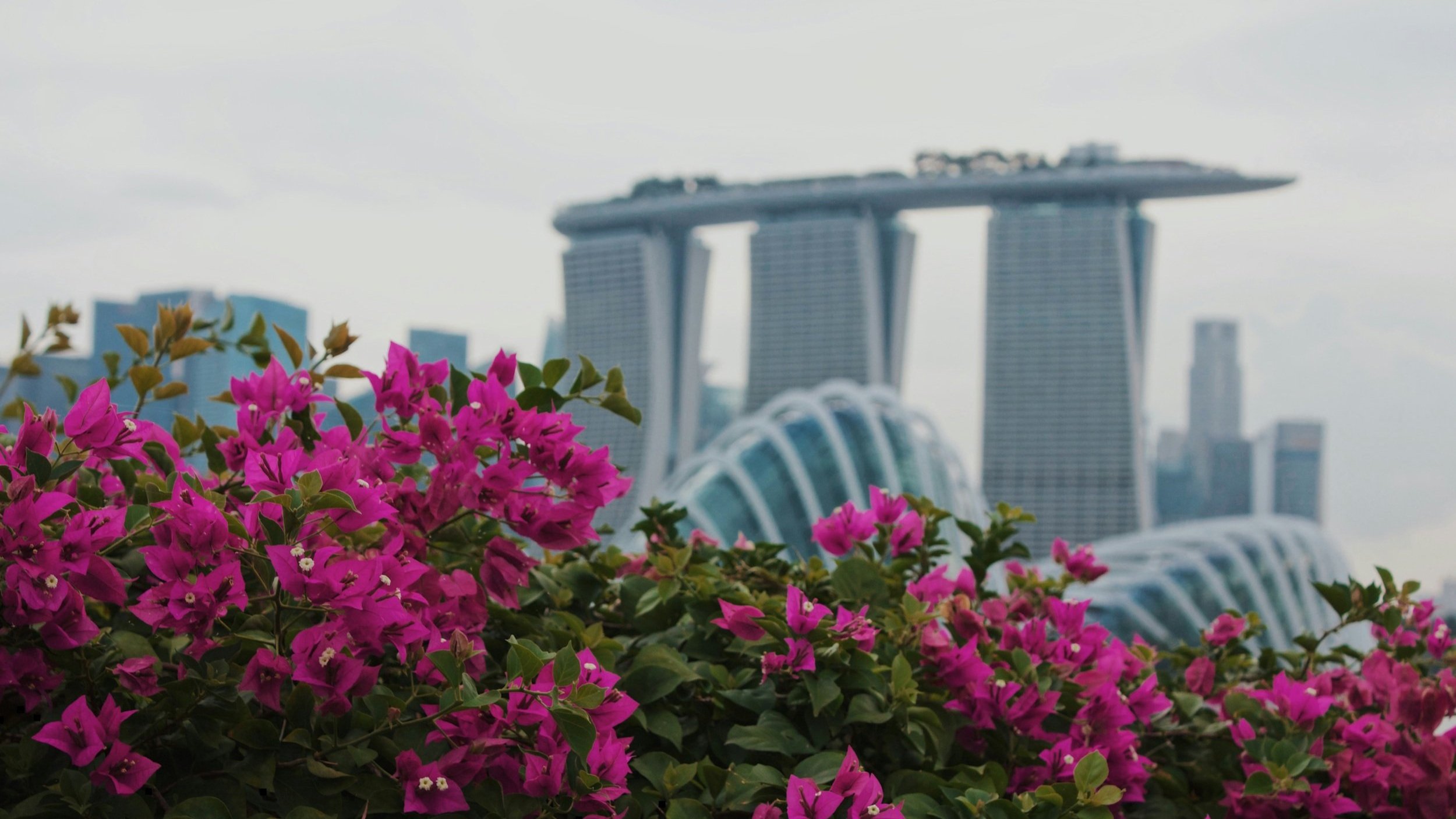
Luxury Private Tours in SINGAPORE
The gateway to Asia. A city state of extraordinary ambition. Four cultures in one square kilometre.
Our tailor-made Singapore experiences combine expert local guides and curated encounters, from the hawker centres of Chinatown and the extraordinary Peranakan heritage of the Straits Chinese to the futuristic landscapes of Gardens by the Bay, the world's most celebrated airport and the particular energy of a city that has reinvented itself more completely than any other in Asia.
WHY VISIT SINGAPORE?
Singapore is the most efficient city in Asia and the most consistently underestimated as a travel destination. Most international visitors treat it as a transit point, a night or two between long-haul flights, and leave having experienced only the surface of a city state of extraordinary cultural complexity, gastronomic ambition and urban design achievement. The traveller who gives Singapore three or four days with a guide who knows it properly finds something entirely different: a place where four distinct cultural traditions, Chinese, Malay, Indian and Peranakan, have been living alongside each other for two centuries and have produced a hybrid culture of food, architecture and daily life that exists nowhere else on earth.
Singapore rewards curiosity in direct proportion to the effort invested. The hawker centre where the same family has been making Hainanese chicken rice for three generations. The Peranakan shophouse on Emerald Hill whose interior tells the story of a culture born from the marriage of Chinese merchants and Malay culture four centuries ago. The rooftop bar that occupies a colonial building above the Singapore River where Raffles landed in 1819 and changed the history of Southeast Asia in an afternoon. None of these experiences require more than a short walk from the nearest luxury hotel. All of them require knowing where to look.
Singapore pairs naturally with Indonesia as a gateway for a broader Southeast Asia journey, or with Malaysia for those wanting to explore the Malay world in greater depth.
Explore our full Asia hub for more inspiring destinations.

Best Time to Visit SINGAPORE
Singapore sits one degree north of the equator and its climate is consistent year-round, warm and humid with afternoon showers possible in any month. There is no bad time to visit and no single optimal season in the way that destinations further from the equator experience. The practical considerations are therefore cultural rather than meteorological.
January to March is the driest period of the year and the most comfortable for walking and outdoor exploration. Chinese New Year, typically falling in January or February, transforms the city with extraordinary energy, particularly in Chinatown where the decorations, the street performances and the specific food of the festival period make it one of the finest times to experience the Chinese cultural dimension of the city.
April to August is warm and relatively dry and the best window for the outdoor attractions including Gardens by the Bay. The Formula One night race in September brings the city to an extraordinary pitch of energy and is worth timing a visit around for those drawn by the spectacle of a street circuit race through the colonial heart of the city.
September to December brings slightly more rainfall but the city is entirely functional in the rain and the Christmas and New Year season gives Singapore a particular festive energy that the tropical setting makes entirely its own.
Signature Experiences in SINGAPORE
Singapore rewards those who go beyond the obvious attractions and allow a guide who knows the city's specific cultural layers to design something genuinely illuminating. From a hawker food tour through the living culinary tradition of Chinatown and a private introduction to the extraordinary Peranakan culture to the extraordinary futuristic landscape of Gardens by the Bay and the world's most celebrated airport, these are the experiences that reveal what Singapore actually is.
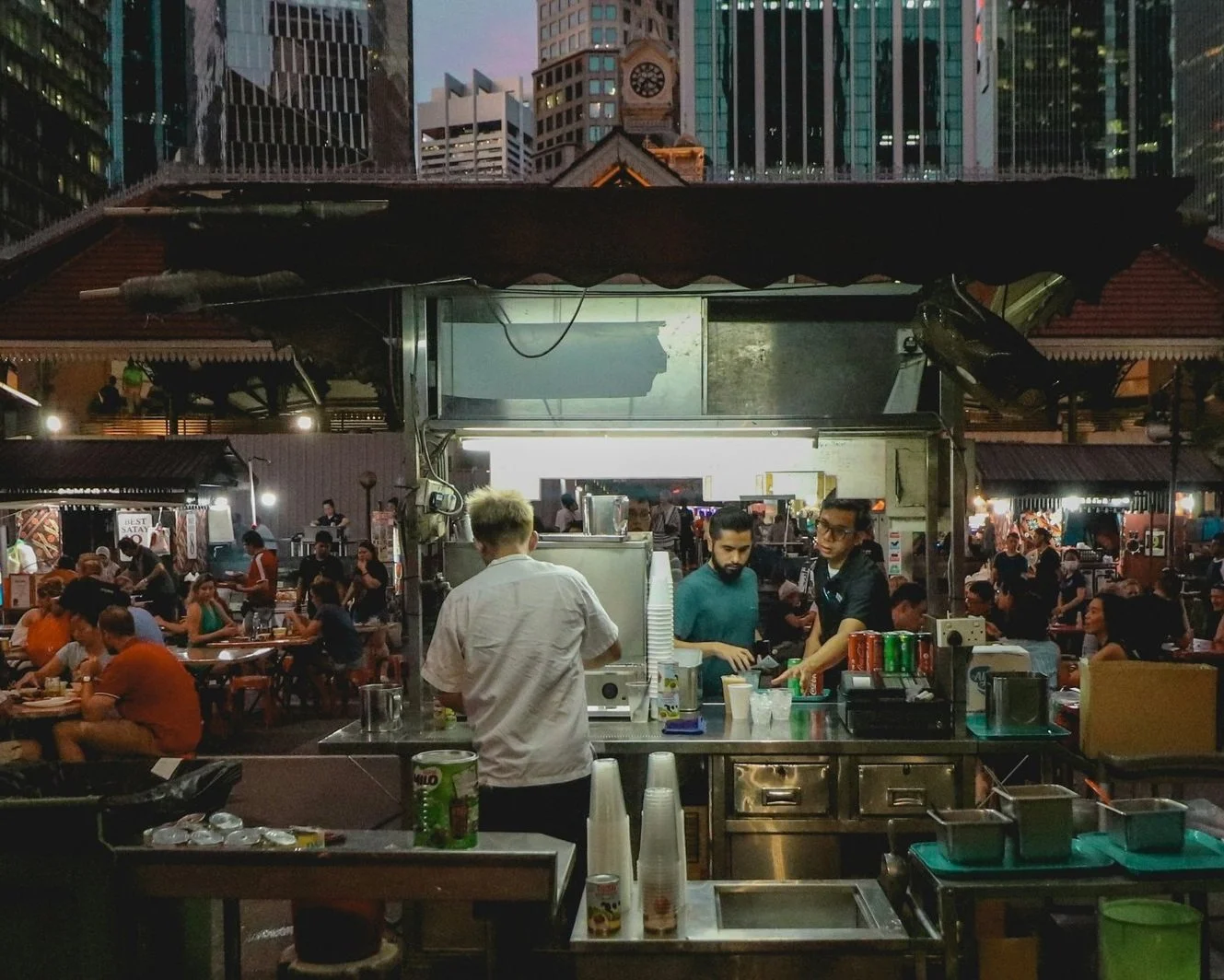
HAWKER FOOD TOUR IN CHINATOWN
Singapore's hawker centres are UNESCO-recognised as an Intangible Cultural Heritage of Humanity and the finest introduction to the city's food culture available anywhere. A private hawker tour through Chinatown, moving between the stalls of the Maxwell Food Centre and the streets of the surrounding neighbourhood with a guide who knows which vendor makes the finest char kway teow and which chicken rice has been prepared using the same technique for forty years, reveals a food culture of extraordinary depth and complexity that no restaurant menu can replicate. The hawker centre is where Singapore actually eats and where the specific hybrid of Chinese, Malay and Indian culinary traditions that defines the city's food identity is most honestly expressed.

PERANAKAN CULTURE: THE STRAITS CHINESE
The Peranakan culture, born from the marriage of Chinese merchants and Malay women in the Straits Settlements of the fifteenth and sixteenth centuries, is one of the most distinctive and most beautiful hybrid cultures in Southeast Asia. The Peranakan shophouses of Emerald Hill and Katong, with their extraordinary facades of pastel plasterwork and intricate tilework, the museums dedicated to the Nyonya cuisine and the extraordinary beaded slippers and embroidered kebaya costumes of the culture, and the private homes where this tradition is still lived rather than exhibited, reveal a Singapore that most visitors never find. A private Peranakan experience with a guide from within the community transforms a cultural tour into something genuinely intimate.
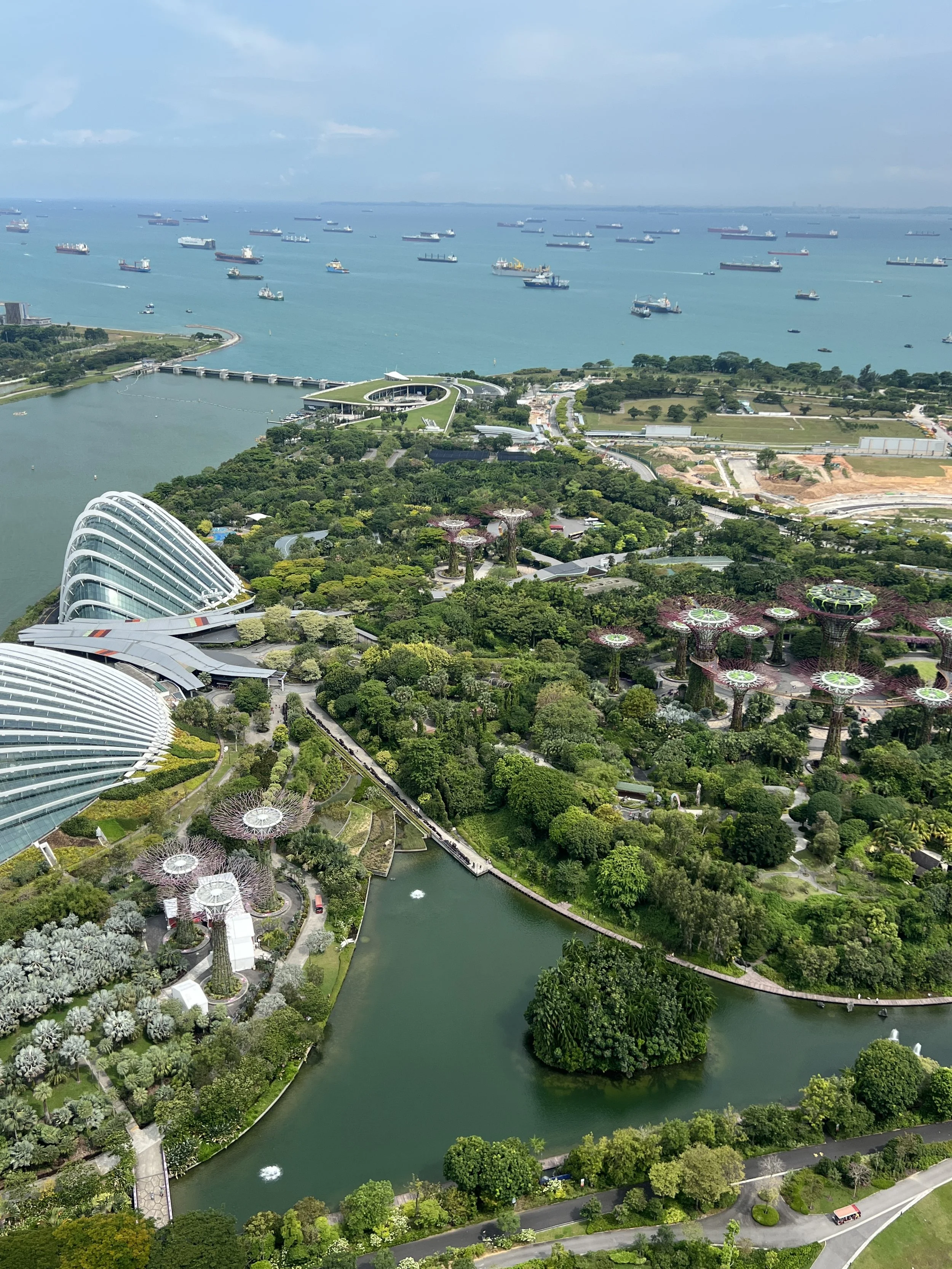
GARDENS BY THE BAY
The Gardens by the Bay, the extraordinary botanical garden on reclaimed land in Marina Bay where eighteen supertrees rise between fifty and sixteen metres and are covered in living plants that come alive with light and sound after dark, is one of the most ambitious pieces of urban landscape design in the world and one of the finest expressions of Singapore's particular ambition to be simultaneously the most efficient and the most beautiful city in Asia. A private guided experience that explains the ecological engineering behind the conservatories and the specific plant collections within them gives the gardens a depth that the standard visit cannot provide.

CHANGI AIRPORT: THE WORLD'S MOST EXTRAORDINARY AIRPORT
Changi Airport has been voted the world's finest airport so consistently that the accolade has become almost unremarkable, but the opening of Jewel Changi, the extraordinary indoor garden complex with its forty-metre indoor waterfall, its canopy forest and its extraordinary collection of retail and dining experiences built around a single breathtaking atrium, has made it something that deserves a visit in its own right rather than simply as a transit experience. A private tour of Changi that moves beyond the departure hall into the specific design philosophy and the extraordinary logistics of an airport that handles sixty-five million passengers annually while maintaining the standard of a luxury hotel is one of the most genuinely surprising experiences Singapore offers.
Frequently Asked Questions About Traveling to SINGAPORE
-
Two to three days is the right amount of time for a first Singapore experience that covers the hawker food culture, the Peranakan heritage, the colonial history and Gardens by the Bay properly. Those wanting to add day trips to the southern islands, the botanic gardens and the specific neighbourhoods of Little India and Arab Street should plan for three to four days. Singapore is compact and entirely navigable but dense enough in its cultural offerings to reward more time than most transit visitors give it.
-
Singapore's food culture is one of the finest and most varied in Asia, a hybrid of Chinese, Malay, Indian and Peranakan traditions that has been developing in the specific conditions of this city for two centuries. The hawker centre is the essential food institution and the right place to eat for every meal. Hainanese chicken rice, laksa, char kway teow, roti prata, bak kut teh and the extraordinary Peranakan dishes of Nyonya cooking are all essential. Singapore also has more Michelin-starred restaurants per capita than almost any city in the world for those wanting a different kind of meal.
-
Singapore is one of the most expensive cities in Asia for accommodation and dining at the luxury level, but the hawker centres and neighbourhood food culture are genuinely affordable and represent the finest eating in the city regardless of budget. We recommend a mix of both, using the luxury hotel as a base and the hawker centre as the primary dining experience, which gives Singapore a character that the purely hotel-based visit cannot replicate.
-
US and UK passport holders do not require a visa for stays of up to 90 days in Singapore. We always confirm the latest entry requirements for your specific passport before travel.
-
Singapore is the natural gateway for a broader Southeast Asia journey and pairs particularly well with Indonesia, specifically Bali and the outer islands, for those wanting to combine the intensity of the city with the extraordinary natural and cultural landscapes of the archipelago. It also combines well with Malaysia, Vietnam, Cambodia and Thailand for those designing a comprehensive regional circuit. We design all multi-country itineraries as fully private and tailor-made.
-
Singapore is consistently ranked among the safest cities in the world and requires no special precautions beyond the basic awareness appropriate to any major city. The public transport system is excellent and the city is easily navigable independently, though a private guide adds a depth of cultural understanding and access to specific experiences that the independent visitor cannot replicate.
-
The Peranakan or Straits Chinese culture is the extraordinary hybrid tradition born from the intermarriage of Chinese merchants and Malay women in the Straits Settlements from the fifteenth century onward. It produced a distinctive cuisine called Nyonya cooking, an extraordinary tradition of beadwork, embroidery and costume, a unique architectural style visible in the shophouses of Emerald Hill and Katong, and a cultural identity that is neither Chinese nor Malay but entirely its own. It is one of the most beautiful and most distinctive cultures in Southeast Asia and one of the finest things Singapore has to offer the curious visitor.
-
Singapore is one of the most navigable cities in the world and entirely accessible without a guide. What a private experience adds is the access to the specific cultural layers that require local knowledge and genuine relationships to reach. The Peranakan family who opens their home rather than just their museum. The hawker vendor whose family has been making the same dish for three generations and who, through a guide who speaks the right dialect, becomes one of the most memorable people you encounter on the entire journey. Singapore's greatest depth is available to those who arrive with the right person beside them.
Plan Your SINGAPORE Journey
Singapore rewards those who give it more time than the standard transit stop and approach it with genuine curiosity about the extraordinary cultural collision it represents. Tell us what draws you and we will design a Singapore experience that reveals the city properly.