
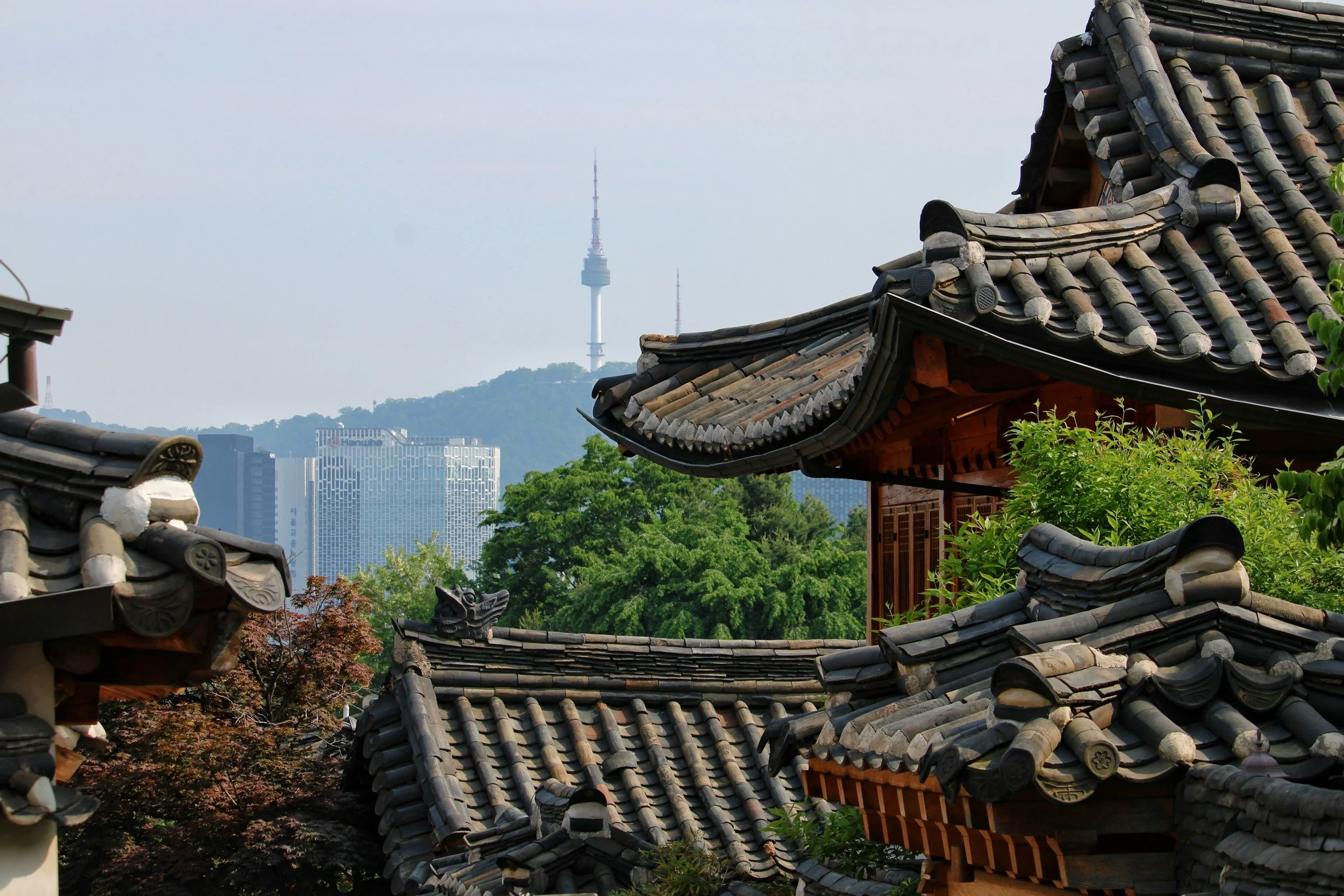
Luxury Private Tours in SOUTH KOREA
Ancient temples. Futuristic cities. A culture the world is only beginning to understand.
Our tailor-made private tours combine expert local guides, handpicked boutique stays and curated experiences, from Seoul's extraordinary neighbourhoods and food markets to the Joseon-era streets of Jeonju, the ancient royal capital of Gyeongju, the coastal energy of Busan and a traditional hanok stay deep in the Korean countryside.
WHY VISIT SOUTH KOREA?
South Korea is one of the most surprising destinations in the world for the traveller who arrives expecting one thing and finds something far more layered and compelling. It is a country that has rebuilt itself from almost complete devastation within living memory, producing one of the world's great food cultures, a global music and beauty industry and a contemporary art scene of genuine international standing, all while preserving the temples, palaces and philosophical depth of a civilisation thousands of years old.
What makes South Korea exceptional for the private traveler is the access that genuine local knowledge provides. Korean hospitality is among the warmest in the world. There is a reason that one of the first things a Korean asks after hello is whether you have eaten. It is not small talk. It reflects a culture shaped by collective memory and by a deep instinct to care for the people around them. To experience Korea through genuine local relationships, through restaurants that appear on no website and neighbourhoods that locals actually inhabit, is to understand a country that consistently exceeds every expectation.
Many travelers combine South Korea with Japan for a broader East Asia journey, or with China for those wanting to explore three of Asia's great civilisations on a single extended trip.
Explore our full Asia region hub for more inspiring destinations.
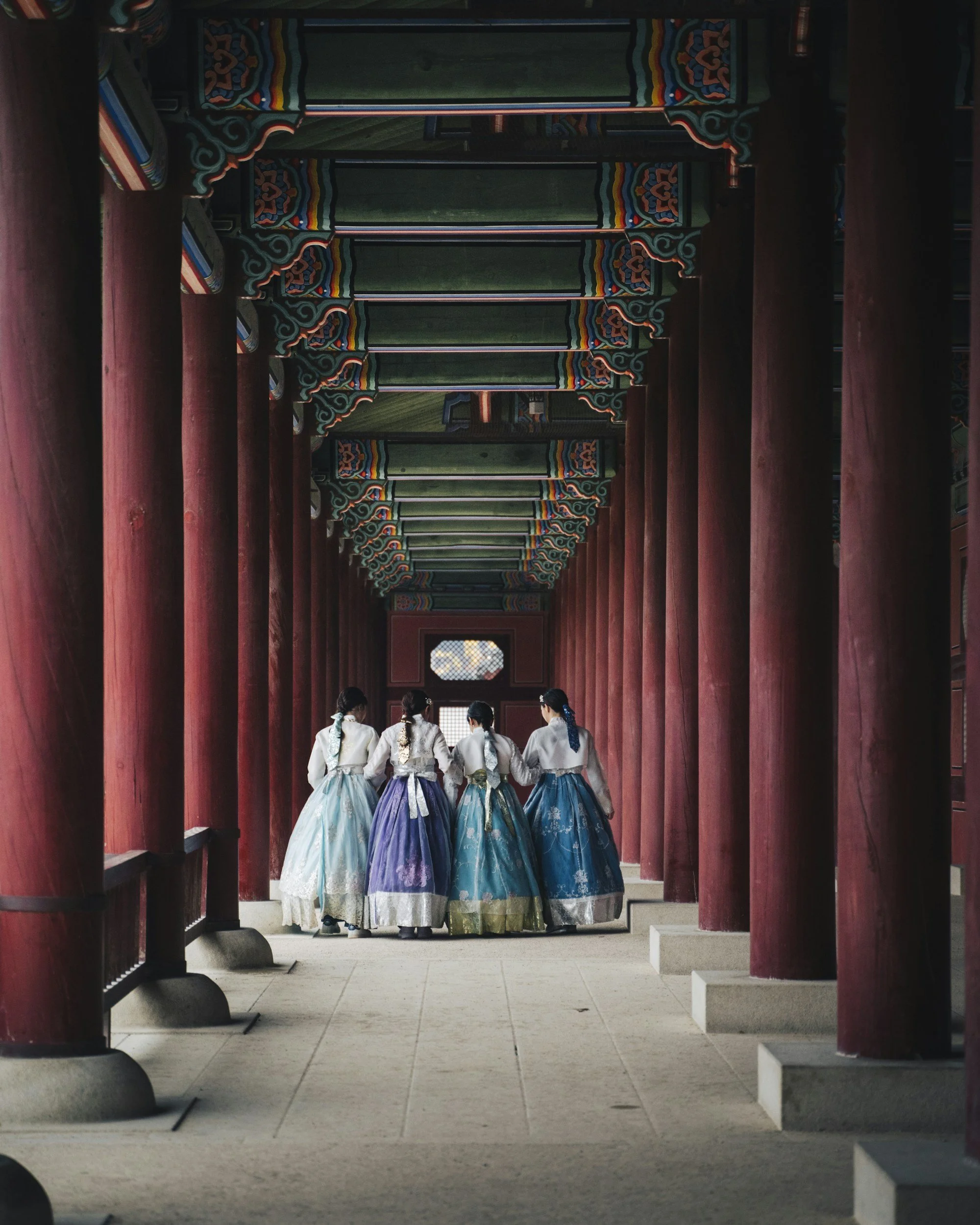
Best Time to Visit SOUTH KOREA
Spring (late March to early May) is South Korea's most celebrated season and the most popular window for international visitors. Cherry blossom season, which typically peaks in Seoul in early April and travels south toward Busan and Jeju slightly later, transforms the country with an intensity that rivals Japan. The Yeouido Cherry Blossom Festival in Seoul, the blossoms along the streams of Gyeongju and the extraordinary flowering landscapes of Jeju are all at their finest in this window. Spring is peak season and accommodation should be booked well in advance.
Autumn (October to November) is our most recommended season for a first Korea journey. The foliage season brings extraordinary colour to the mountain temples, the palaces of Seoul and the ancient sites of Gyeongju. Temperatures are mild and comfortable, the light is exceptional and the crowds are slightly more manageable than spring peak. A private autumn Korea journey combining Seoul, Gyeongju and Jeonju in this season is one of the finest itineraries available in East Asia.
Summer (June to August) is hot and humid, with a monsoon season typically running through late June and July. That said, summer has its own rewards: the beaches of Busan are at their most alive, Jeju is at its most lush, and the energy of Seoul in summer, with its rooftop bars, outdoor food markets and late-night street life, is genuinely extraordinary. Those who do not mind the heat will find a Korea that feels more local and more spontaneous than any other season.
Winter (December to February) is cold but atmospheric and increasingly popular with visitors drawn by the ski resorts of the Pyeongchang region, the extraordinary clarity of the winter light on Seoul's palaces and the deeply local feel of a city that moves indoors and becomes more intimate. The temple stays of winter, waking before dawn for meditation in a silent snow-covered mountain monastery, are among the most quietly extraordinary experiences Korea offers.
DISCOVER SOUTH KOREA’S REGIONS
From the extraordinary energy of Seoul and the coastal character of Busan to the ancient royal sites of Gyeongju, the food culture of Jeonju and the volcanic landscapes of Jeju Island, each region of South Korea offers a completely distinct private journey.
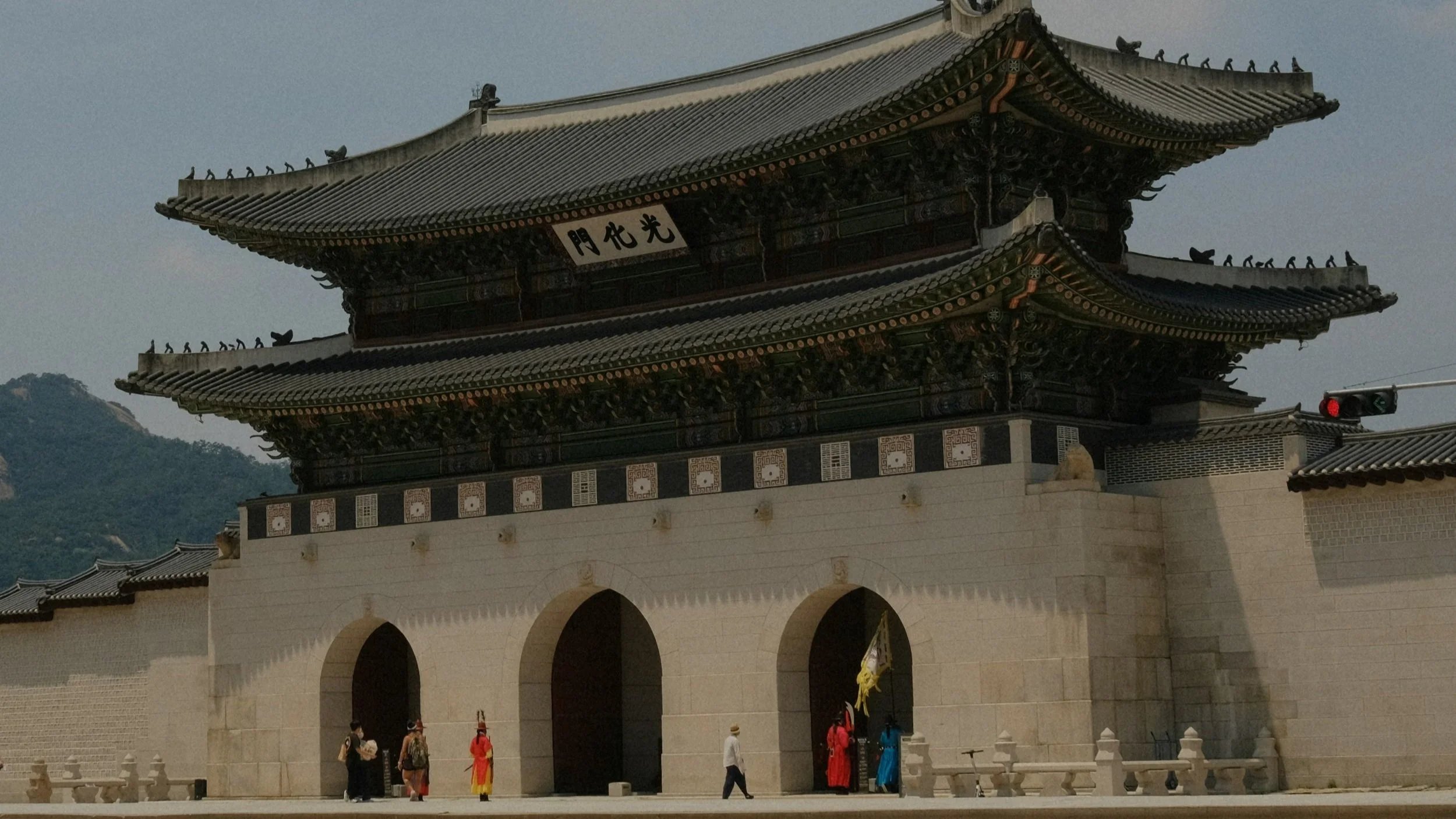
SEOUL: THE CITY THAT CHANGES HOW YOU THINK ABOUT ASIA
Seoul is one of those cities that gets under the skin in a way that is difficult to explain to someone who has not been there. It is a metropolis of ten million people that combines the technological sophistication of Tokyo, the food culture of a city that has been eating seriously for centuries, a contemporary art and design scene that is genuinely world-class, and a warmth and human energy that makes it one of the most immediately welcoming cities in Asia. A private Seoul experience moves through its extraordinary neighbourhoods, from the ancient palaces and hanok lanes of Bukchon to the design studios and concept stores of Seongsu-dong, the street food markets of Gwangjang and the contemporary galleries of Itaewon, with a guide who knows the difference between the Seoul that visitors see and the Seoul that Seoulites actually inhabit.
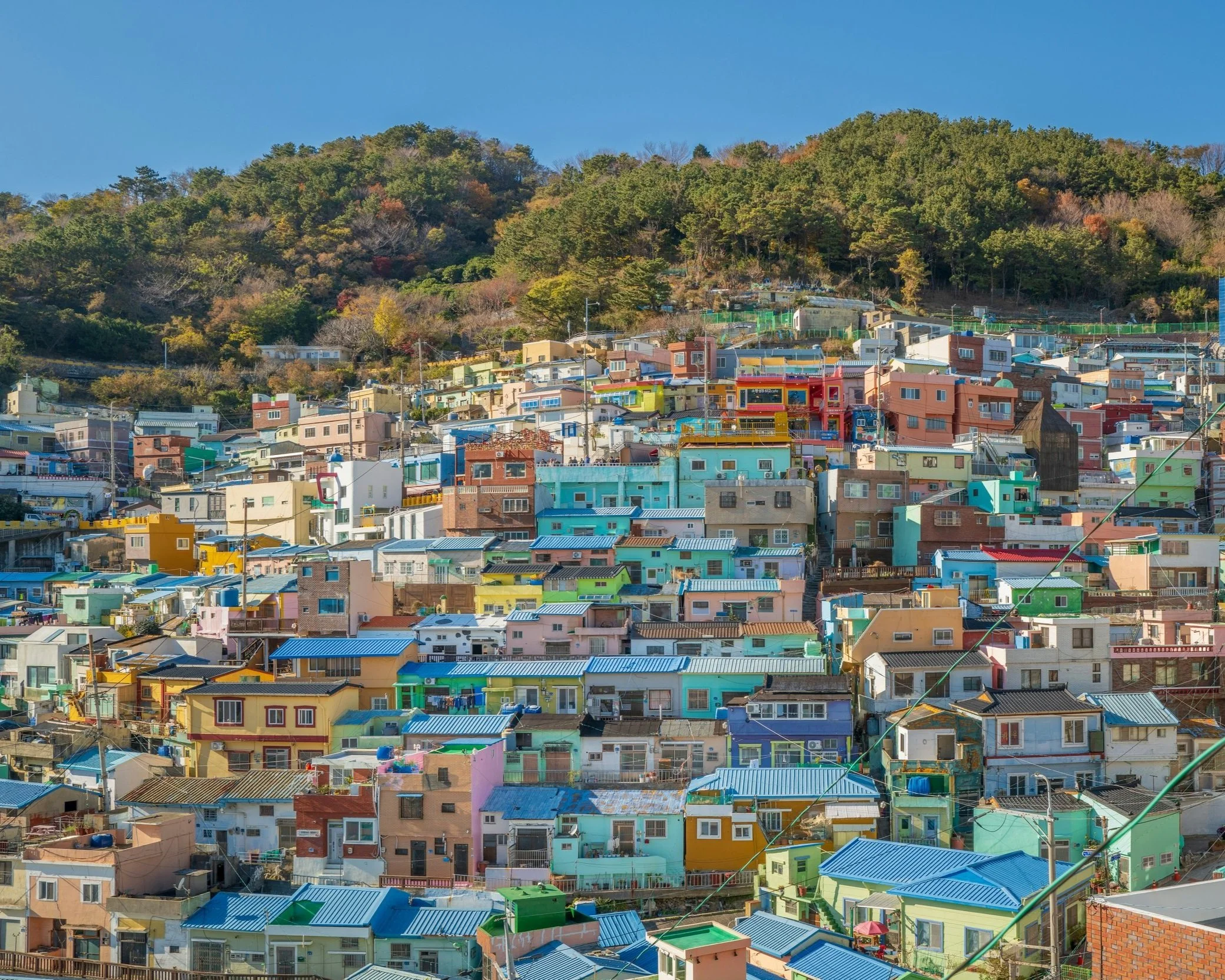
BUSAN: COAST, CULTURE AND THE BEST SEAFOOD IN KOREA
Busan is South Korea's second city and its most immediately sensory. A port city of dramatic topography where mountains meet the sea, Busan has a completely different character from Seoul: louder, saltier, more spontaneous and built around the extraordinary fresh seafood that arrives daily from the waters of the Korea Strait. The Jagalchi Fish Market is one of the great food markets in Asia. The colourful hillside neighbourhood of Gamcheon Culture Village, the contemporary art institutions of the Haeundae district and the Buddhist temple of Haedong Yonggungsa, built directly on the rocks above the sea, make Busan one of the most visually extraordinary cities in Korea.
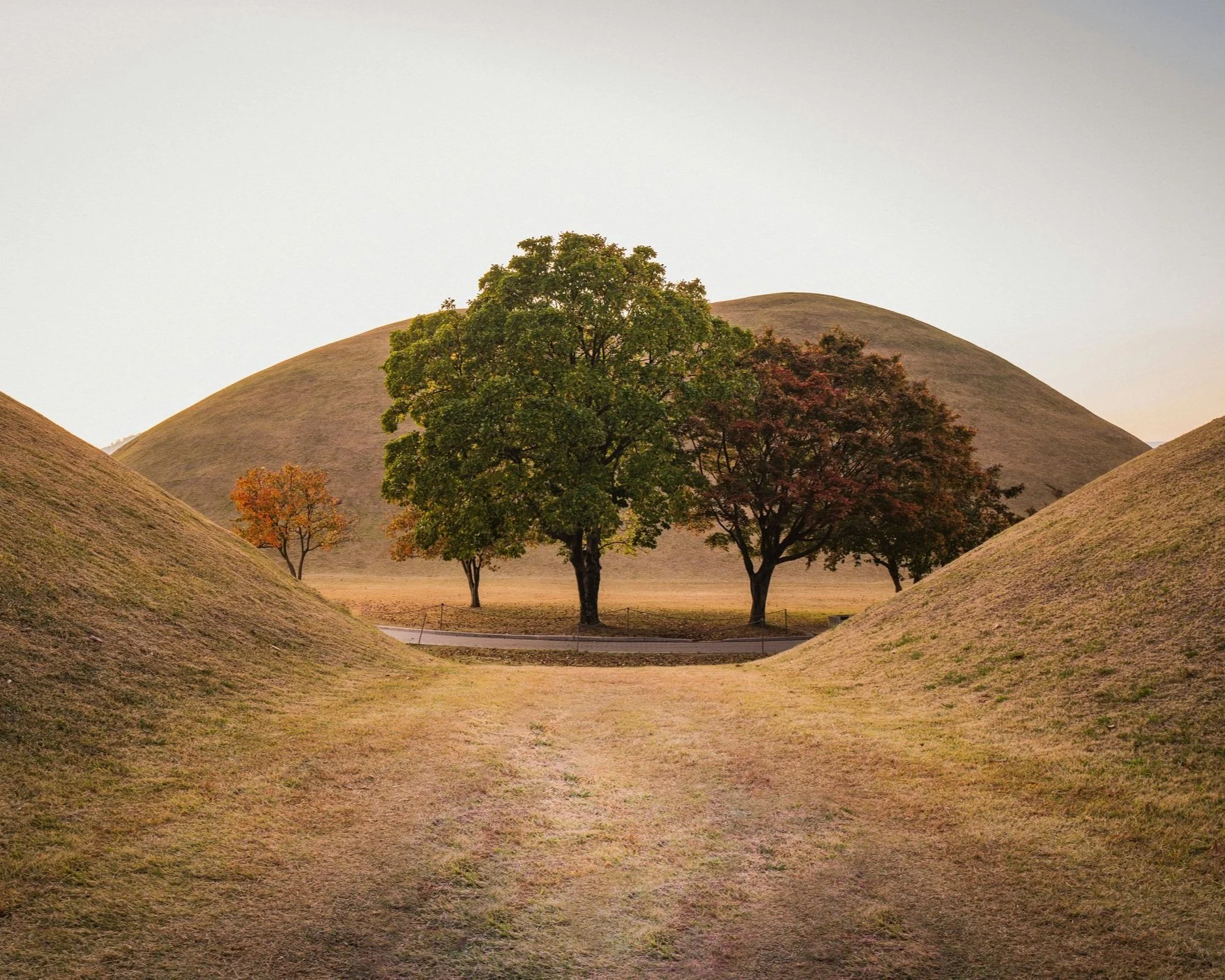
GYEONGJU AND JEONJU: ANCIENT KOREA AND THE ART OF EATING
Korea's most rewarding inland destinations, easily reached from Seoul by KTX, together tell the story of the country's deepest cultural roots. Gyeongju was the capital of the Silla Kingdom for nearly a thousand years, a city where ancient royal tombs rise from residential neighbourhoods and where Bulguksa Temple represents the finest surviving expression of Korean Buddhist art. Jeonju, two hours further south, is where Korea eats. The birthplace of bibimbap and the city most Koreans associate with the finest traditional cuisine in the country, it is also home to the best-preserved hanok village in Korea, where the architecture and daily life of the Joseon era feel genuinely present rather than reconstructed.
Signature Experiences in SOUTH KOREA
South Korea rewards those who go beyond the surface, and the experiences that stay with travellers longest are rarely the most obvious ones. From a private food tour through Gwangjang Market at dawn and a traditional hanok stay in the Korean countryside to the DMZ and the extraordinary cultural phenomenon of the Korean Wave experienced from the inside, these are the moments we build every South Korea journey around.

PRIVATE FOOD TOUR IN GWANGJANG MARKET, SEOUL
Gwangjang Market is one of the oldest and most extraordinary food markets in Asia. A private morning here moves through stalls selling bindaetteok, mayak gimbap and yukhoe beef tartare, with a guide who knows which vendors have been run by the same family for generations. In Korea, asking if someone has eaten is a form of love. This market explains why.

K-CULTURE: BEAUTY, MUSIC AND THE KOREAN WAVE
South Korea built a global cultural industry from almost nothing in two decades. A private K-culture experience moves through the entertainment districts of Gangnam, the concept stores of Seongsu-dong and the beauty laboratories of Apgujeong with a guide who understands the industry from the inside. What looks like a trend from the outside is, up close, a remarkable story about national identity and creative ambition.

TRADITIONAL HANOK STAY IN THE KOREAN COUNTRYSIDE
Bukchon in Seoul is worth walking through but too crowded to stay in. The right hanok experience is a night or two in the countryside, in Jeonju or the rural areas around Gyeongju, where ondol-heated wooden rooms, silence and a breakfast prepared by the host family reveal a Korea the cities cannot offer.
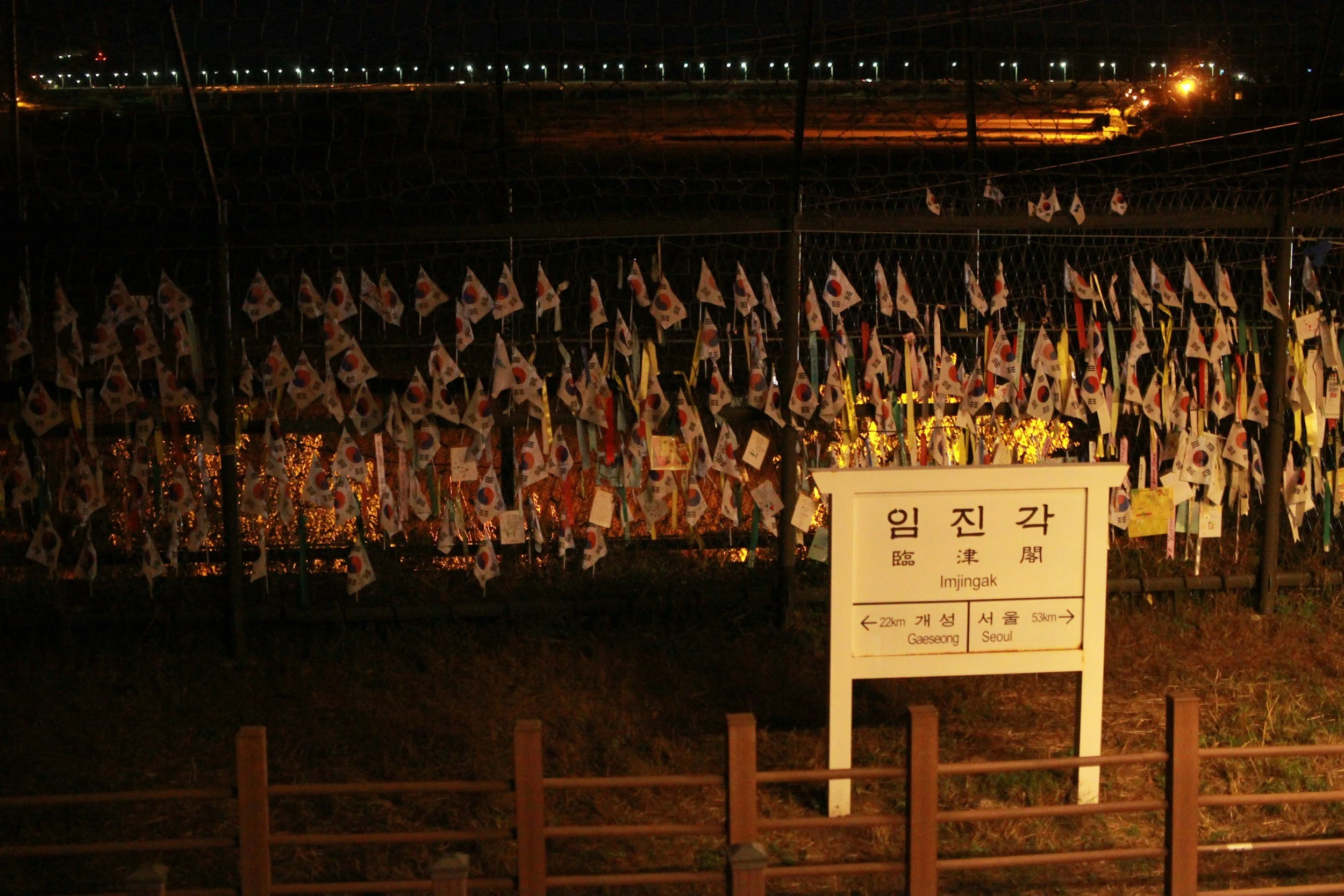
DMZ PRIVATE TOUR
The Demilitarized Zone between North and South Korea is one of the most historically charged places on earth. A private visit with a specialist guide who explains the geopolitical history in depth, away from the group bus tours, is an experience of genuine historical weight that stays with visitors long after they leave.
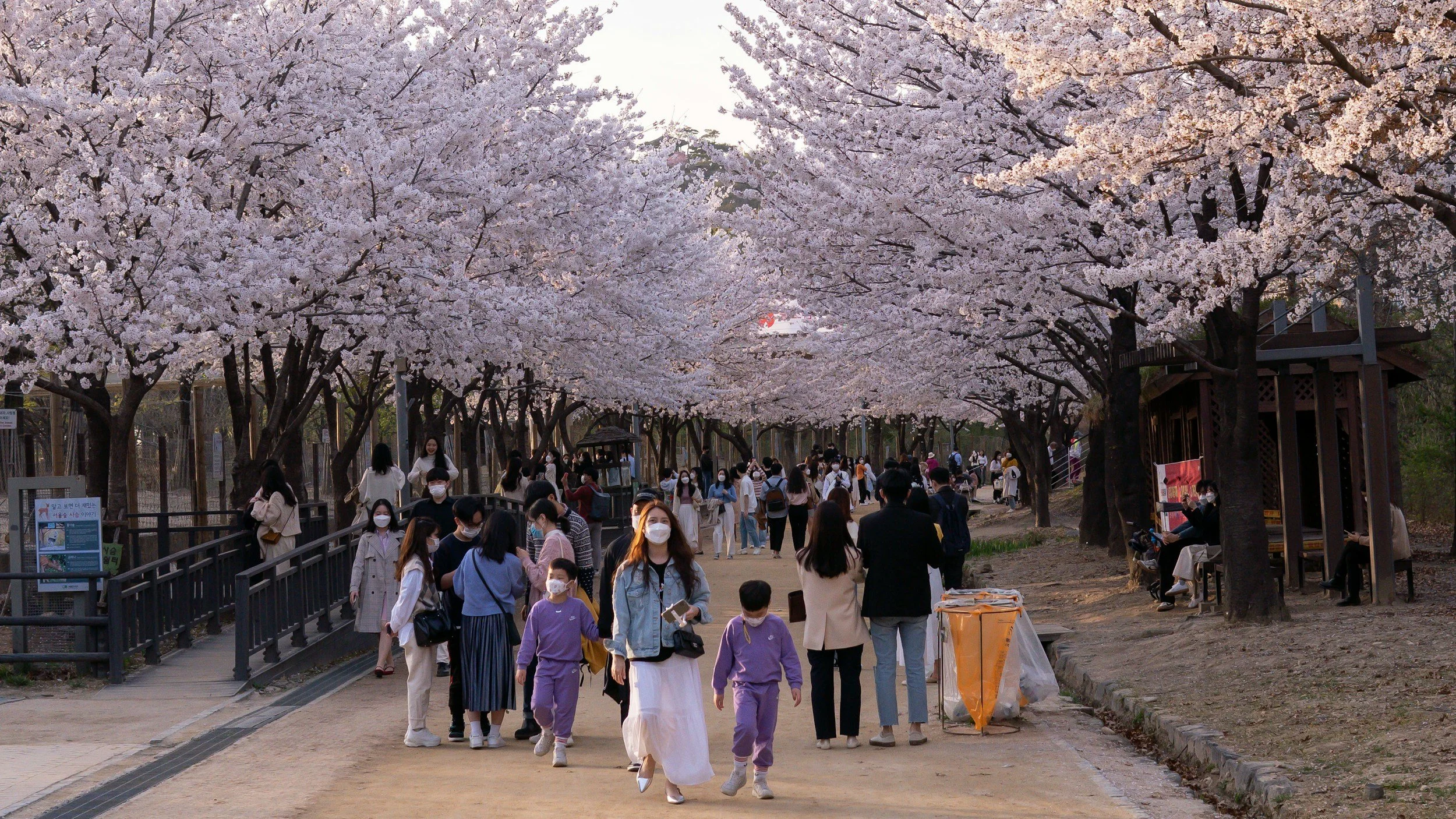
CHERRY BLOSSOM SEASON IN SOUTH KOREA
Korea's cherry blossom season rivals Japan's and draws far fewer international visitors, making the experience more intimate. A private journey planned around the specific peak dates in Seoul, Gyeongju and Jeju, moving between the three as the blossom travels south, is one of the finest seasonal experiences available in East Asia.
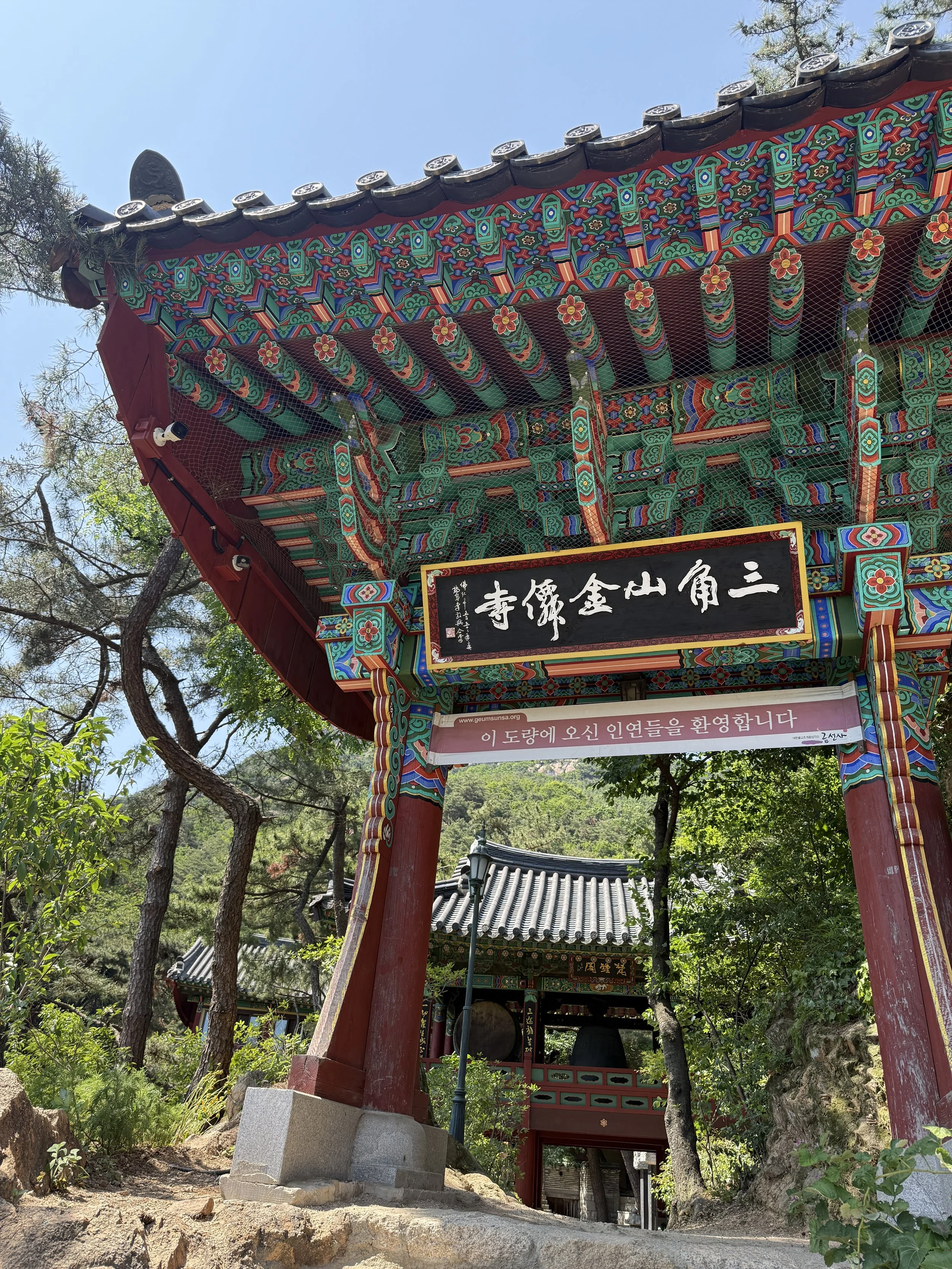
BUDDHIST TEMPLE STAY
A night or two in a Korean mountain monastery, waking before dawn for the bell ceremony, eating extraordinary temple food and walking mountain paths in the early light, is one of the most genuinely transformative experiences in Asia. Haeinsa, home to 80,000 wooden printing blocks containing the entire Buddhist canon, is among the most significant and moving places in Korea.

SHOPPING TOUR IN SEONGSU-DONG
Seongsu-dong is Seoul's most interesting neighbourhood, a former industrial district transformed into a concentration of concept stores, design studios, independent coffee roasters and vintage boutiques. A private half-day here with a guide who knows the neighbourhood from the inside is the best introduction to where contemporary Korean culture is actually heading.
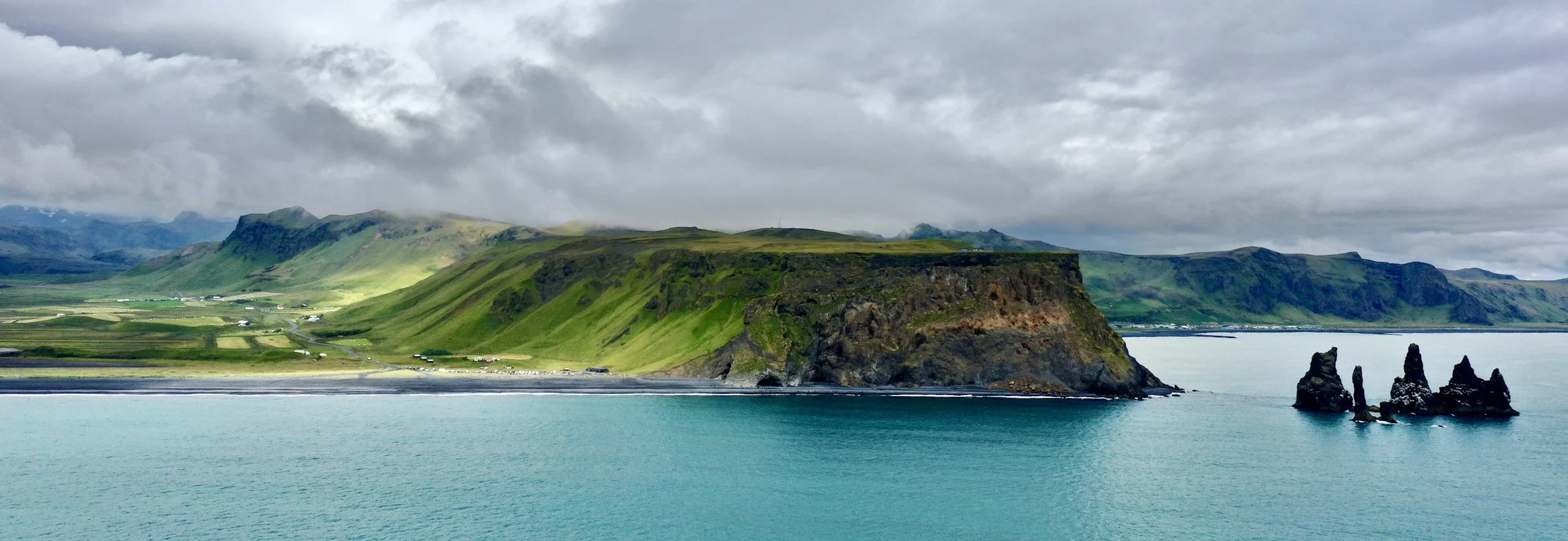
JEJU ISLAND: VOLCANIC LANDSCAPES AND COASTAL BEAUTY
Jeju is a UNESCO triple-designated natural wonder of volcanic peaks, lava caves and pristine coastline. A private experience combines time with the haenyeo free-diving community, a hike on Hallasan, Korea's highest peak, and a dinner of freshly caught abalone and grilled black pork that exists nowhere else in Korea.
Frequently Asked Questions About Traveling to SOUTH KOREA
-
Spring and autumn are both exceptional and our two most recommended windows. Cherry blossom season in late March and early April transforms the country and is one of the great seasonal spectacles in Asia. Autumn from October to November brings extraordinary foliage colour to the mountain temples and ancient sites. Summer is hot and humid but brings the country's most vibrant outdoor energy. Winter is cold and atmospheric, particularly rewarding for temple stays and ski experiences.
-
We recommend a minimum of ten days for a first South Korea journey combining Seoul, one additional city such as Busan or Gyeongju, and a night or two in the countryside. Those wanting to add Jeonju, a temple stay, a DMZ visit and Jeju Island should plan for twelve to fourteen days. South Korea is extraordinarily well connected by the KTX high speed train, which makes it easy to cover significant ground without rushing.
-
The KTX high speed train is the right way to move between Seoul, Busan, Gyeongju and Jeonju. Seoul to Busan takes approximately two and a half hours. Seoul to Gyeongju is under two hours. The train network is punctual, comfortable and gives you a genuine sense of the Korean landscape between cities. Jeju Island is the one exception that requires a short domestic flight or a ferry from the southern coast.
-
Korean cuisine is one of the great culinary traditions of Asia and far more varied and sophisticated than most international visitors expect. Seoul alone has more Michelin-starred restaurants than most European capitals. The street food markets of Gwangjang and Namdaemun are among the finest in Asia. Jeonju is considered the food capital of Korea and the birthplace of bibimbap. Busan's fresh seafood eaten at the stalls of Jagalchi Market is extraordinary. We weave private food tours, market visits, cooking classes and carefully chosen restaurant reservations into every Korea itinerary.
-
K-culture is the collective term for the global cultural wave emanating from South Korea, encompassing K-pop music, K-drama television, K-beauty skincare and Korean food and design. For the traveller it matters because it has created a new generation of visitors who arrive in Korea with genuine curiosity about the culture behind what they have been consuming from a distance. A private K-culture experience in Seoul goes behind the surface into the neighbourhoods, studios and concept stores where the culture is actually being made.
-
US and UK passport holders do not require a visa for stays of up to 90 days in South Korea. We always confirm the latest entry requirements for your specific passport before travel as regulations can occasionally change.
-
South Korea pairs naturally with Japan for a classic East Asia journey combining two of the region's great civilisations and food cultures. It also combines well with China for those wanting to experience three great Asian civilisations, or with Southeast Asia for a broader Asian circuit. We design all multi-country itineraries as fully private and tailor-made.
-
South Korea is navigable independently and the infrastructure is excellent. What a private guide adds is access to experiences that simply do not exist without local knowledge and genuine relationships. The restaurant with no English menu that serves the finest seasonal Korean cooking in the city. The hanok guesthouse run by a family who has been hosting guests for generations. The temple stay arranged with a monastery that does not advertise publicly. Korea reveals its greatest depth to those who arrive with the right person beside them.
Plan Your SOUTH KOREA Journey
South Korea is a country that consistently exceeds every expectation.
Tell us what draws you, whether it is the food, the culture, the ancient temples, the contemporary energy of Seoul or the extraordinary landscapes of Jeju and the Korean countryside, and we will design a journey that reflects exactly who you are and how you travel.