

Luxury Private Tours in CHINA
Five thousand years of civilisation. The most diverse country on earth. A journey that takes a lifetime to exhaust.
Our tailor-made private tours combine expert local guides, handpicked boutique stays and curated experiences, from the imperial grandeur of Beijing and the Terracotta Warriors of Xi'an to the karst peaks of Guilin and Zhangjiajie, the giant pandas and Sichuan hot pot of Chengdu, the immigration history of Shanghai and the Portuguese heritage of Macau.
WHY VISIT CHINA?
China is the most complex destination on earth and the one that most consistently exceeds the expectations of every traveller who arrives with genuine curiosity. It is a country of five thousand years of continuous civilisation, of imperial dynasties that built monuments on a scale that still overwhelms, of a contemporary urban energy that has transformed cities of millions of people within a single generation, of a food culture so varied across its regions that a lifetime of eating could not exhaust it, and of landscapes that range from the subtropical karst towers of Guilin to the high plateau grasslands of Yunnan and the volcanic peaks of Sichuan.
What makes China exceptional for the private traveller is the gap between the surface and the depth. The Great Wall seen from a helicopter before the crowds arrive is a completely different object from the Great Wall photographed from the same viewpoint as ten thousand other visitors. The Shanghai walking tour that traces the specific history of Jewish refugees, White Russian émigrés and the extraordinary collision of cultures that made the city the most cosmopolitan place in Asia in the 1930s is a completely different city from the one visible from the elevated highway. China rewards the traveller who comes with a guide who knows the difference between what the country presents and what it actually contains.
Many travellers combine China with Japan for a broader East Asia journey, or with South Korea for those wanting to explore three of the great civilisations of the region on a single extended trip.
Explore our full Asia hub for more inspiring destinations.

Best Time to Visit CHINA
April to May is our most recommended window for a first China journey. Temperatures are mild across most of the country, the spring light is exceptional and the landscapes of Guilin and Zhangjiajie are at their most vivid. Beijing's parks and the surrounding countryside are in bloom and the humidity that characterises the southern regions in summer has not yet arrived. Avoiding the Golden Week national holidays in early May is essential as domestic tourism peaks dramatically during this period.
September to October is the other exceptional window and in many ways the finer of the two. The summer heat and humidity have broken across most of the country, the autumn light is extraordinary and the foliage in the mountain regions of Sichuan and Yunnan turns remarkable colours through October. The Guilin karst landscape in autumn mist is one of the most beautiful natural spectacles in China.
November to March is winter across most of China and the best season for those wanting to experience Beijing and Xi'an with significantly fewer visitors. The Forbidden City under snow is one of the most extraordinary sights in the country. Southern China including Guilin, Chengdu and Hong Kong remains mild and very much visitable throughout the winter months.
June to August is the peak summer season, hot and humid across most of the country and the most crowded period at all major sites. Shanghai and Beijing in August can be extremely hot. Those visiting during this period should prioritise early morning starts at every significant site and plan the itinerary around the weather rather than against it.
DISCOVER CHINA’S REGIONS
From the electric energy of Tokyo and the ancient temples of Kyoto to the ryokan villages of the Japanese Alps, the art islands of the Seto Inland Sea and the wild northern landscapes of Hokkaido, each region of Japan offers a completely distinct private journey.

BEIJING: THE IMPERIAL CAPITAL
Beijing is built around the greatest surviving complex of imperial architecture on earth. A private experience moves through the Forbidden City, the Temple of Heaven and the Summer Palace with a specialist guide, then into the hutong alleyways of the old city where the neighbourhood life of the capital has been lived for centuries. The contrast between ancient and contemporary China is more honestly felt here than anywhere else in the country.
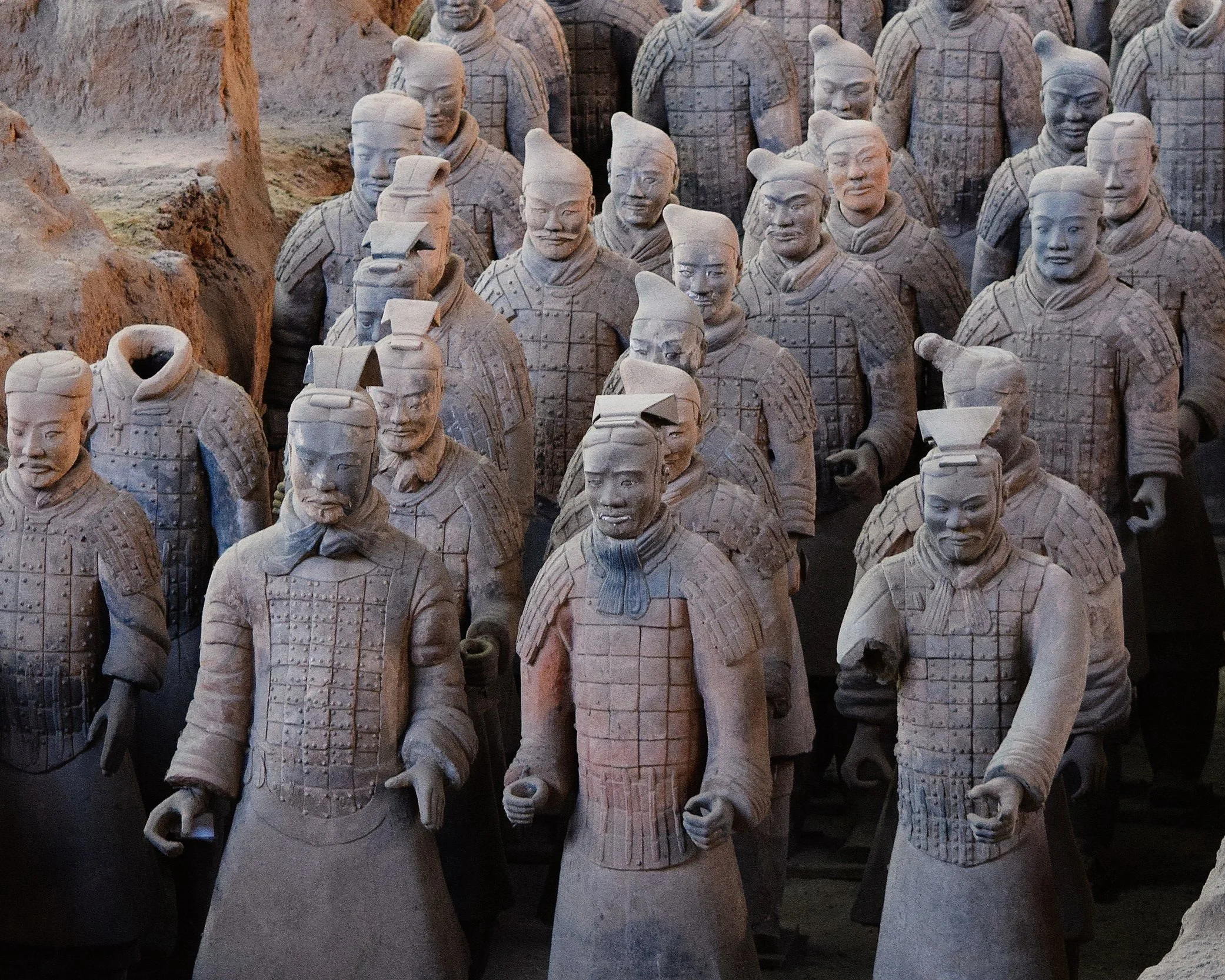
XI'AN AND THE TERRACOTTA WARRIORS
Xi'an was the eastern terminus of the Silk Road and capital of China during its most powerful dynasties. A private experience combines an early-access visit to the Terracotta Warriors, eight thousand life-sized figures buried to protect the first emperor in his afterlife, with the ancient city walls still entirely intact and wide enough to cycle on, and the Muslim Quarter where the street food tradition and the Tang-dynasty Great Mosque reveal a layer of Chinese history most visitors never find.
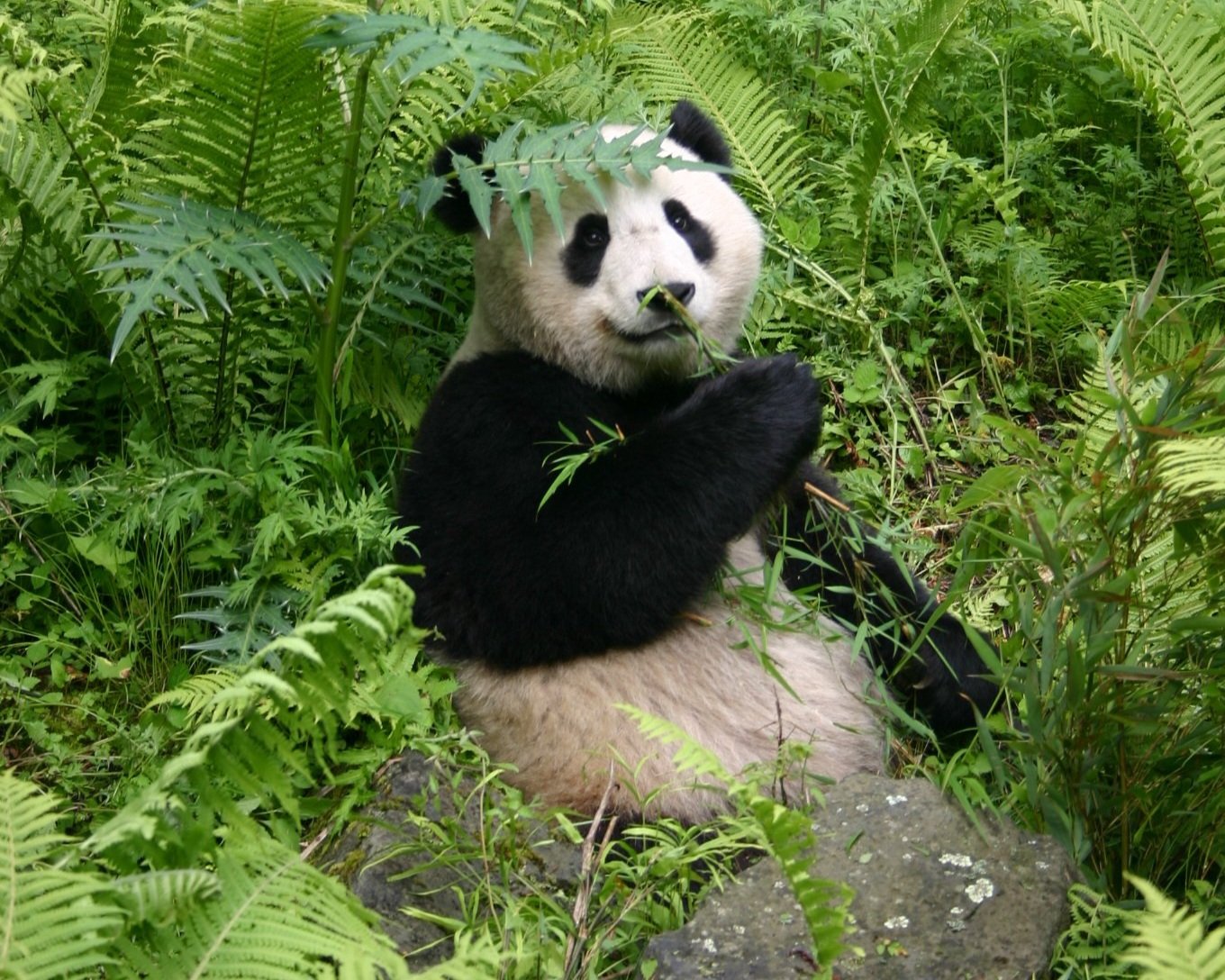
CHENGDU: PANDAS, SICHUAN FOOD AND THE PACE OF THE SOUTHWEST
Chengdu is China's most liveable city, a place of teahouses, mahjong players in the parks and one of the great regional cuisines in the world. A private experience combines an early morning at the Giant Panda Research Base, where the animals can be observed in conditions that prioritise their welfare, with a Sichuan hot pot dinner in a local restaurant and the extraordinary unhurried street life of a city that operates on a completely different frequency from Beijing or Shanghai.
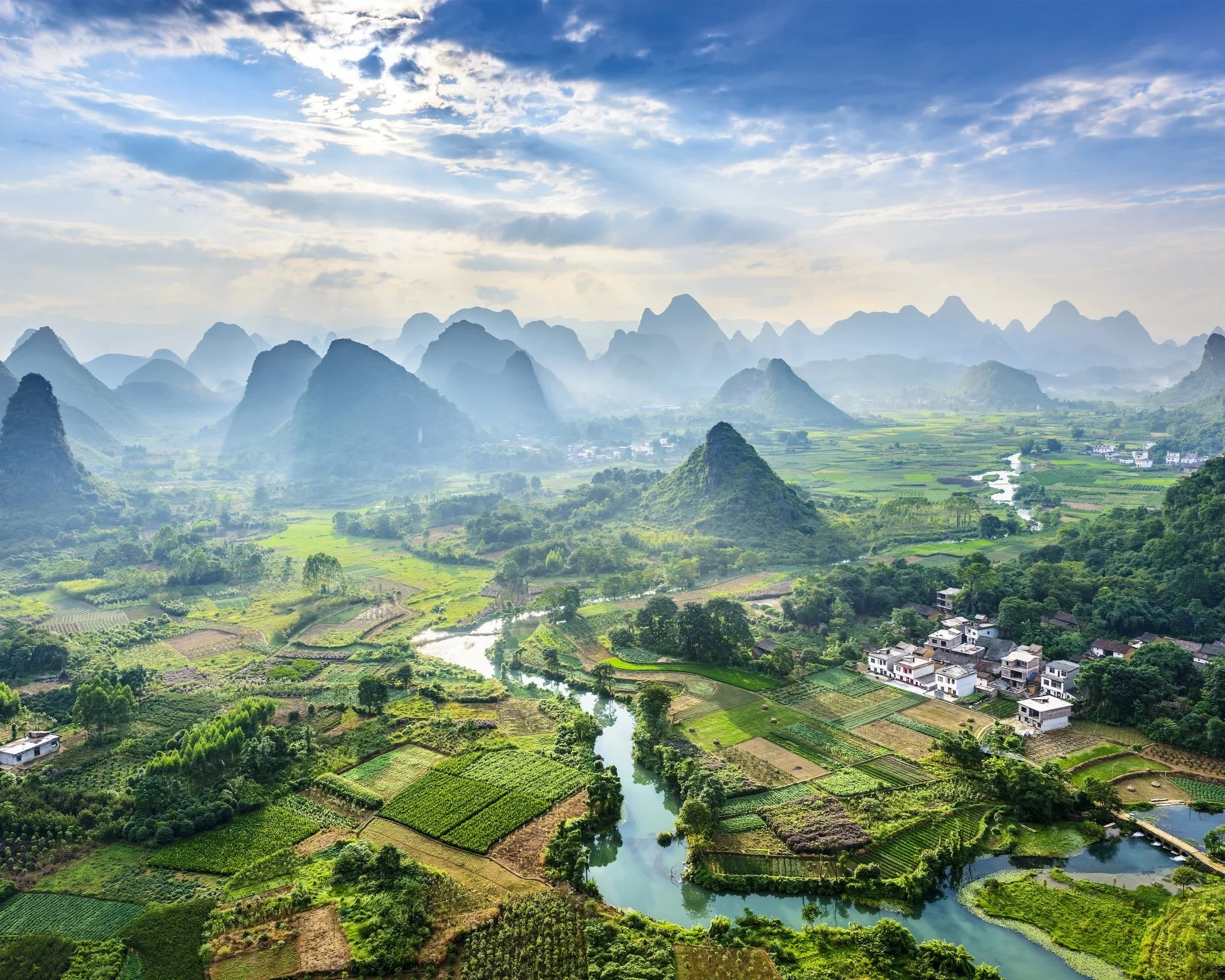
GUILIN AND THE LI RIVER: THE KARST LANDSCAPE
The limestone peaks of the Li River valley, rising from flat rice fields in shapes that have been the subject of Chinese landscape painting for a thousand years, are one of the most distinctive natural environments on earth. A private bamboo raft along the river, a bike through the villages of the Yangshuo valley and a night in the extraordinary Longsheng rice terraces carved into the mountain slopes by Zhuang and Yao minorities over centuries complete one of the most beautiful journeys available in China.
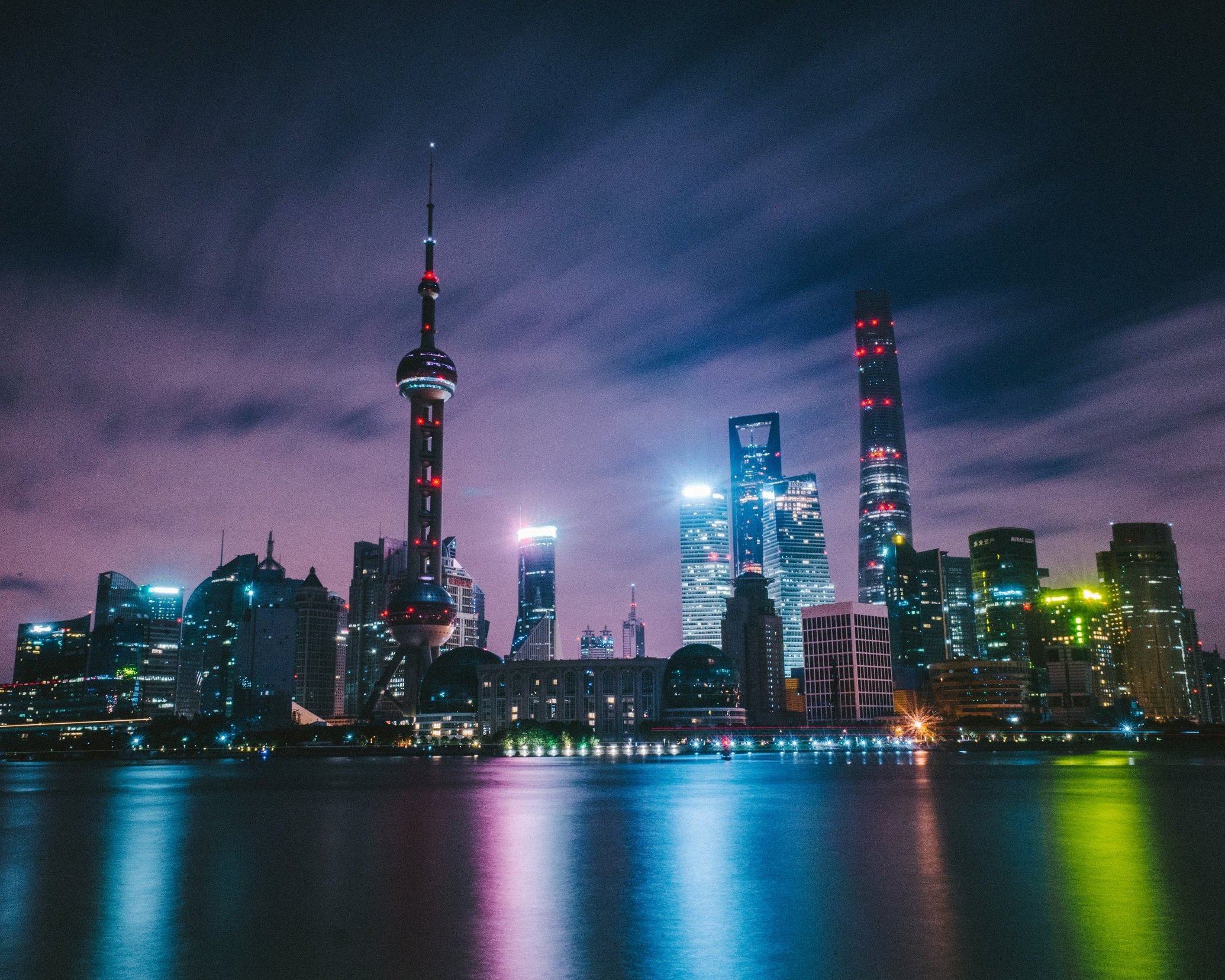
SHANGHAI: THE MOST COSMOPOLITAN CITY IN ASIA
Shanghai is where the extraordinary collision of cultures that defined twentieth-century Asia is most legible in the streets. A private walking tour moves through the French Concession, the former Jewish refugee quarter of Hongkew and the Art Deco buildings of the International Settlement with a guide who knows the specific immigration stories that shaped each neighbourhood. The Bund at dusk, with the colonial facades of the west bank facing the extraordinary Pudong skyline across the river, is one of the great urban views on earth.
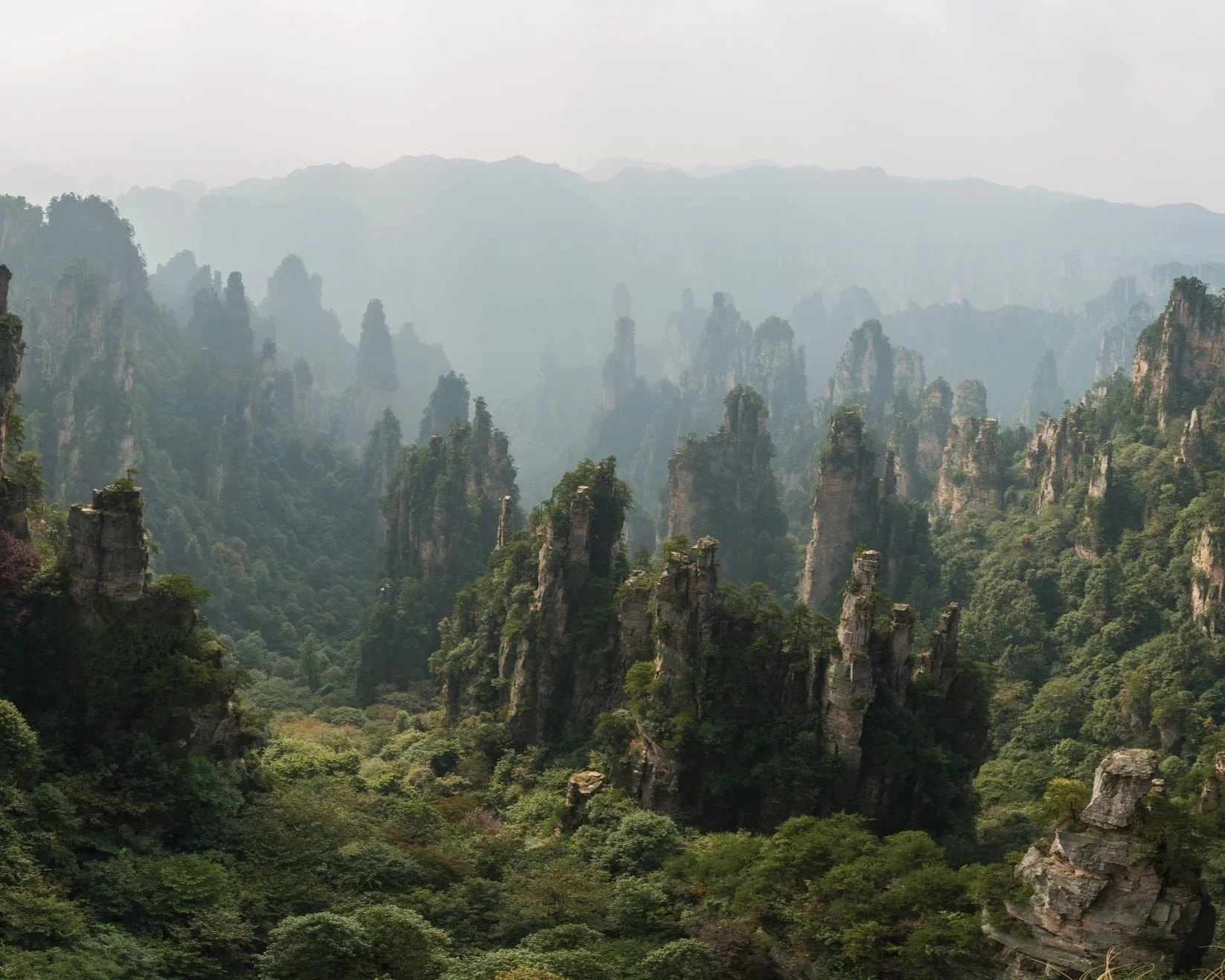
ZHANGJIAJIE: THE MOUNTAIN PILLARS
Zhangjiajie in Hunan Province is the landscape that inspired the floating mountains of Avatar, a national park of sandstone pillars rising hundreds of metres from the valley floor through permanent cloud and mist. A private experience finds the hiking trails that reach the finest viewpoints without the crowds, at the hours when the mist is most active and the scale of the landscape most overwhelming. It is one of the most visually extraordinary natural environments in the world.
Signature Experiences in CHINA
China rewards those who go beyond the obvious and allow a private guide to reveal the country that exists beneath its most famous monuments. From a helicopter flight to a remote section of the Great Wall before the crowds arrive and a Sichuan hot pot dinner in a local Chengdu restaurant to a night in a minority village in the Longsheng rice terraces and bamboo rafting at sunset on the Li River, these are the moments we build every China journey around.
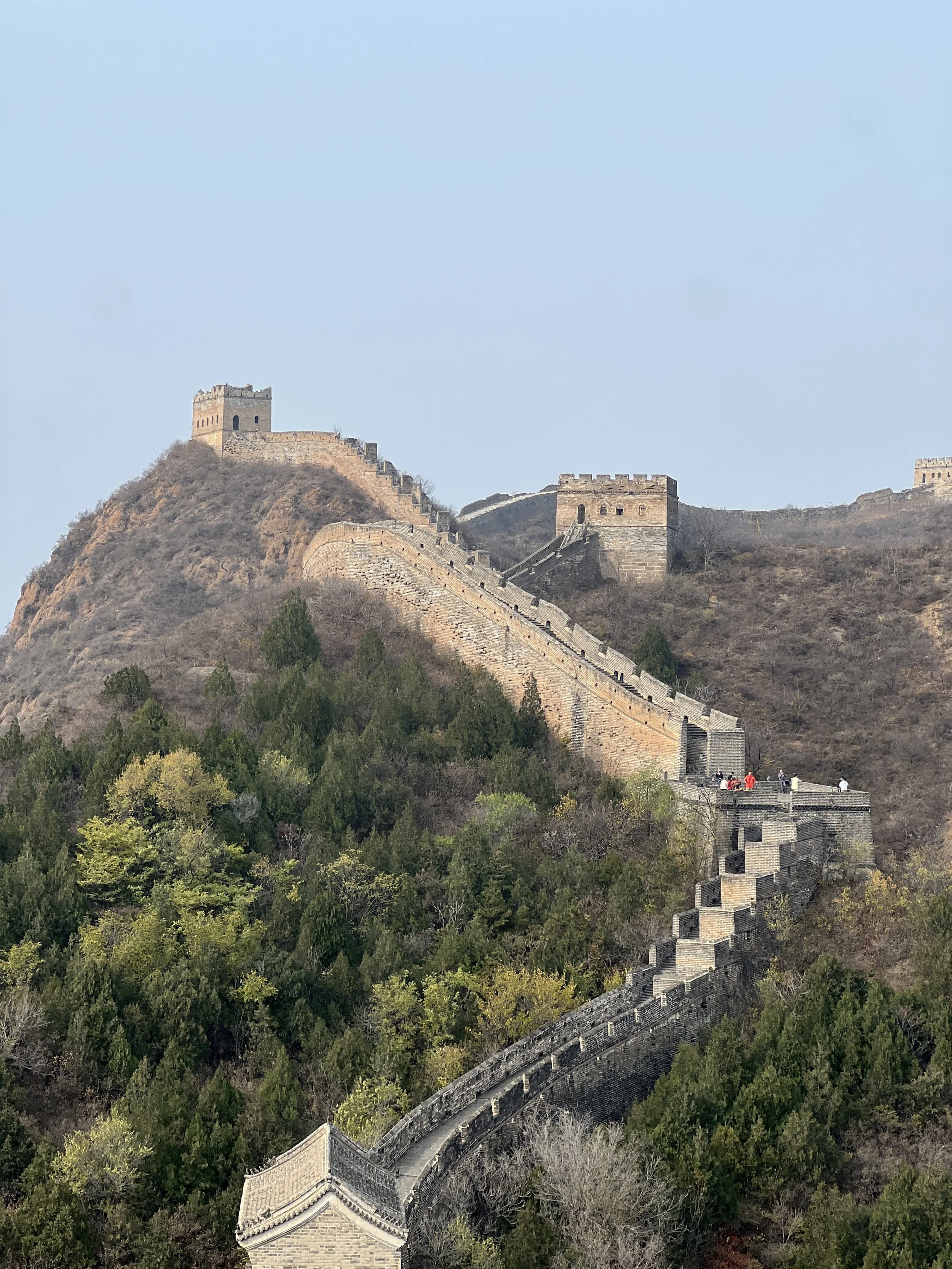
THE GREAT WALL BEYOND THE CROWDS
The most visited sections of the Great Wall near Beijing are extraordinary but crowded in a way that diminishes the experience entirely. A private helicopter flight to a remote unrestored section, walking the original Ming-dynasty stonework in complete silence with the mountains of Hebei Province visible in every direction, reveals what the wall actually is when nobody else is there to obscure it.
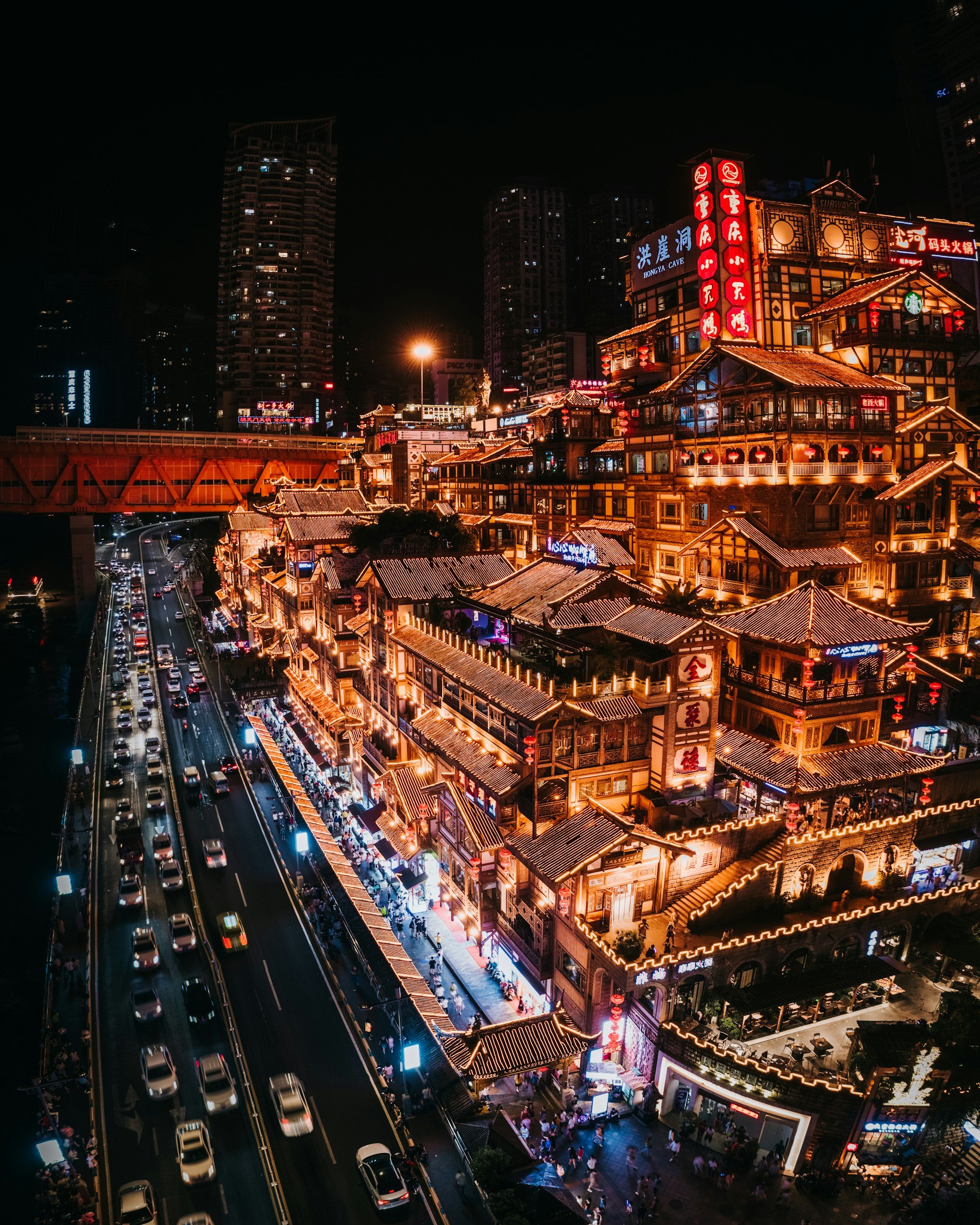
CHONGQING: THE CITY ON THE CLIFFS
Chongqing is one of the largest and most dramatically situated cities in the world, built on the rocky peninsula where two great rivers converge, almost entirely unknown to international visitors. Experiencing it privately means moving through the old city on foot and by cable car with a guide who knows the specific stories of a place that is entirely unlike any other city in China.
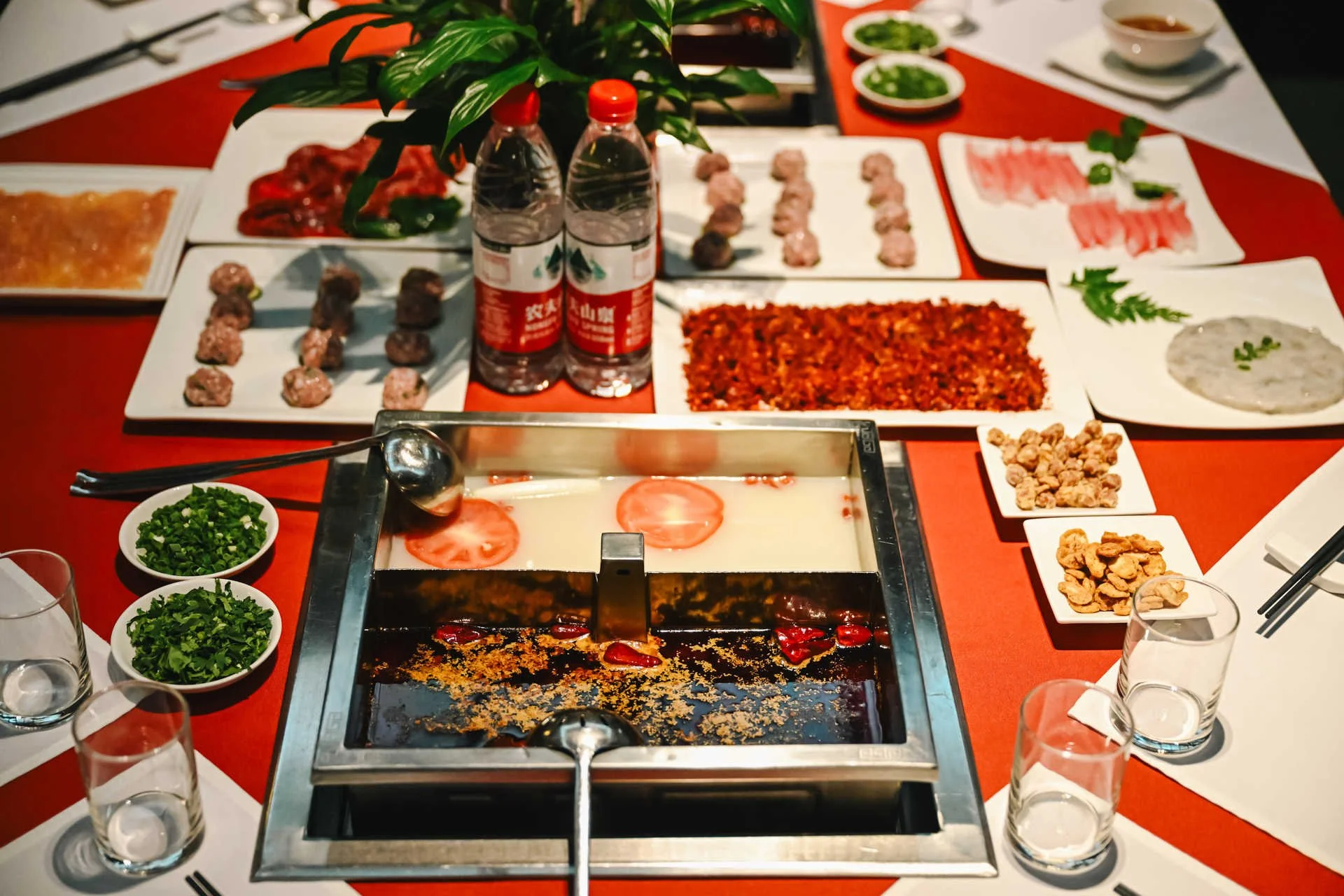
SICHUAN HOT POT IN CHENGDU
Sichuan hot pot eaten in a local Chengdu restaurant rather than a tourist-facing version of the dish, with a guide who orders what locals actually eat and explains the specific ingredients and etiquette of the table, is one of the most vivid and most specifically Chinese dining experiences available anywhere in the country.
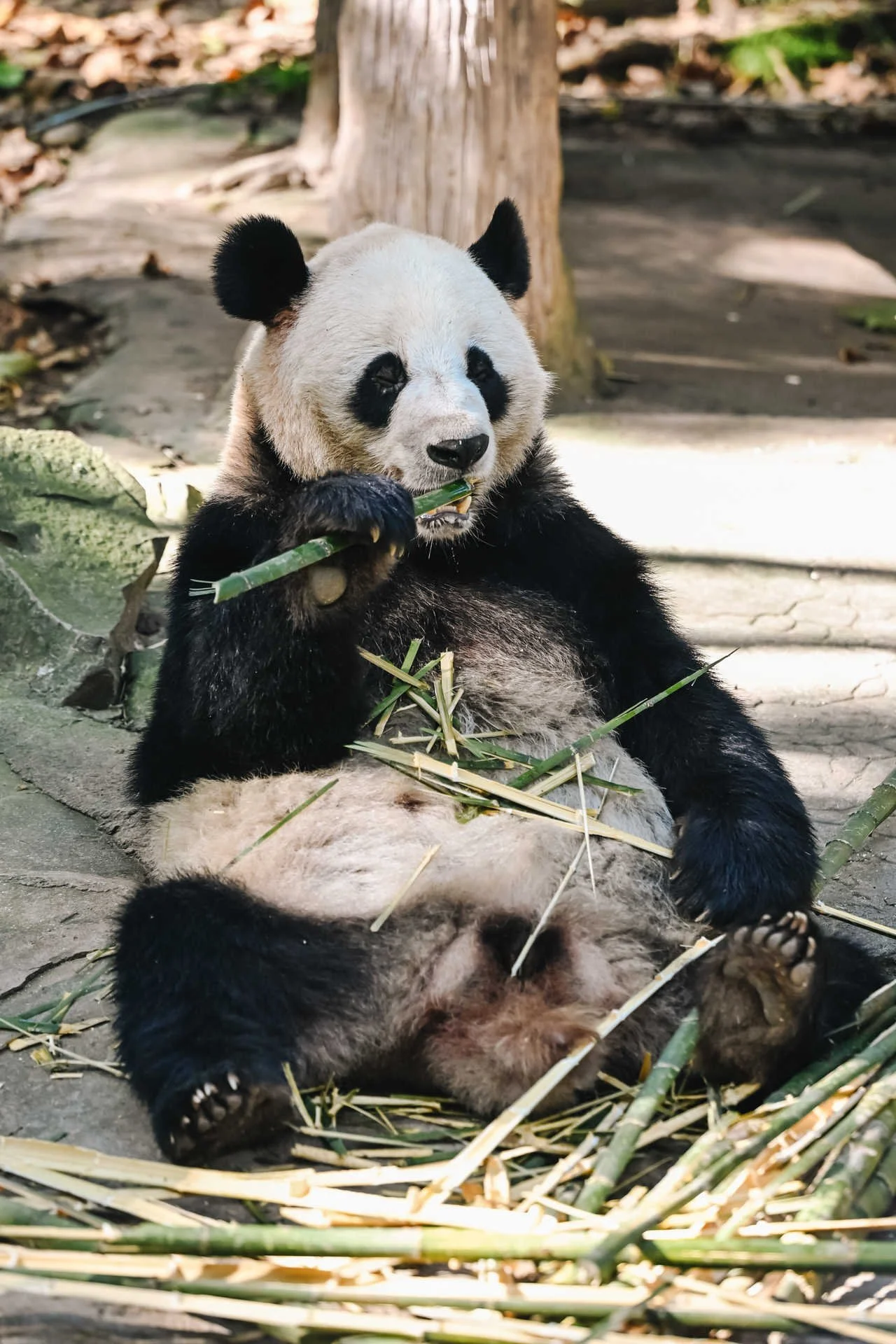
GIANT PANDAS AT THE CHENGDU RESEARCH BASE
A private early morning visit to the Chengdu panda base, before the day's main visitor groups arrive, with a specialist guide who can explain the conservation programme and the behaviour of each individual animal, is one of the most genuinely moving wildlife encounters available in China.
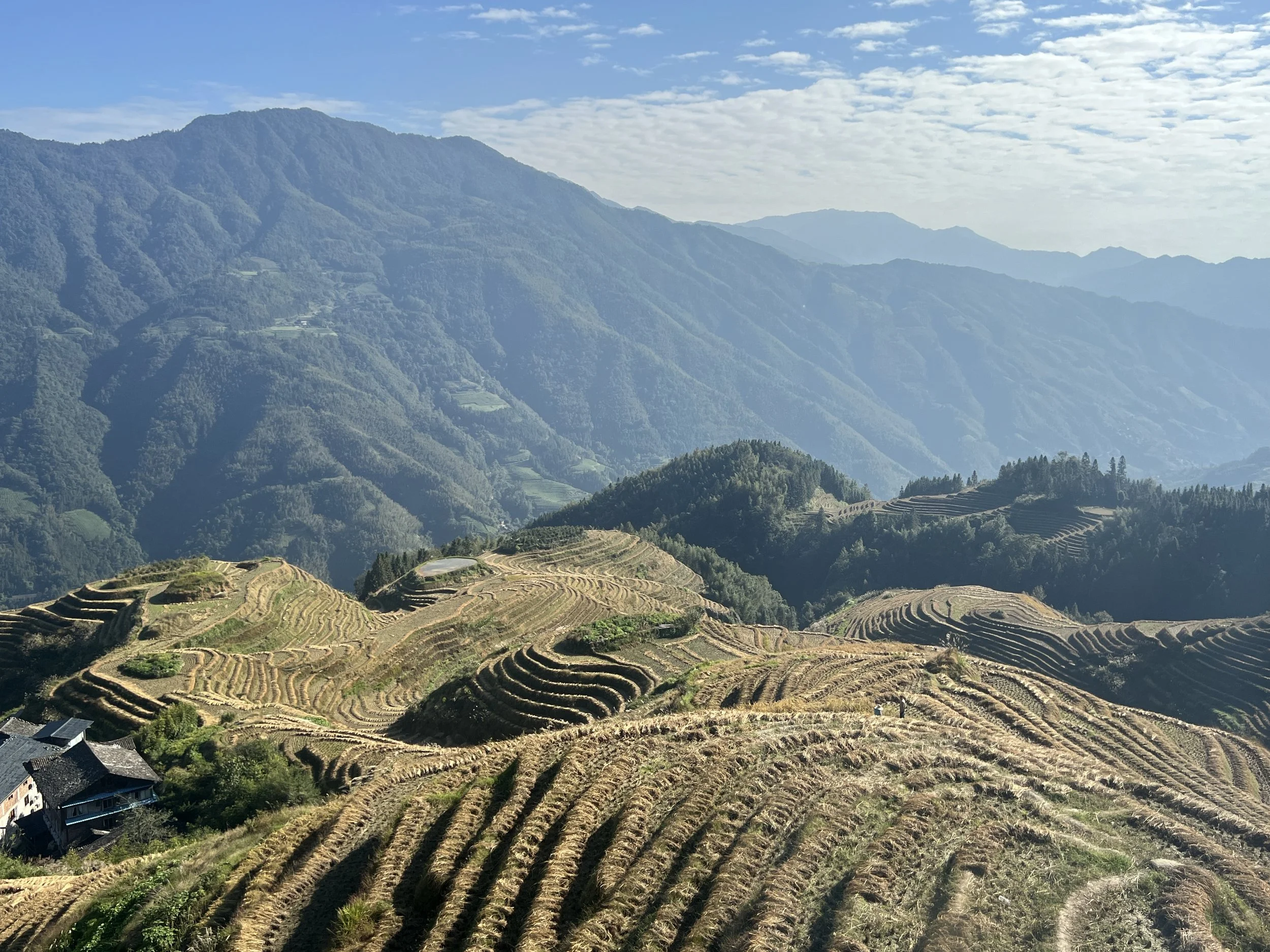
NIGHT STAY IN A LONGSHENG VILLAGE
A night in a traditional wooden guesthouse run by a Zhuang minority family in the Longsheng rice terraces, eating the food of the mountain minority culture and waking before dawn to walk the terrace paths as the mist rises from the valley, is a completely different China from the cities and the monuments.
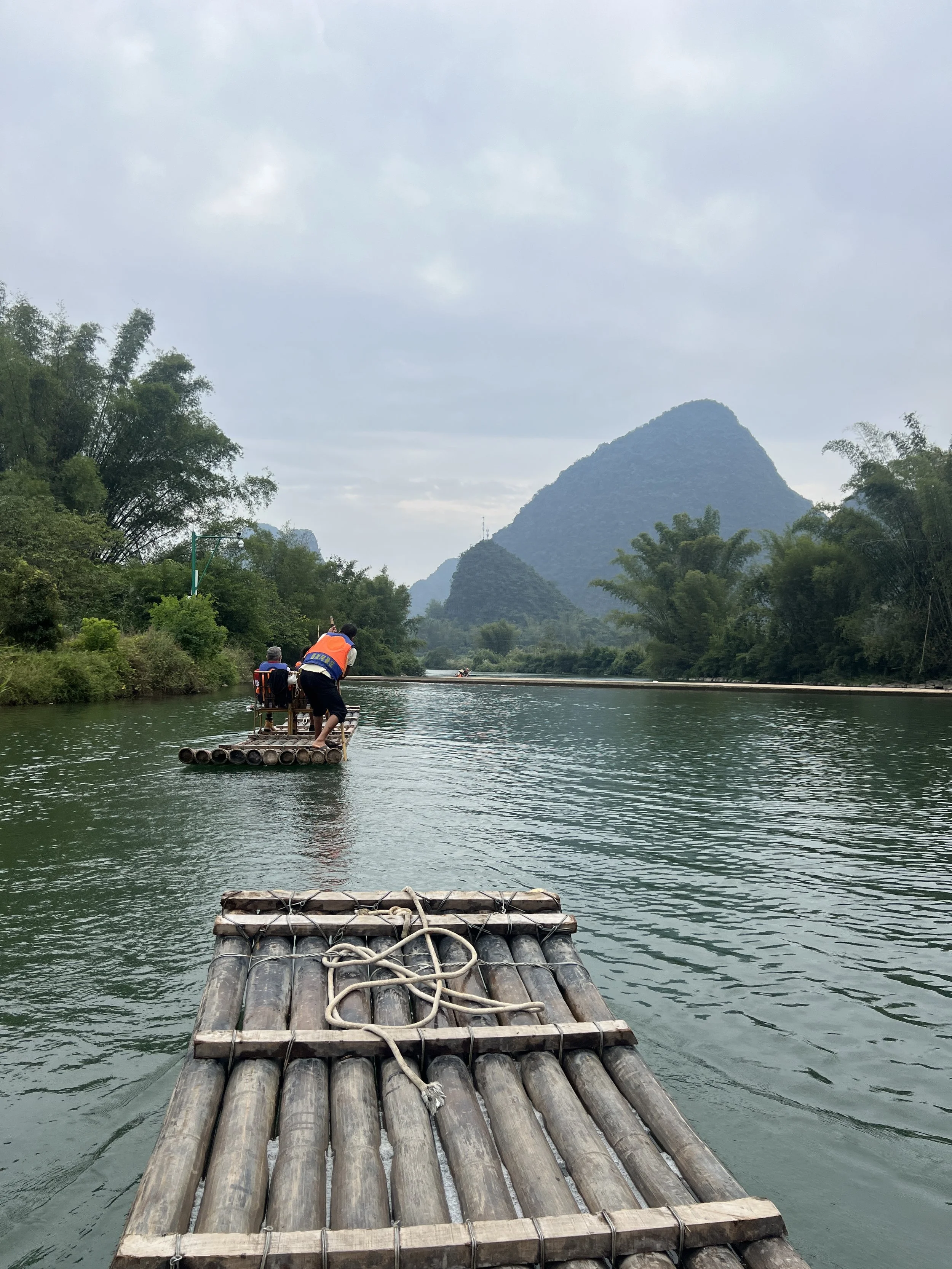
BAMBOO RAFTING, BIKING AND SUNSET PICNIC IN GUILIN
A private bamboo raft drifting through the karst peaks of the Li River, followed by an e-bike through the rice fields and villages of the Yangshuo valley, ending with a sunset picnic set up on a terrace overlooking the river as the light changes on the limestone peaks, is one of the most complete and most beautiful days available anywhere in China.
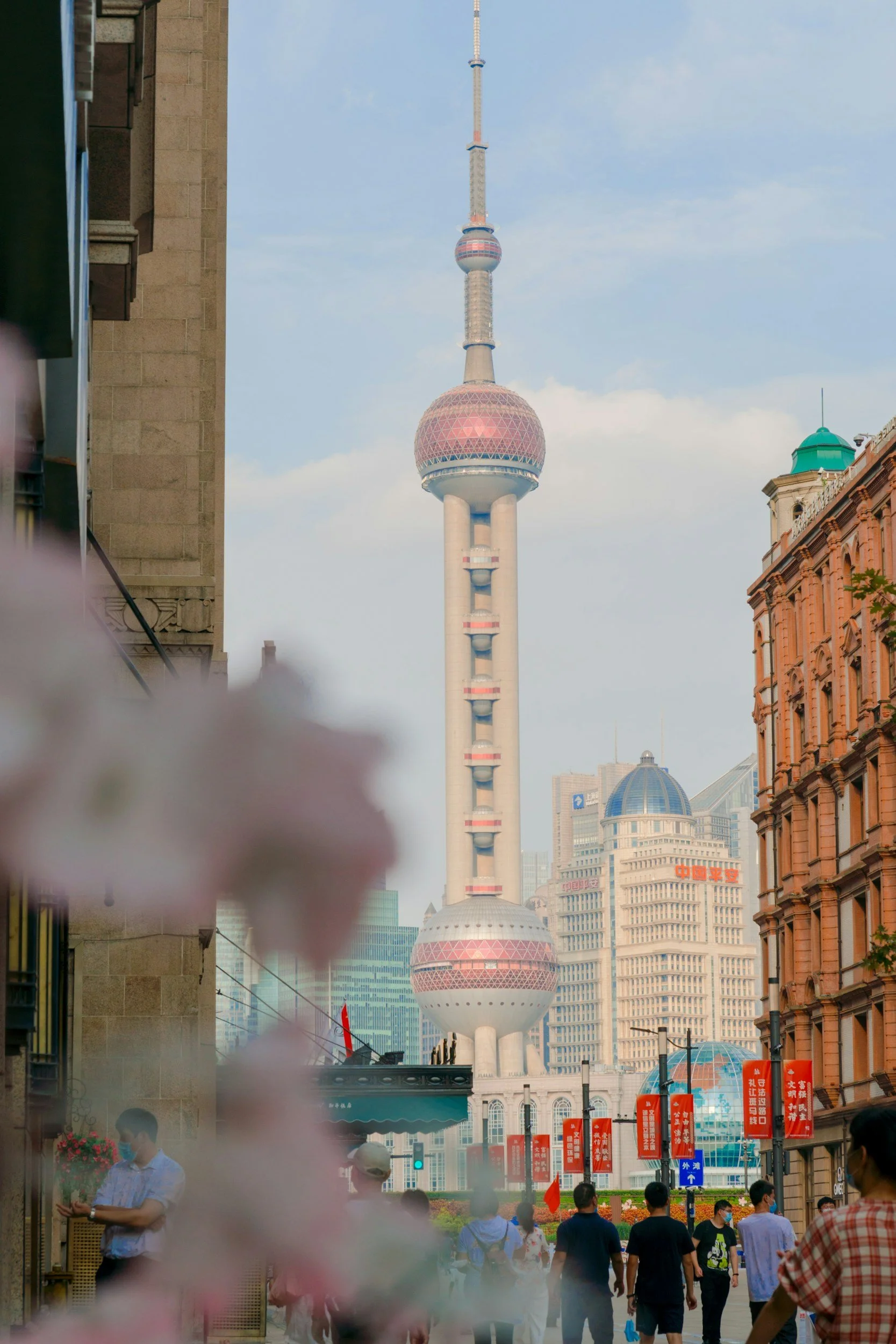
WALKING THE IMMIGRATION HISTORY OF SHANGHAI
Shanghai in the 1930s was the most cosmopolitan city in Asia, where Jewish refugees, White Russian émigrés and British merchants built parallel worlds within a few streets of each other. A private walking tour through the French Concession, the former Jewish quarter of Hongkew and the Art Deco buildings of the International Settlement requires a guide who knows the specific stories written into each neighbourhood and each facade.
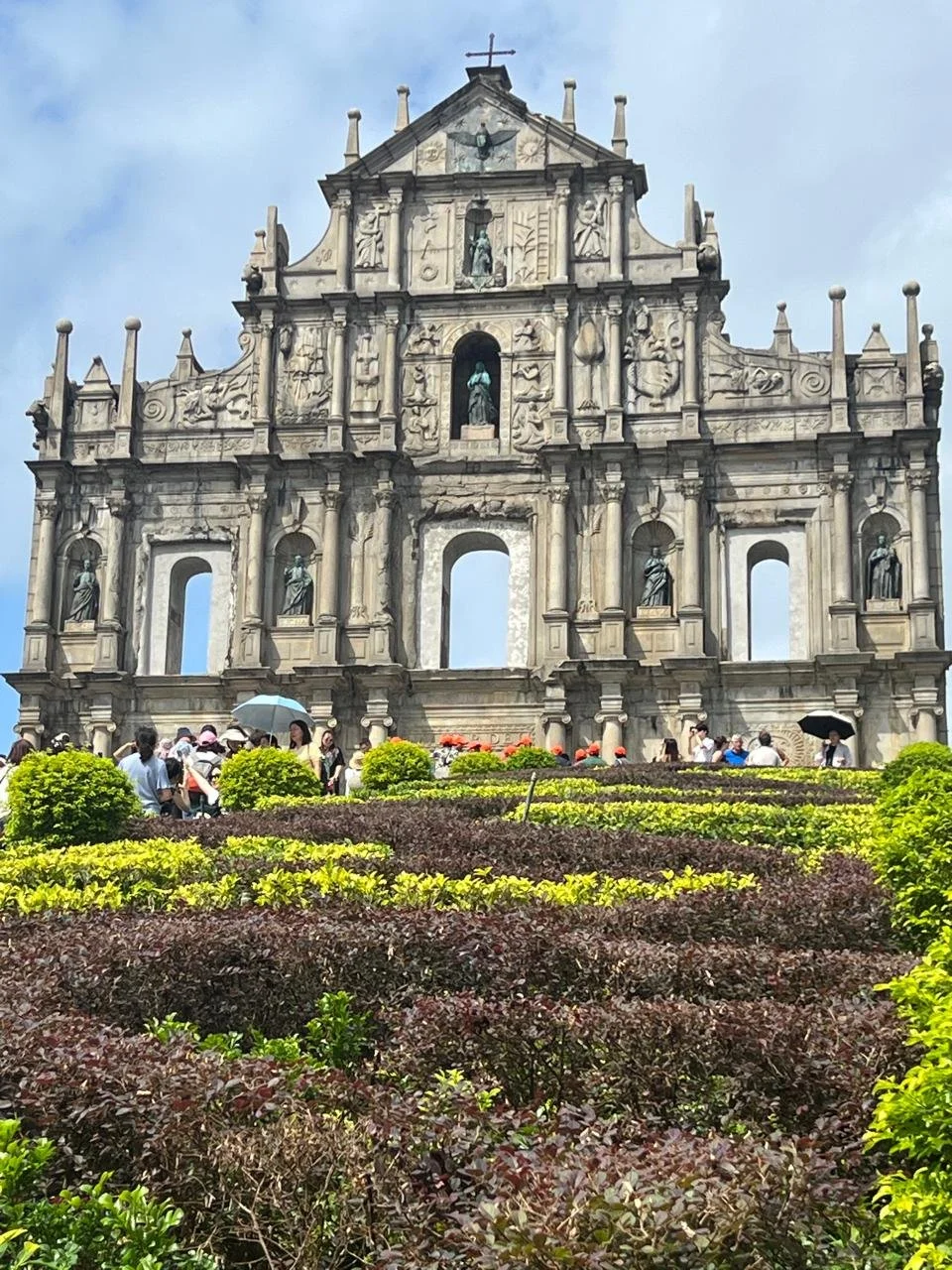
MACAU AND HONG KONG: THE CITIES BETWEEN TWO WORLDS
Macau's Portuguese cobblestones, colonial fortifications and four centuries of East-West collision, combined with Hong Kong's extraordinary harbour skyline, wet markets of the Western District and dim sum culture eaten seriously rather than decoratively, add a final layer to a China journey that no amount of imperial history and landscape can provide on its own. Learn more here
Frequently Asked Questions About Traveling to CHINA
-
April to May and September to October are our two most recommended windows. Spring offers mild temperatures and excellent light across all regions. Autumn brings the finest foliage in the mountain regions and the most comfortable conditions across the country. Avoiding the Golden Week national holidays in October and early May is essential as domestic tourism peaks dramatically. Winter is excellent for Beijing and Xi'an with significantly fewer visitors.
-
China's scale means that the right answer depends entirely on which regions you are visiting. A focused Beijing, Xi'an and Shanghai journey requires a minimum of ten days to do properly. Those adding Guilin, Zhangjiajie, Chengdu and Hong Kong should plan for sixteen to eighteen days minimum. China is best approached as a two to three week journey with a clear itinerary designed around specific interests rather than an attempt to cover the country comprehensively.
-
Visa requirements for China have changed significantly in recent years. Many nationalities including US and UK passport holders now benefit from visa-free entry for stays of up to 144 hours under the transit visa exemption, or longer periods under recently expanded visa-free arrangements. We always confirm the latest entry requirements for your specific passport before travel as Chinese visa policy continues to evolve.
-
Chinese cuisine is not a single culinary tradition but a collection of entirely distinct regional traditions that share almost nothing beyond the use of rice and noodles as staples. Sichuan cuisine, built on the numbing heat of the Sichuan peppercorn, is entirely unlike the delicate seafood cooking of Shanghai or the imperial cuisine of Beijing or the Cantonese dim sum tradition of Hong Kong. We build private food tours, market visits, cooking classes and carefully chosen restaurant experiences into every China itinerary for those who want to eat the country seriously.
-
China is one of the most logistically complex destinations for independent international travel, with language barriers, payment systems, internet restrictions and transport infrastructure that all require local knowledge and preparation to navigate comfortably. A private guide who handles all logistics, from transport bookings to restaurant reservations and site access, transforms the experience from frustrating to effortless and allows you to focus entirely on what you are seeing rather than how to get there.
-
China pairs naturally with Japan for a classic East Asia journey and with South Korea for those wanting to explore three of the region's great civilisations. It also combines well with Vietnam, Cambodia and Southeast Asia for those designing a broader Asian circuit. We design all multi-country itineraries as fully private and tailor-made.
-
The Terracotta Warriors of Xi'an, the karst landscape of Guilin and the Li River, the giant pandas of Chengdu, the extraordinary mountain scenery of Zhangjiajie and the cosmopolitan history of Shanghai are all essential on any serious China journey. Beyond these, Chongqing, Furong Zhen, the Longsheng rice terraces and the cultural heritage of Macau and Hong Kong offer experiences of genuine depth that most international visitors never reach.
-
China's greatest experiences require local knowledge that is genuinely impossible to replicate from a guidebook. The helicopter that lands on a remote section of the Great Wall before any other visitor has arrived. The Chengdu panda base at dawn before the tour groups. The Sichuan hot pot restaurant where locals eat rather than the tourist version of the same dish. The Shanghai neighbourhood where the Jewish refugee history of the 1930s is still visible in the architecture and the stories if you know where to look. China reveals its greatest depth to those who arrive with the right person beside them.
Plan Your CHINA Journey
China is the most complex and most rewarding destination on earth and the journey we design for you will reflect exactly which version of it calls to you most. Tell us whether you are drawn by the imperial history, the extraordinary food culture, the natural landscapes or the contemporary urban energy, and we will build your China journey from the first conversation.