

Luxury Private Tours in VIETNAM
Ancient kingdoms. A thousand kilometres of coastline. A food culture that stops you in your tracks.
Our tailor-made private tours combine expert local guides, handpicked boutique stays and curated experiences, from the limestone karsts of Ha Long Bay and the lantern-lit streets of Hoi An to the imperial heritage of Hue, the street food energy of Hanoi and Ho Chi Minh City, the rice terraces of Sapa and the extraordinary river life of the Mekong Delta.
WHY VISIT VIETNAM?
Vietnam is one of the most rewarding countries in Southeast Asia for the traveller who arrives with genuine curiosity and the patience to go beyond the surface. It is a country of extraordinary geographical variety, stretching over a thousand kilometres from the Chinese border in the north to the Gulf of Thailand in the south, and that distance encompasses landscapes as different as the mountain rice terraces of Sapa, the limestone karsts of Ha Long Bay, the imperial grandeur of Hue, the ancient trading port of Hoi An and the subtropical river delta of the Mekong. The food, which varies dramatically by region and which bears almost no resemblance to the Vietnamese cooking served in restaurants outside the country, is one of the great culinary traditions of Asia.
What makes Vietnam exceptional for the private traveller is the combination of extraordinary depth and genuine accessibility. The country has been welcoming international visitors for long enough that the infrastructure for private luxury travel is well developed, but it retains a rawness and a vitality in its food markets, its river life and its rural culture that the more developed destinations of the region have largely lost. A private guide who knows the difference between the Vietnam presented to tourists and the Vietnam that the Vietnamese actually inhabit changes the character of the entire journey.
Many travellers combine Vietnam with Cambodia for a broader Indochina journey, or extend into Thailand and Indonesia for those designing a comprehensive Southeast Asia circuit.
Explore our full Asia hub for more inspiring destinations.
Best Time to Visit VIETNAM
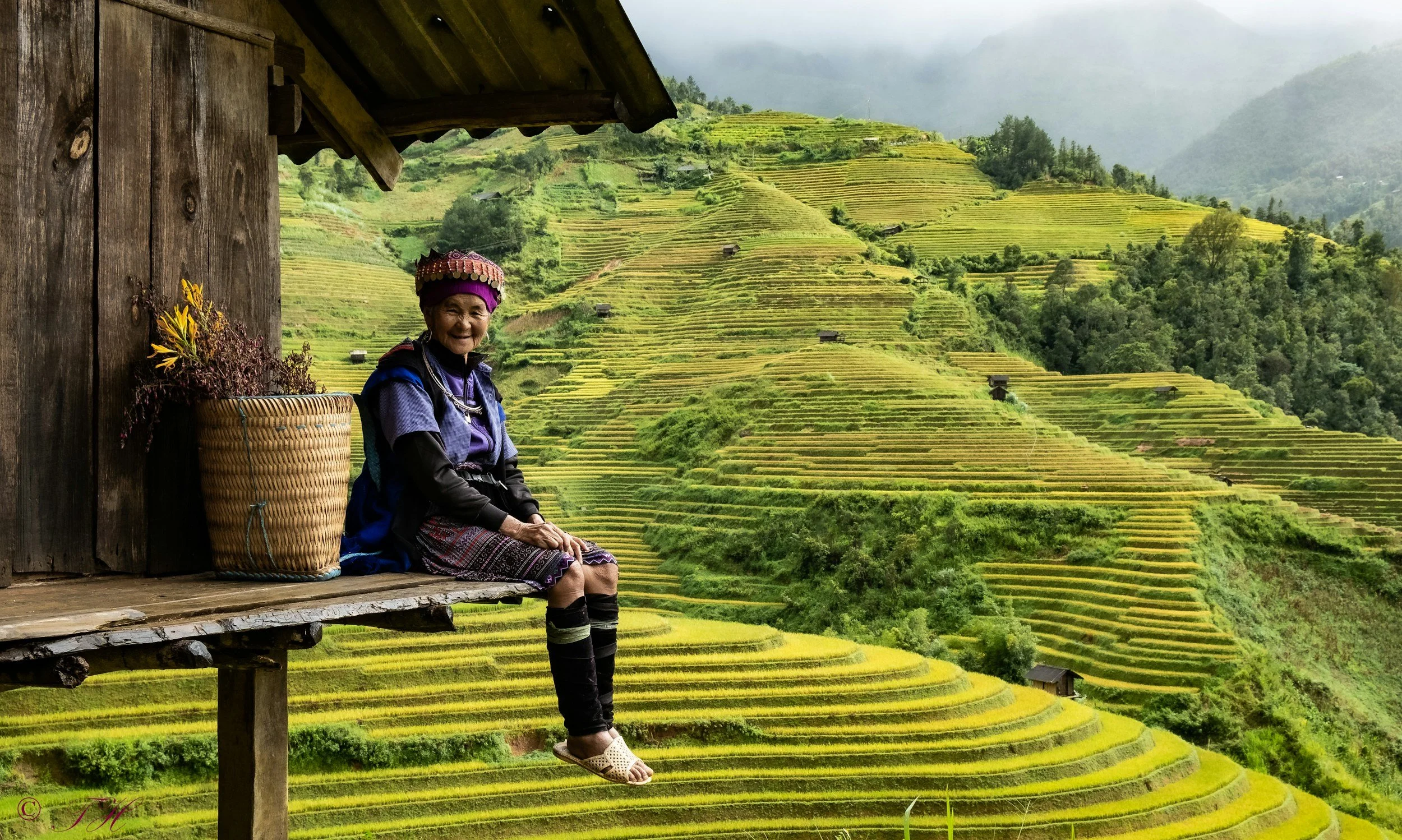
February to April is our most recommended window for a first Vietnam journey covering the full length of the country. The north is cool and clear, the central coast including Hoi An and Hue is at its finest and the south is dry and comfortable. Ha Long Bay is at its most atmospheric in the cooler months and the rice terraces of Sapa are extraordinary in the spring light.
November to January is excellent for the south and central regions. Ho Chi Minh City, the Mekong Delta and the beaches of Nha Trang are all at their best during this period and the Christmas and New Year season brings a particular energy to the cities. The north can be cool and misty during this window which suits those drawn by the mountain landscape of Sapa.
May to August is the dry season in the north and the best window for Hanoi and Sapa, though the central coast experiences its wettest months during this period. Those focusing on the north and planning to end in Ho Chi Minh City can structure an itinerary around this seasonal difference effectively.
September to October brings the tail of the monsoon to the north and some of the most extraordinary rice terrace scenery of the year to Sapa and the surrounding highlands, as the terraces reach full ripeness and the landscape turns gold and green simultaneously. The shoulder season across the rest of the country makes this one of the best value windows for the full Vietnam journey.
DISCOVER VIETNAM’S REGIONS
From the extraordinary limestone karsts of Ha Long Bay and the ancient trading port of Hoi An to the imperial heritage of Hue, the street food energy of Hanoi and Ho Chi Minh City and the extraordinary river life of the Mekong Delta, each region of Vietnam offers a completely distinct private journey.
HANOI: THE ANCIENT CAPITAL
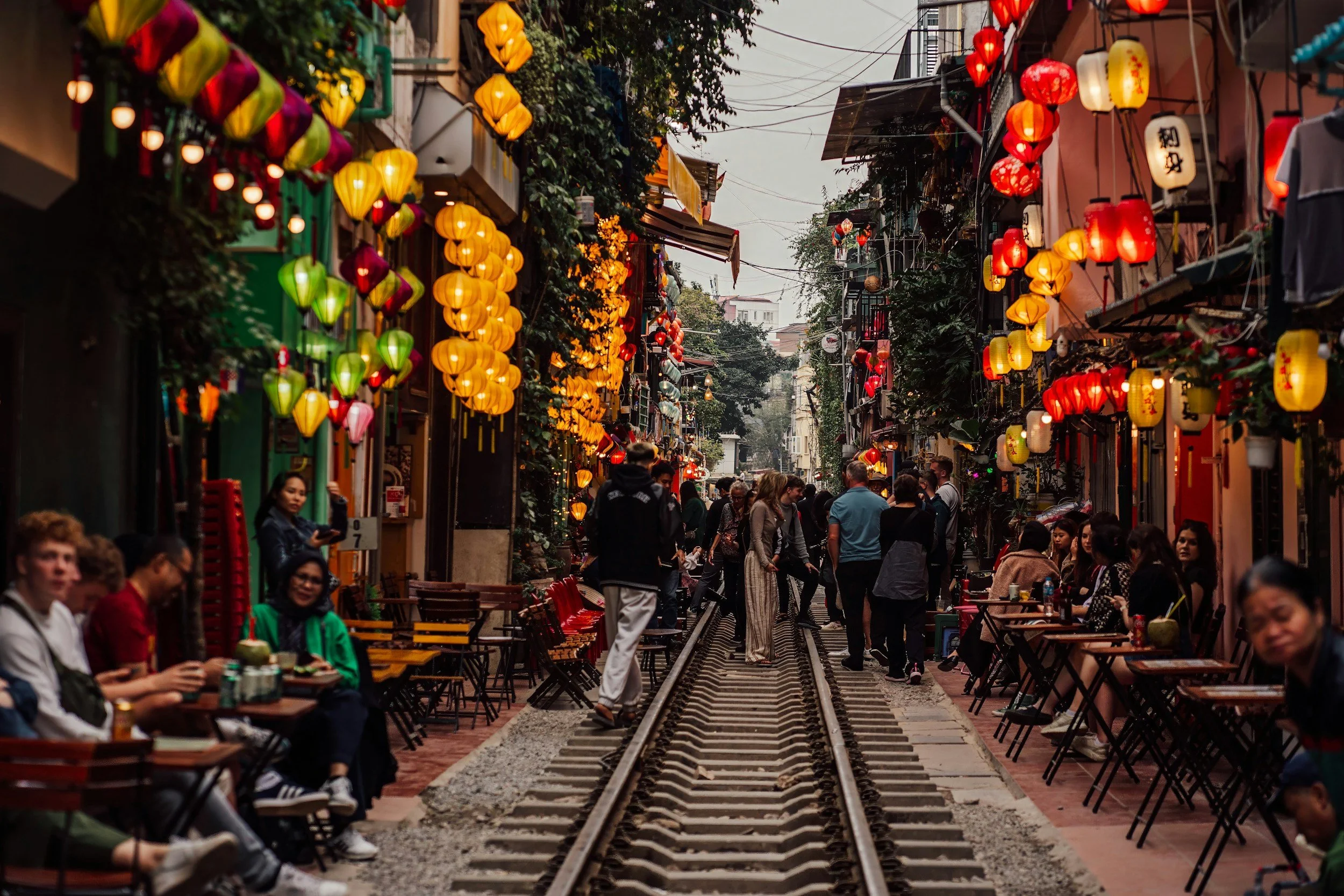
Hanoi carries its history more visibly than almost any other capital in Southeast Asia, a city of French colonial boulevards, ancient temples and the extraordinary street life of the Old Quarter, where thirty-six streets each historically dedicated to a single trade create a neighbourhood of extraordinary visual and sensory density. Getting beneath the surface means arriving early, moving on foot and having a guide who knows which café occupying a colonial building has been there for three generations and which street corner tells the story of the city most honestly.
HA LONG BAY: THE KARST SEASCAPE
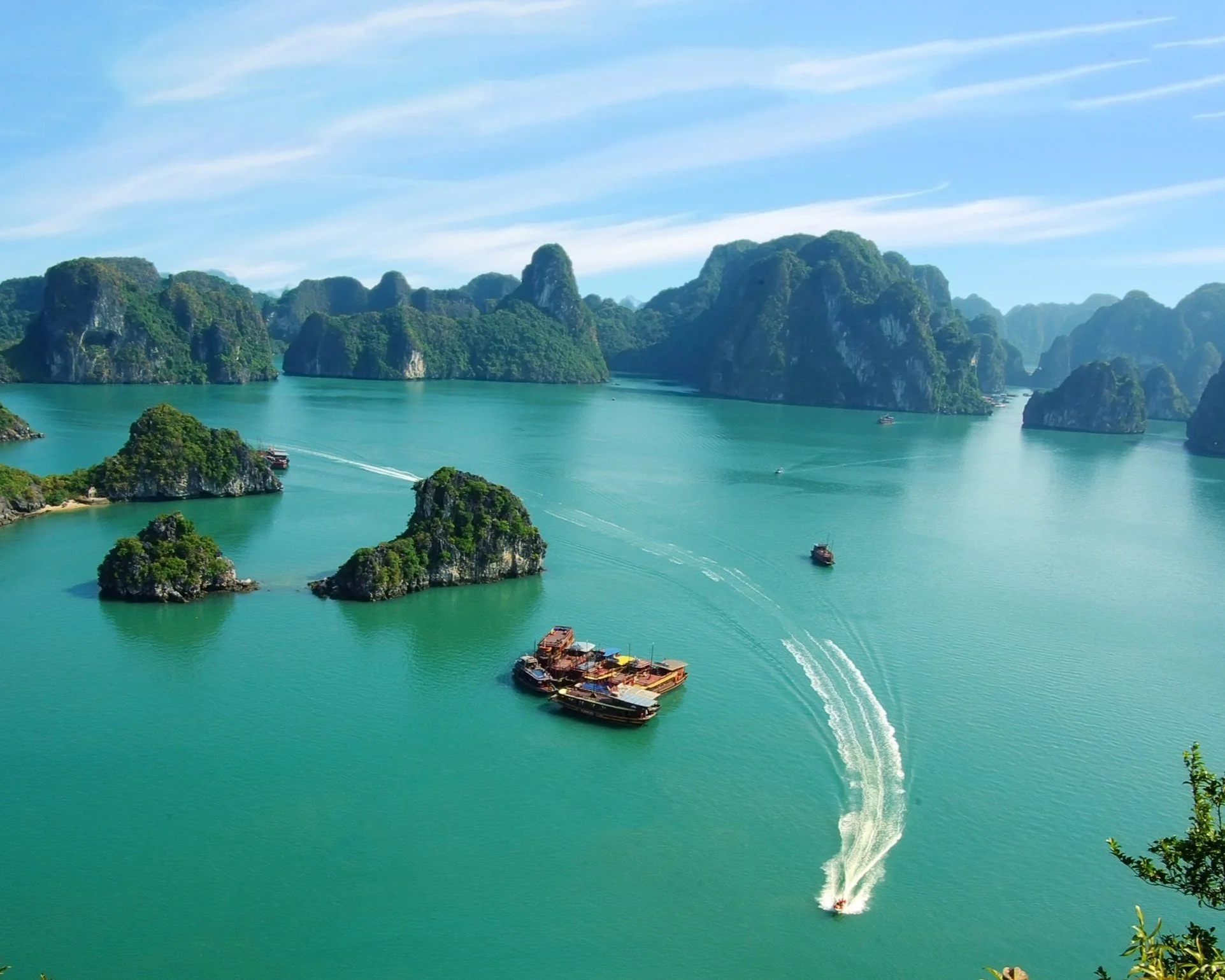
The limestone karsts of Ha Long Bay, nearly two thousand islands rising from the Gulf of Tonkin in shapes that seem improbable until you are sailing between them, are one of the most extraordinary natural landscapes in Southeast Asia. Experiencing them properly means a private vessel rather than a shared cruise, moving between the islands at your own pace, anchoring in bays that the larger boats cannot reach and kayaking into caves and lagoons that are accessible only from the water.
HUE: THE IMPERIAL CITY
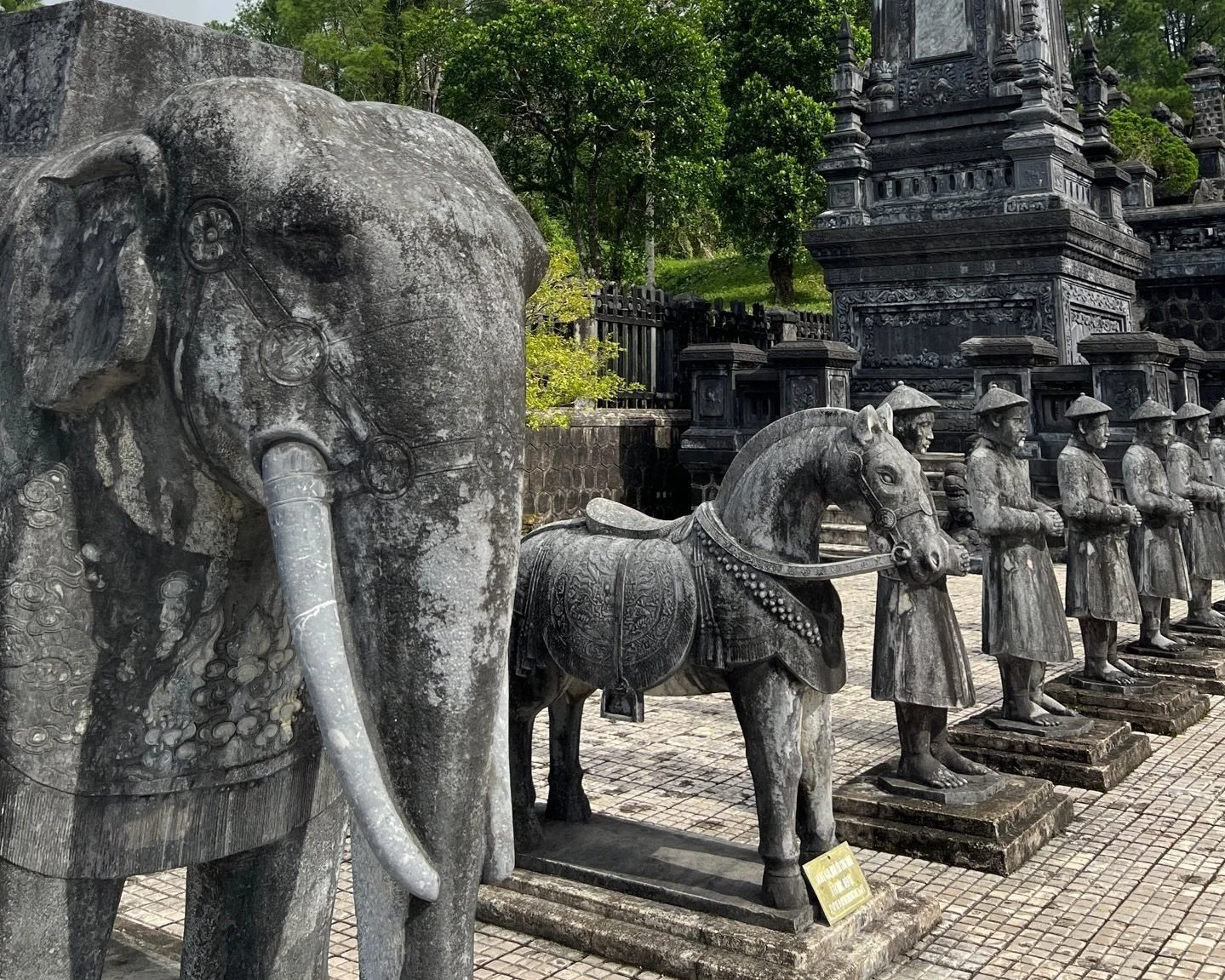
Hue was the capital of unified Vietnam for over a century and the seat of the Nguyen dynasty, and the Imperial Citadel, the royal tombs in the hills outside the city and the extraordinary cuisine that developed in the royal kitchens of the court make it one of the most historically and gastronomically rewarding destinations in the country. A private Hue experience moves between the monuments and the market at a pace that the city's depth deserves.
HOI AN: THE ANCIENT PORT
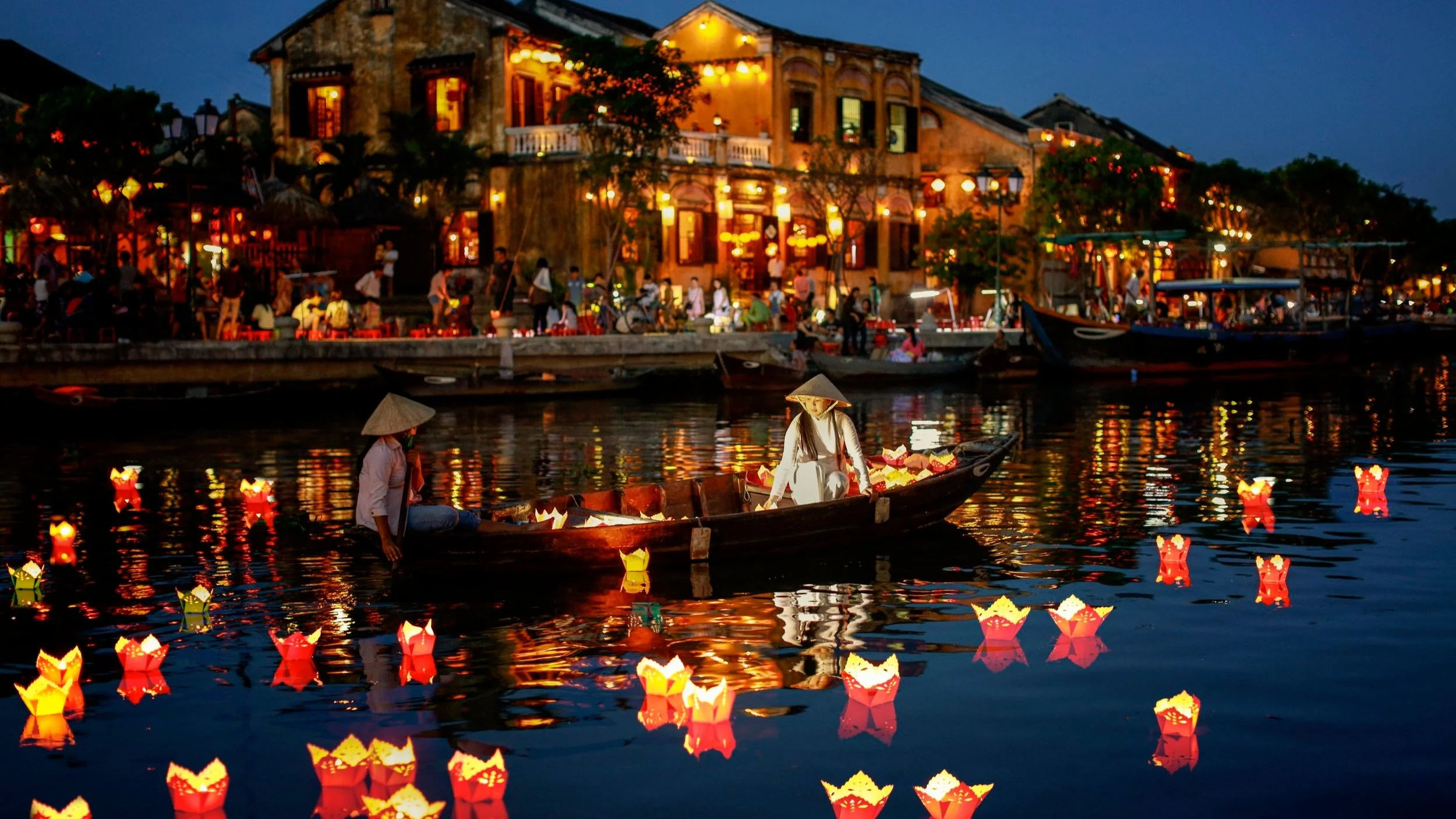
Hoi An is the finest preserved ancient trading port in Southeast Asia, a UNESCO World Heritage town of merchant houses, assembly halls and lantern-lit streets that carries the accumulated character of the Japanese, Chinese and European traders who shaped it across five centuries. The tailors, the lantern makers, the boat builders and the extraordinary food culture of a city that produced cao lau, white rose dumplings and the finest banh mi in Vietnam all reward those who go slowly and go often.
HO CHI MINH CITY: THE CITY THAT NEVER STOPS
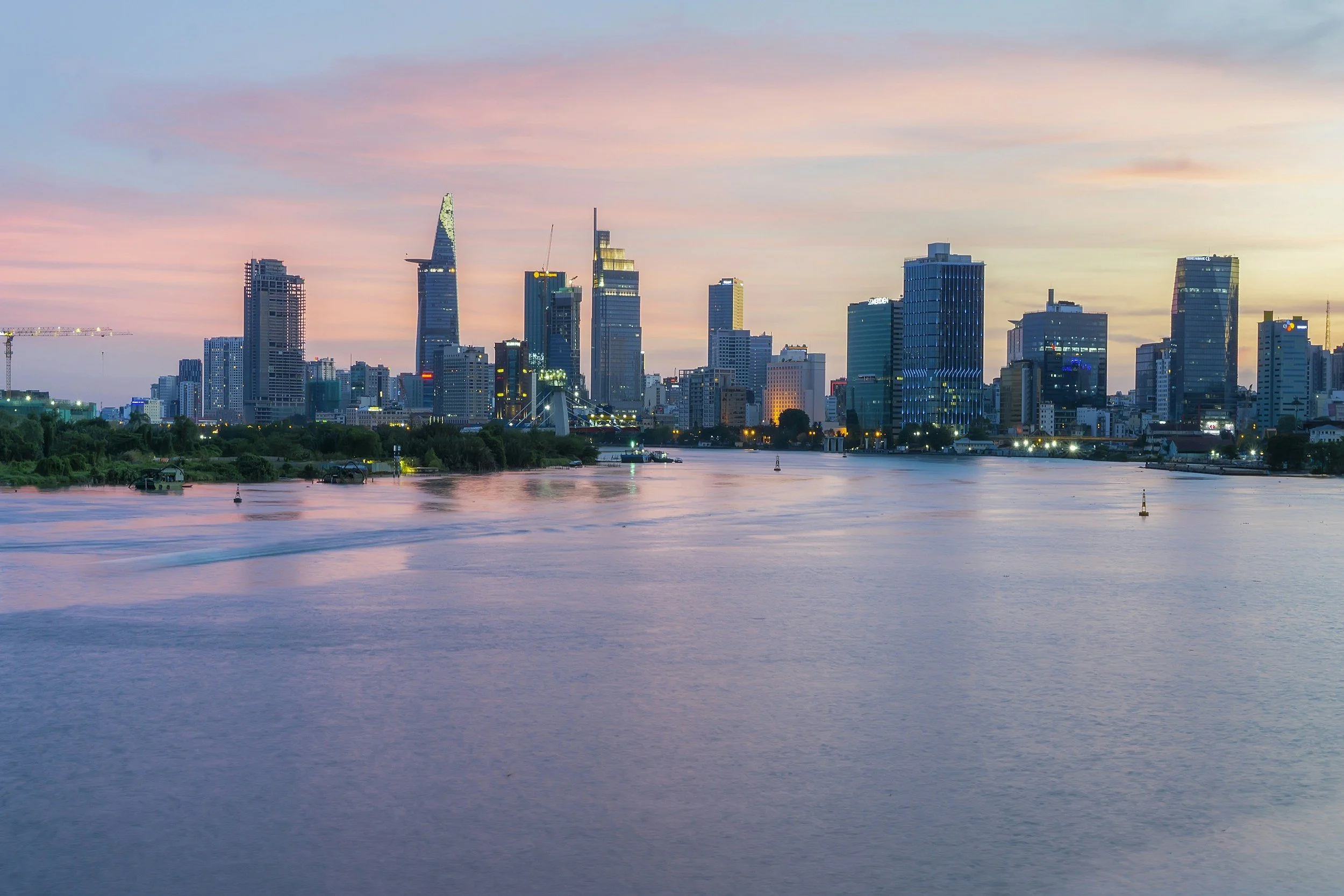
Ho Chi Minh City operates at an intensity that is unlike any other city in Vietnam, a metropolis of motorbikes, street food, rooftop bars and the extraordinary collision of history visible in the War Remnants Museum, the Reunification Palace and the French colonial architecture that survived both conflicts. A private experience here moves between the historical layers and the contemporary energy with a guide who understands both without sentimentality.
MEKONG DELTA: THE RIVER THAT FEEDS THE COUNTRY
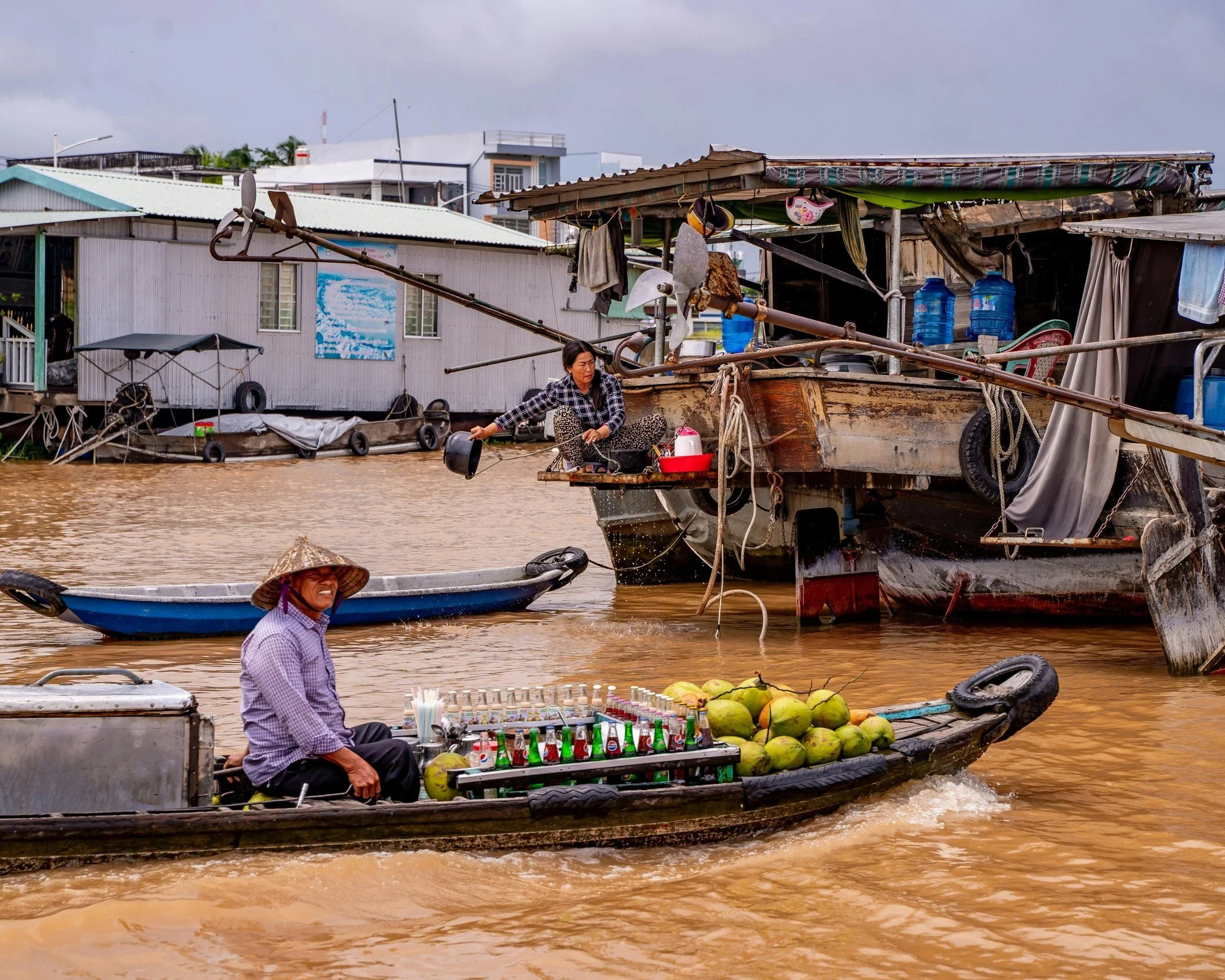
The Mekong Delta in the far south of Vietnam is where the great river that drains half of mainland Southeast Asia reaches the sea through a labyrinth of channels, floating markets and rice paddies that sustain the densest agricultural population in the country. A private boat through the smaller channels, away from the tourist routes, into the life of the riverside communities and the extraordinary fruit orchards and fish farms of the delta, reveals a Vietnam that has almost nothing in common with the cities to the north.
Signature Experiences in VIETNAM
Vietnam rewards those who go beyond the obvious and allow a private guide to design something genuinely their own. From a Vespa food tour through the street food energy of Ho Chi Minh City and a private junk through the limestone karsts of Ha Long Bay to a cycling tour of Hanoi's old neighbourhoods and a cocktail hidden inside a Hoi An courtyard that nobody else has found, these are the moments we build every Vietnam journey around.

VESPA FOOD TOUR IN HO CHI MINH CITY
Ho Chi Minh City eaten from the back of a Vespa, moving through the neighbourhoods that the walking tours do not reach, stopping at the street food stalls that the city's own residents eat at after dark, is one of the most vivid and most specifically Vietnamese experiences available anywhere in the country. A guide who knows which vendor makes the finest banh mi in District 3 and which rooftop has been pouring Vietnamese iced coffee for forty years makes the entire difference between a tour and an experience.
PRIVATE CRUISE OF HA LONG BAY
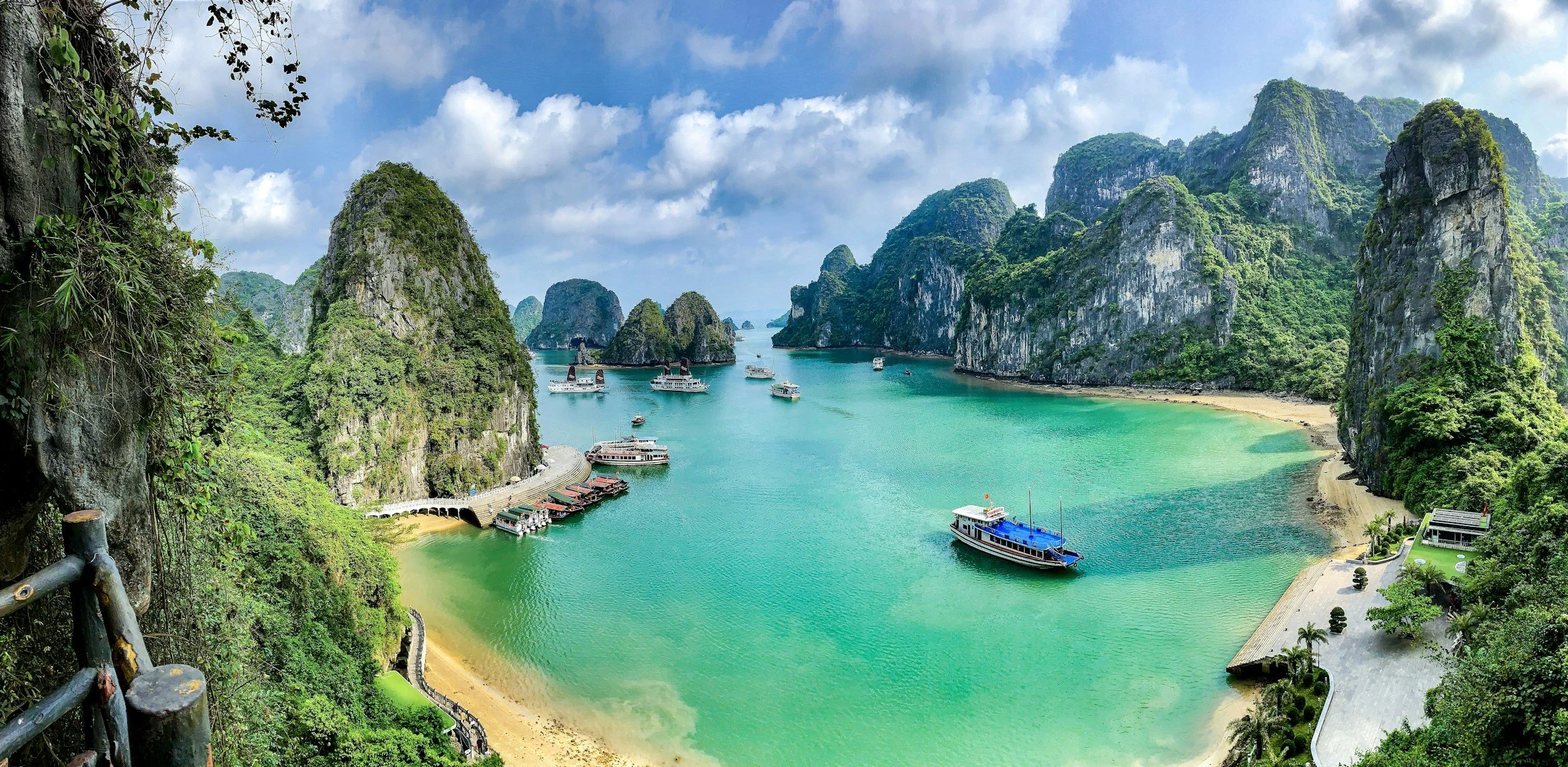
Ha Long Bay on a private vessel, moving between the limestone karsts at your own pace and anchoring in bays that the shared cruise boats cannot reach, is the only way to experience one of the world's great natural landscapes without the noise and the schedule of the tourist circuit. Kayaking into the caves and hidden lagoons that are accessible only from the water, at the hour when the light is best, requires a captain who knows these waters and a boat that belongs entirely to you.
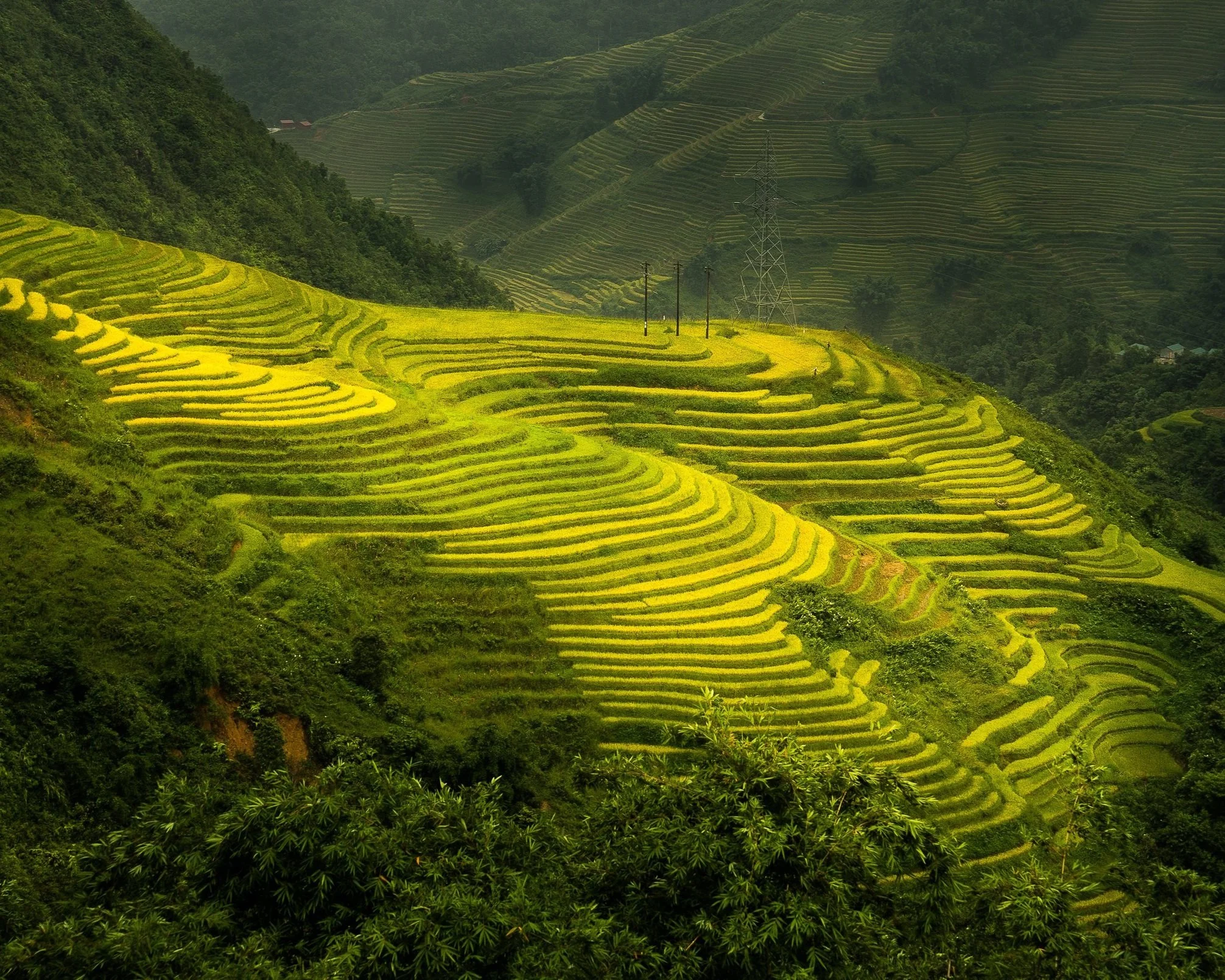
HIKING IN SAPA
The rice terraces of the Sapa highlands, carved into mountain slopes by the Hmong and Dao ethnic minorities over centuries, are among the most extraordinary agricultural landscapes in Asia and the hiking trails that move between the villages reveal a minority culture that has preserved its traditions, its textiles and its relationship with the land in ways that the lowland culture of Vietnam cannot. A private guide from one of the local communities changes the walk from trekking to genuine connection.
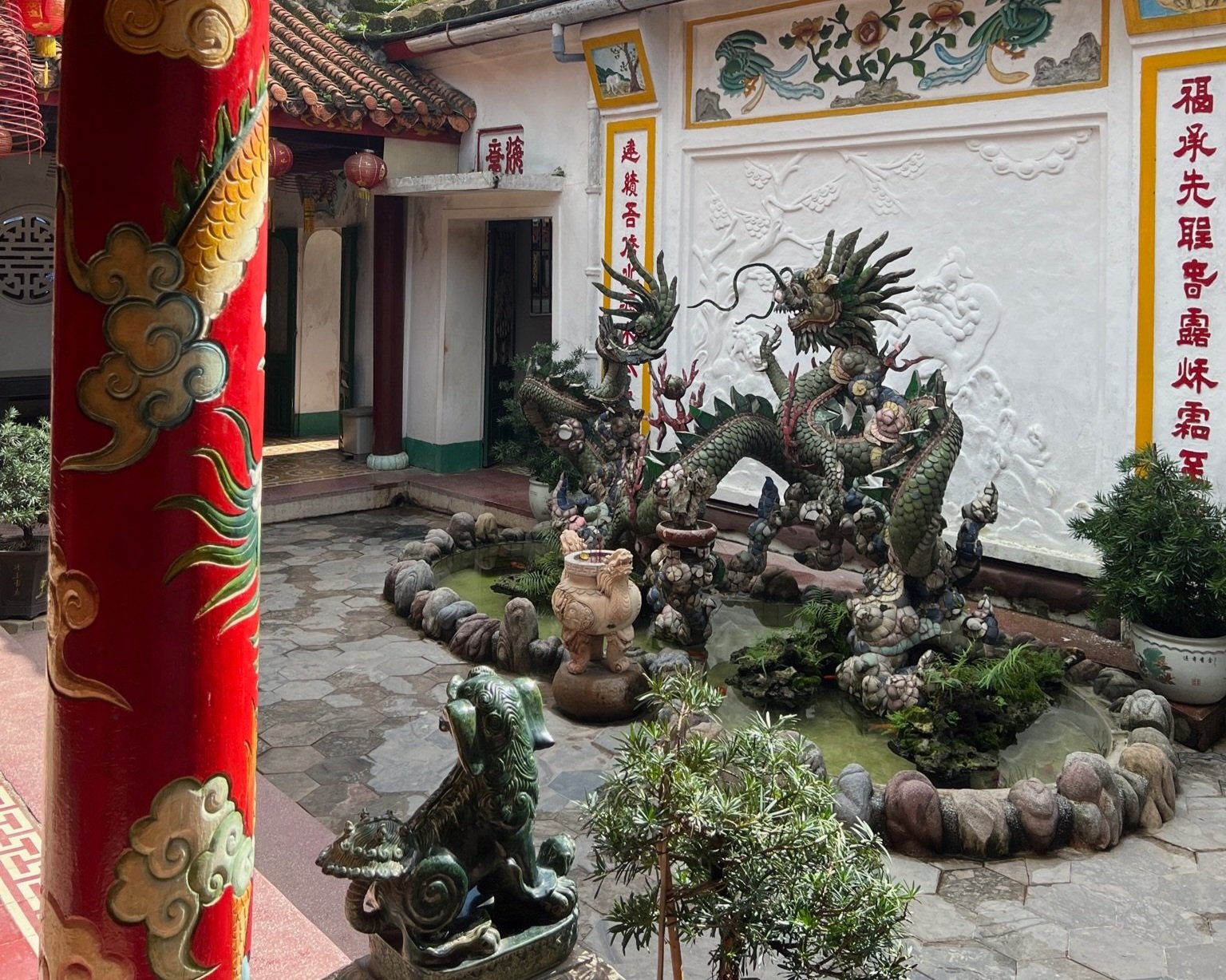
WALKING TOUR WITH SECRET COCKTAILS IN HOI AN
Hoi An's ancient streets contain courtyards, rooftop terraces and garden bars that are invisible from the street and known only to those with local connections. A private evening walking tour that moves through the historic centre stopping at a sequence of hidden bars and courtyards, each one revealing a different layer of the city's five-century history of hospitality, ending with a cocktail on a rooftop above the lantern-lit river, is one of the most specifically pleasurable evenings available anywhere in Vietnam.
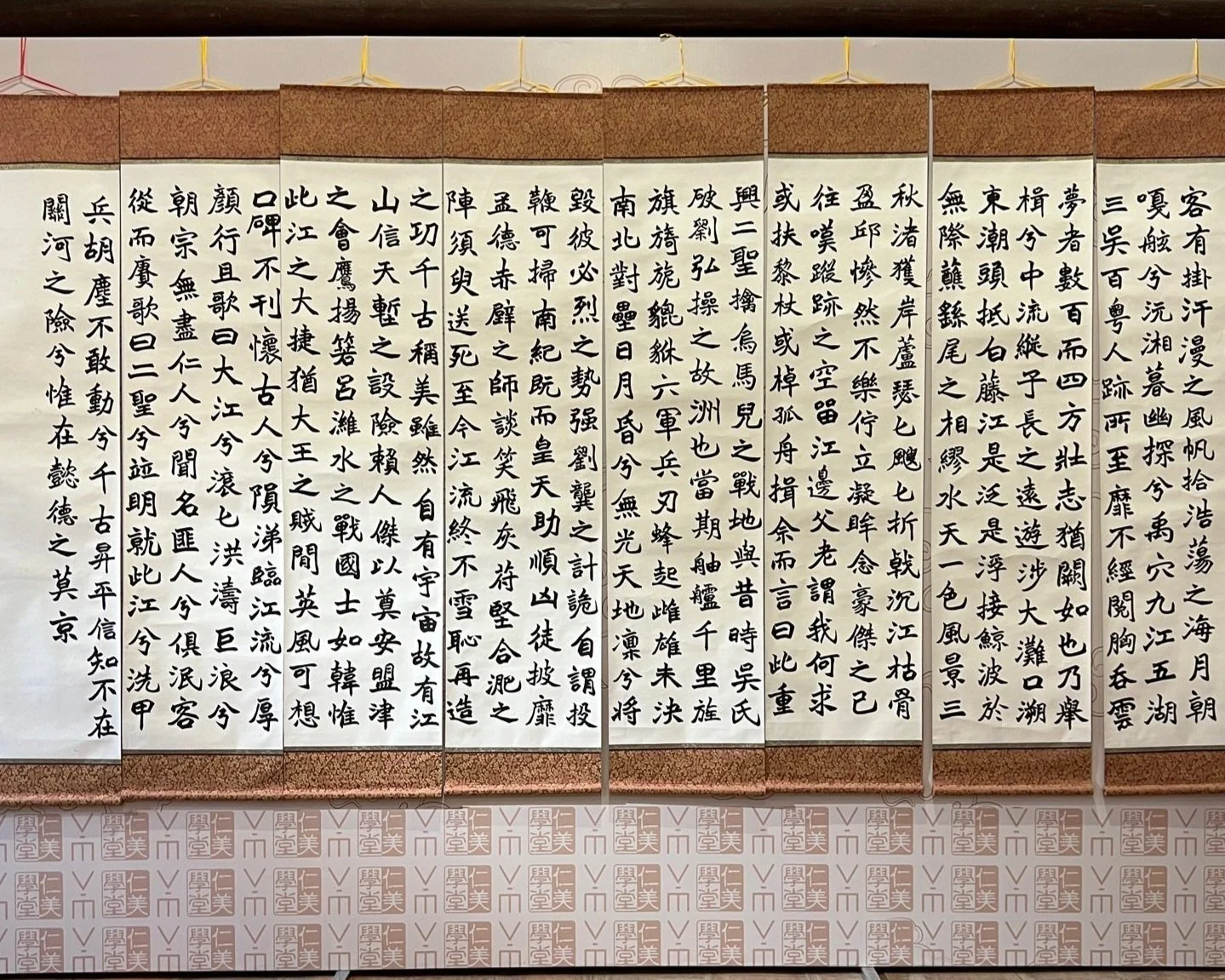
CYCLING THROUGH HANOI
Hanoi on a bicycle, moving through the Old Quarter at the pace that reveals its specific logic, stopping at the street food stalls and the neighbourhood temples and the French colonial buildings that tell the story of a century of occupation and resistance, is one of the finest urban cycling experiences in Southeast Asia. The early morning, when the city exercises by the lakes and the markets are at their most alive, is the right time to be on a bike in Hanoi.
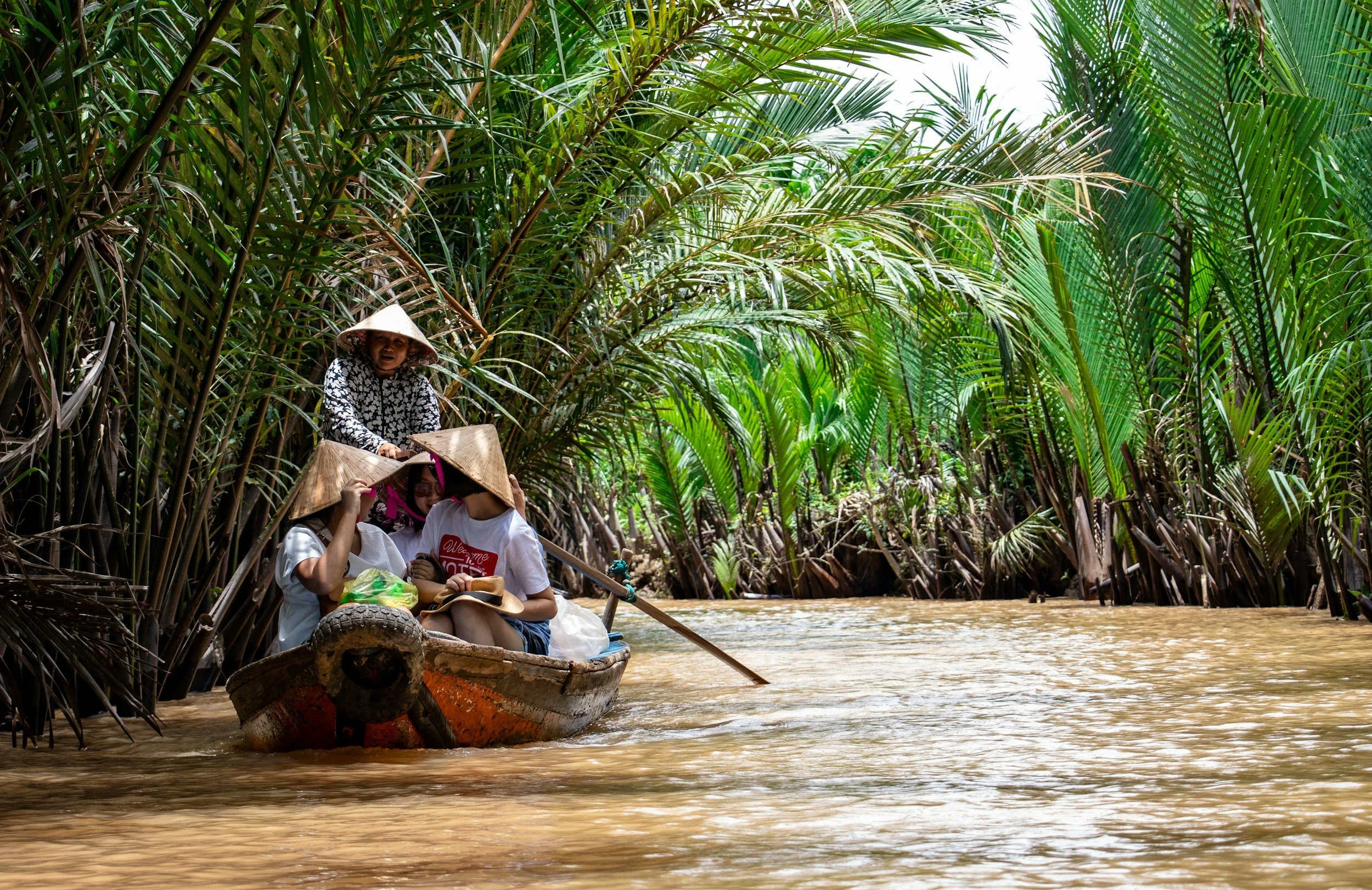
CRUISING THE MEKONG DELTA
A private boat through the smaller channels of the Mekong Delta, away from the tourist floating markets and into the life of the riverside villages, the fruit orchards and the fish farms that sustain the delta's extraordinary agricultural culture, reveals a Vietnam of genuine depth that the cities and the coastline cannot provide. The specific quality of the light on the water in the late afternoon, moving through channels so narrow the trees touch overhead, is something that stays with you.
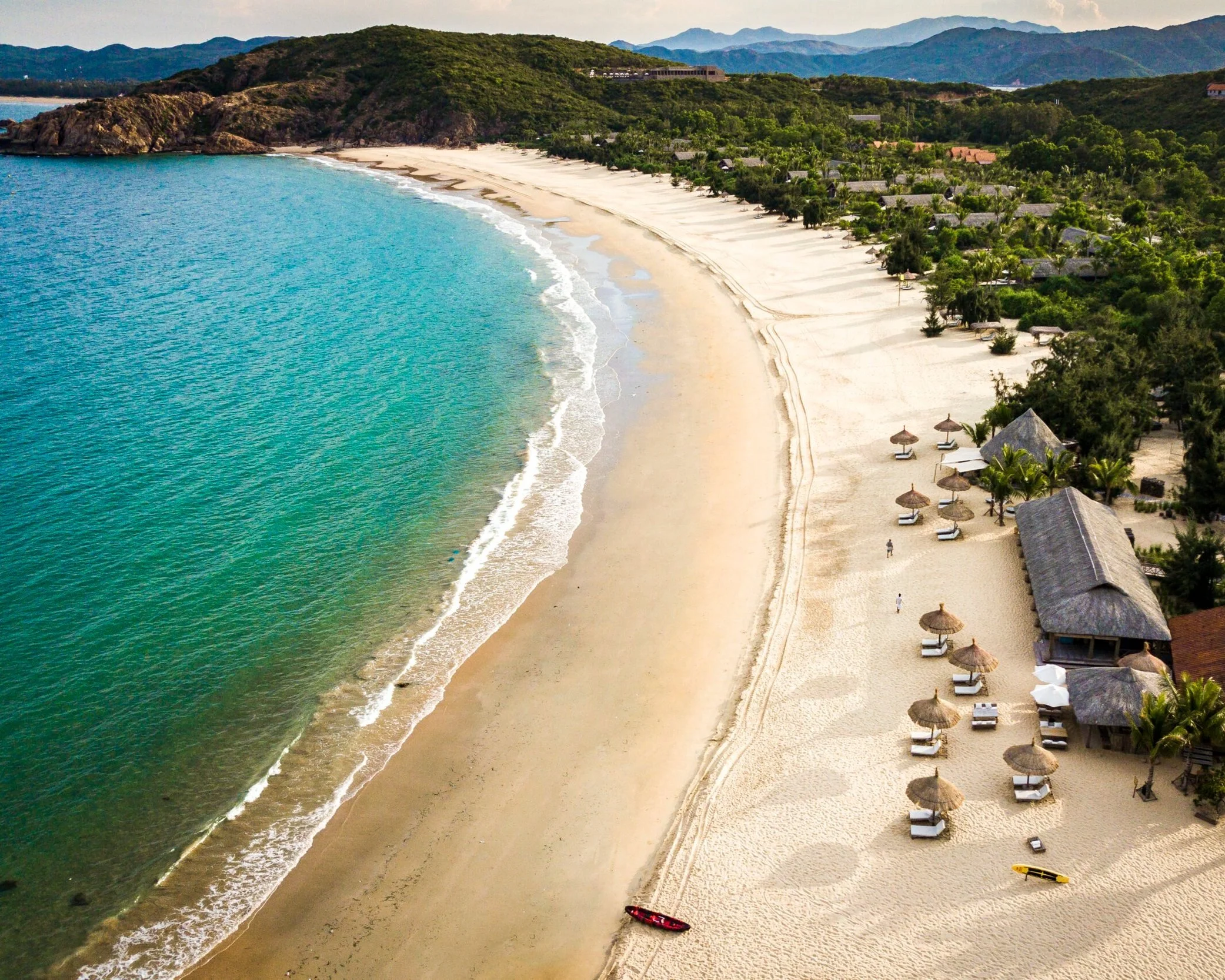
BEACH IN NHA TRANG
Nha Trang's coastline, away from the resort strip, contains bays of extraordinary beauty that are accessible by private boat and almost entirely empty outside the Vietnamese domestic holiday season. A private beach day, anchoring in a bay with clear water and limestone outcrops, snorkelling the coral reef and eating freshly caught seafood on board, is one of the most restorative experiences available along Vietnam's extraordinary coastline.

CU CHI TUNNELS
The Cu Chi tunnel network, two hundred kilometres of underground passages used by Viet Cong fighters during the Vietnam War, is one of the most extraordinary feats of human engineering and endurance in modern history. A private visit with a specialist guide who can explain the specific history of the tunnels, what life underground was like for the communities who lived in them for years, and how the tunnel system changed the course of the war, gives this extraordinary site the depth and the gravity it deserves.
Frequently Asked Questions About Traveling to vietnam
-
Vietnam's length means that different regions have different optimal seasons. February to April is our most recommended window for a full north to south journey covering Hanoi, Ha Long Bay, Hue, Hoi An and Ho Chi Minh City. November to January is excellent for the south and central regions. May to August suits those focusing on the north and Sapa. September and October offer the finest rice terrace scenery in Sapa and excellent shoulder season conditions across the rest of the country.
-
We recommend a minimum of twelve days for a first Vietnam journey covering Hanoi, Ha Long Bay, Hue or Hoi An and Ho Chi Minh City. Those wanting to add Sapa, the Mekong Delta and the beaches of Nha Trang should plan for sixteen to eighteen days. Vietnam's domestic flight network is efficient and connects all major destinations quickly.
-
Domestic flights connect Hanoi, Da Nang for Hoi An and Hue, and Ho Chi Minh City efficiently and are the right way to cover the significant distances involved. The overnight train between Hanoi and Da Nang is one of the finest train journeys in Southeast Asia for those with more time. Private road transfers are used for shorter journeys including Ha Long Bay from Hanoi and the Mekong Delta from Ho Chi Minh City.
-
Vietnamese cuisine varies dramatically by region and bears almost no resemblance to the Vietnamese food served in restaurants outside the country. Hanoi's pho, bun cha and cha ca are entirely different from the cao lau and white rose dumplings of Hoi An or the banh mi and broken rice dishes of Ho Chi Minh City or the royal cuisine of Hue. We weave private food tours, market visits and street food experiences into every Vietnam itinerary for those who want to eat the country seriously.
-
Vietnam offers visa-free entry for many nationalities including US and UK passport holders for stays of up to 45 days. E-visas are available for longer stays and we always confirm the latest entry requirements for your specific passport before travel as Vietnamese visa policy has changed frequently in recent years.
-
Vietnam is a very safe destination for international visitors and one of the most welcoming in Southeast Asia. The areas covered on a private luxury itinerary are all well-established for international travel. A private guide and privately arranged transfers ensure the most comfortable and secure experience throughout.
-
Vietnam pairs naturally with Cambodia for a broader Indochina journey, combining the ancient temples of Angkor with the street food culture and river life of Vietnam. It also combines well with Thailand or Indonesia for those designing a comprehensive Southeast Asia circuit. We design all multi-country itineraries as fully private and tailor-made.
-
Vietnam is increasingly navigable independently but its greatest experiences require local knowledge that cannot be replicated from a guidebook. The private junk that anchors in a Ha Long Bay lagoon inaccessible to shared boats. The Hoi An courtyard bar that has no street presence and no listing online. The Mekong Delta channel that leads into a community of extraordinary warmth and extraordinary food that no tour itinerary has ever included. Vietnam's greatest depth is available to those who arrive with the right person beside them.
Plan Your VIETNAM Journey
Vietnam is a country of extraordinary variety and the journey we design for you will reflect exactly which version of it calls to you most. Tell us whether you are drawn by the karst seascape of Ha Long Bay, the ancient streets of Hoi An, the food culture of the cities or the mountain landscapes of the north, and we will build your Vietnam journey from the first conversation.