

Luxury Private Tours in CROATIA
A thousand islands. Roman amphitheatres. The most beautiful coastline in the Mediterranean.
Our tailor-made private tours combine expert local guides, handpicked boutique stays and curated experiences, from a private yacht through the Adriatic islands and sea kayaking beneath the walls of Dubrovnik to oyster tasting on the Pelješac Peninsula, the truffle forests and Roman ruins of Istria, the lavender fields of Hvar and the extraordinary waterfalls of the national parks.
WHY VISIT CROATIA?
Croatia is one of the most visually extraordinary countries in Europe and one of the most varied for its size. The Dalmatian Coast, stretching over a thousand kilometres from the Istrian Peninsula in the north to the Bay of Kotor at the Montenegrin border, contains some of the finest sailing waters in the Mediterranean world, a string of islands of extraordinary beauty and clarity of water and a series of walled medieval cities that are among the finest surviving examples of Venetian and Roman urbanism in Europe. The food culture, built on the extraordinary seafood of the Adriatic and the specific winemaking tradition of Istria and Dalmatia that has been producing serious bottles largely unknown outside the region, is one of the most distinctive and most underrated in the Mediterranean.
What makes Croatia exceptional for the private traveller is the access that a private vessel provides to a coastline that is genuinely transformed by the ability to move between islands at your own pace. The beaches accessible only by boat, the oyster beds of the Pelješac Peninsula where the oysters are eaten straight from the water, the hidden cove on the south side of Hvar that the chartered boats cannot reach because their schedule does not allow it: Croatia's greatest pleasures are almost entirely water-based and they are available in their finest form only to those with their own vessel and their own captain.
Many travellers combine Croatia with Albania for a broader Adriatic journey, or extend into Slovenia and Montenegro for those wanting to explore the wider western Balkans.
Explore our full Europe hub for more inspiring destinations.
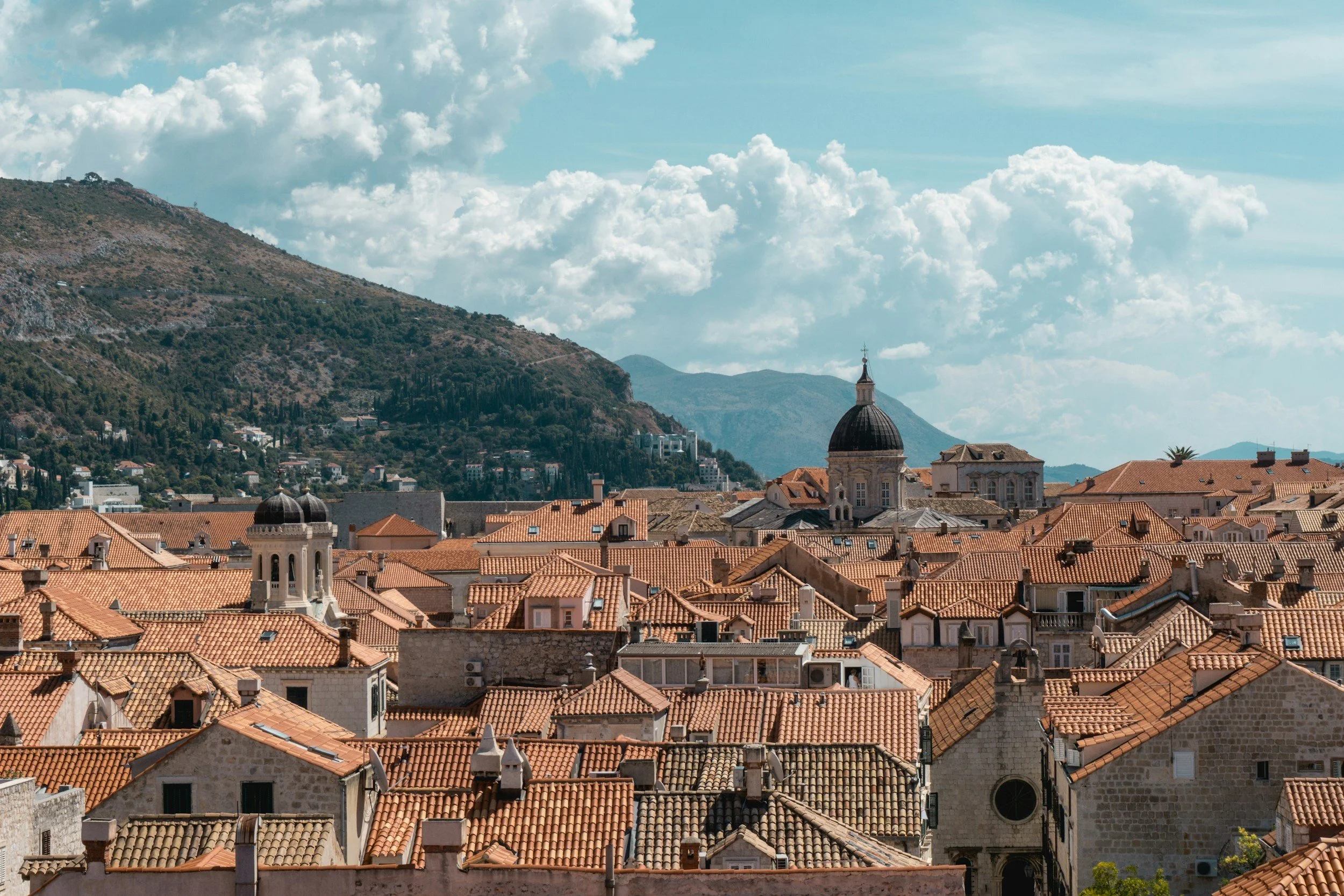
Best Time to Visit CROATIA
May to June is our most recommended window for Croatia. The Adriatic water is warm enough for swimming, the coastal towns are alive but not yet at peak capacity, the lavender fields of Hvar are beginning to bloom and the prices at the finest properties are below their summer peak. The light on the Dalmatian coast in June, long and golden in the evenings and extraordinarily clear on the water, is the finest available at any time of year.
September to October is the other exceptional window and in many ways the finer of the two for those who prefer warmth without crowds. The sea remains warm from the summer, the tourist numbers drop significantly after the school holidays end in late August and the coastal towns return to something closer to their genuine local character. The Istrian truffle season begins in September and the harvest continues through November, making autumn the finest window for those drawn by the food culture of the north.
July and August is peak summer season and the most crowded and most expensive period across the entire coast. The islands and the old cities are extraordinary regardless of the crowds and the specific energy of the Croatian summer, with its music festivals and outdoor dining and the particular atmosphere of the Adriatic in full season, has a genuine character of its own. A private vessel makes the summer experience significantly more manageable by providing access to beaches and anchorages the day-trip boats cannot reach.
Winter (November to April) is the finest season for understanding the old cities of Croatia without the context of summer tourism. Dubrovnik and Split in winter are genuinely atmospheric, their medieval streets returned to the residents and the specific quality of the Adriatic winter light giving the stone a warmth that the summer sun bleaches out. Istria in winter, with its truffle season and its extraordinary food culture, is one of the finest European food destinations at any time of year.
DISCOVER CROATIA’S REGIONS
From the extraordinary walled city of Dubrovnik and the Roman heritage of Split to the lavender island of Hvar, the oyster beds of the Pelješac Peninsula, the truffle forests and Roman ruins of Istria and the extraordinary waterfalls of the national parks, each region of Croatia offers a completely distinct private journey.
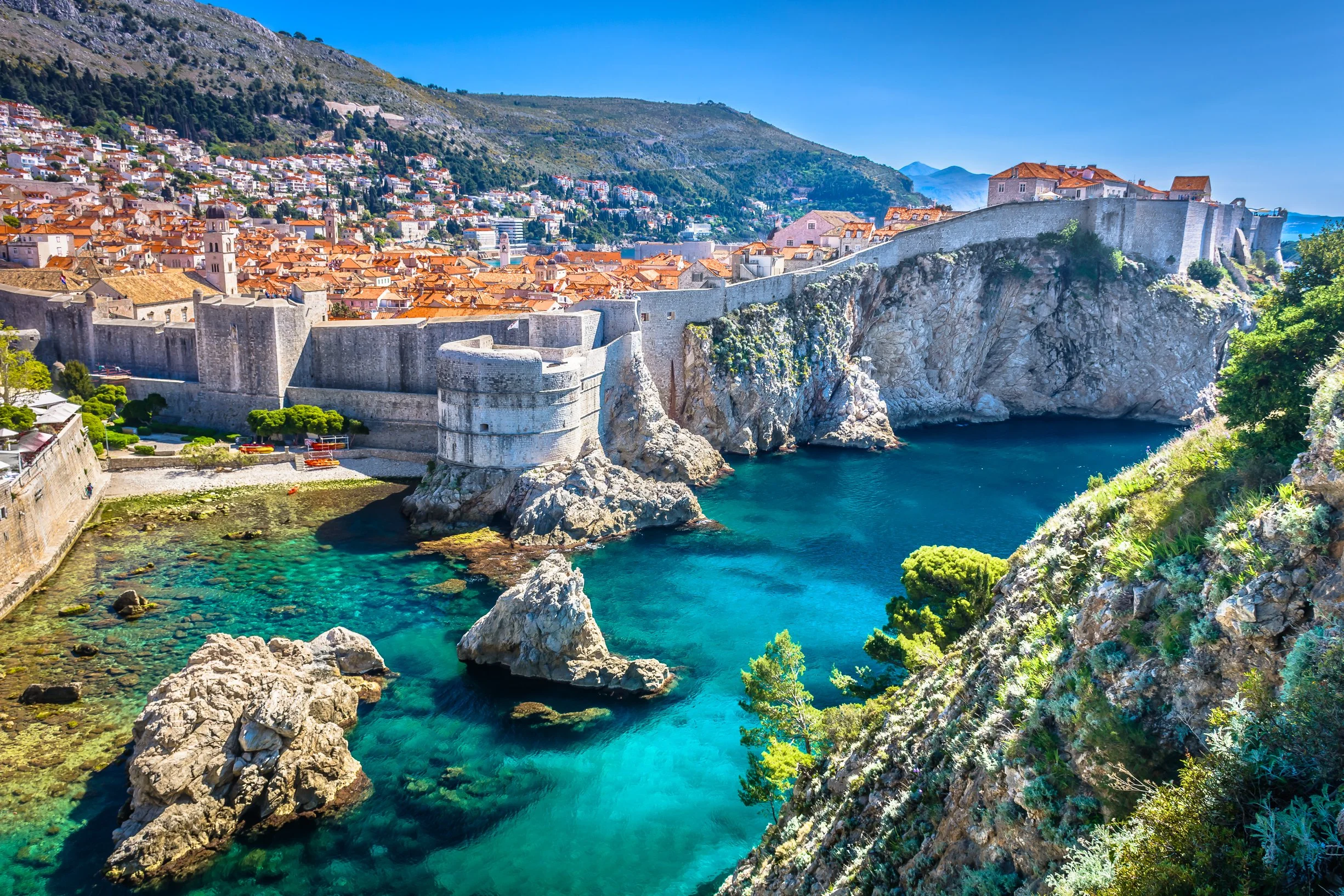
DUBROVNIK: THE PEARL OF THE ADRIATIC
Dubrovnik is one of the finest medieval walled cities in Europe, a republic of extraordinary independence and cultural sophistication that maintained its freedom for five centuries through diplomacy, trade and the specific quality of its stone walls. A private experience moves beyond the summer crowds of the main street into the neighbourhood life of the old city, the city walls walked at dawn before any other visitor has arrived, the sea kayaking routes that reveal the walls from the water and the Konavle Valley behind the city where the specific food and wine culture of southern Dalmatia is most honestly expressed.
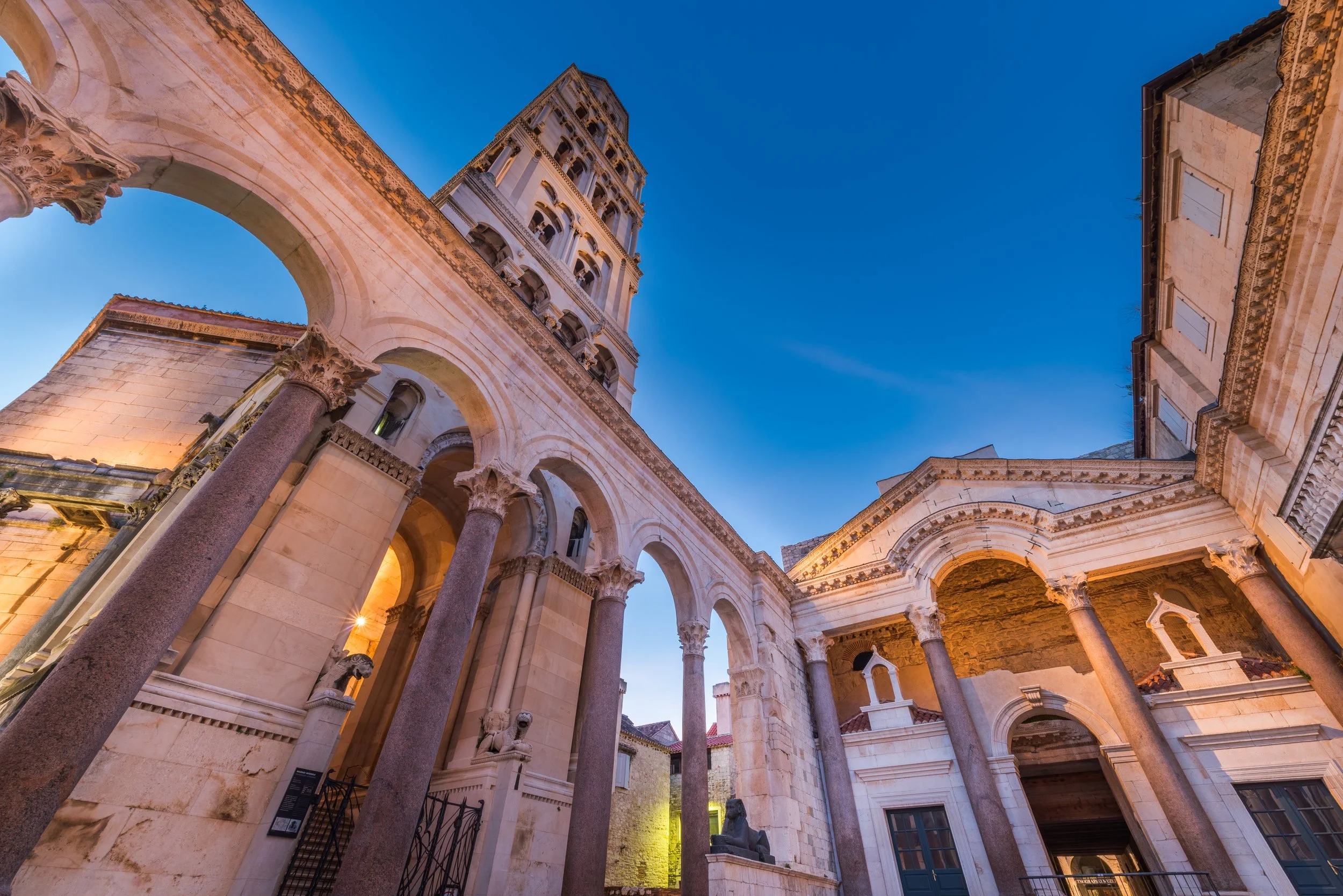
SPLIT: ROMAN GRANDEUR AND LIVING CITY
Split is the only ancient city in Europe built inside a Roman emperor's retirement palace and still entirely inhabited. Diocletian's Palace contains within its walls a living neighbourhood of restaurants, bars and apartments where Roman foundations and medieval additions coexist in a vitality that no open-air museum can replicate. A private experience combines the specific archaeology of the palace with the fish market and the waterfront promenade that define daily life in the most characterful city on the Dalmatian coast.
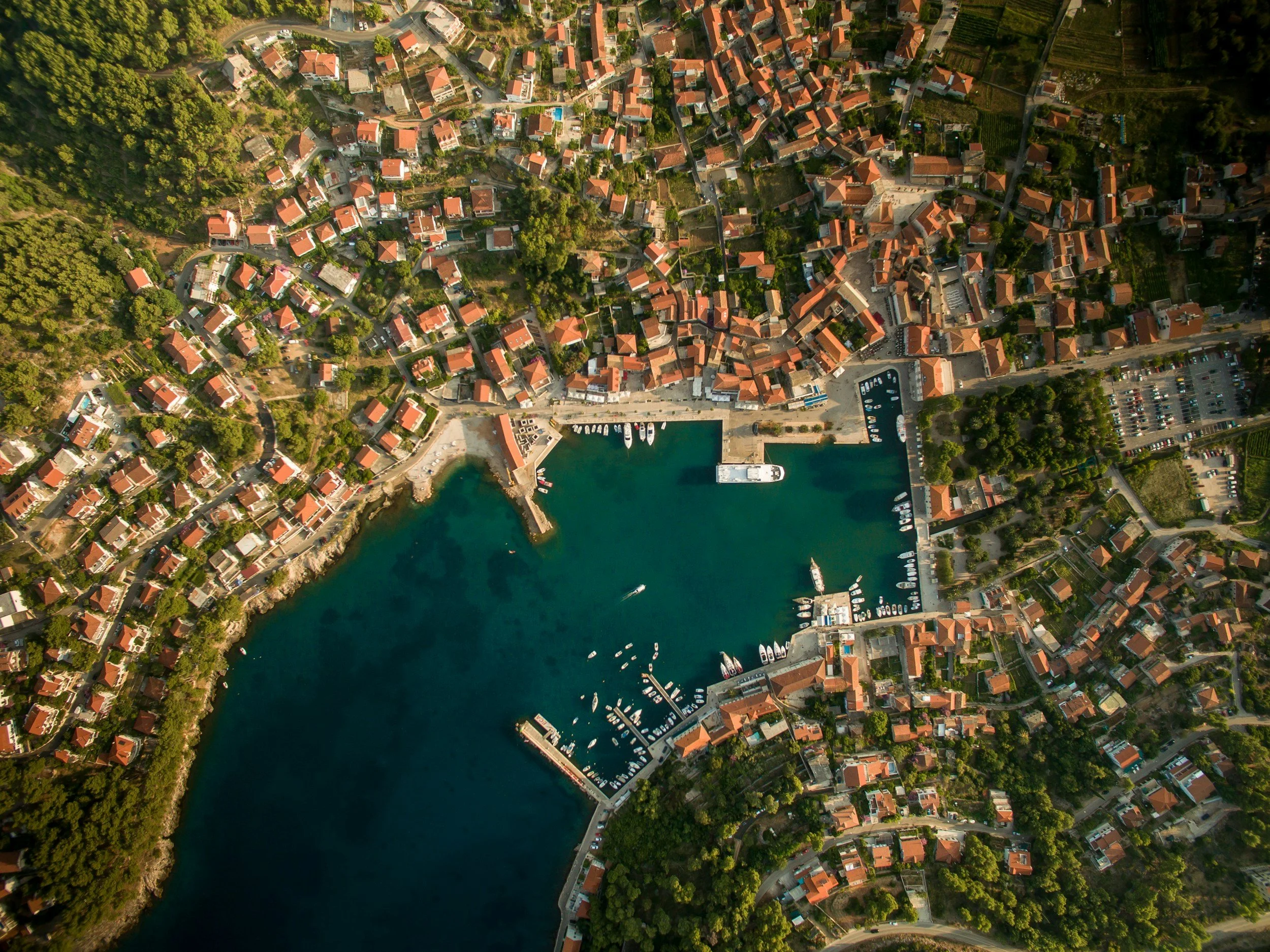
HVAR: LAVENDER, LIGHT AND THE ADRIATIC
Hvar is the sunniest island in Croatia and one of the most beautiful in the Adriatic, a long thin island of lavender fields, pine forests and extraordinary light. The interior, away from the harbour town, is a landscape of vineyards, olive groves and lavender plantations that have been producing essential oil for centuries, accessible on foot through hiking trails that reach the hidden coves and hilltop viewpoints that the day-trip boats never find.
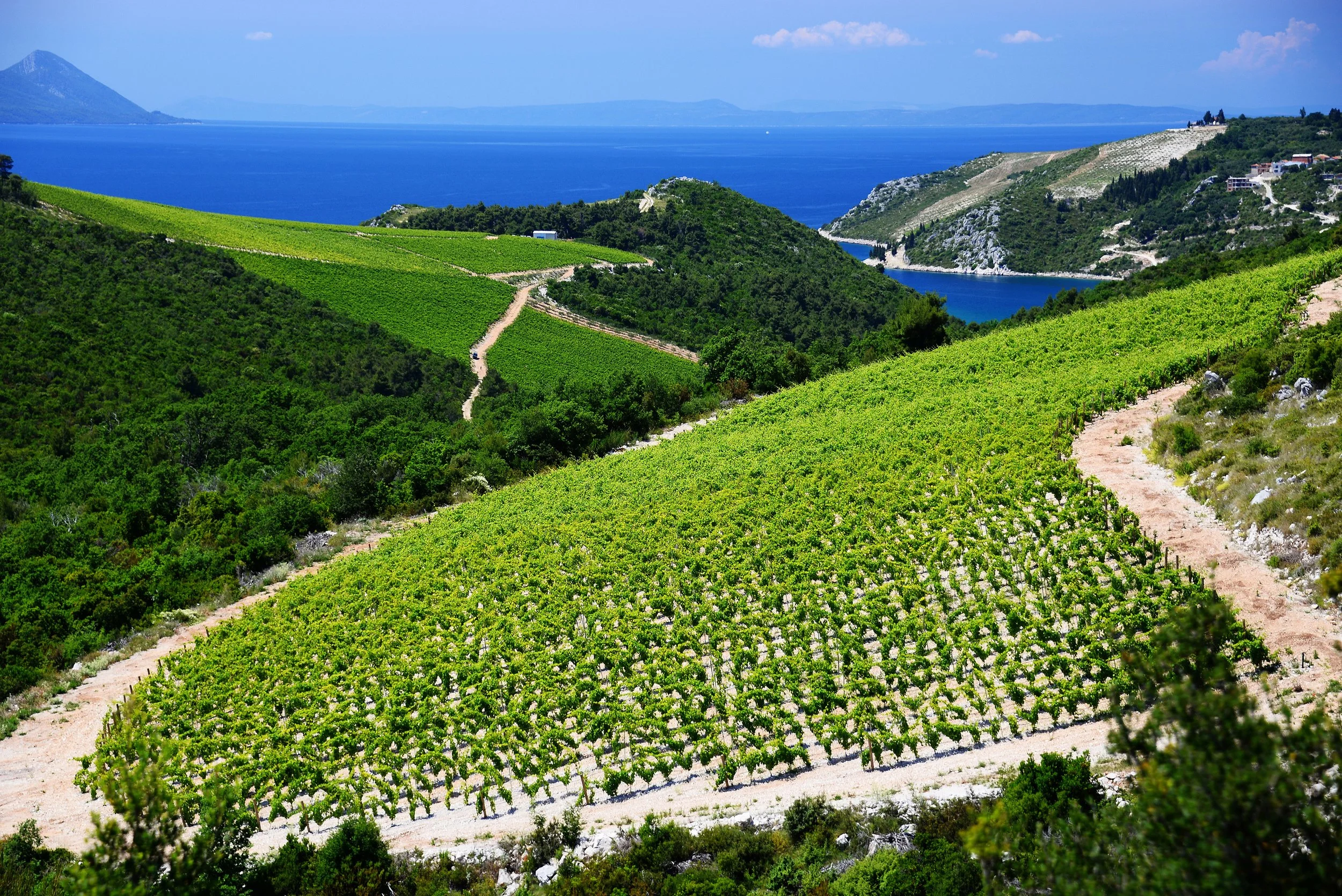
PELJEŠAC PENINSULA: OYSTERS, WINE AND MALI STON BAY
The Pelješac Peninsula contains within its forty kilometres two of the finest Croatian food and wine experiences available. The oyster beds of Mali Ston, cultivated since the Roman period in waters of extraordinary salinity and clarity, and the Dingač and Postup vineyards where Plavac Mali produces some of the finest red wines in the Adriatic on south-facing slopes above the sea, make Pelješac one of the most rewarding excursions from Dubrovnik.
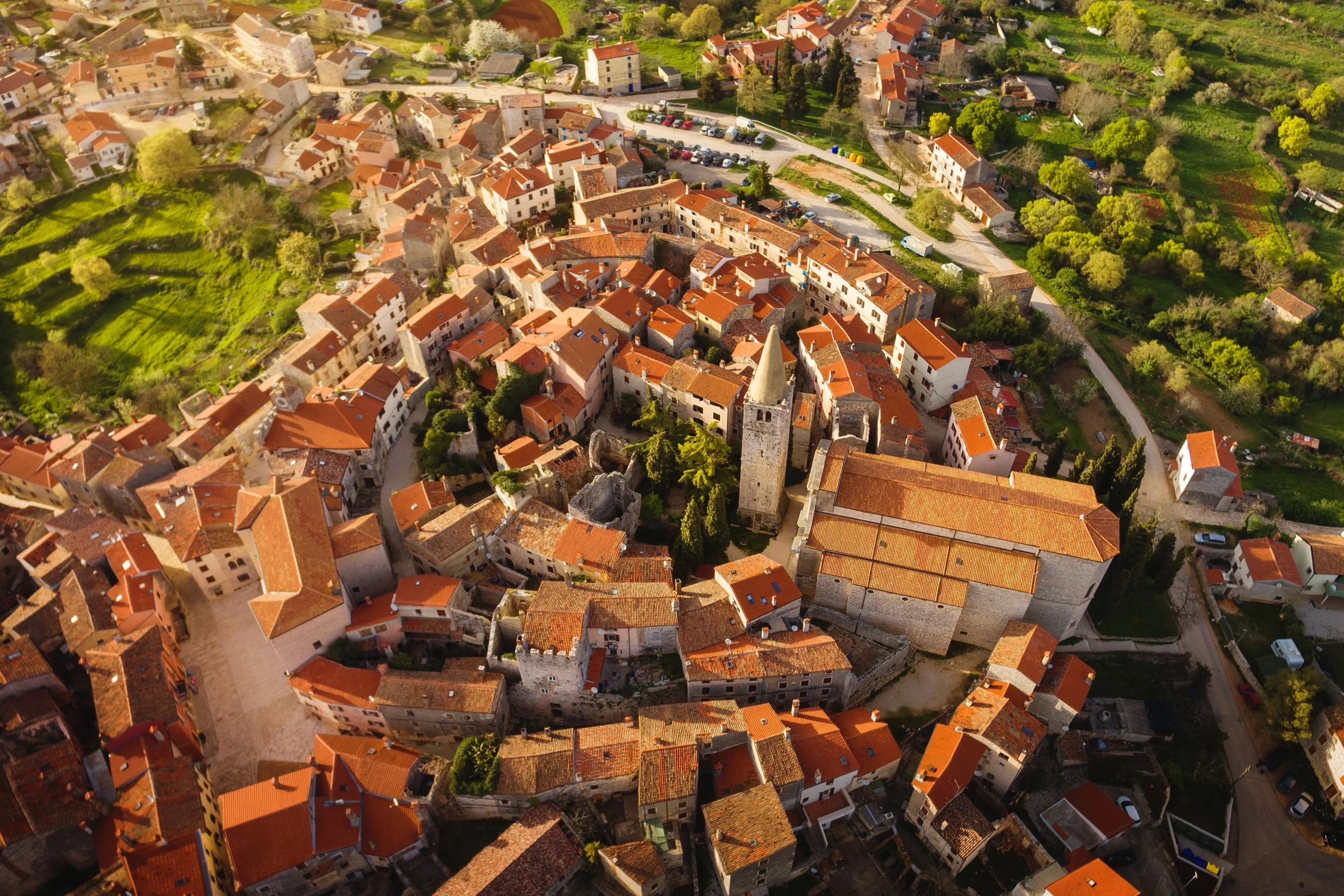
ISTRIA: TRUFFLES, ROMAN RUINS AND THE NORTHERN ADRIATIC
Istria is the most culturally complex region of Croatia, a peninsula that has been Venetian, Austro-Hungarian and Italian before becoming Croatian and that carries all of those identities in its architecture, cuisine and language. The truffle forests of the Motovun area, the Roman amphitheatre of Pula, the hilltop villages of the interior and the extraordinary wine culture of a region producing Malvazija and Teran of genuine international distinction make it the most surprising region in the country.
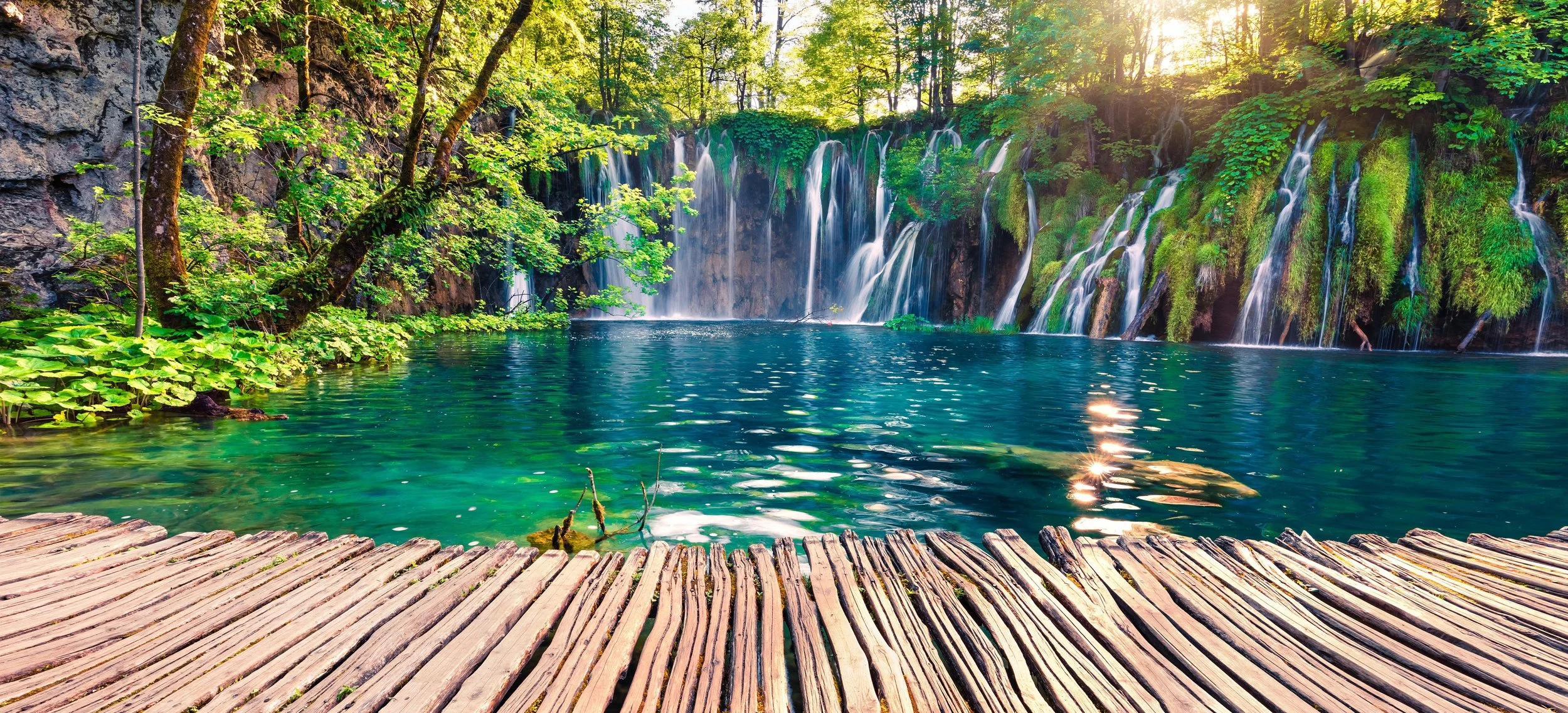
THE NATIONAL PARKS: KRKA AND PLITVICE
Croatia's two great national parks offer a landscape entirely different from the coastal experience. Plitvice Lakes, a UNESCO World Heritage Site of sixteen terraced lakes connected by waterfalls through a forested canyon, is best experienced on a private early morning visit before the day visitors arrive. Krka, more accessible from the coast, offers swimming in the natural pools below the Skradinski Buk waterfall that is one of the most pleasurable experiences in Dalmatia.
Signature Experiences in CROATIA
Croatia rewards those who go beyond the obvious and allow a private guide and a private vessel to reveal a coastline of extraordinary beauty on their own terms. From a yacht through the Adriatic islands and oyster tasting straight from the water in Mali Ston to sea kayaking beneath the walls of Dubrovnik and a cooking class in the Konavle Valley, these are the moments we build every Croatia journey around.
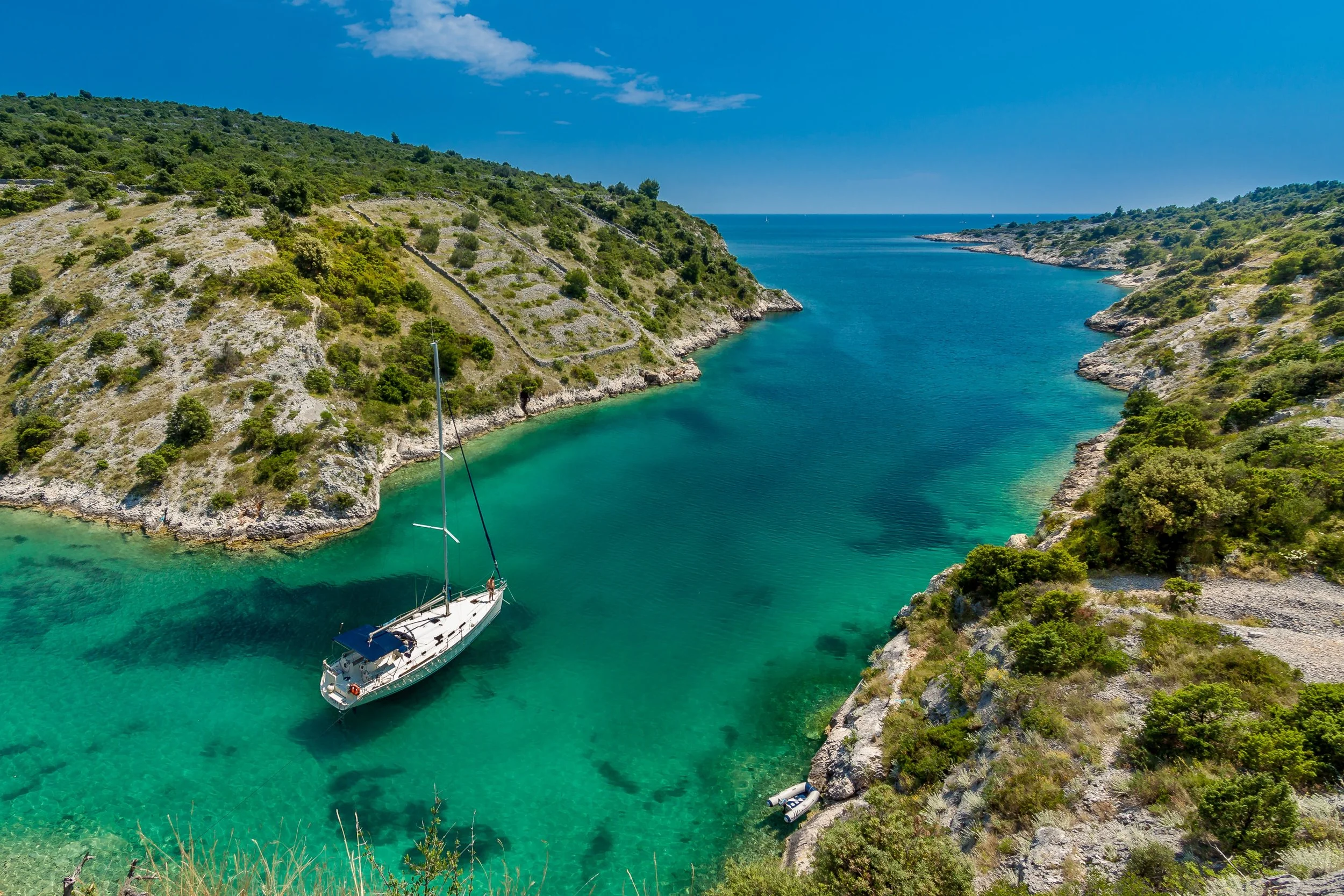
PRIVATE YACHT THROUGH THE ADRIATIC ISLANDS
The beaches and coves that define the finest island experience in Croatia are accessible only by sea, and the freedom to move between Hvar, Korčula, Vis and the smaller uninhabited islands at your own pace, anchoring where no other boat is present and swimming in water of extraordinary clarity, is available only on a private vessel with a captain who knows these waters and can read the Adriatic wind on any given afternoon.
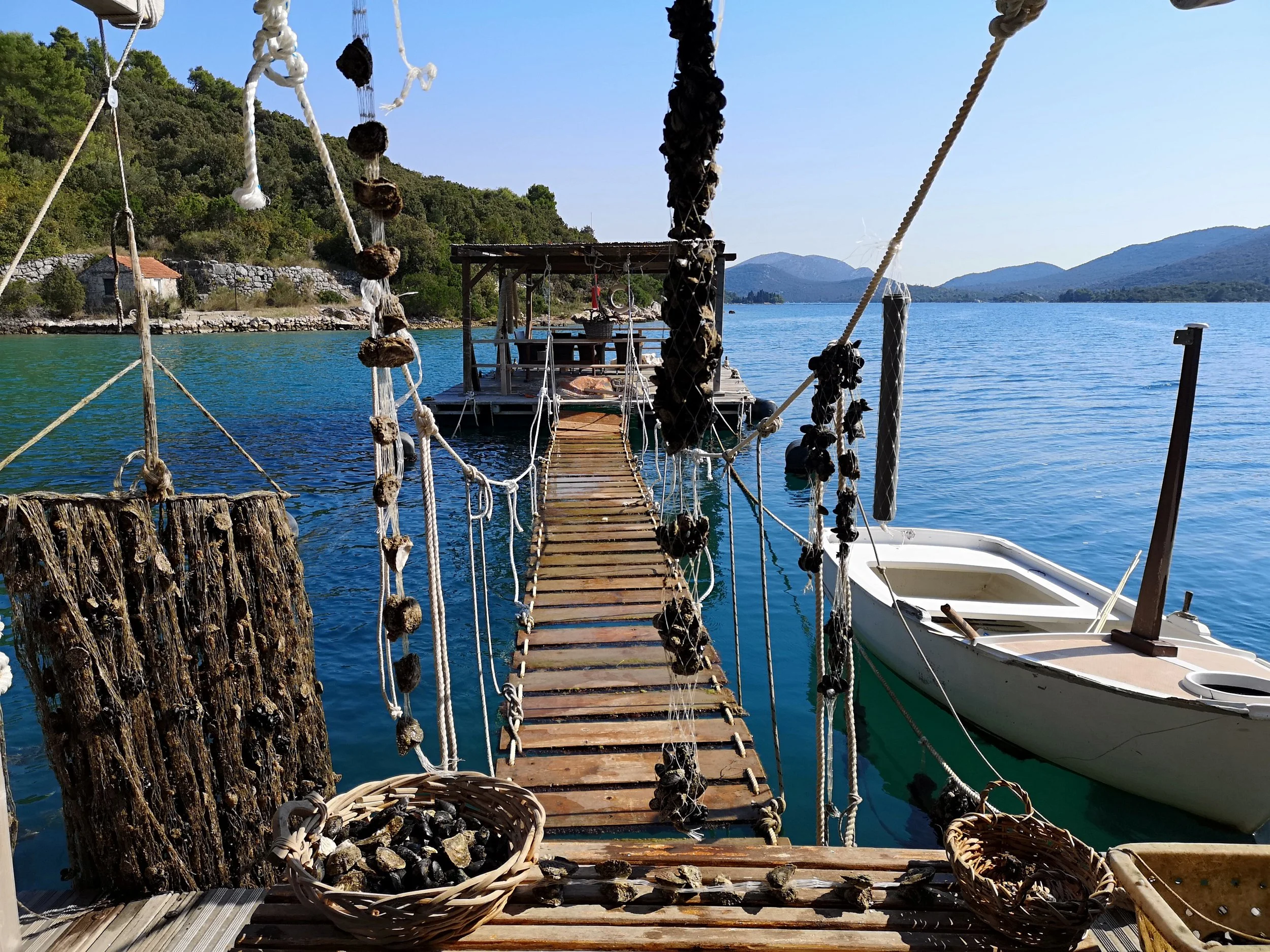
OYSTER TASTING IN STON
The oysters of Mali Ston Bay, eaten at the waterfront straight from the water with a glass of local white wine, are one of the finest and most honest food experiences on the Croatian coast. The specific salinity of the bay, the traditional cultivation methods unchanged since the Roman period and the extraordinary freshness of an oyster that has not travelled further than the distance between the water and your table combine into something of extraordinary simplicity.
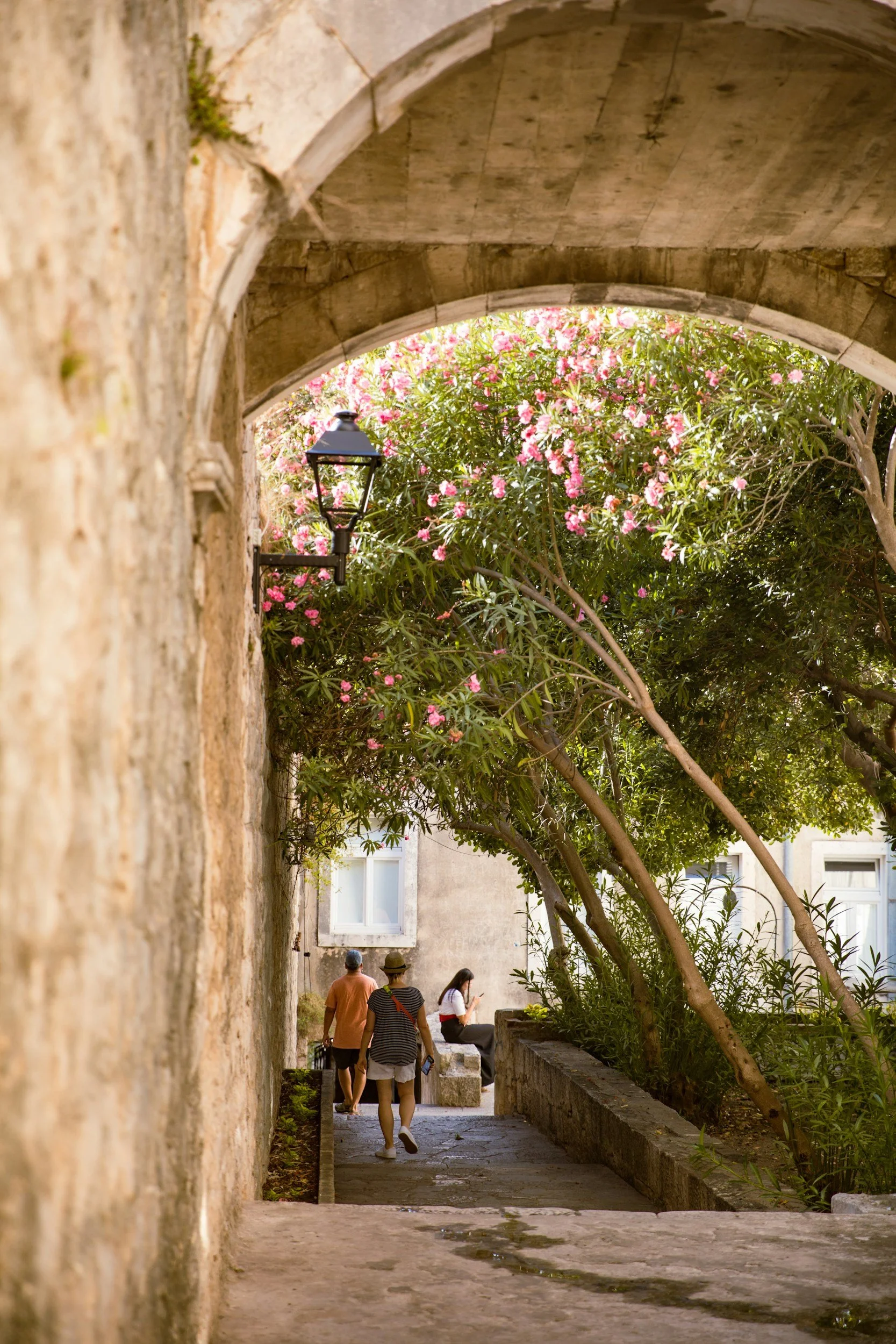
KORČULA WALKING TOUR
Korčula old town, the medieval walled city traditionally held to be the birthplace of Marco Polo, is one of the finest and least crowded of the Dalmatian walled cities. Experiencing it privately means moving through the herringbone street pattern with a guide who can explain the specific Venetian urban logic of the design and the history of the island's extraordinary shipbuilding and sword-dance traditions.
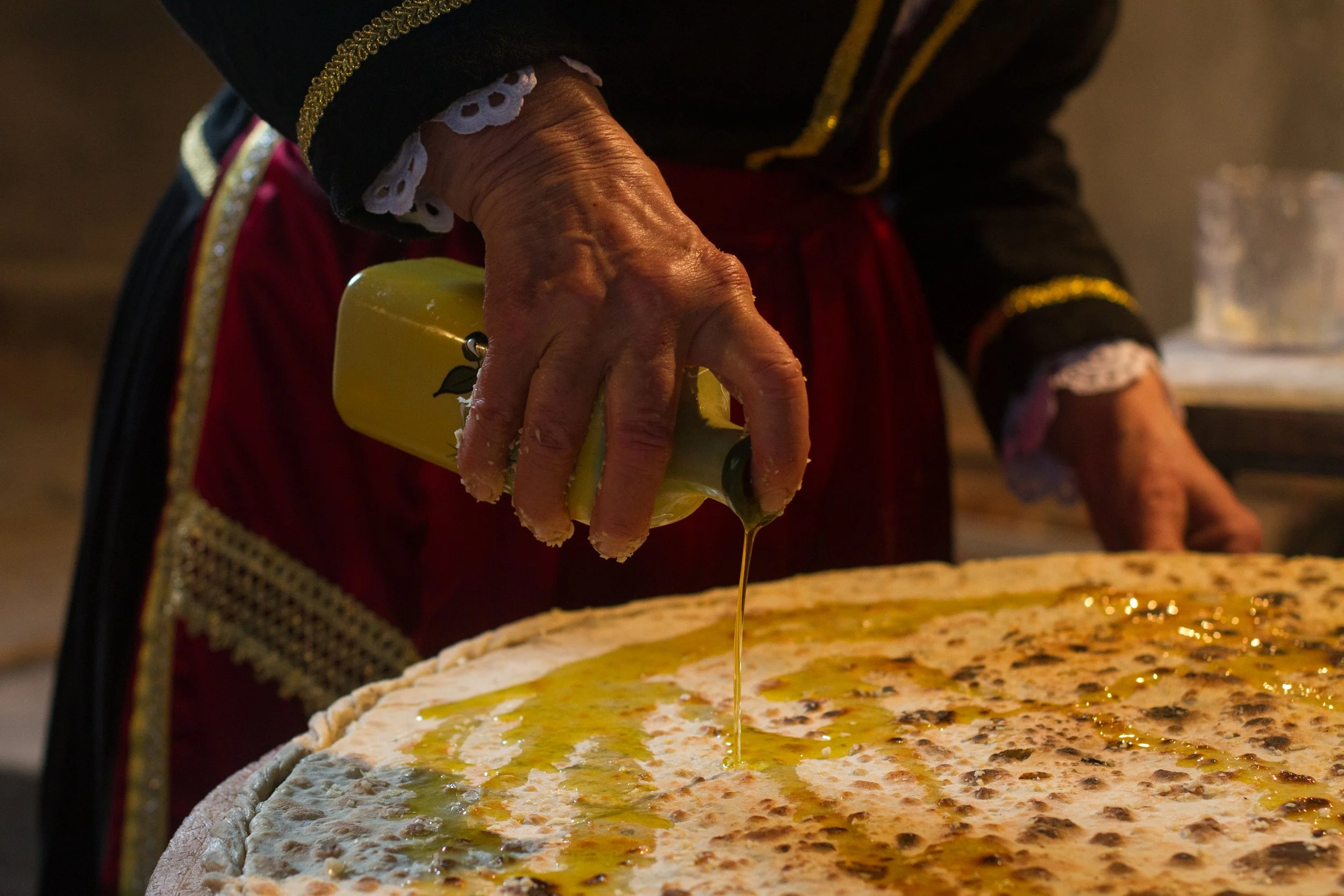
COOKING CLASS IN THE KONAVLE VALLEY
The Konavle Valley behind Dubrovnik is where the specific food culture of southern Dalmatia is most honestly expressed, in farmhouses where the ingredients come from the garden and the olive oil from the trees outside the kitchen. A private cooking class with a local family here, learning the specific dishes of the Konavle tradition, is one of the most intimate and most genuinely Croatian experiences available anywhere in the country.
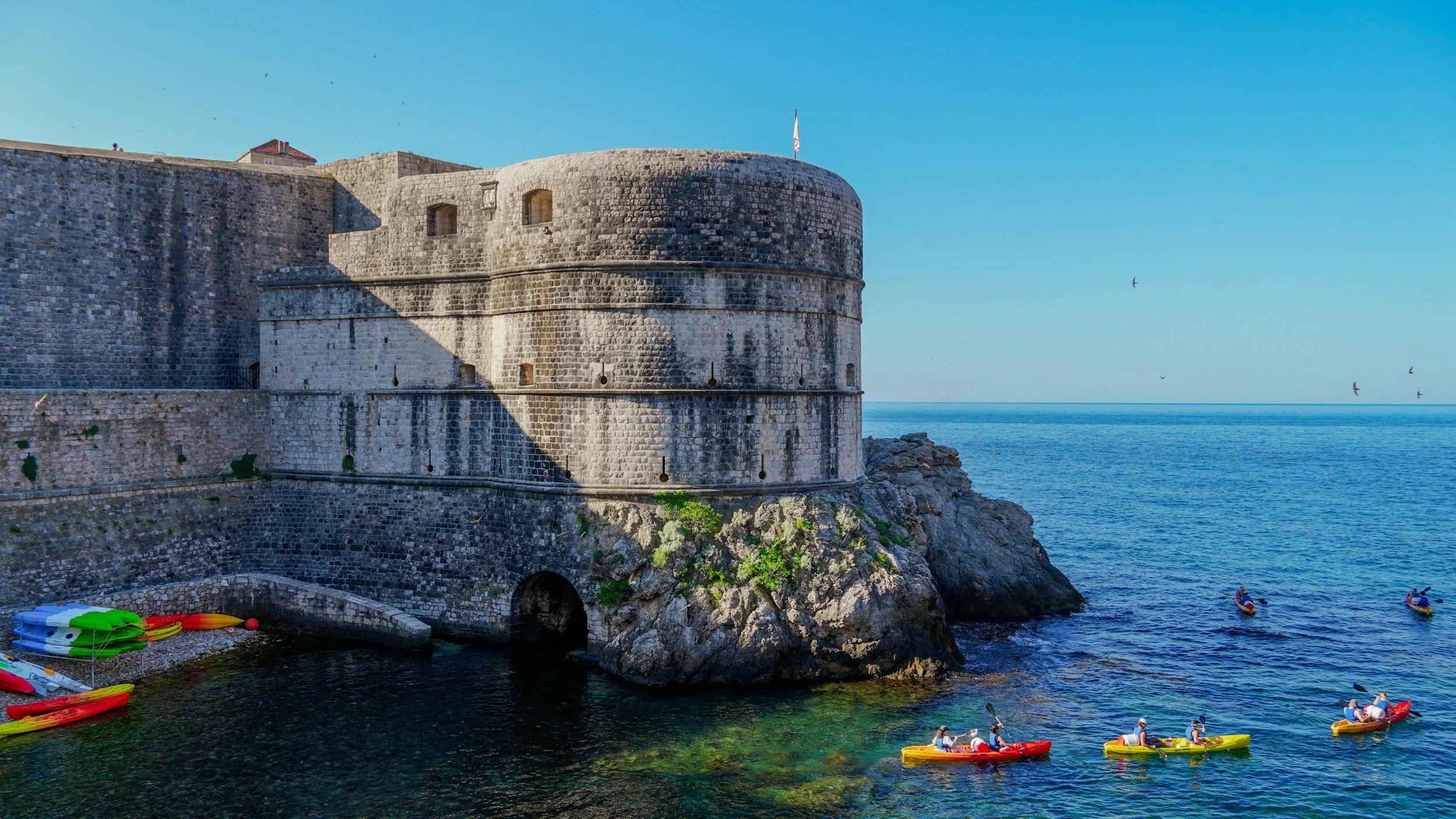
SEA KAYAKING IN DUBROVNIK
The walls of Dubrovnik seen from the sea, paddling along the base of the fortifications with the limestone cliffs above and the extraordinary clarity of the Adriatic below, is a completely different perspective from the one available on the city walls walkway. A private sea kayaking experience at dawn, before the harbour fills with day-trip boats and the light on the walls is at its most extraordinary, is one of the most beautiful mornings available on the Dalmatian coast.

ZAGREB: THE CONTINENTAL CAPITAL
Zagreb is the most undervisited capital in Central Europe and the one that most surprises visitors who arrive expecting a transit point. A private day combining the medieval upper town, the Dolac market and the Museum of Broken Relationships, one of the most original and most quietly moving museums in Europe, reveals a city of extraordinary café culture and genuine character that the coastal itinerary almost always misses.

PRIVATE HIKING IN HVAR
The interior of Hvar, away from the harbour and the tourist circuit, is a landscape of lavender fields, abandoned stone villages and extraordinary viewpoints over the surrounding islands accessible only on foot. A private guided hike through the island's interior, reaching the hilltop panoramas and the hidden coves on the south coast that no boat can reach before the afternoon, gives Hvar a depth and a solitude that the harbour town cannot provide.
VINEYARDS OF ISTRIA
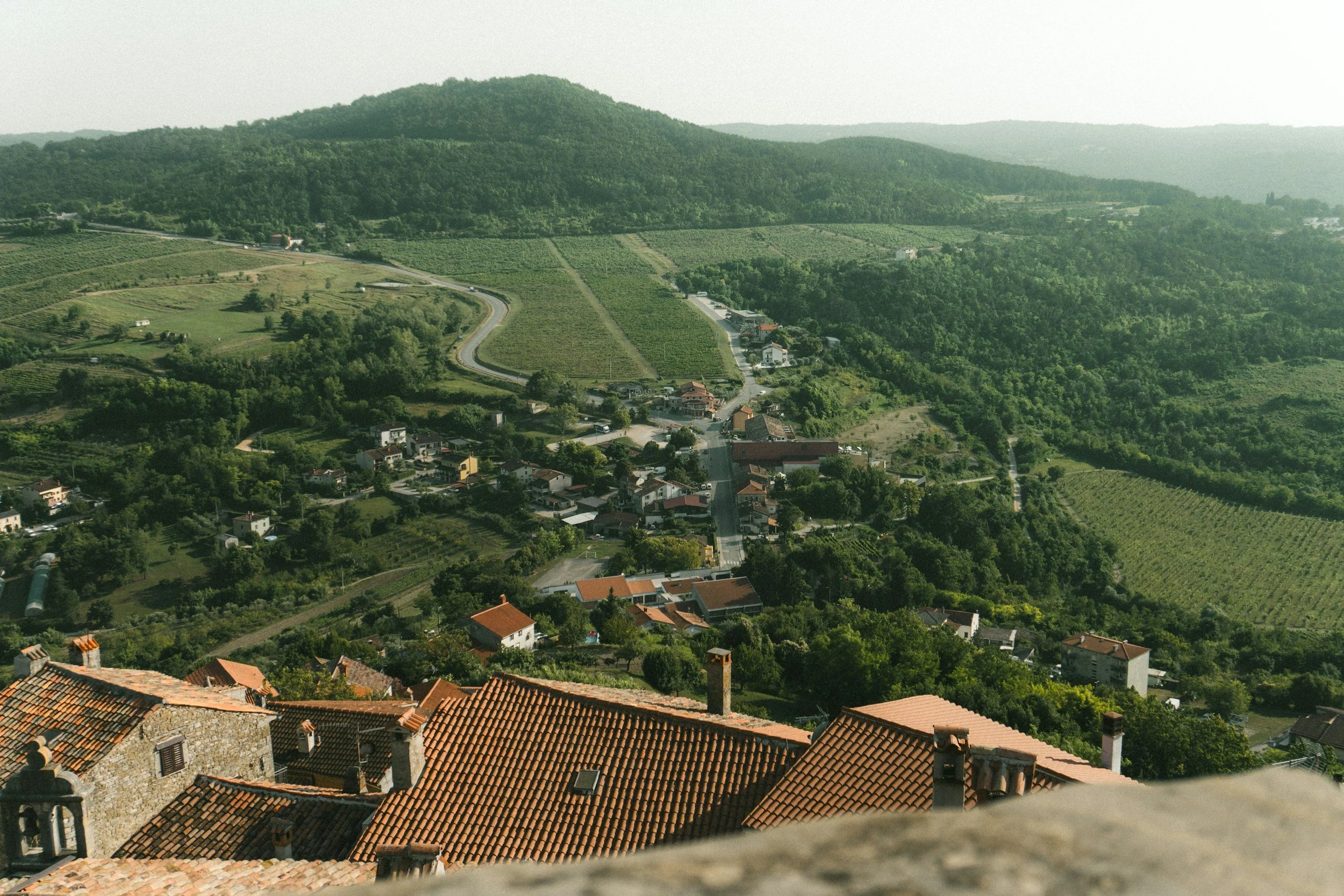
Istria produces Malvazija Istarska and Teran that are almost entirely unknown outside Croatia, making a private visit to the finest small producers one of the most rewarding wine discoveries in southern Europe. A tasting with the winemakers in the cellars, combined with a truffle hunt in the oak forests of the Motovun area in season, is one of the finest food and wine days available anywhere in the country.
Frequently Asked Questions About Traveling to CROATIA
-
May to June and September to October are our most recommended windows. Spring offers warm water, manageable crowds and the lavender beginning to bloom on Hvar. Autumn brings the truffle season in Istria, warm sea and the dispersal of summer visitors. July and August is peak season, crowded but extraordinarily alive. Winter is excellent for understanding the old cities without the summer context.
-
We recommend a minimum of ten days for a first Croatia journey combining Dubrovnik, a yacht through the islands, Split and at least one night in Istria. Those wanting to add the national parks, the Pelješac Peninsula and Zagreb should plan for twelve to fourteen days. Croatia's geography, a long thin coastal country, rewards a journey that moves progressively along the coast rather than returning to a single base.
-
A private yacht is the only way to experience the Dalmatian islands properly. The beaches and coves that define the finest island experience in Croatia are accessible only by sea, and the freedom to move between islands according to the conditions, to anchor where no other boat is present and to spend as long as the day allows at the finest locations, is available only on a private vessel. We recommend a minimum of three nights on a private yacht for a first sailing experience on the Dalmatian coast.
-
Plavac Mali is the indigenous red grape of Dalmatia, genetically related to Zinfandel and Primitivo, that produces some of the most powerful and most age-worthy red wines in the Adriatic world on the steep south-facing slopes of the Pelješac Peninsula. The Dingač and Postup appellations are the finest expressions of the variety and are almost entirely unknown outside Croatia, making a private visit to one of the best producers one of the finest wine discoveries available to the serious traveller in southern Europe.
-
Croatia joined the Schengen Area in 2023. US and UK passport holders do not require a visa for stays of up to 90 days. We always confirm the latest entry requirements for your specific passport before travel.
-
Croatia pairs naturally with Albania for a broader Adriatic journey and with Slovenia for those wanting to add Lake Bled and the Julian Alps. Montenegro to the south offers an extension that combines the Bay of Kotor with the Montenegrin coast. We also design Croatia and Italy combinations for those wanting to cross the Adriatic. We design all multi-destination itineraries as fully private and tailor-made.
-
Croatian cuisine varies significantly between the coast and the interior. The Dalmatian coast is built on the extraordinary seafood of the Adriatic, simply prepared with olive oil, garlic and the local wines. Istria has the most sophisticated food culture in Croatia, influenced by its Italian heritage and by the extraordinary truffle, olive oil and wine traditions of the peninsula. The interior, including Zagreb, reflects the Central European tradition of meat, paprika and the specific comfort food of the Habsburg era.
-
Croatia is navigable independently and is one of the most straightforward Mediterranean destinations for self-guided travel. What private access adds is the specific experiences that require local knowledge and genuine relationships. The oyster farmer in Ston who opens his beds for a private tasting. The captain who knows the anchorage on the south side of Vis that no charter boat has found. The cooking class in the Konavle farmhouse that does not appear on any booking platform. Croatia's greatest depth is available to those who arrive with the right person beside them.
Plan Your CROATIA Journey
Croatia is a country of extraordinary coastal beauty and the journey we design for you will reflect exactly which version of it calls to you most. Tell us whether you are drawn by the sailing, the food and wine, the ancient cities or the national parks, and we will build your Croatia journey from the first conversation.