
Luxury Private Tours in HUNGARY
Two cities divided by a river. One of Europe's most extraordinary capitals. A wine culture the world is only beginning to discover.
Our tailor-made private tours combine expert local guides, handpicked boutique stays and curated experiences, from the royal castle district of Buda and the grand boulevards and Jewish heritage of Pest to the wine cellars of Tokaj and Eger, the thermal spa culture that has defined Hungarian life for centuries and the sun-warmed shores of Lake Balaton.
WHY VISIT HUNGARY?
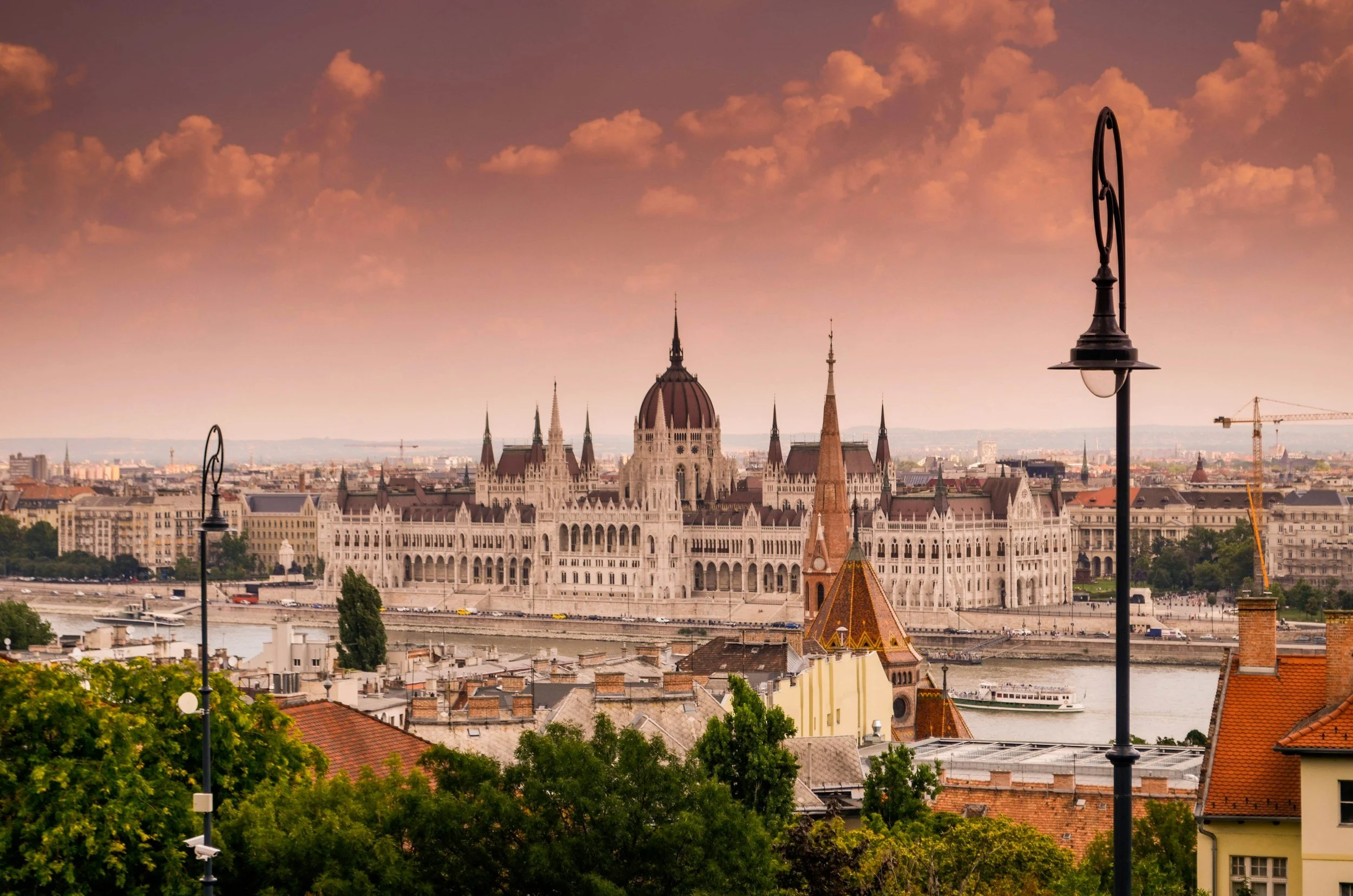
Hungary is one of Central Europe's most rewarding destinations and one of its most consistently underestimated. Budapest, which only became a single city when Buda and Pest were united across the Danube in 1873, is regularly cited among the most beautiful capitals in Europe and with genuine justification: the combination of the medieval castle district on the Buda hills, the grand Habsburg boulevards of Pest, the extraordinary Parliament building on the riverbank and the thermal bath culture that has been part of daily Hungarian life since the Ottoman occupation of the sixteenth century creates a city of extraordinary visual richness and genuine historical depth.
Beyond Budapest, Hungary reveals itself as a country of surprising cultural and culinary sophistication. The wine regions of Tokaj and Eger produce bottles that have been celebrated across Europe for centuries, Tokaj's sweet aszú wines having been called the wine of kings and the king of wines by Louis XIV of France. The food culture of Budapest, built on the paprika-rich traditions of the Hungarian plains and refined by a century of grand café culture, is one of the most underrated in Europe. And the Jewish heritage of Budapest, one of the most significant in Central Europe and one of the most poignant given what was lost in the Second World War, gives the city a layer of historical weight that makes it genuinely unlike any other European capital.
Many travellers combine Hungary with Croatia for a broader Central European journey, or with Austria and Czech Republic for those following the arc of Habsburg civilisation across the continent.
Explore our full Europe hub for more inspiring destinations.
Best Time to Visit HUNGARY
April to June is our most recommended window for a first Hungary journey. Budapest in spring is extraordinarily beautiful, with the city's parks and boulevards in full bloom and the long evenings beginning to fill the ruin bars and riverside terraces. The wine regions are at their most active in late spring and early summer, and Lake Balaton begins to warm enough for swimming by June. Temperatures are mild and comfortable across the country.
September to October is the other exceptional window and the finest season for wine. The Tokaj harvest typically runs through October and a private harvest visit to one of the great wine estates of the region, combined with a tasting of the aszú wines that have made Tokaj famous across Europe for three centuries, is one of the most atmospheric seasonal experiences Hungary offers. Budapest in autumn has a warmth and a mellowness that summer cannot quite replicate.
July to August is the peak summer season, warm and lively with Budapest's outdoor festival programme at its most active. Lake Balaton in summer is at its most vibrant, with the Hungarian tradition of spending August at the lake in full expression. The city can be busy with visitors but the thermal baths, the ruin bars and the river cruises are all at their most energetic.
Winter (December to February) is cold but deeply atmospheric. Budapest's Christmas markets are among the finest in Central Europe. The thermal baths take on a particular magic in winter, the steam rising from the outdoor pools against the cold air, and the grand cafés of the city, where the tradition of long afternoons over coffee and cake has been observed for a century, are at their most welcoming when the temperature drops outside.
DISCOVER HUNGARY’s REGIONS
From the royal castle district of Buda and the grand boulevards and Jewish heritage of Pest to the ancient wine cellars of Tokaj and Eger and the sun-warmed shores of Lake Balaton, each region of Hungary offers a completely distinct private journey.
BUDAPEST: BUDA AND PEST ACROSS THE DANUBE
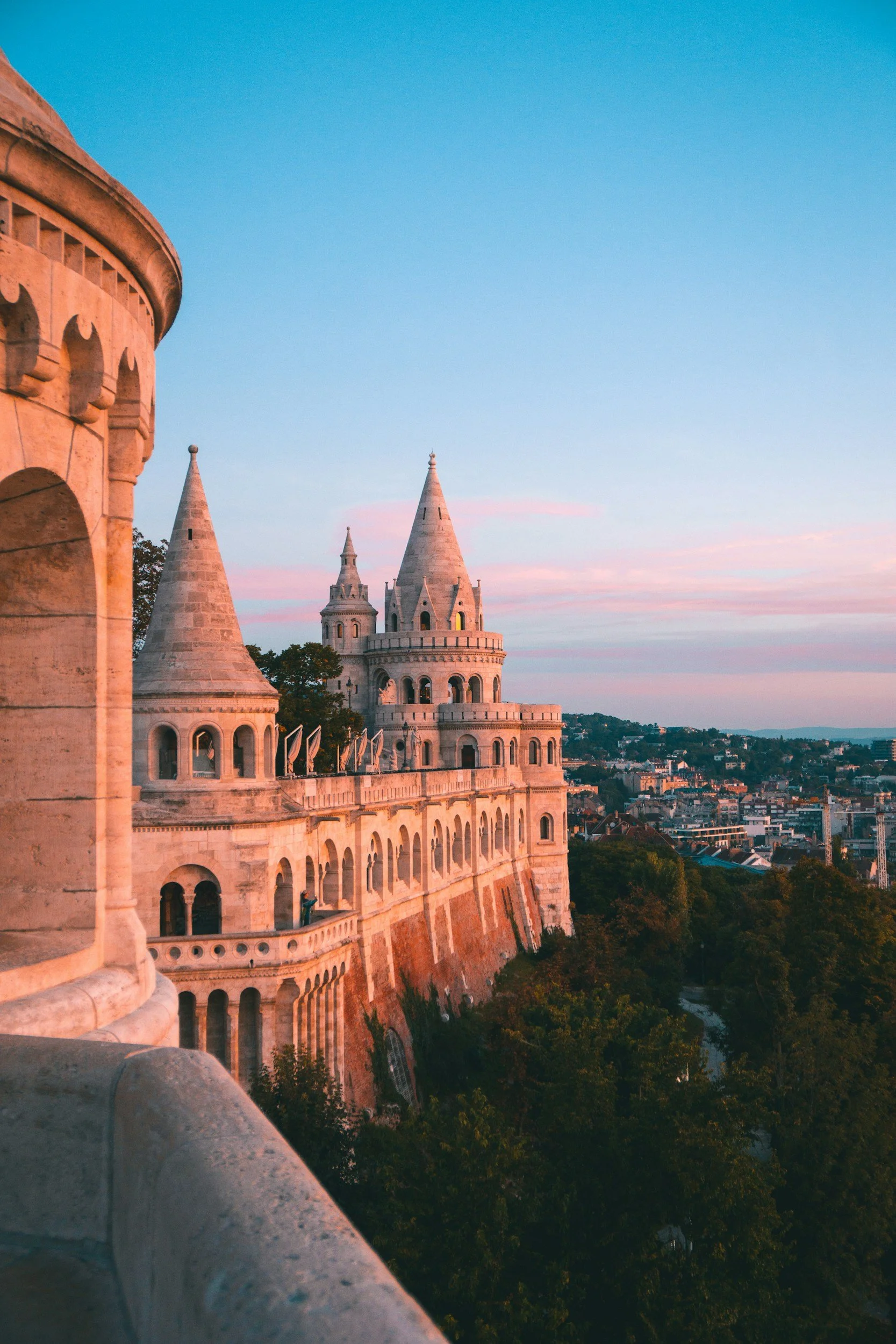
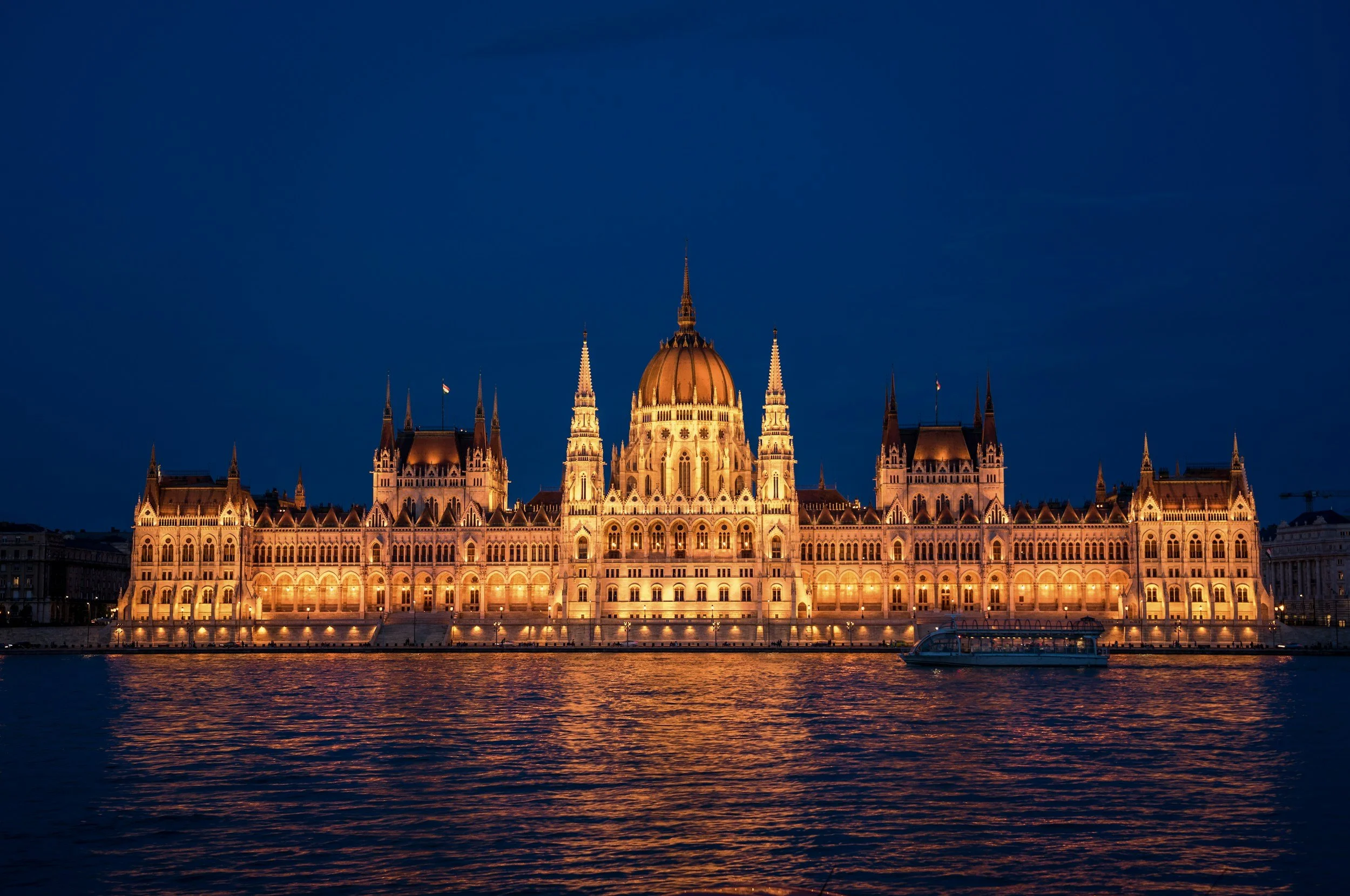
Budapest is two cities in one, divided by the Danube and united by one of the great rivers of European history. Buda, on the western bank, rises steeply from the river to the medieval castle district, the baroque streets of the Várnegyed and the extraordinary views from the Fisherman's Bastion across the water to the Parliament building on the Pest shore. Pest, on the eastern bank, is the living city: the grand boulevards of the Habsburg era, the Jewish quarter with its extraordinary Great Synagogue, the covered market hall of the Nagycsarnok, the ruin bars of the seventh district and the café culture that has defined Budapest's intellectual life for over a century.
HUNGARIAN WINE COUNTRY: TOKAJ AND EGER
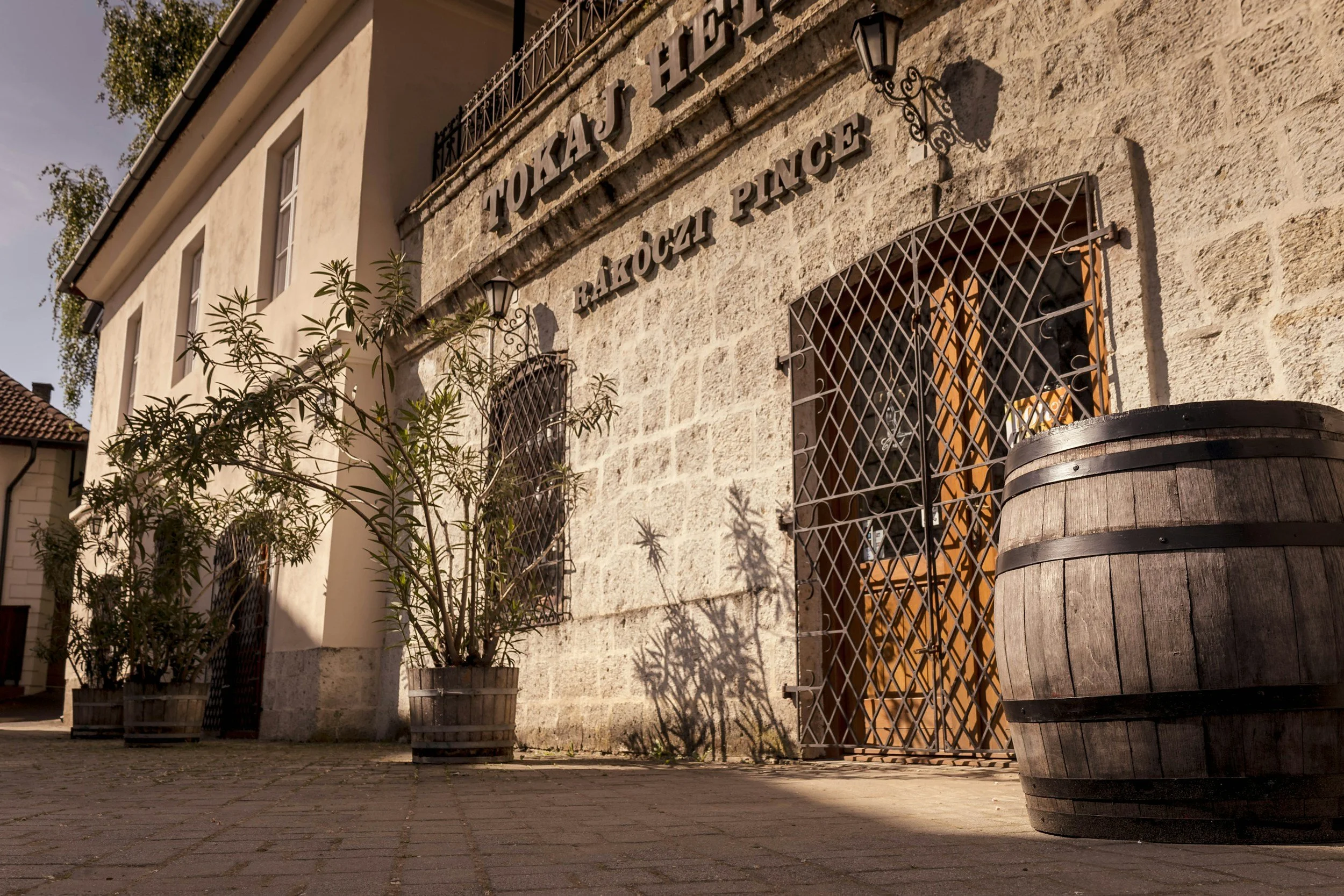
Hungary's wine regions are among the most historically significant in Europe and among the least known internationally, which makes them one of the finest discoveries available to the serious wine traveller. Tokaj in the northeast, a UNESCO World Heritage Site, produces the legendary aszú sweet wines from botrytised Furmint grapes that were celebrated at the courts of Versailles and Vienna for three centuries. Eger in the Northern Uplands produces the robust red Egri Bikavér, Bull's Blood, and a growing range of serious dry whites that are attracting international attention. A private journey through either region combining estate visits, cellar tastings and meals built around the local food and wine pairing is one of the most rewarding days available outside Budapest.
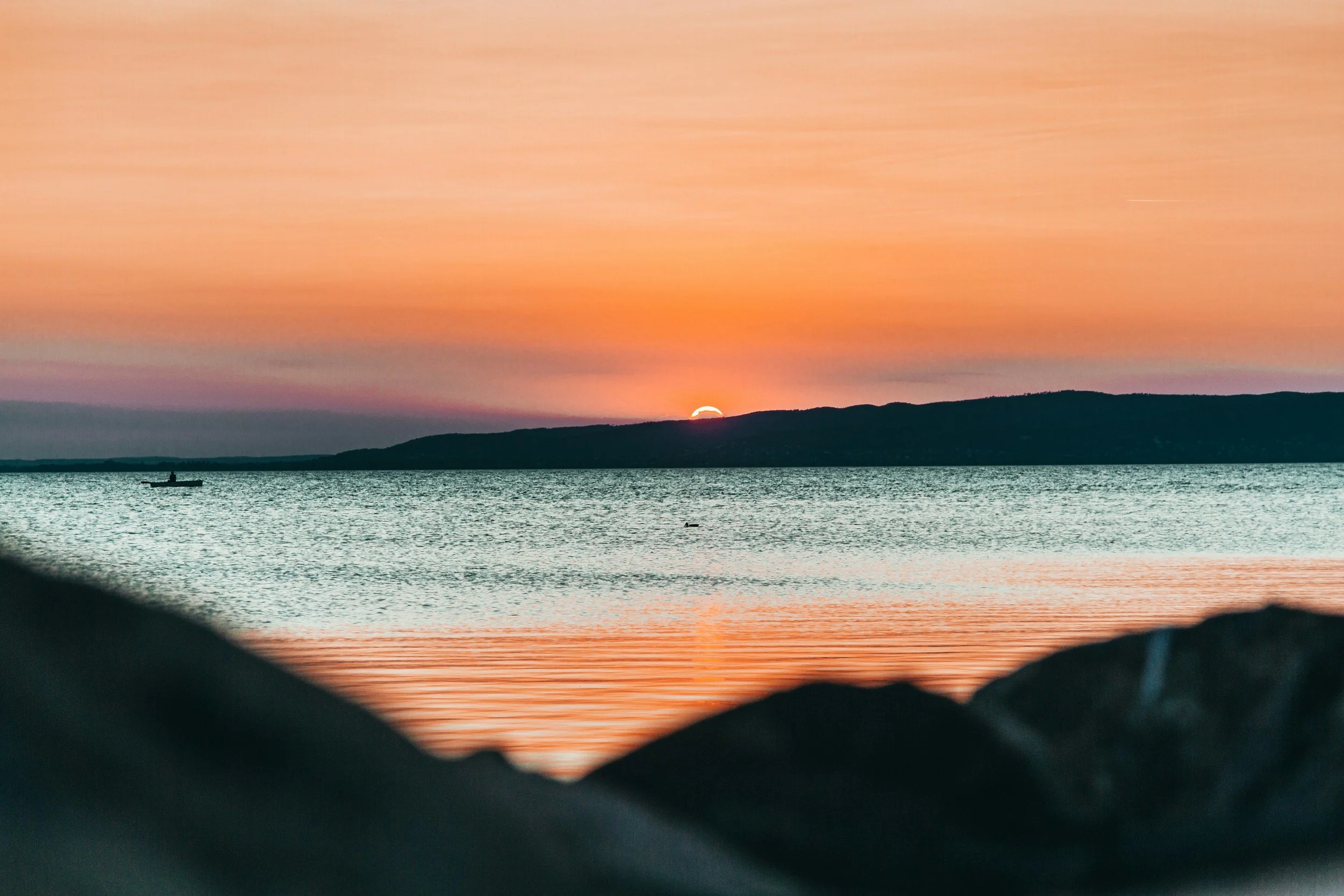
LAKE BALATON: CENTRAL EUROPE'S INLAND SEA
Lake Balaton is the largest lake in Central Europe and the heart of Hungarian summer life, a vast expanse of warm shallow water surrounded by vineyards, historic towns and the particular atmosphere of a place that Hungarians have been coming to for generations. The northern shore, with its volcanic basalt hills, ancient abbey towns and boutique wine producers, is the more characterful side. The southern shore is flatter, livelier and more resort-oriented. A private Balaton experience combining a boat on the lake, a tasting at one of the small northern shore producers and a long lunch overlooking the water is one of the most quietly pleasurable days Hungary offers.
Signature Experiences in HUNGARY
Hungary rewards those who go beyond the grand facades and allow a private guide to reveal the layers beneath. From a private wine tasting in the UNESCO cellars of Tokaj and a food tour through the covered markets of Pest to a dawn thermal bath and a private cruise on the Danube as the Parliament building lights up the water, these are the moments we build every Hungary journey around.
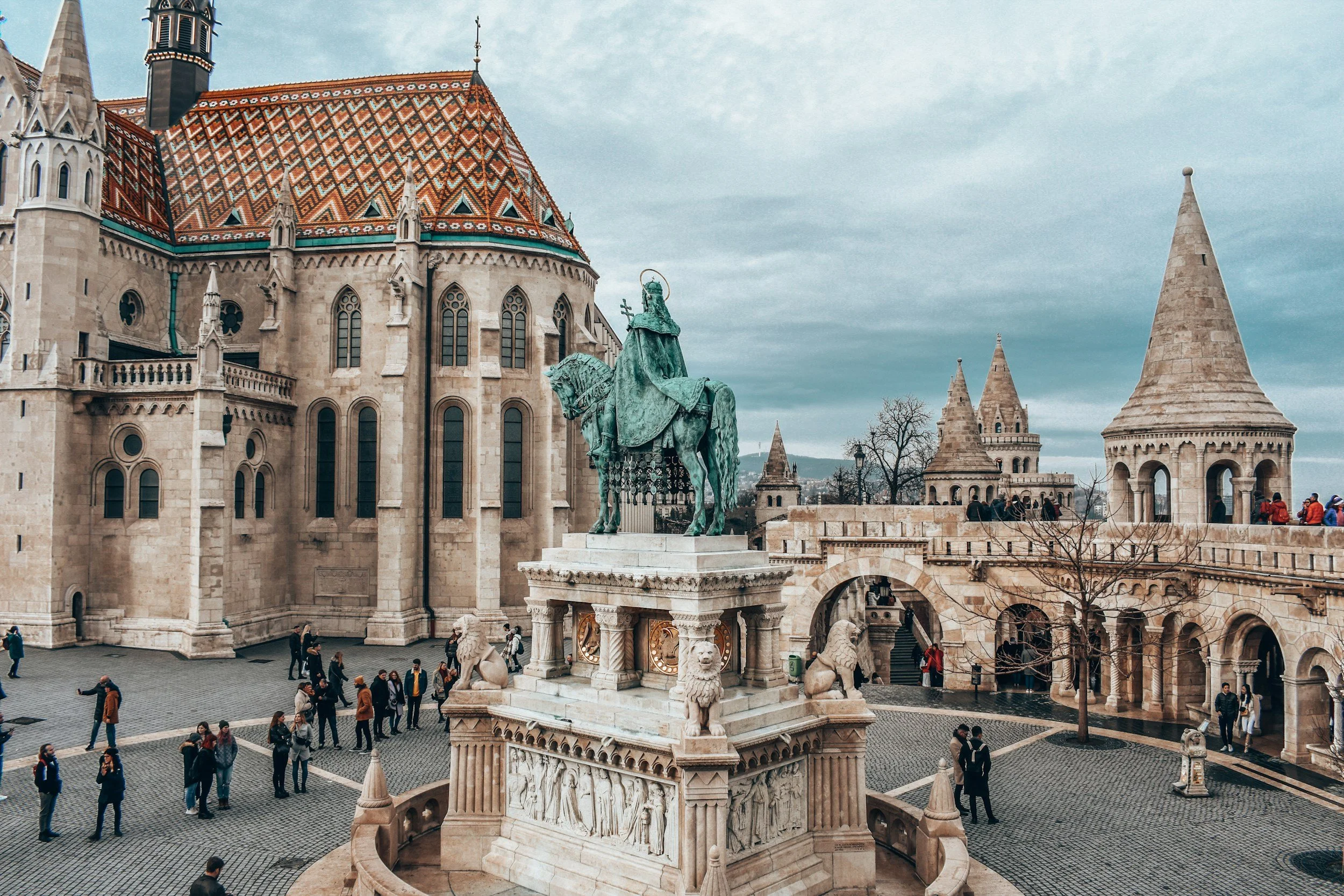
BUDA: THE CASTLE DISTRICT AND THE ROYAL HILL
Buda's medieval castle district, reached by the funicular from the Chain Bridge or on foot through the baroque lanes of the Várnegyed, contains the Royal Palace, Matthias Church and the Fisherman's Bastion within a compact hilltop that offers the finest views in Budapest. Arriving early before the tour groups, with a private guide who can explain the Ottoman, Habsburg and Hungarian layers of a hill that has been at the centre of Central European history for seven centuries, transforms what might otherwise feel like a photogenic walk into something genuinely understood.
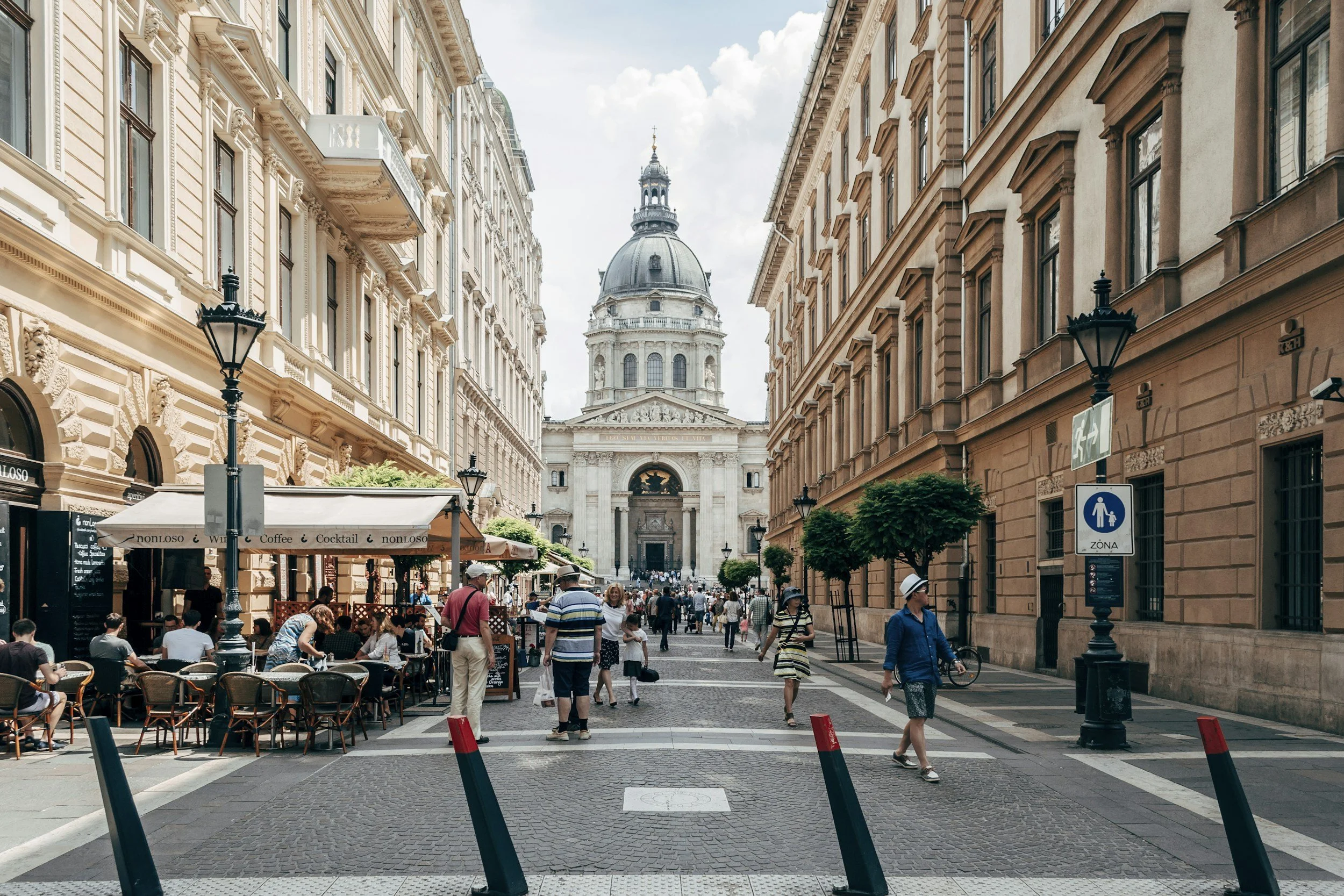
PEST: GRAND BOULEVARDS AND THE LIVING CITY
Pest is where Budapest actually lives. A private day moving through the grand market hall of Nagycsarnok in the morning, along the boutique-lined streets of the fifth district, through the extraordinary interior of the New York Café and into the seventh district as the afternoon light falls on the ruin bars and the courtyards of the Jewish quarter, reveals a city of extraordinary variety and energy that the castle district view from across the river only hints at.
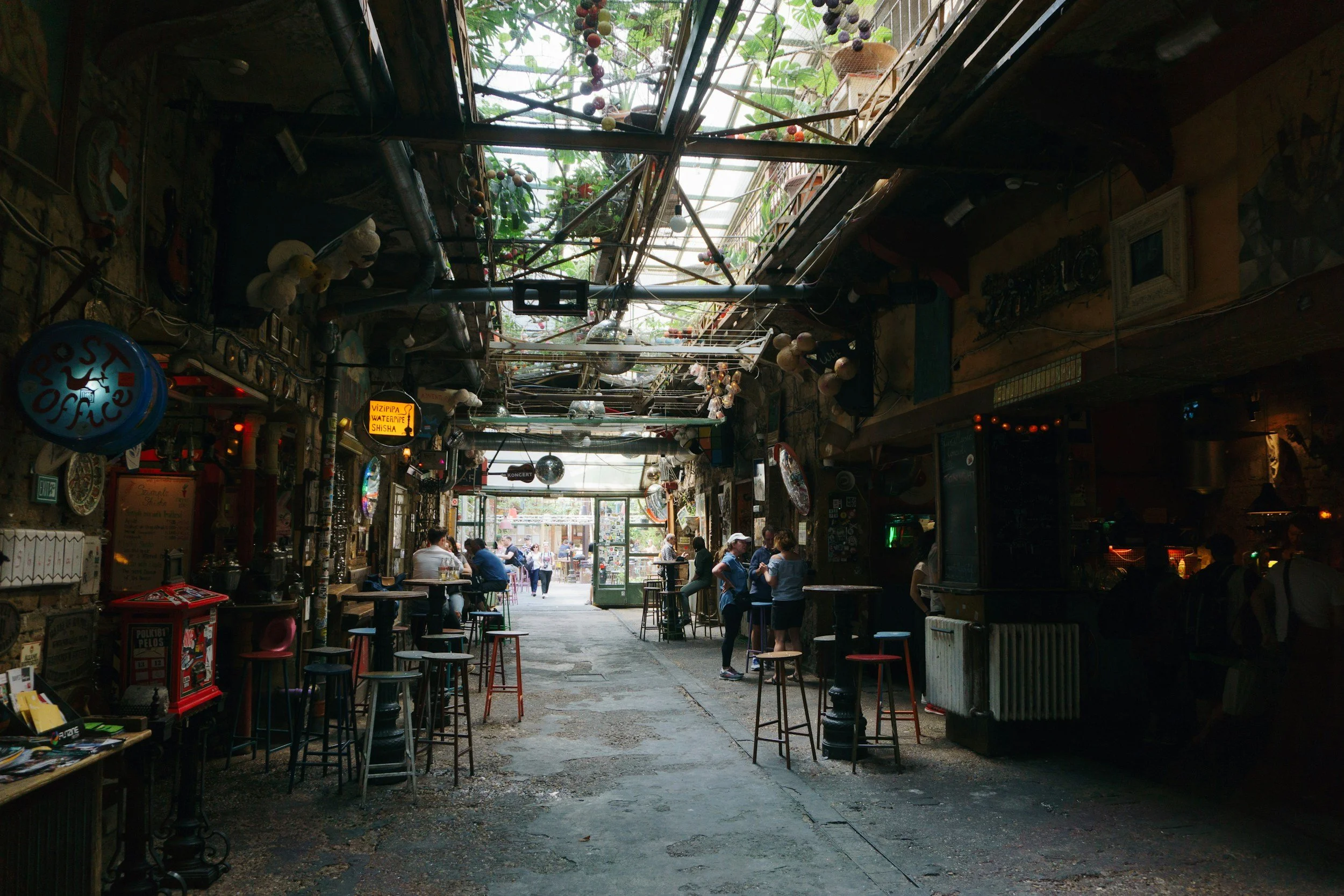
RUIN BARS: BUDAPEST'S MOST ORIGINAL CONTRIBUTION TO NIGHTLIFE
The ruin bars of Budapest's seventh district, built in the shells of abandoned Jewish-era buildings and courtyards that were left derelict after the Second World War, are one of the most original and most atmospheric nightlife concepts in Europe. Szimpla Kert, the original and still the finest, is best experienced early in the evening before the crowds arrive, with a private guide who can explain the history of the neighbourhood and the buildings in which these extraordinary spaces have been created.
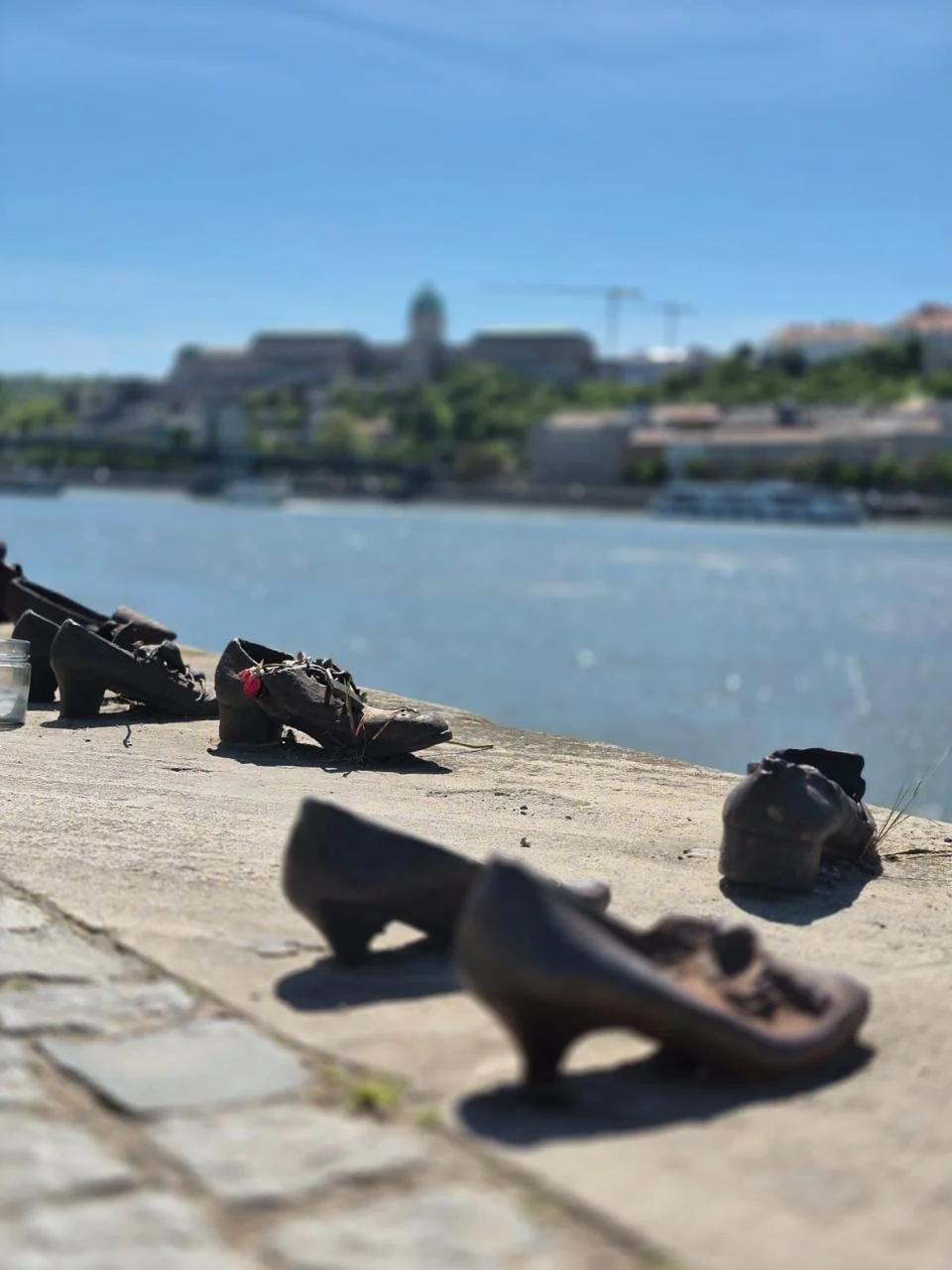
JEWISH HERITAGE: THE QUARTER, THE SYNAGOGUE AND THE SHOES
Budapest's Jewish heritage is one of the most significant and most moving in Central Europe. The Great Synagogue on Dohány Street, the largest in Europe and the second largest in the world, the adjacent Jewish museum and the extraordinary memorial garden are the starting points. The Shoes on the Danube Bank, the cast iron memorial to the Jews shot into the river during the Second World War, and the living culture of the seventh district, where the Jewish community that survived continues to shape the neighbourhood, complete a private half-day that no visitor to Budapest should miss.
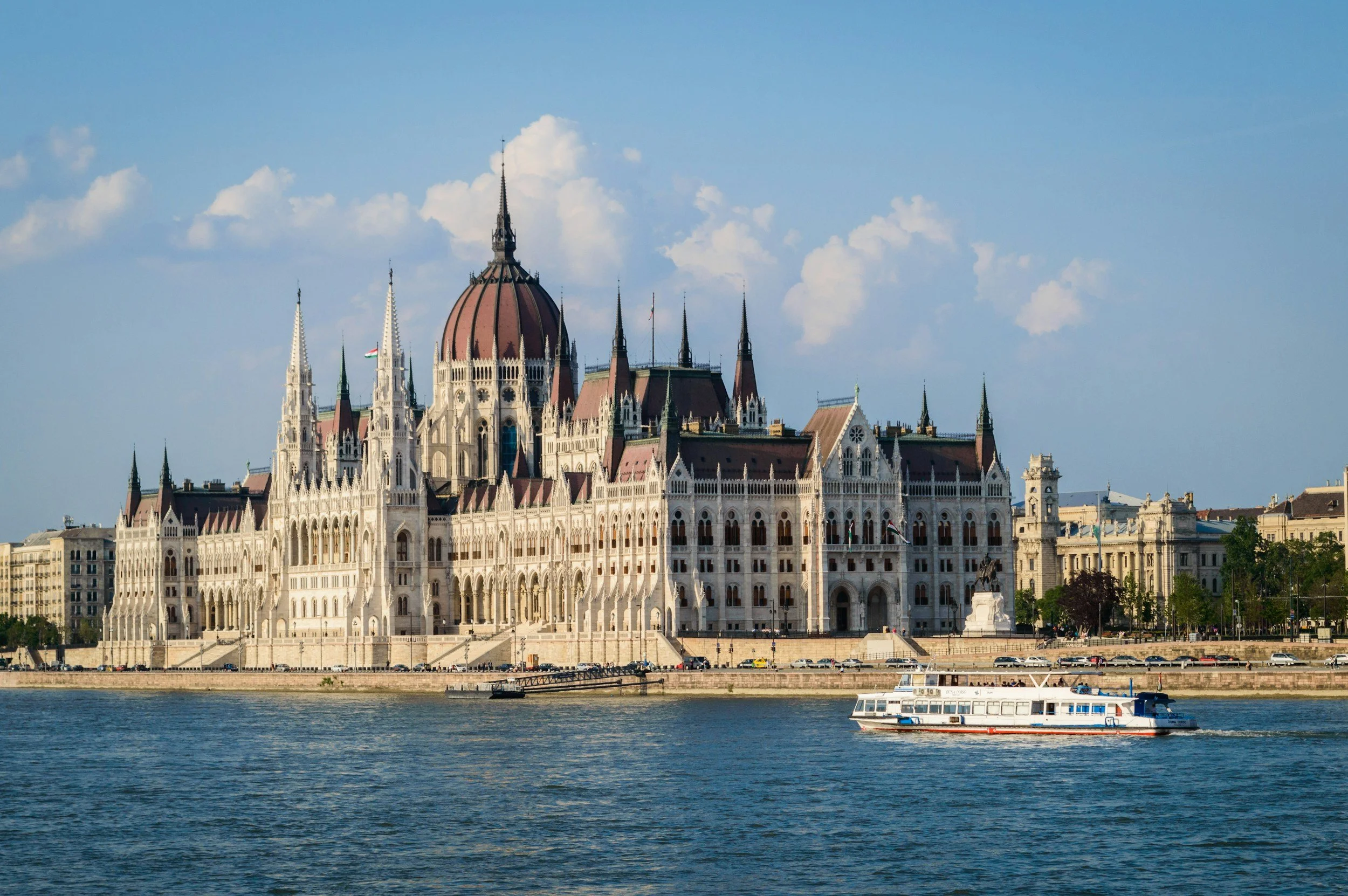
PRIVATE CRUISE ON THE DANUBE
A private evening cruise on the Danube as the sun sets over the Buda hills and the Parliament building, the Chain Bridge and the castle district illuminate the water is one of the most classically beautiful experiences any European capital offers. Away from the crowded tourist boats, a private vessel with a guide who can explain what you are seeing as the light changes gives the river the attention and the understanding it deserves.
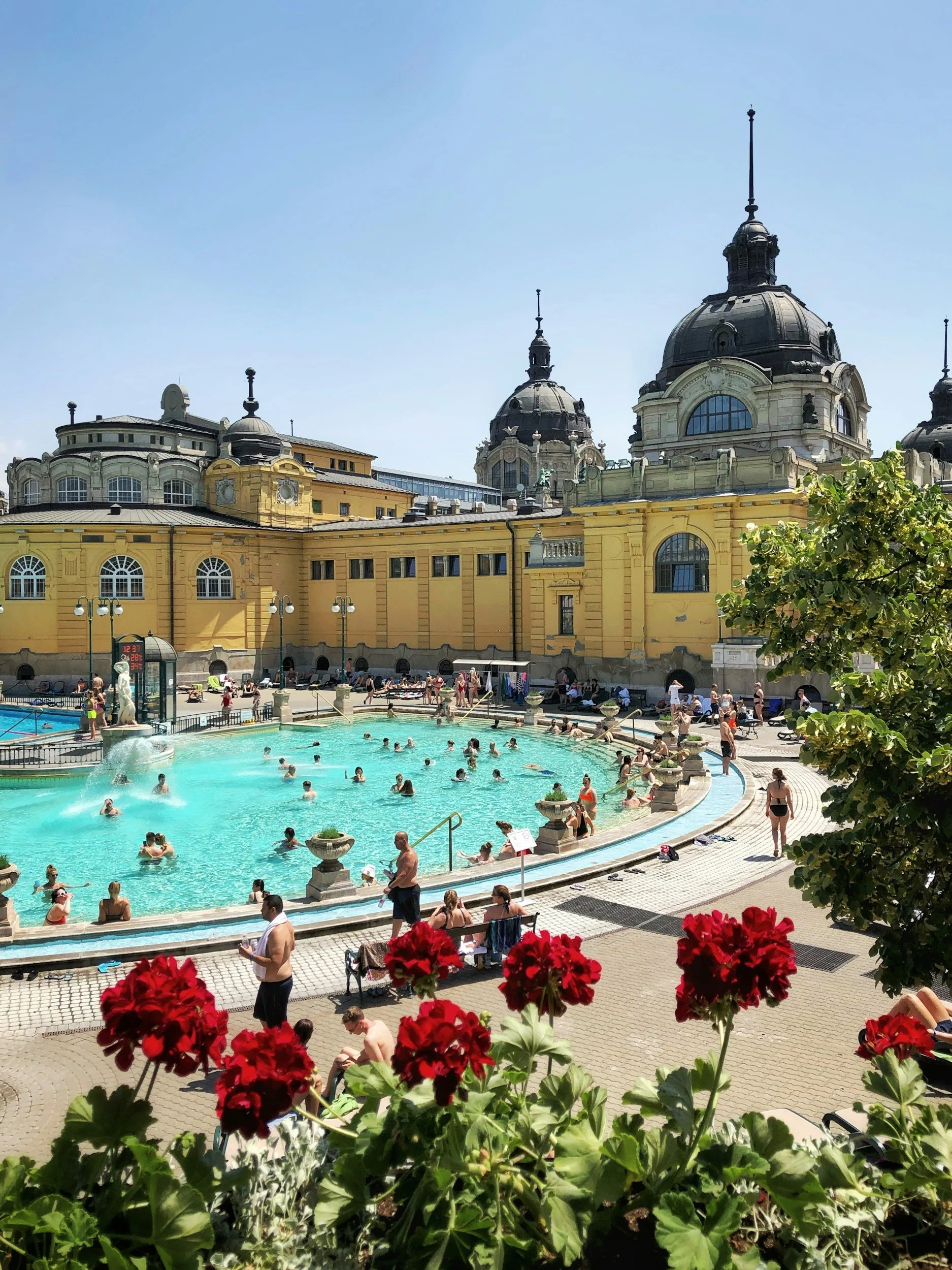
THERMAL BATHS AND WELLNESS
Budapest sits above one of the richest networks of thermal springs in Europe and the tradition of bathing has been part of daily Hungarian life since the Ottoman occupation of the sixteenth century. The great historic bath houses, Széchenyi, Gellért and Rudas, are architectural monuments as extraordinary as any palace or church in the city. A private early-morning visit to one of the historic baths before the public opening, with the outdoor pools and the extraordinary interiors entirely to yourself, is one of the most unexpectedly moving experiences Budapest offers.

FOOD TOUR IN BUDAPEST
Budapest's food scene, built on the paprika-rich traditions of the Hungarian plains and refined by a century of grand café culture, is one of the most underrated in Europe. A private food tour moving through the Nagycsarnok market, the Jewish bakeries of the seventh district, the lángos stalls, the pálinka distilleries and ending at a restaurant chosen for the quality of its modern Hungarian cooking rather than its profile, reveals a culinary tradition of genuine depth and character that most international visitors never find.
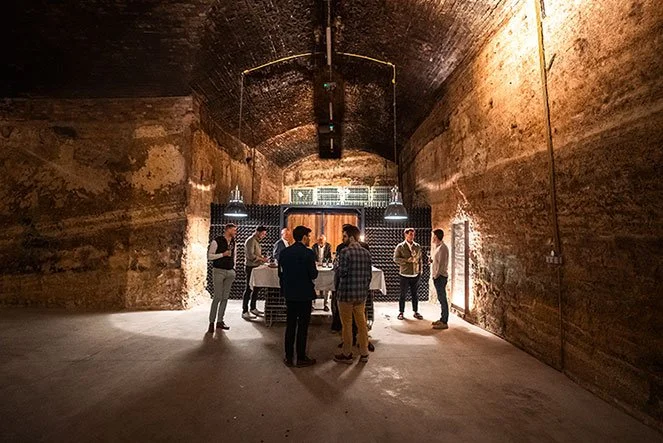
WINES OF HUNGARY
Hungary's wine culture stretches back over a thousand years and Tokaj's aszú wines were celebrated at the courts of Versailles and Vienna long before most New World wine regions existed. A private tasting in the historic cellars of Tokaj, carved into the volcanic tuff and lined with the black Cladosporium mould that regulates the ageing of the wine, followed by a comparison of the great aszú vintages with a winemaker who has devoted their life to this specific tradition, is one of the finest wine experiences available in Central Europe.
Frequently Asked Questions About Traveling to HUNGARY
-
Spring and autumn are both exceptional. April to June offers mild temperatures, the city in bloom and the best conditions for combining Budapest with the wine regions and Lake Balaton. September and October bring the Tokaj harvest and extraordinary autumn atmosphere. Summer is lively and ideal for Lake Balaton. Winter is cold but atmospheric, with excellent Christmas markets and the thermal baths at their most appealing.
-
We recommend a minimum of five days for a first Hungary journey focused on Budapest. Those wanting to add the Tokaj wine region, Eger and Lake Balaton should plan for seven to nine days. Hungary is a compact country and the distances between Budapest and the main regions are very manageable as day trips or short overnight stays.
-
The ruin bars are a uniquely Budapest phenomenon, bars and cultural spaces built inside the shells of abandoned buildings and courtyards in the Jewish quarter of the seventh district that were left derelict after the Second World War. They combine extraordinary interiors of salvaged furniture and eclectic decoration with a relaxed and genuinely local atmosphere that is unlike anything else in European nightlife. Szimpla Kert is the original and still the most significant.
-
Tokaj is a UNESCO World Heritage wine region in northeastern Hungary that produces the legendary aszú sweet wines from late-harvest botrytised Furmint grapes. Described by Louis XIV of France as the wine of kings and the king of wines, Tokaj aszú is one of the great sweet wines of the world and one of the most historically significant. The region also produces excellent dry whites from Furmint and Hárslevelű that are gaining serious international recognition.
-
Budapest was home to one of the largest Jewish communities in Central Europe before the Second World War, and the Jewish quarter of the seventh district remains a living neighbourhood of synagogues, kosher restaurants, cultural institutions and memorials. The Great Synagogue on Dohány Street is the largest in Europe. The Shoes on the Danube Bank memorial and the Hungarian Jewish Museum are among the most moving heritage sites in the city.
-
Hungary is a member of the European Union and the Schengen Area. US and UK passport holders do not require a visa for stays of up to 90 days. We always confirm the latest entry requirements for your specific passport before travel.
-
Hungary pairs naturally with Croatia for a broader Central European journey, or with Austria and the Czech Republic for those following the arc of Habsburg civilisation. It also combines well with Romania, Slovakia and Slovenia for those wanting a deeper exploration of the region. We design all multi-country itineraries as fully private and tailor-made.
-
Budapest is navigable independently and the infrastructure is excellent. What a private guide adds is access to the experiences that exist beneath the surface: the wine cellar in Tokaj that does not receive visitors without an introduction, the thermal bath at five in the morning before the public arrives, the table at the restaurant that serves the finest modern Hungarian cooking to the people who actually live in the city. Hungary's greatest depth is available to those who arrive with the right person beside them.
Plan Your HUNGARY Journey
Hungary is a country that surprises almost everyone who visits it, from the extraordinary beauty of Budapest across the Danube to the ancient wine cellars of Tokaj and the unhurried pleasures of Lake Balaton. Tell us what draws you and we will design a journey that reflects exactly who you are and how you travel.