
Luxury Private Tours in ICELAND
Glaciers calving into the sea. The Northern Lights across an empty sky. A landscape that feels like the beginning of the world.
Our tailor-made private journeys combine expert local guides, handpicked boutique stays and curated experiences, from ice trekking on Vatnajökull and diving in the tectonic fissures of Silfra to Northern Lights hunting in the remote north, horseback riding on the black sand beaches of the South Coast and a private villa stay beneath the Arctic sky.
WHY VISIT ICELAND?
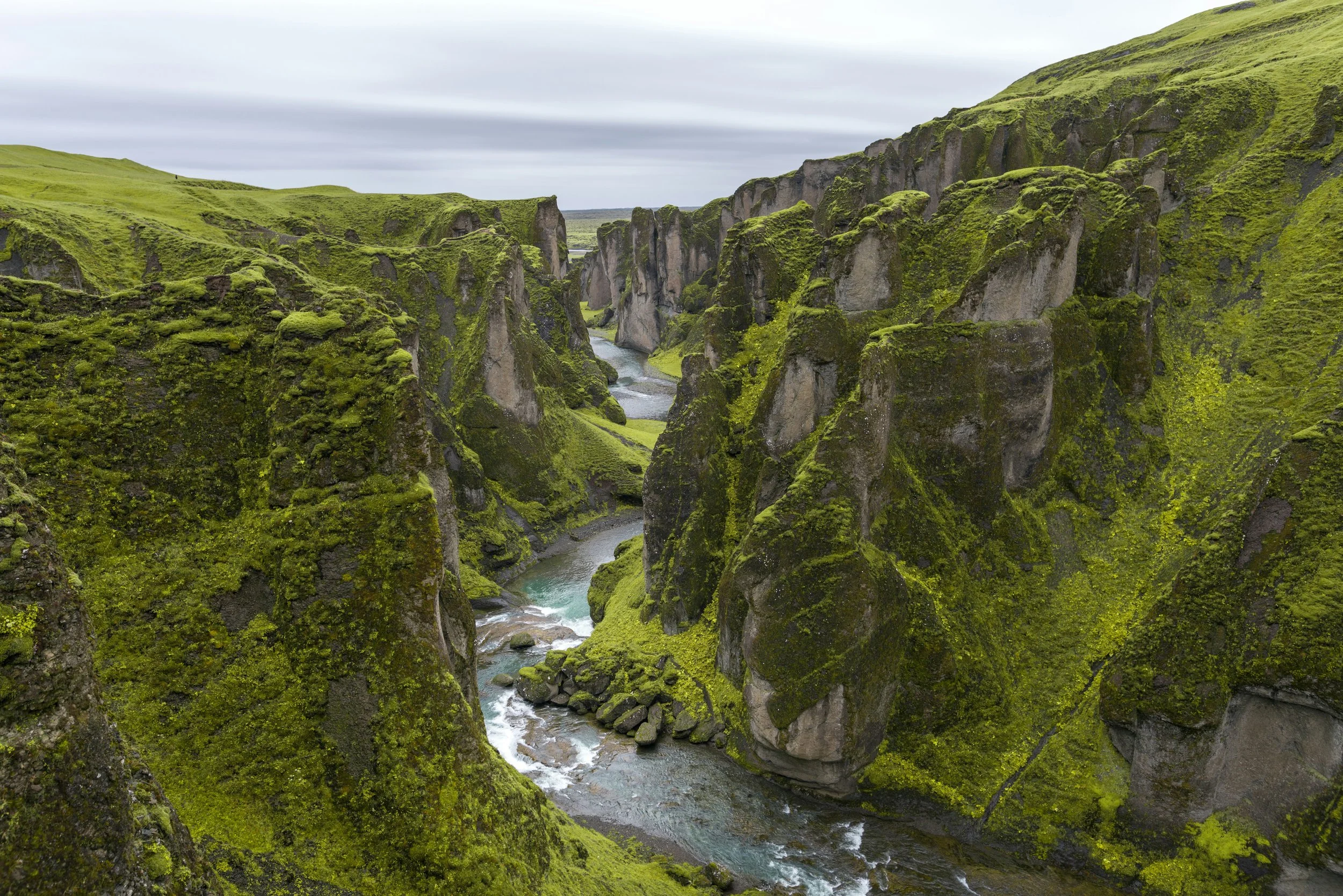
Iceland is one of the most geologically extraordinary places on earth, a volcanic island sitting astride the Mid-Atlantic Ridge where the North American and Eurasian tectonic plates are pulling apart at the rate of two centimetres a year, producing a landscape of lava fields, geysers, hot springs, glaciers and waterfalls that exists nowhere else in the world in such concentrated form. It is a country where you can stand in a fissure between two continents, where you can watch icebergs the size of houses calve from a glacier into a lagoon of extraordinary turquoise water, where you can swim in geothermally heated water surrounded by snow and where, on a clear night between September and March, you can watch the Northern Lights move across the sky in colours that no photograph adequately captures.
What makes Iceland exceptional for the private traveller is the access that genuine local knowledge provides in a landscape of this scale and this variability. The Northern Lights appear without warning and disappear just as quickly, and knowing where to go on any given night, reading the aurora forecast and the cloud cover together and making the decision to drive two hours north or to stay on the South Coast, is the difference between witnessing the phenomenon and missing it entirely. The glacier that reveals its finest ice caves only to those who know which formations are stable enough to enter safely at which time of year. The hot spring that appears on no tourist map and that requires a fifteen-minute walk across a lava field to find. Iceland gives its greatest depth to those who arrive with someone who knows it properly.
Many travellers combine Iceland with Scotland or Norway for a broader Nordic journey, or use it as a standalone destination that rewards multiple visits across different seasons.
Explore our full Europe hub for more inspiring destinations.
Best Time to Visit ICELAND
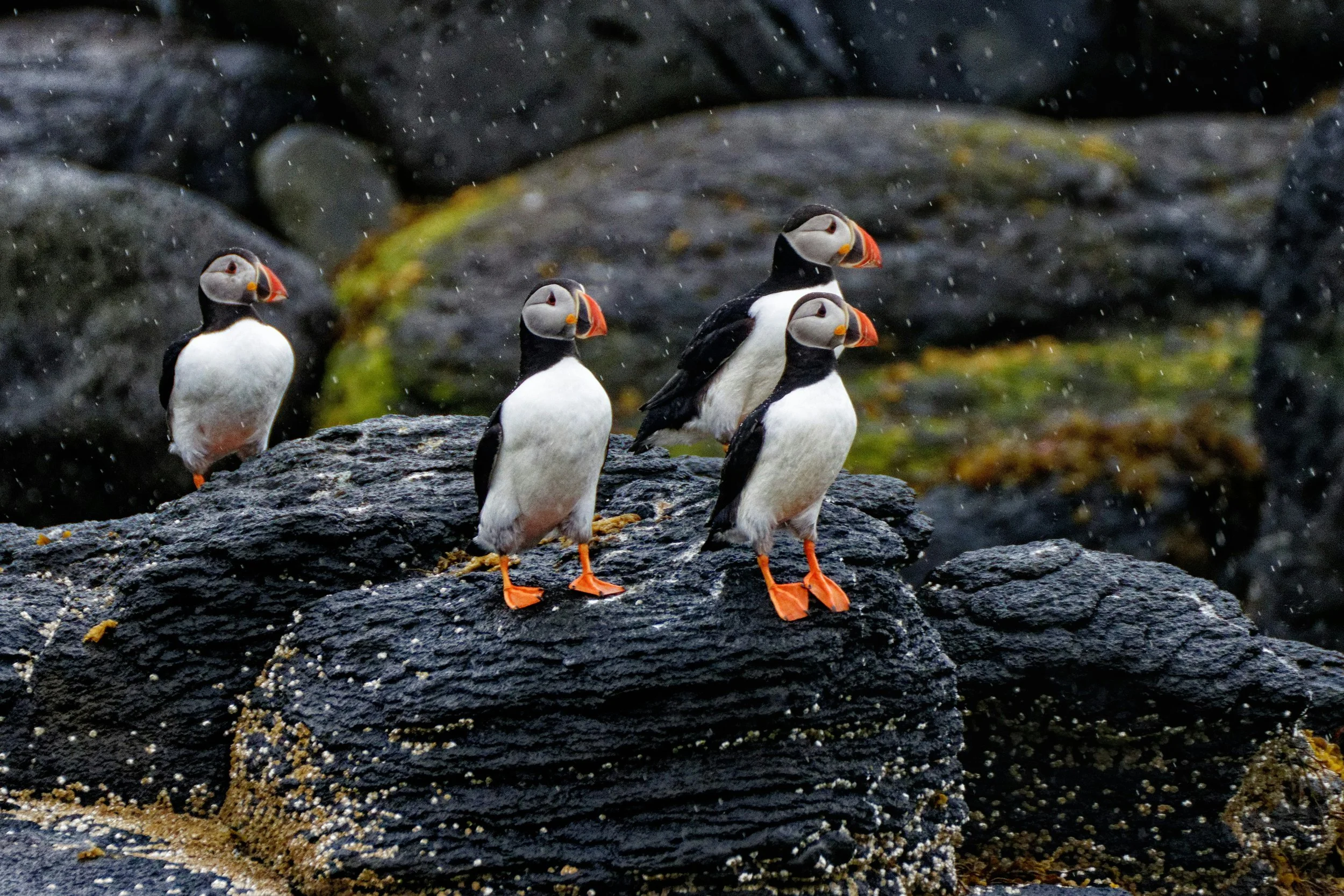
June to August is the midnight sun season, when Iceland receives up to twenty-four hours of daylight and the landscape is at its most vivid and most accessible. The highland roads open, the waterfalls are at their most powerful from the snowmelt, the puffin colonies on the Vestfjords are at full population and the dramatic quality of the midnight light, which turns the landscape amber and gold at an hour when the rest of the world is dark, produces conditions for photography and for simply being outside that are entirely specific to this latitude and this season.
September to November is our most recommended window for those wanting to combine the possibility of Northern Lights with the last warmth of the Icelandic autumn. The nights are lengthening, the aurora season is beginning, the summer crowds have dispersed and the landscape takes on the extraordinary colour of the Icelandic autumn, with the mosses and sedges of the lava fields turning gold and orange against the dark basalt. September in Iceland is one of the finest single months available in northern Europe for private travel.
December to February is the deep winter and the prime Northern Lights season, when the nights are at their longest and the aurora activity is most consistently available. This is also the season for ice cave exploration inside the Vatnajökull glacier, which produces ice formations of extraordinary blue and white beauty that are only stable and safe to enter during the coldest months. Winter Iceland, with its frozen waterfalls, snow-covered lava fields and the specific silence of the landscape in deep cold, is a completely different destination from the summer version and one that rewards those who are prepared for it.
March to May is the shoulder season and in many ways the most rewarding window of all, combining the tail of the Northern Lights season with the return of the light and the dramatic snowmelt that transforms the waterfalls and the river valleys. The roads are beginning to open, the crowds have not yet arrived and the specific quality of the Arctic spring light, long and golden and low on the horizon, is one of the most beautiful conditions available in the northern hemisphere.
DISCOVER ICELAND REGIONS
From the extraordinary glacier lagoon of the southeast and the dramatic volcanic landscapes of the north to the waterfalls, geysers and black sand beaches of the South Coast and the Golden Circle, each region of Iceland offers a completely distinct private journey.
THE GLACIER LAGOON: VATNAJÖKULL AND THE SOUTHEAST
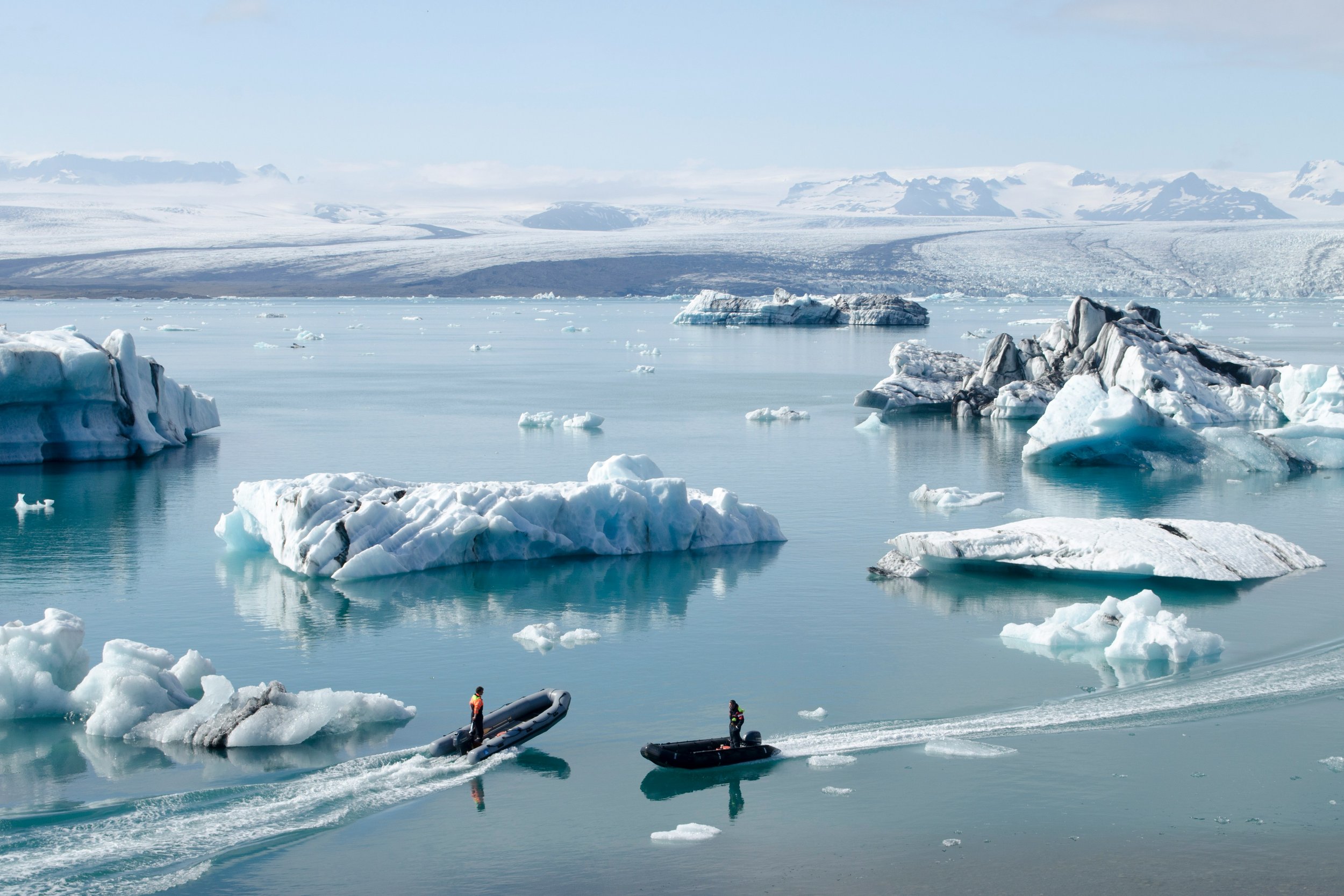
The Jökulsárlón glacier lagoon in the southeast of Iceland, where icebergs calved from the Vatnajökull ice cap drift through a lagoon of extraordinary turquoise water before reaching the black sand beach of the Atlantic, is one of the most visually overwhelming natural landscapes in Europe. The ice formations change colour with the light, moving from white to blue to turquoise to gold in the course of a single afternoon, and the silence of the lagoon, broken only by the sound of ice moving and occasionally cracking, is one of the most extraordinary acoustic environments available anywhere in Iceland. Vatnajökull itself, the largest glacier in Europe by volume, contains ice caves of extraordinary beauty that are accessible only in winter with a specialist glacier guide.
NORTHERN ICELAND: WILDERNESS, HOT SPRINGS AND REMOTE LANDSCAPES
Northern Iceland is the least visited and most dramatically remote region of the country, a landscape of volcanic plateaux, extraordinary hot spring valleys and the extraordinary Húsavík whale watching waters that consistently produce some of the finest humpback whale encounters in the North Atlantic. The Deplar Farm area of the Fljót valley in the north, accessible by small aircraft and surrounded by mountains that offer heli-skiing in winter and extraordinary hiking in summer, represents the finest private wilderness experience Iceland has to offer. The Mývatn lake district, with its extraordinary pseudo-crater landscape, its geothermally active lava fields and the extraordinary Mývatn Nature Baths, is one of the most geologically rich areas in a country that is entirely geologically extraordinary.

SOUTH COAST AND THE GOLDEN CIRCLE
The South Coast of Iceland, the route that runs from Reykjavík east along the Atlantic shore past the black sand beaches of Reynisfjara, the waterfall curtains of Seljalandsfoss and Skógafoss and the glacier tongues that descend from the Eyjafjallajökull ice cap to the coastal plain, is the most accessible and most dramatically varied landscape in Iceland. The Golden Circle, the classic day-trip route from Reykjavík that takes in the geysers of Geysir, the waterfalls of Gullfoss and the tectonic rift valley of Þingvellir where the Althing, the world's oldest parliament, has been meeting since 930 AD, provides the essential introduction to Icelandic geology and history in a single day.
Signature Experiences in ICELAND
Iceland rewards those who go beyond the obvious and allow a guide who knows the landscape and its specific rhythms to design something genuinely extraordinary. From Northern Lights hunting on a clear September night and ice trekking in the blue caverns of Vatnajökull to diving in the tectonic fissure of Silfra and a horseback ride along the black sand beaches of the South Coast, these are the moments we build every Iceland journey around.
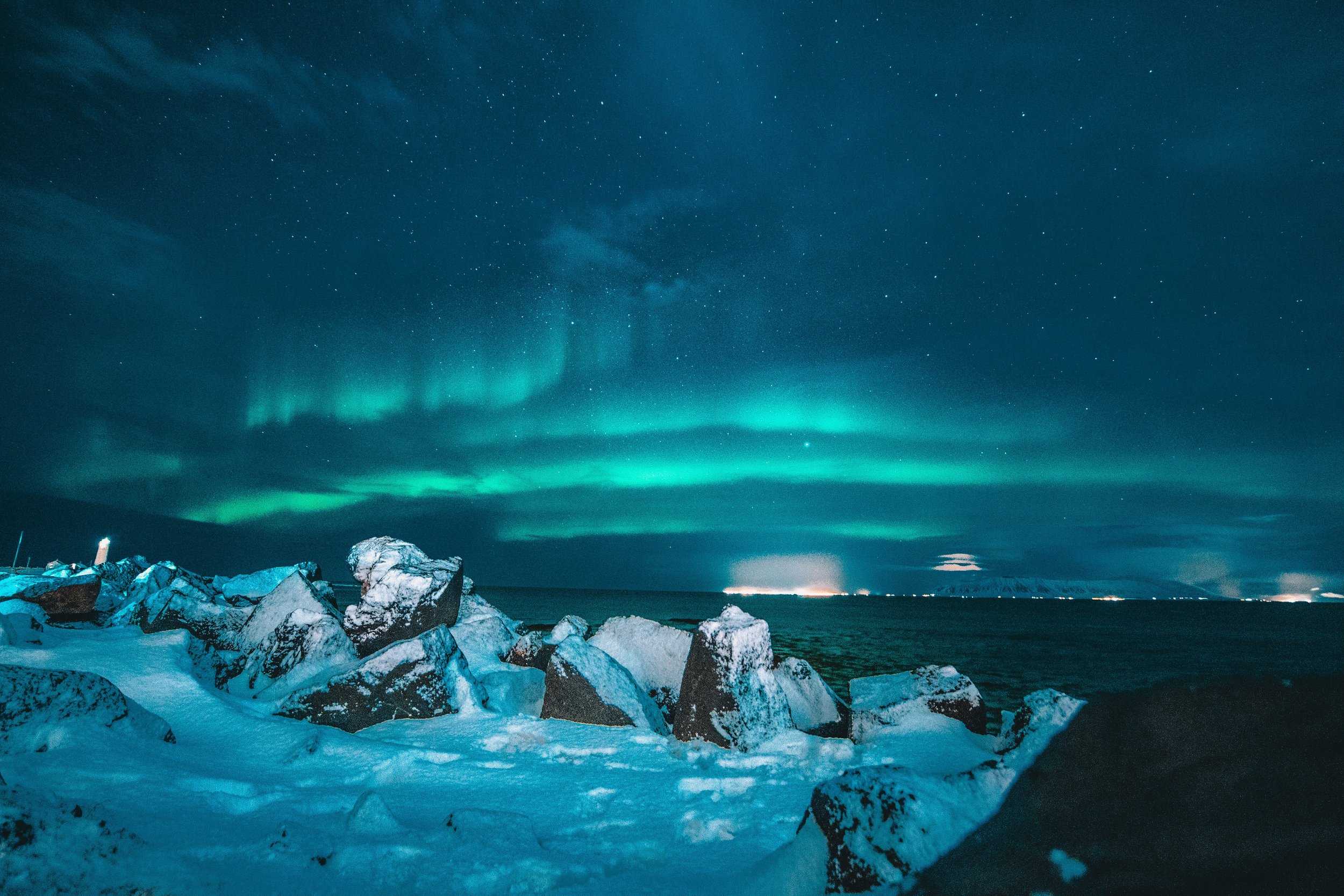
NORTHERN LIGHTS HUNTING
The aurora borealis appears without warning and disappears just as quickly, and witnessing it properly requires knowing where to go on any given night based on the aurora forecast, the cloud cover and the specific geography of the region. A private Northern Lights hunt, driving away from the light pollution of Reykjavík to a location chosen for the specific conditions of that night, with a guide who has been reading these skies for years and who can position you correctly when the lights appear, is the experience that separates a genuine aurora encounter from a distant green smear on the horizon.
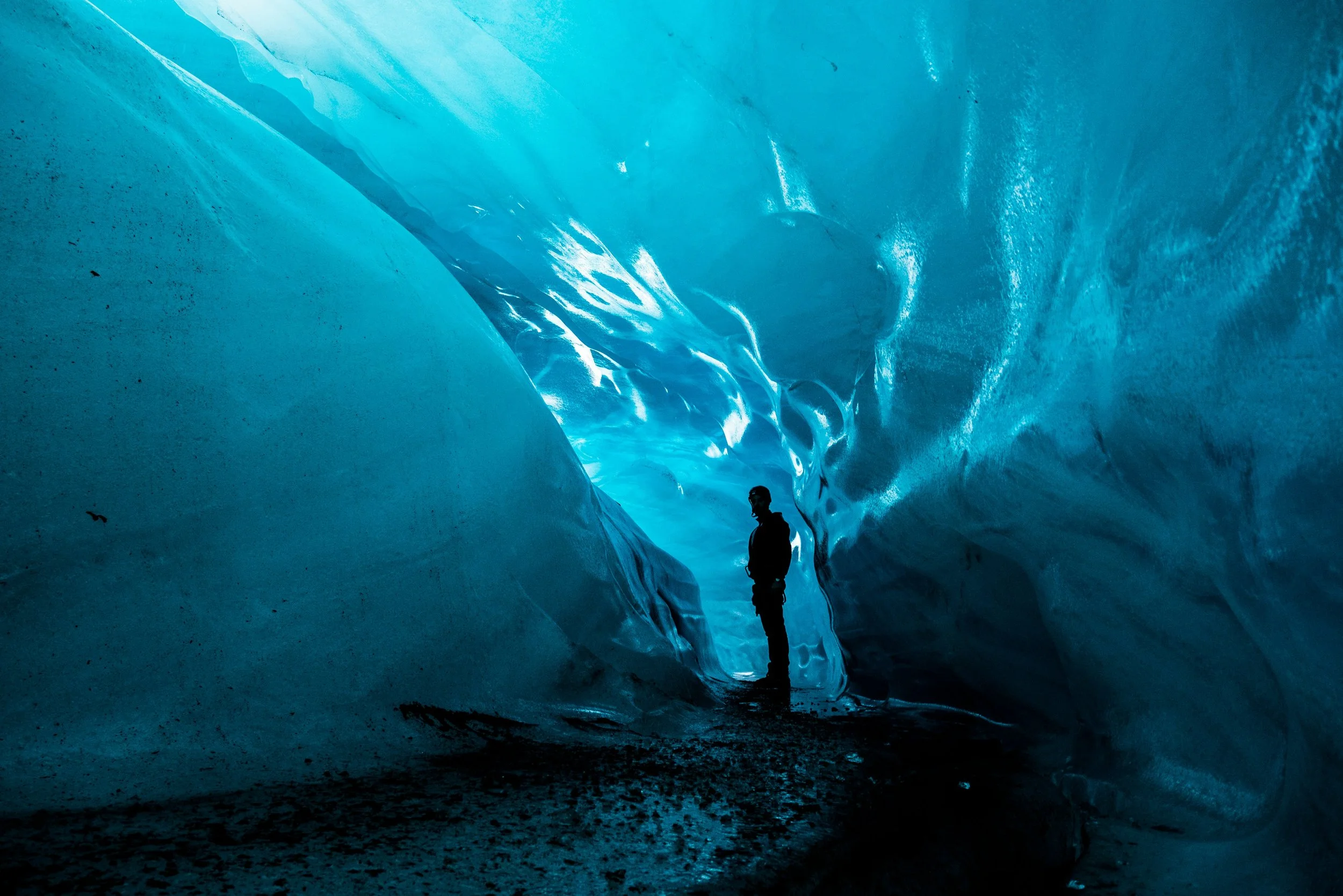
ICE TREKKING ON VATNAJÖKULL
The Vatnajökull glacier, the largest in Europe by volume, contains ice formations of extraordinary beauty that are accessible on foot with crampons and a specialist glacier guide. In winter the blue ice caves that form beneath the glacier produce spaces of such extraordinary colour and silence that they consistently overwhelm visitors who thought they knew what ice looked like. A private ice trekking experience, timed for the winter months when the caves are at their most stable and most spectacular, is one of the most genuinely extraordinary natural experiences available in Europe.
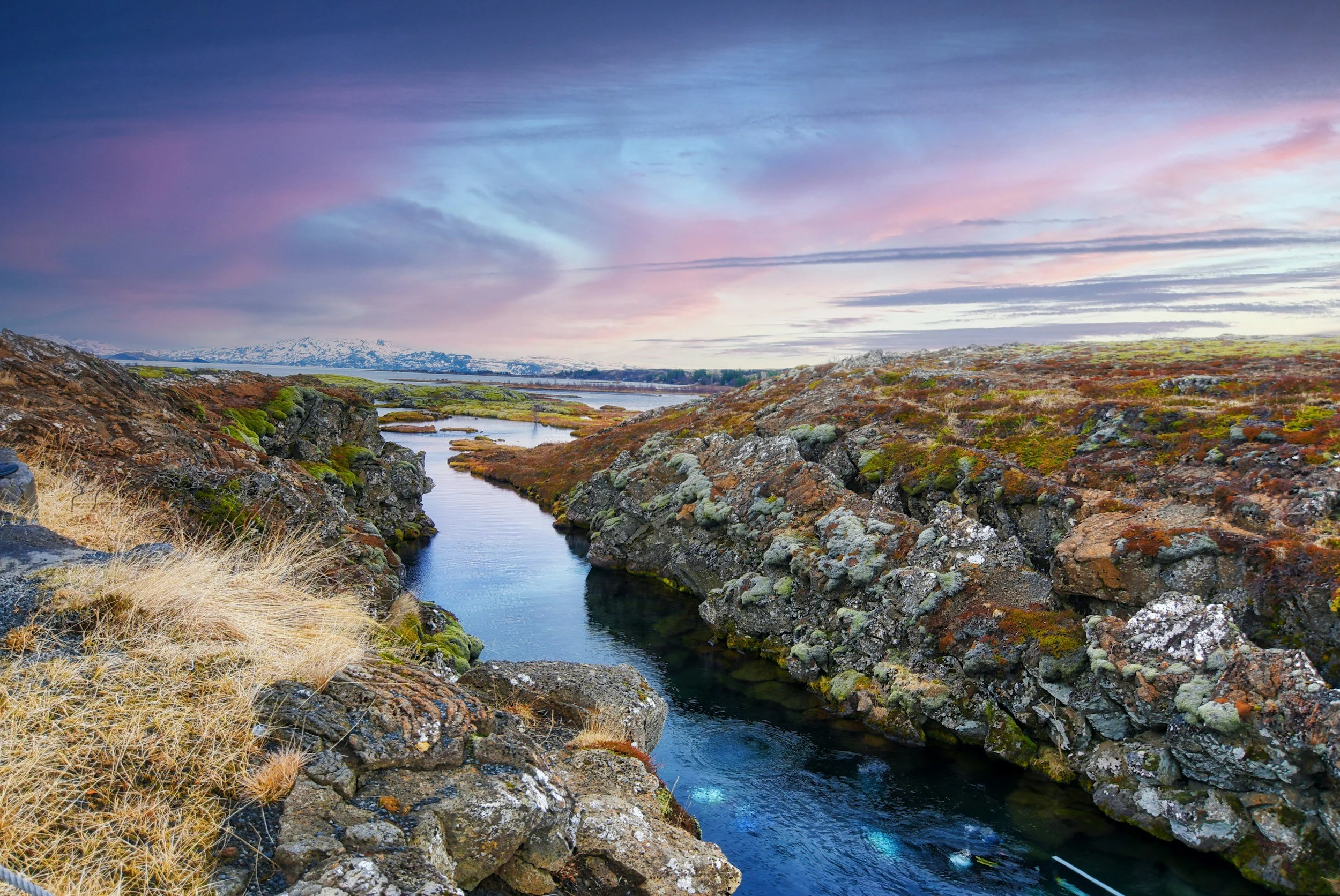
DIVING IN SILFRA
The Silfra fissure in Þingvellir National Park, where glacial meltwater filtered through volcanic rock for decades emerges with a clarity that allows visibility of over one hundred metres, is the only place on earth where you can dive between two tectonic plates simultaneously. The water temperature is a constant two degrees Celsius year-round and the visibility, in water of extraordinary blue-green clarity, produces an underwater experience unlike any other dive site in the world. A private dive with a specialist guide who can explain the specific geology of the fissure as you move through it gives the experience a scientific depth that adds to the extraordinary visual one.

HORSEBACK RIDING ON THE SOUTH COAST
The Icelandic horse, a breed that has been isolated on the island for over a thousand years and that has developed a fifth gait, the tölt, found in no other horse breed in the world, is one of the most distinctive and most pleasurable riding animals available anywhere. A private horseback ride along the South Coast, moving across the black sand beaches with the Atlantic on one side and the glacier-capped mountains on the other, with a guide who can introduce you to the specific character of the Icelandic horse and the riding tradition that has been central to Icelandic life since the Viking settlement, is one of the most specifically Icelandic experiences available.
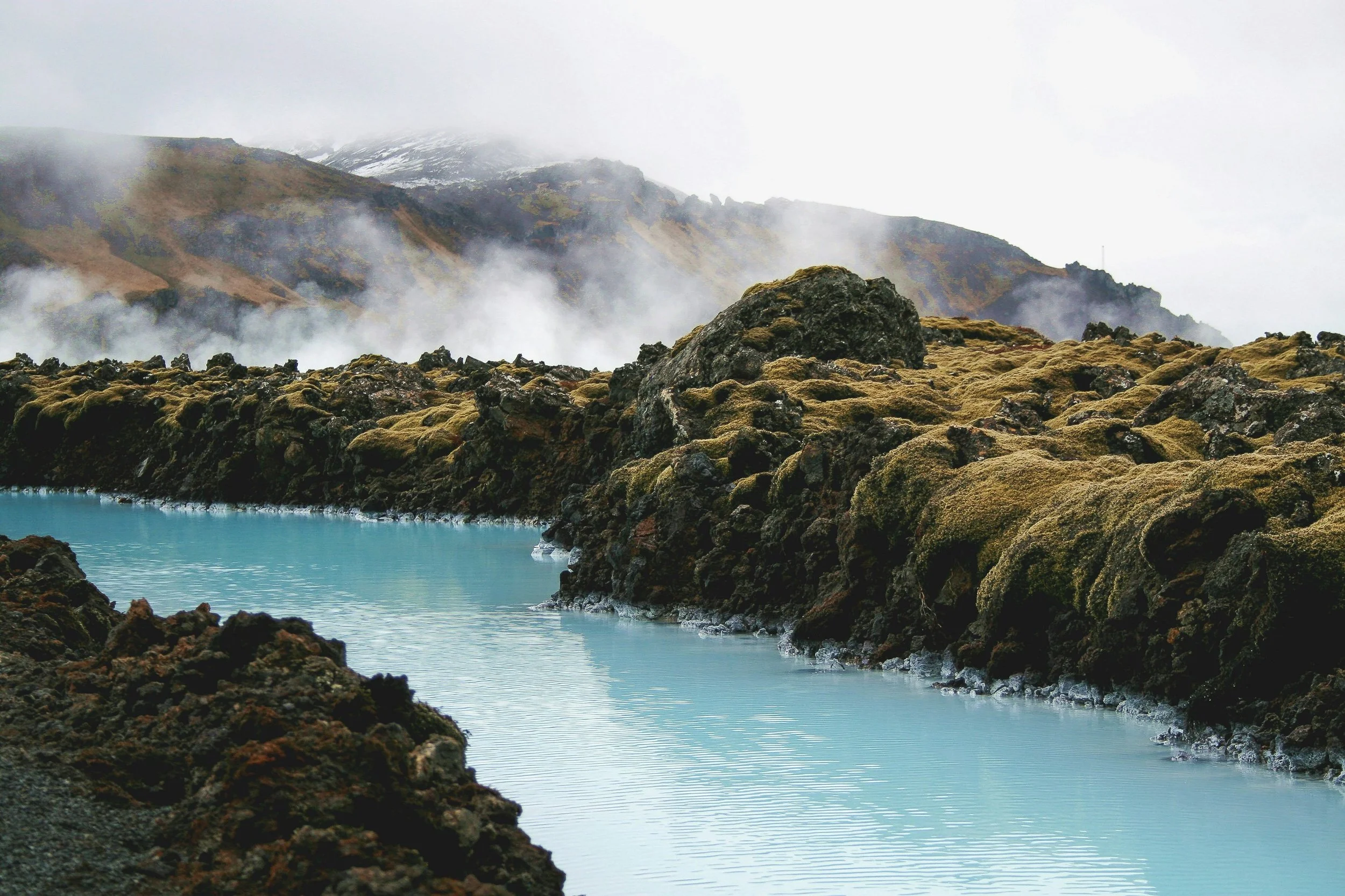
THE BLUE LAGOON
The Blue Lagoon, the geothermally heated seawater lagoon in the lava fields of the Reykjanes Peninsula whose milky blue water is rich in silica, algae and mineral salts, is the most famous wellness destination in Iceland and one of the most extraordinary bathing environments in the world. A private early morning visit, arriving before the main visitor groups and floating in the warm water as the steam rises around you and the lava field stretches to the horizon in every direction, is the right way to experience a place that is genuinely extraordinary when encountered with the space and the silence it deserves.
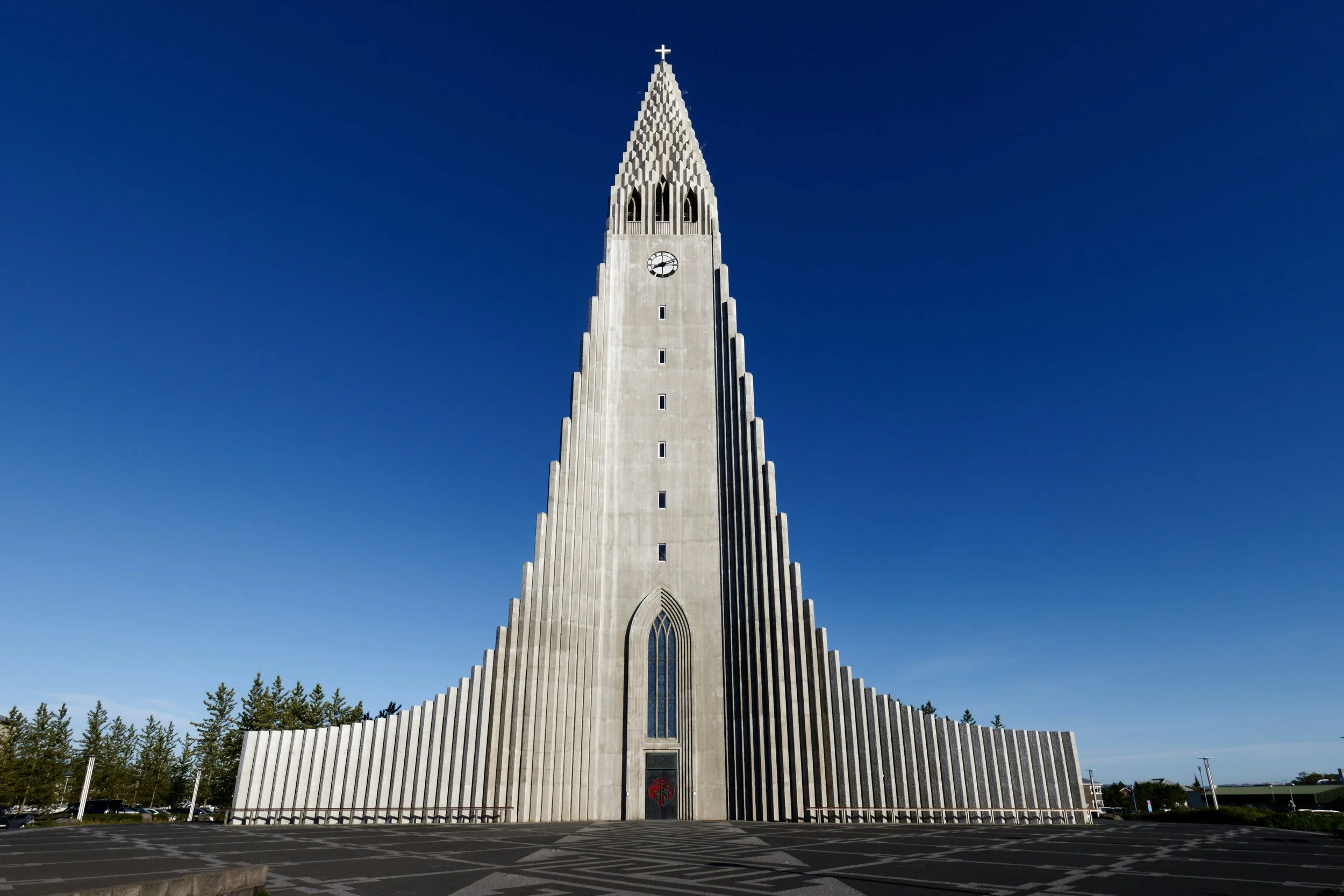
REYKJAVÍK: THE WORLD'S NORTHERNMOST CAPITAL
Reykjavík is the smallest capital in Europe and one of the most characterful, a city of brightly coloured corrugated iron houses, extraordinary geothermal energy and a food scene built on Arctic char, langoustines and lamb raised on volcanic pastures. The Hallgrímskirkja church, the National Museum and the Harpa concert hall on the harbour are the essential starting points for a city that operates on an entirely different scale from any other European capital.
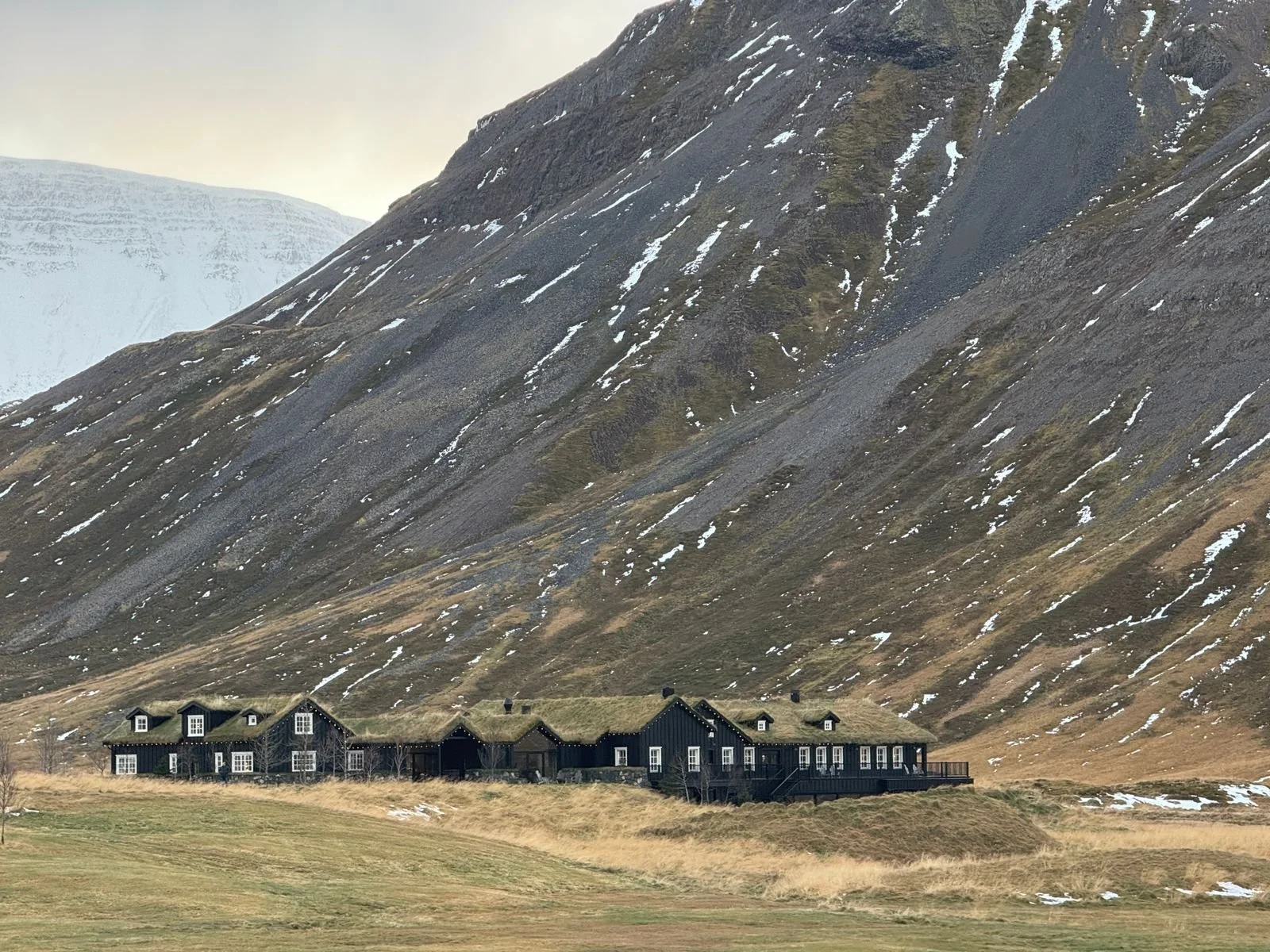
DEPLAR FARM
Deplar Farm in the remote Fljót valley of northern Iceland, accessible only by small aircraft and surrounded by mountains that descend directly to the fjord, is one of the most extraordinary private retreat experiences in Europe. In winter it is the finest heli-skiing destination in Iceland. In summer the same mountains offer hiking, fishing and horseback riding of extraordinary quality in a landscape of complete solitude. A stay here, with the farm entirely at your disposal and the northern Iceland wilderness in every direction, is unlike anything else the country offers.
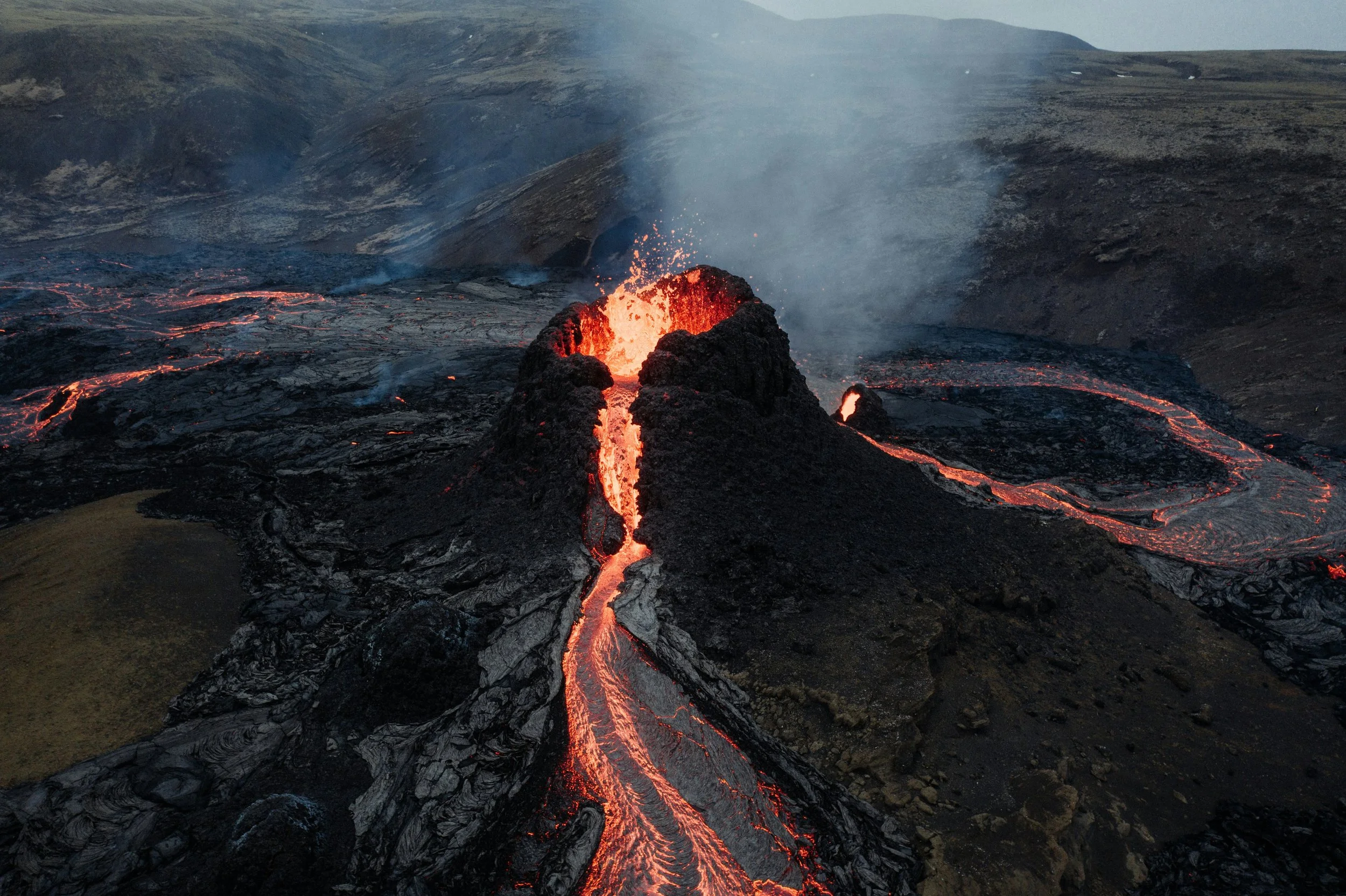
LAVA FIELDS AND VOLCANIC LANDSCAPES
Iceland's volcanic landscape, from the vast Eldraun lava field that covers more than five hundred square kilometres following the Laki eruption of 1783 to the actively steaming vents of the Reykjanes Peninsula and the extraordinary lava tubes that wind beneath the surface for kilometres, is one of the most geologically dramatic environments on earth. A private guided exploration of the lava fields, understanding the specific eruption history of each formation and walking through lava tubes with a geologist who can explain what the cooling rock reveals about the specific conditions of each eruption, gives Iceland's volcanic heritage a depth that the standard sightseeing route never reaches.
Frequently Asked Questions About Traveling to ICELAND
-
Iceland offers extraordinary experiences year-round but the season determines what is available. June to August is the midnight sun season, ideal for hiking, whale watching and accessing the highlands. September to November combines the last warmth of autumn with the beginning of Northern Lights season. December to February is prime Northern Lights and ice cave season. March to May offers the tail of the aurora season with the drama of the snowmelt. We recommend the season based on what you want to experience rather than a single optimal window.
-
We recommend a minimum of seven days for a first Iceland journey that covers Reykjavík, the South Coast and Golden Circle and at least one overnight in the glacier lagoon region. Those wanting to add northern Iceland, whale watching in Húsavík and the Deplar Farm wilderness experience should plan for ten to twelve days. Iceland rewards those who move slowly enough to respond to the weather and the aurora forecast rather than following a fixed daily schedule.
-
The Northern Lights are visible in Iceland between September and March on nights with sufficient aurora activity and clear skies. The aurora forecast, rated on a scale of zero to nine, gives a good indication of likely activity, but cloud cover is the most significant limiting factor and Iceland's weather changes rapidly. A private journey designed with Northern Lights hunting as a priority includes flexible scheduling that allows the itinerary to respond to the conditions of each night rather than following a fixed route.
-
The ice caves that form beneath the Vatnajökull glacier each winter are among the most extraordinary natural wonders in Europe, spaces of extraordinary blue and white ice formed by the movement of meltwater through the glacier during summer and revealed by the cold of winter. They are accessible only between November and March, when the ice is sufficiently stable for guided visits, and only with a specialist glacier guide who monitors the specific formations and their stability throughout the season.
-
Iceland is consistently ranked among the safest countries in the world. The main considerations for private travellers are the specific hazards of the natural landscape, including the unpredictability of the weather, the danger of approaching active geothermal areas without a guide and the specific risks of glacier travel. A private guide who knows the landscape removes all of these concerns entirely and ensures that the extraordinary natural environments of Iceland can be experienced safely and confidently.
-
Iceland is a member of the Schengen Area. US and UK passport holders do not require a visa for stays of up to 90 days. We always confirm the latest entry requirements for your specific passport before travel.
-
Iceland pairs naturally with Scotland or Ireland for a broader North Atlantic island journey, or with the Scandinavian countries of Norway, Denmark and Sweden for those designing a Nordic circuit. The Westfjords of Iceland, one of the most remote and most extraordinary regions of the country, are best combined with a broader Iceland journey of at least ten days. We design all multi-destination itineraries as fully private and tailor-made.
-
Iceland is navigable independently and the Ring Road that circles the island makes it accessible by hire car. What a private guide adds is the ability to respond to the conditions in real time: moving north when the aurora forecast is strongest, knowing which glacier route is safe on any given day, finding the hot spring that appears on no tourist map and understanding the specific geological and cultural stories behind what you are seeing. Iceland's greatest experiences are available to independent travellers but accessible at their finest only to those who arrive with the right person beside them.
Plan Your ICELAND Journey
Iceland is a destination that rewards those who arrive prepared to respond to what the landscape offers rather than following a fixed itinerary. Tell us which season calls to you most and what you want to experience, and we will design a journey that puts you in the right place at the right moment.