
Emilia Romagna: The Region That Feeds the World
The birthplace of Parmigiano Reggiano, balsamic vinegar, Prosciutto di Parma and the fastest cars on earth.
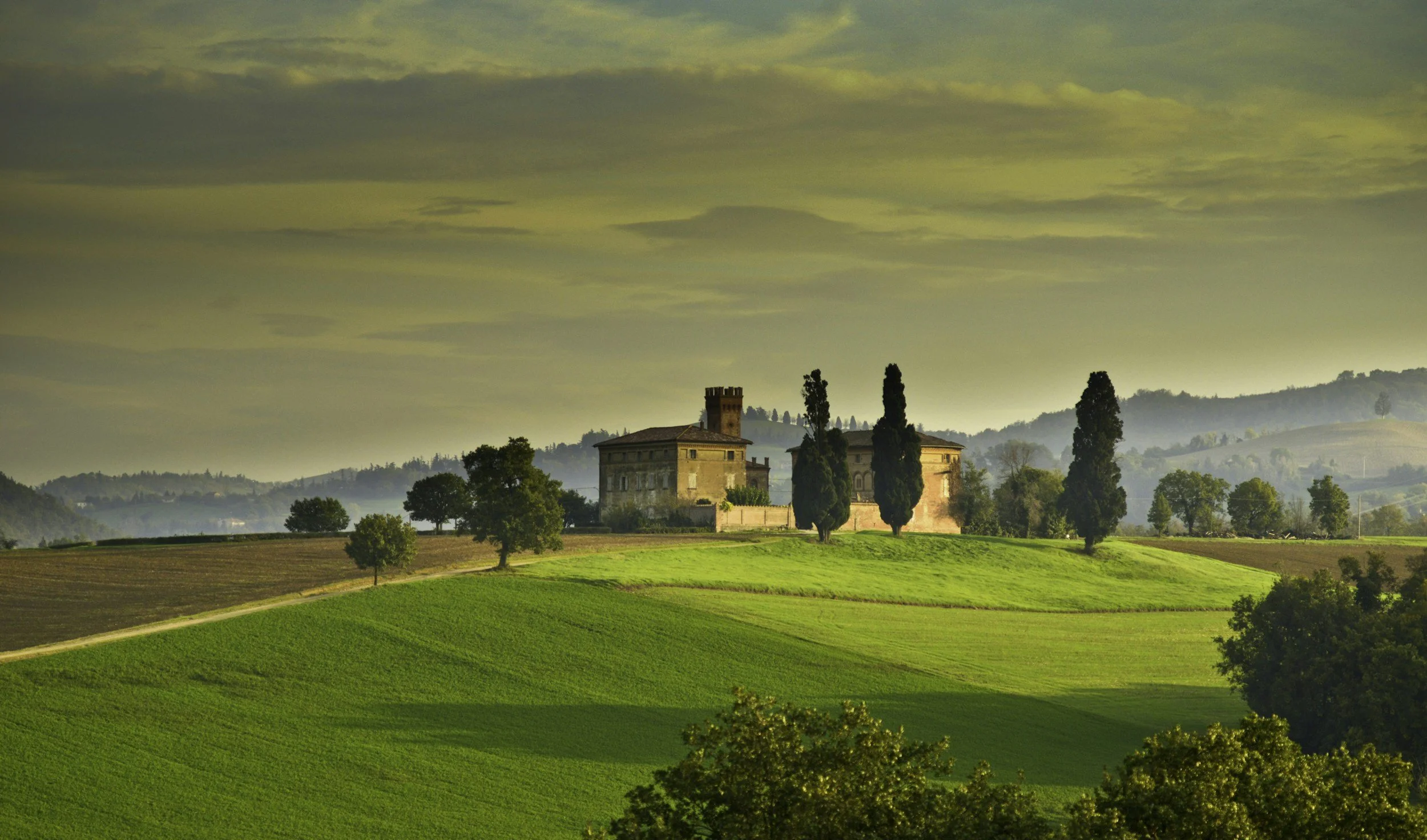
There is a region of Italy that does not appear on most travellers' itineraries and that the Italians themselves regard as the finest place in the country to eat. It is not Tuscany and it is not the Amalfi Coast. It is Emilia Romagna, the broad agricultural plain that runs between the Apennine mountains and the Po River across the northern part of the country, and it is responsible for a disproportionate share of everything the world associates with Italian food at its finest. Parmigiano Reggiano, Prosciutto di Parma, Mortadella, authentic Bolognese ragù, fresh egg pasta made by hand, Lambrusco, traditional balsamic vinegar aged for decades in wooden barrels in farmhouse attics: all of it comes from here. The region is also, somewhat improbably, home to the greatest concentration of supercar manufacturers on earth. Ferrari, Lamborghini, Maserati and Pagani all have their roots in the same stretch of the Po Valley, within an hour's drive of each other, which tells you something important about the particular kind of obsessive craft excellence that this region seems to produce regardless of whether the medium is food or engineering.
Emilia Romagna is not a region that announces itself. It does not have the dramatic coastlines of the south or the iconic hill towns of Tuscany. What it has is depth, the depth of a food culture that has been refining itself in the same landscapes with the same ingredients for centuries, and the depth of a craft tradition, whether in the aging rooms of a balsamic producer, the curing cellars of a prosciutto maker or the workshops of a supercar factory, that treats excellence not as an aspiration but as a minimum standard. The traveller who arrives with genuine curiosity and the right guide beside them will find one of the most rewarding and most specifically Italian experiences available anywhere in the country.
Bologna: the city that takes eating seriously
Bologna is the capital of Emilia Romagna and one of the great food cities of Europe, a university city of arcaded medieval streets and an extraordinary culinary tradition that has earned it the nickname La Grassa, the fat one, which is the highest compliment the Italian food culture knows how to pay. It is also one of the most liveable and least touristy major cities in Italy, a place where the daily life of the city, the markets, the neighbourhood restaurants, the covered arcades that allow you to walk the entire historic centre without ever stepping into the rain, is conducted at a pace and with an ease that the more visited cities of the north cannot replicate.
The food tour of Bologna is the essential first experience of Emilia Romagna and the right foundation for everything that follows. A private morning moving through the Quadrilatero, the ancient market district behind the Piazza Maggiore where the covered stalls and specialist food shops have been selling the region's finest produce for centuries, with a guide who can explain the difference between the various grades of Parmigiano Reggiano, the specific cuts of Prosciutto di Parma and the extraordinary variety of fresh pasta that changes by the neighbourhood and the season, gives the entire subsequent journey through the region a context and a vocabulary that transforms each producer visit from a pleasant excursion into something genuinely comprehended.
The fresh pasta of Bologna is in a category of its own. Tagliatelle al ragù, the authentic version of what the rest of the world calls Bolognese, is made here with egg pasta rolled to a specific thickness and combined with a sauce of slowly braised meat that bears almost no resemblance to the version served in restaurants outside Italy. Tortellini in brodo, the small pasta rings filled with a mixture of pork, mortadella and Parmigiano Reggiano and served in a clear capon broth, is the dish that Bolognesi argue about with the intensity that other Italians reserve for football. A private lunch in the right restaurant, with a guide who can explain what you are eating and why the specific technique matters, is one of the most educational and most pleasurable meals available anywhere in Italy.
The covered arcades of Bologna, the porticoes that line almost every street in the historic centre and that stretch for an extraordinary 38 kilometres through the city, are a UNESCO World Heritage Site and one of the most distinctive features of urban life in Emilia Romagna. Walking through them in the early morning, before the city fully wakes, with the light filtering through the arches and the market stalls beginning to set up in the side streets, is one of the finest urban walking experiences in northern Italy.

Parmigiano Reggiano: three ingredients and a thousand years
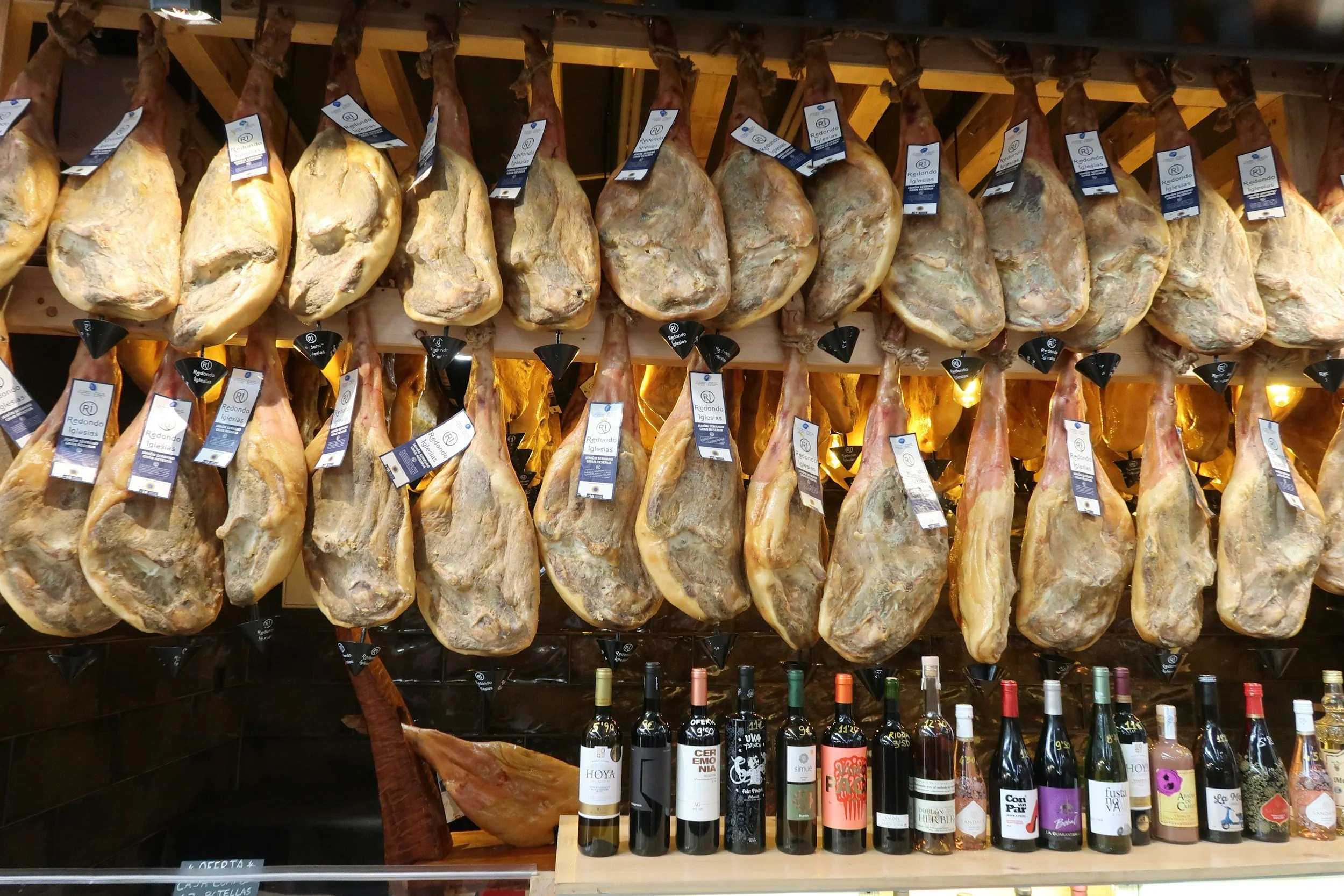
The production of Parmigiano Reggiano is one of the most tightly regulated food traditions in the world and one of the most extraordinary to witness. The cheese is made from only three ingredients: raw milk from the specific breeds of cattle that graze the pastures of the designated production zone, natural whey starter and salt. No additives, no preservatives, no shortcuts. The wheels, each one weighing approximately 40 kilograms, are formed by hand in the same sequence of steps that has been followed in this region for at least a thousand years and are aged for a minimum of twelve months, more commonly twenty-four or thirty-six, in the vast aging rooms where the wheels are turned and brushed at regular intervals by the same families who have been making this cheese for generations.
A private visit to a Parmigiano Reggiano dairy in the early morning, when the production process is at its most active and the cheesemakers are working the curd in the great copper vats, is one of the most compelling food production experiences available in Italy. The scale of the aging rooms, where thousands of wheels are stacked on wooden shelves from floor to ceiling in a space that smells of something between a library and a very fine cheese shop, is genuinely overwhelming. The tasting that follows, working through wheels of different ages and understanding how the crystalline texture and the intensity of flavour develop over time, gives Parmigiano Reggiano a depth of meaning that makes it impossible to encounter it afterwards without thinking about what went into making it.
The crust of a Parmigiano Reggiano wheel is entirely edible and entirely different from the cheese inside. Grilled until it blisters, or added to a broth or a soup where it dissolves slowly into the liquid, it is one of the most underused ingredients in Italian cooking and one of the most extraordinary flavour discoveries available to the visitor who arrives at a dairy with a good guide and an open mind.
Balsamic vinegar: the most patient condiment in the world
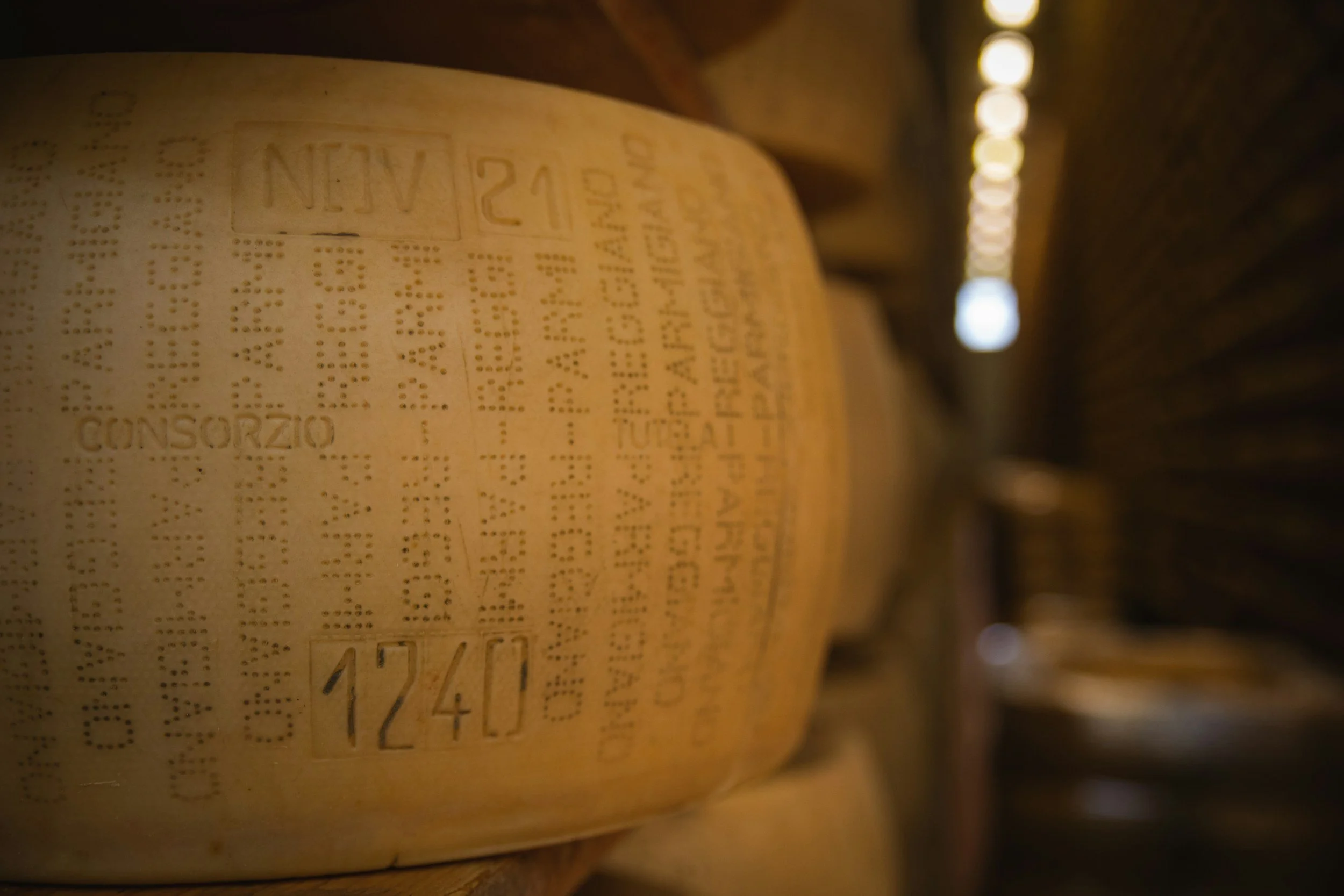
Traditional balsamic vinegar from Modena is one of the most misunderstood and most misrepresented food products in the world. The industrial balsamic vinegar sold in supermarkets across the globe, the thin dark liquid in the tall bottle, has almost nothing in common with the traditional Aceto Balsamico Tradizionale di Modena that has been produced in the farmhouse attics of Emilia Romagna for centuries. The traditional product is made from the cooked must of two grape varieties, Trebbiano and Lambrusco, fermented slowly in open barrels and then aged in a series of progressively smaller wooden barrels made from different woods, each one imparting its own character to the vinegar over years and decades.
The word balsamic comes from the Greek word for balm, reflecting the original medicinal use of the product as a curative and restorative. The oldest examples in the family producers of Modena date back over a century and a half, vinegar that has been moving between barrels in the same attic, under the same roof, tended by successive generations of the same family, for longer than most countries have had their current borders.
A private visit to one of the historic balsamic producers of Modena, with a tour of the acetaia where the barrels are stored and aged in the attic space where the temperature variations between summer and winter drive the slow concentration of the vinegar, followed by a tasting of products at different stages of aging, is one of the most specifically Italian and most genuinely educational food experiences available in the region. The difference between a vinegar aged twelve years and one aged twenty-five or fifty years is not simply a matter of degree. It is a completely different product, one that has transformed from a sharp condiment into something dense, sweet and extraordinarily complex that is eaten from a ceramic spoon with ice cream or dark chocolate or aged Parmigiano Reggiano and that requires no accompaniment beyond itself and a moment of genuine attention.
The tasting must be done with a ceramic or plastic spoon. Metal, including the finest steel, can alter the delicate chemistry of the vinegar and change the flavour in ways that distort the experience. It is a small detail that the producers of Modena mention with the seriousness of people who have been thinking about this specific question for a very long time.
Prosciutto di Parma: the art of doing nothing to a perfect thing
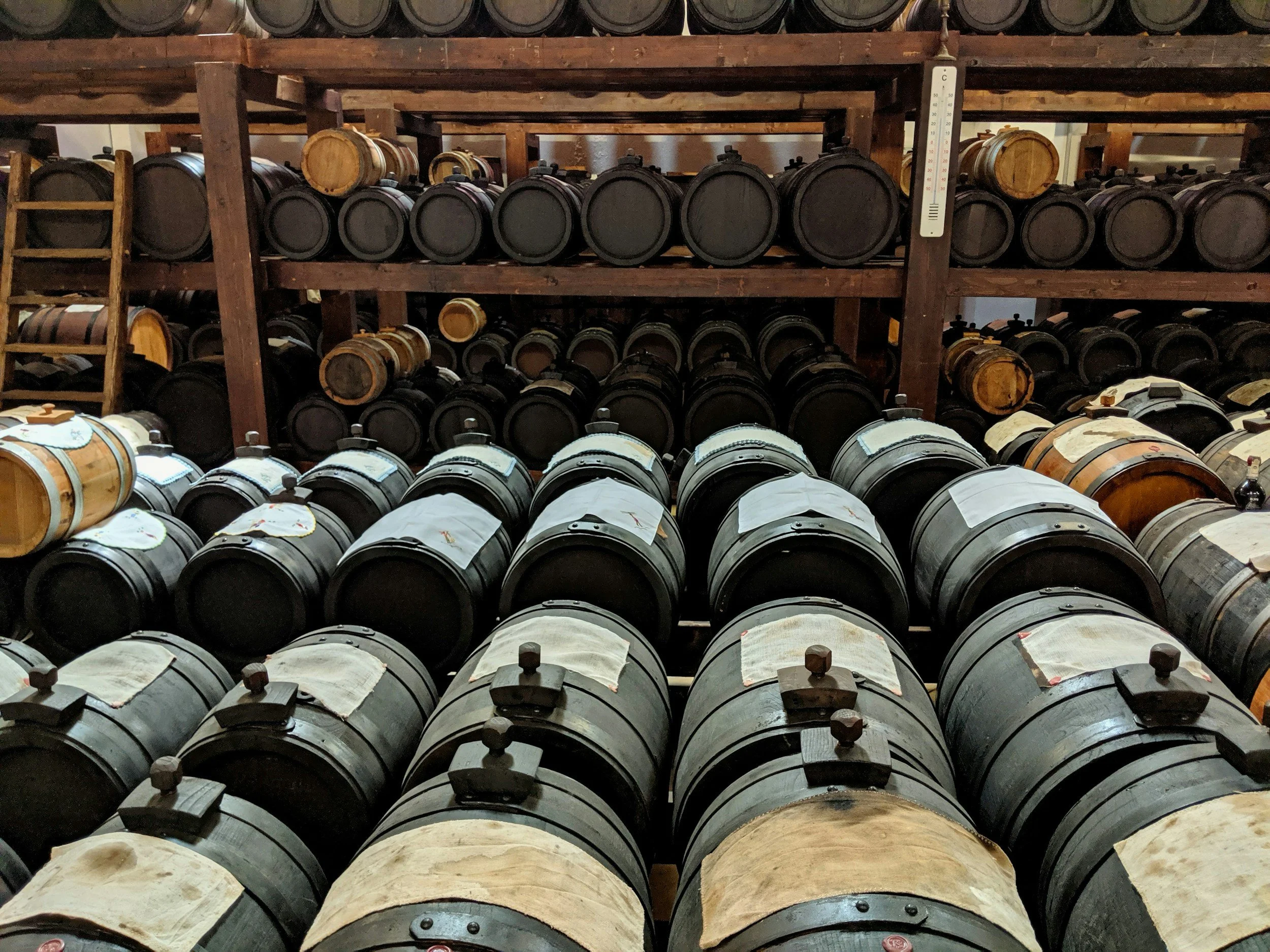
The production of Prosciutto di Parma is governed by one of the most rigorous designations of origin in Italian food law and has been practised in the hills around Parma for at least two thousand years. The specific microclimate of the hills south of the city, where the air that comes over the Apennines from the Ligurian coast carries a particular saltiness and dryness that is found nowhere else in Italy, is the essential condition for the production of the ham. The pigs, bred and fed to a specific protocol that produces the precise fat content required, are cured with sea salt and then hung in the curing rooms where the mountain air does the rest.
The process takes a minimum of twelve months and more commonly twenty-four or thirty-six for the finest examples. During that time, nothing is added. No smoke, no spices, no preservatives beyond the initial salt. The result is a ham of extraordinary delicacy, the fat rendered sweet and creamy by the long aging, the meat a deep rose colour with a flavour of extraordinary complexity that reflects the specific conditions of its production in a way that cannot be replicated anywhere else.
A private visit to a Prosciutto di Parma producer in the hills around the city, walking through the curing rooms where thousands of hams hang in the current of mountain air, followed by a tasting of different ages of the ham with the producer, is one of the most quietly extraordinary food experiences available in Italy. The contrast between the simplicity of the process, salt and air and time, and the complexity of the result is one of the finest arguments for the Italian food philosophy that the best ingredients, treated with respect and patience, require nothing more than the right conditions and enough time.
Modena and Massimo Bottura
Modena is a city of layered extraordinariness. It is home to the Duomo and the Torre Ghirlandina, a UNESCO World Heritage Site of Romanesque architecture that is one of the finest in northern Italy. It is the birthplace of Luciano Pavarotti, whose voice is still heard everywhere in the city in the way that only the greatest artists become inseparable from the places that produced them. It is the home of Ferrari and the Motor Valley. And it is where Massimo Bottura opened Osteria Francescana, the restaurant that has been ranked the best in the world and that has done more than any other single project to articulate the idea that Italian regional cooking is not a tradition to be preserved but a living culture to be interrogated, expanded and continually reinvented.
Bottura's cooking is built on the specific ingredients of Emilia Romagna, Parmigiano Reggiano, Prosciutto di Parma, traditional balsamic vinegar and the egg pasta tradition of Bologna, but it approaches them with a conceptual rigour and a creative ambition that has nothing to do with nostalgia. His most famous dish, Five Ages of Parmigiano Reggiano, presents the cheese at five different temperatures and textures simultaneously, exploring its chemistry and its flavour with the precision of a scientist and the sensibility of an artist. Getting a table at Osteria Francescana requires planning many months in advance and reflects an ambition for a specific kind of experience. For those who want to understand why Emilia Romagna is considered the finest food region in Italy, it is the most concentrated and most eloquent single argument available.

The Motor Valley: Ferrari, Lamborghini and the supercar road
The concentration of supercar manufacturers in the Po Valley is one of the most improbable facts about Emilia Romagna and one of the most revealing about the character of the region. Ferrari in Maranello, Lamborghini near Bologna, Maserati in Modena and Pagani in San Cesario sul Panaro are all within an hour's drive of each other, all founded by individuals from this specific part of Italy and all reflecting the same regional character: an obsession with craft, a refusal to accept anything less than absolute precision and a particular relationship with excellence that treats it not as an achievement to be celebrated but as a baseline to be maintained.
A private Motor Valley experience moves through the factories and museums of the region with a depth that the public visitor experience cannot provide. The Ferrari Museum in Maranello contains the most comprehensive collection of the company's racing and road history anywhere in the world, but it is the factory tour, seeing the cars being assembled by hand in the production facility, that gives the Ferrari story its proper context. The Lamborghini museum and factory in Sant'Agata Bolognese tells a completely different story, that of a tractor manufacturer who decided to build a better sports car than Ferrari and whose rivalry with his neighbour across the valley produced some of the finest automotive design of the twentieth century.
The drive itself, taking a Ferrari or Lamborghini from the factory and driving the roads of the Po Valley and the Apennine foothills with a guide who knows the routes and the history, is the experience that brings everything together. The same region that produces the most patient and most time-intensive food traditions in the world also produces the fastest cars on earth. Both reflect the same underlying conviction: that the only acceptable standard is the absolute best.

How to experience Emilia Romagna privately
Emilia Romagna is a region that reveals itself through producers rather than monuments and through the time spent in the presence of people who have devoted their lives to a single craft. The fifth-generation balsamic maker in Modena who can taste a vinegar from a barrel and tell you within a few years how old it is. The cheesemaker in Parma whose family has been making Parmigiano Reggiano in the same dairy for a century. The prosciutto producer in the hills who can explain, in the specific language of their specific valley, why the air here and not anywhere else produces the ham that it does.
These experiences exist only through genuine local relationships and genuine local knowledge. Emilia Romagna is not a region that gives itself to the visitor who arrives with a guidebook and a hire car. It is a region that gives itself completely to the one who arrives with curiosity, patience and the right person to open the doors.
Ready to start planning your Italy journey? Explore our Italy destination page for more on regions, experiences and the best time to visit. When you are ready, get in touch and we will begin designing your journey around you..