
Galicia: Spain's Wild Atlantic Corner and the Finest Seafood in Europe
The Spain that surprises everyone who finds it. A Celtic coast, extraordinary shellfish and a city at the end of the world.
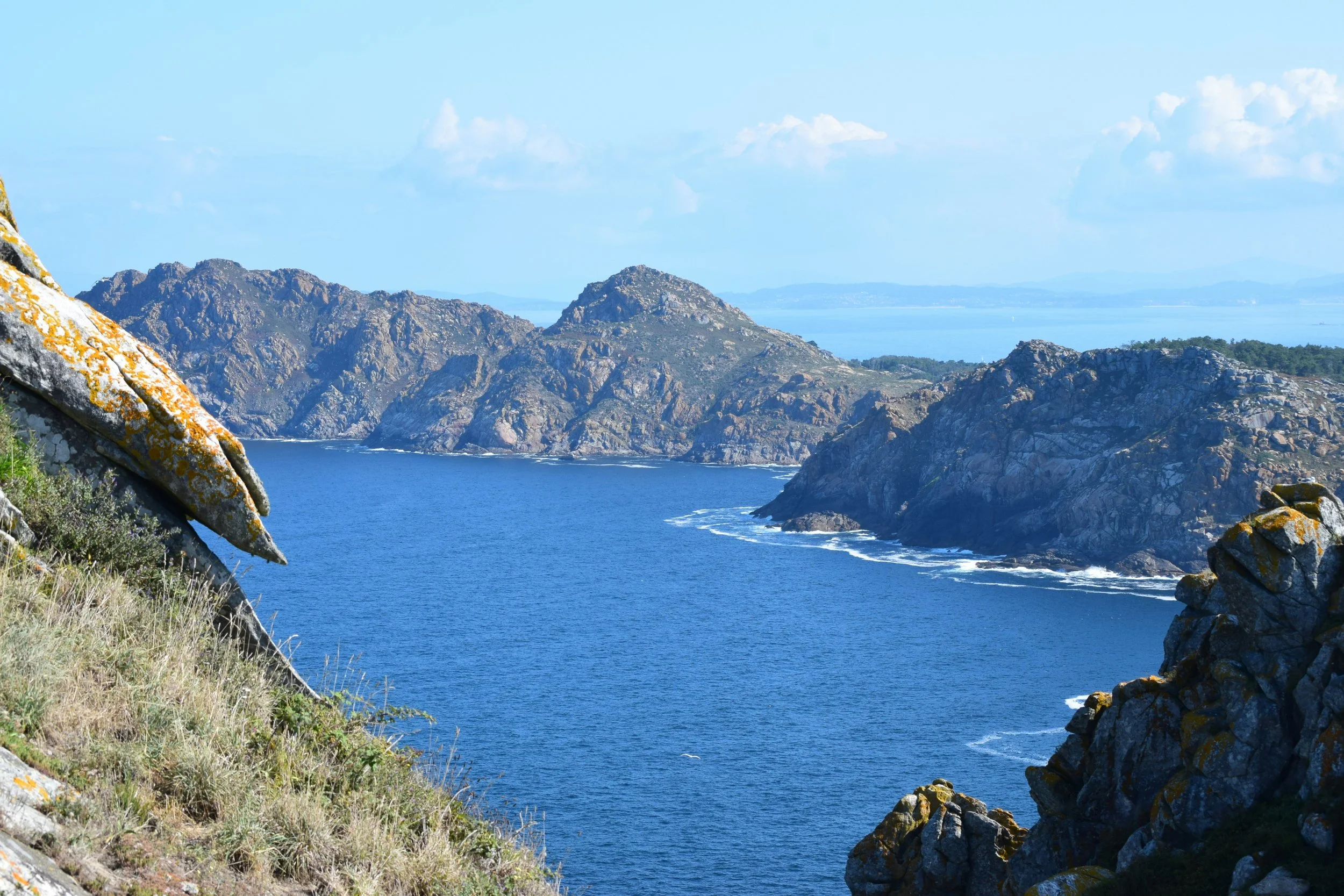
Galicia is the Spain that most visitors never reach and the Spain that those who do reach consistently describe as one of their finest travel discoveries. It sits in the far northwest corner of the Iberian Peninsula, where the Atlantic ocean meets a coastline of granite cliffs and deep sea inlets, and it has almost nothing in common with the Spain of sun, heat and flamenco that most international travellers carry in their imagination. The landscape is green and frequently misty. The architecture is granite rather than white plaster. The food is built on the extraordinary shellfish of the Atlantic and the Albariño wines of the Rías Baixas rather than olive oil and jamón. The language, Galician, is closer to Portuguese than to Castilian Spanish and reflects a cultural identity that is as much Celtic and Atlantic as it is Iberian and Mediterranean.
What makes Galicia exceptional for the private traveller is the combination of genuine cultural depth, extraordinary food and the particular quality of a region that has been largely bypassed by the mass tourism that has transformed other parts of Spain. The rías, the deep sea inlets that cut into the Atlantic coastline in shapes that resemble the Norwegian fjords, are among the most beautiful and most productive seafood waters in Europe. Santiago de Compostela, the endpoint of the Camino de Santiago pilgrimage and one of the finest medieval cities in Spain, is a destination of extraordinary architectural and historical richness that most international visitors experience only as a transit point after walking the Camino rather than as a destination in its own right.
Santiago de Compostela: the city at the end of the pilgrimage
Santiago de Compostela is one of the three great pilgrimage cities of medieval Christianity alongside Rome and Jerusalem, the supposed resting place of the apostle Saint James and the endpoint of the Camino de Santiago routes that cross Europe from as far east as Hungary. The city that grew up around the pilgrimage is one of the finest concentrations of Romanesque and baroque architecture in Spain, its cathedral, its plazas and its covered arcaded streets forming a coherent medieval urban landscape of extraordinary quality that has been maintained and in many parts preserved with a care that reflects the continued significance of the pilgrimage tradition.
The Cathedral of Santiago de Compostela, whose baroque western facade dominates the Praza do Obradoiro, is the physical and spiritual heart of the city. A private visit before the daily pilgrim mass, moving through the cathedral with a guide who can explain the specific history of the building and the archaeological evidence for the presence of the saint's remains beneath the altar, gives the cathedral the depth and the gravity that the standard tourist visit, which arrives at the same time as the pilgrims and the tour groups, cannot always provide.
The Praza do Obradoiro itself, the great square in front of the cathedral that is the traditional endpoint of the Camino and where pilgrims arrive and collapse in tears and exhaustion after weeks of walking, is one of the finest urban spaces in Spain. The specific quality of the granite in the afternoon light, the way the baroque towers of the cathedral change colour between morning and evening, and the particular atmosphere of a square that has been receiving travellers from across the world for a thousand years, are things that reward time and attention.
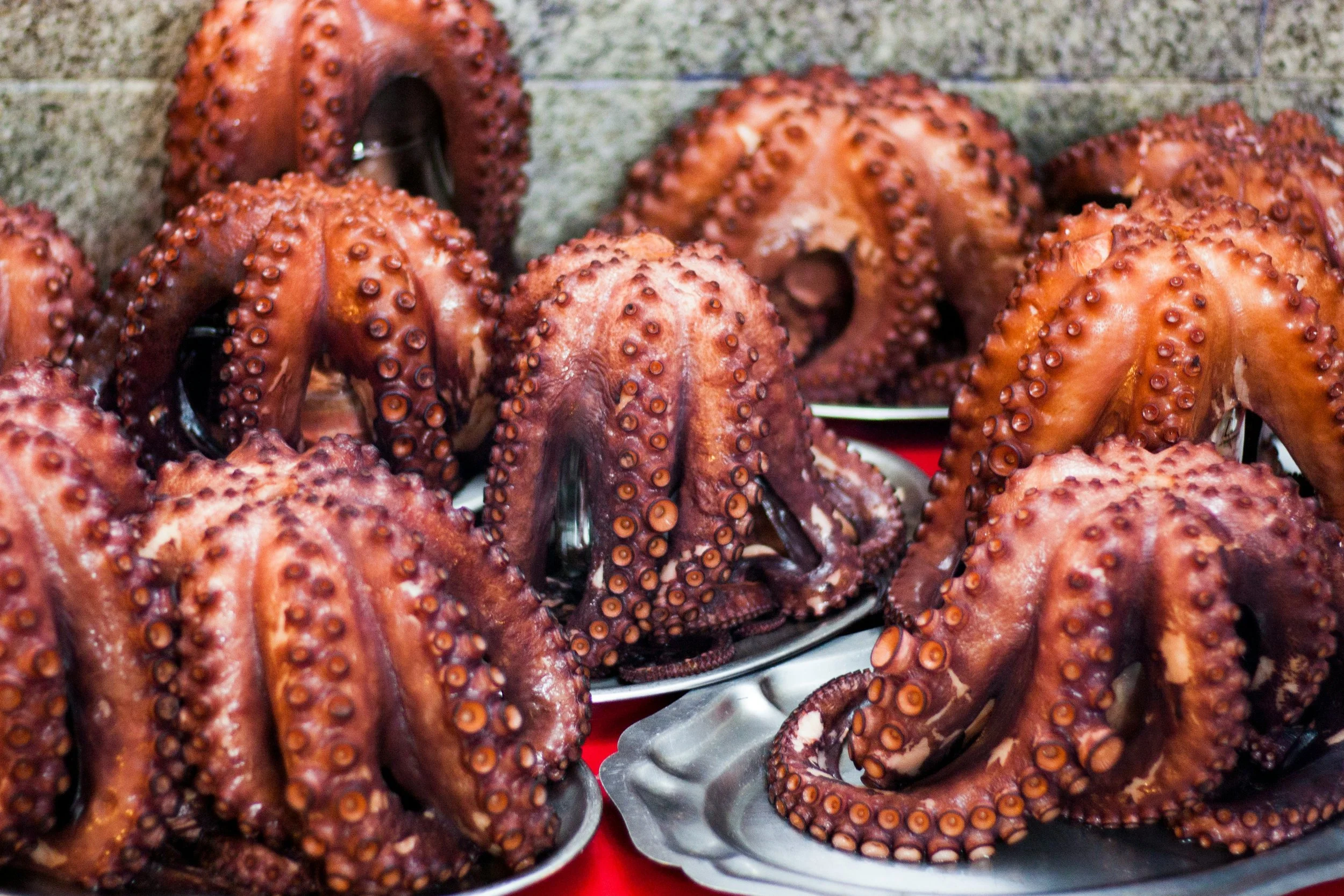
The covered arcades of the old city, the soportales that run along the main streets and allow movement through the city regardless of the Galician rain, contain the finest food shops and the best pulpería restaurants in the region. Pulpo á feira, the boiled octopus dressed with olive oil, paprika and coarse salt that is the iconic dish of Galicia, is best eaten in the old city of Santiago at a pulpería where the octopus is cooked in the traditional copper cauldron by a pulpeira who has been doing it the same way for decades.

The rías and the seafood coast
The rías of Galicia are the defining geographical feature of the region and the reason for the extraordinary quality of its seafood. The rías are deep sea inlets, formed by the drowning of river valleys when the sea level rose at the end of the last ice age, and they create sheltered, nutrient-rich waters of extraordinary productivity. The Rías Baixas in the south, where the Albariño vineyards run down to the water and the mussel farms produce the finest mussels in Europe, are the most beautiful and the most gastronomically significant.
The seafood of the Rías Baixas is the finest in Spain and among the finest in the world. The percebes, the barnacles that cling to the exposed Atlantic rocks and are harvested at extreme personal risk by percebeiros who work in the surge of the waves, are one of the most extraordinary and most specifically Galician food products in existence, tasting of pure sea with a mineral intensity that nothing else quite replicates. The navajas, the razor clams grilled with garlic and white wine on a plancha, the centolla, the spider crab that is the finest crustacean the Atlantic produces, and the mejillones, the mussels steamed open and eaten with nothing but lemon, are all essential on a Galician table.
A private boat trip through the Rías Baixas, moving between the mussel platforms and the small fishing communities of the ría shores, stopping for lunch at a restaurant on the water where the seafood arrived that morning from the boats you can see from your table, is one of the most specifically and most completely pleasurable experiences available in northwestern Spain.
The Albariño wine of the Rías Baixas
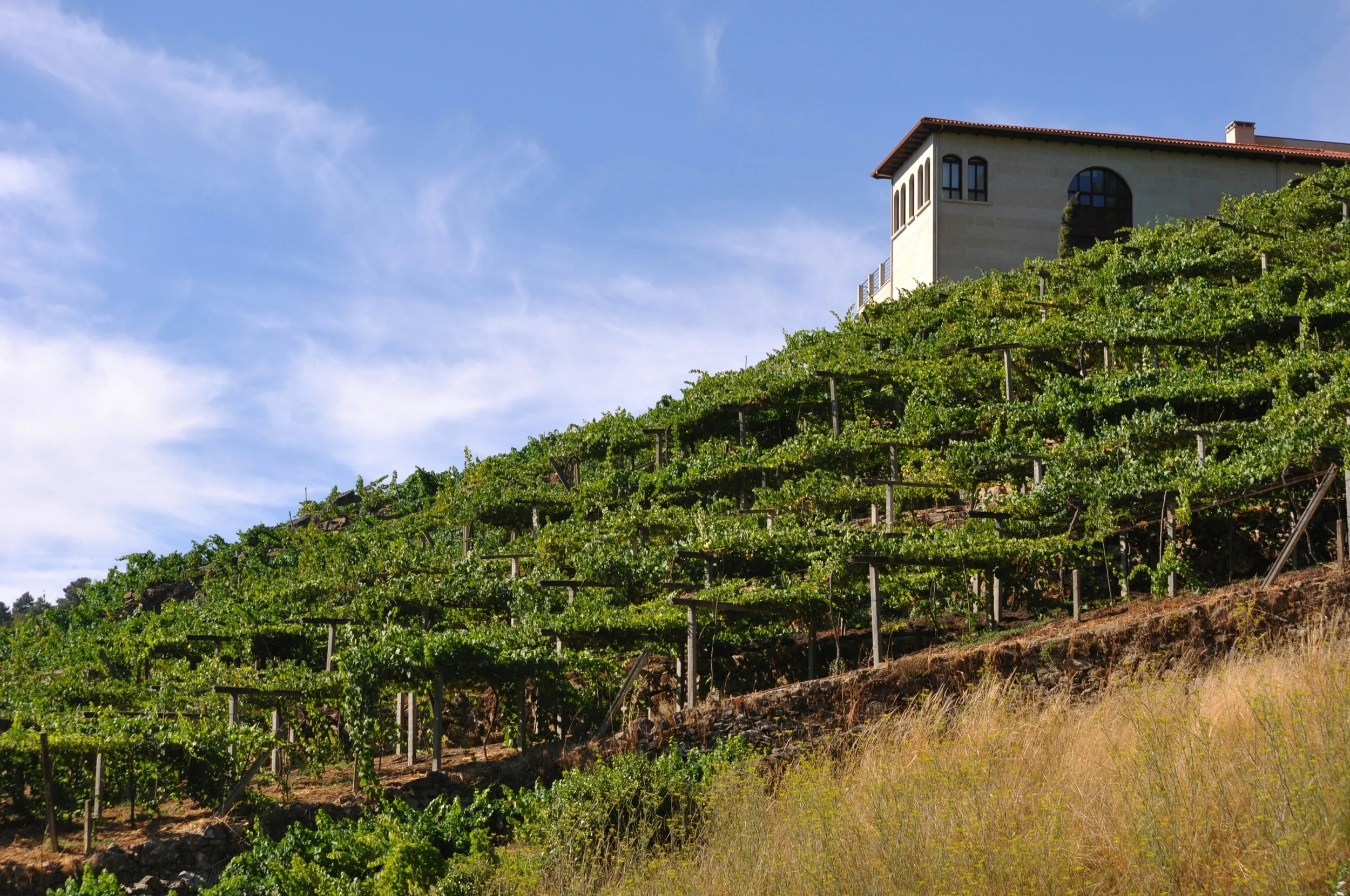
The Rías Baixas wine region, whose DO designation covers the granite-soiled vineyards that run from the Portuguese border north to the Pontevedra ría, produces exclusively white wine from the Albariño grape, a variety of such specific character that it has no real equivalent anywhere else in the world. The wines are aromatic, mineral and high in natural acidity, with the specific quality of the Atlantic air and the granite soil in every glass, and they are the natural partner for the seafood of the rías in a combination that is one of the most perfectly matched of any regional food and wine pairing in Europe.
A private visit to one of the small family bodegas of the Rías Baixas, tasting the specific expression of Albariño that each producer draws from their particular parcel of granite and clay, with the winemaker explaining the specific viticulture of a grape that is always trained on high pergolas above the damp ground to keep the bunches away from the Atlantic moisture, is one of the most specifically Galician and most genuinely educational wine experiences available in Spain.
The Camino de Santiago: walking it or understanding it
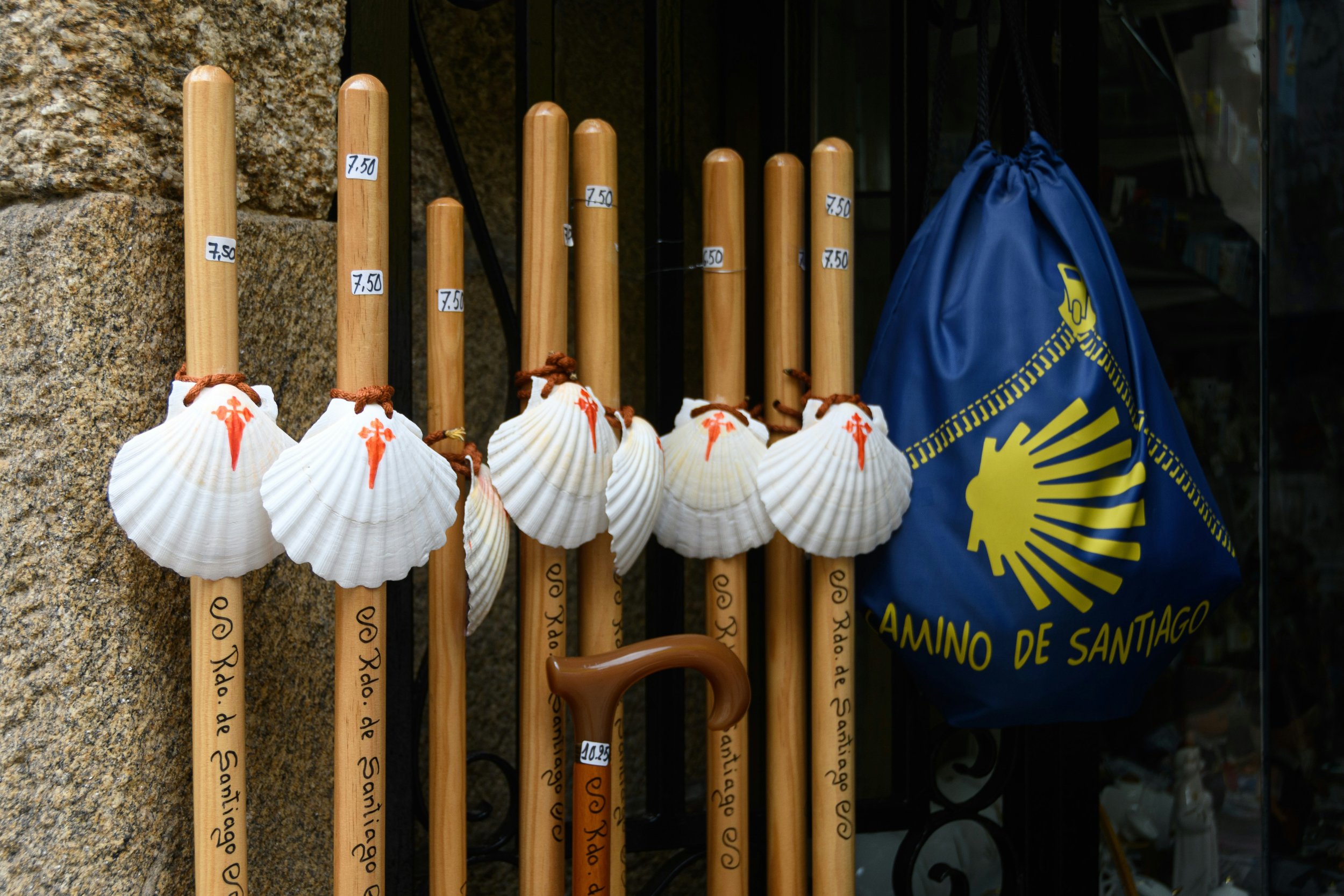
The Camino de Santiago, the network of medieval pilgrimage routes that converge on Santiago de Compostela from across Europe, is one of the most significant cultural and historical phenomena of the medieval world and one that is experiencing an extraordinary revival, with over four hundred thousand pilgrims completing the journey each year from countries across the world and for motivations that range from the deeply religious to the purely athletic.
For those who want to understand the Camino rather than complete it, a private day walking a section of the Camino Francés, the most traditional and most historically significant of the routes, with a guide who can explain the specific history of the medieval pilgrimage economy, the function of the hospitals and albergues that sustained the pilgrims across the centuries and the specific character of the Galician countryside through which the final hundred kilometres of the route pass, gives the Santiago experience a depth that arriving by car or bus cannot provide.
For those who want to walk a section themselves, the final hundred kilometres of the Camino Francés from Sarria to Santiago, the minimum distance required to receive the Compostela certificate, can be walked in four to five days at a comfortable pace through some of the finest countryside in Galicia, arriving at the Praza do Obradoiro with the specific satisfaction of having walked the last section of one of the great journeys of the medieval world.
Ready to start planning your Spain journey? Explore our Spain destination page for more on regions, experiences and the best time to visit. When you are ready, get in touch and we will begin designing your journey around you.