
LUXURY PRIVATE TOURS IN PATAGONIA
PLAN YOUR PATAGONIA JOURNEY
Patagonia rewards those who arrive prepared to respond to what the landscape offers. Tell us which season draws you, whether you are focused on Chile, Argentina or both, and what kind of experience you are looking for, and we will design a journey that puts you in the right place at the right moment.
The end of the world. The beginning of something extraordinary.
WHY VISIT PATAGONIA?
Patagonia is the place that serious travellers save for last, not because it requires more planning but because it deserves more reverence. The shared wilderness at the southern tip of South America, divided between Chile and Argentina by the Andes and the ice fields that connect them, is one of the last genuinely large wild places on earth, a landscape of granite towers, hanging glaciers, turquoise lakes and the specific quality of the Patagonian wind that has shaped everything in its path into something of extraordinary character.
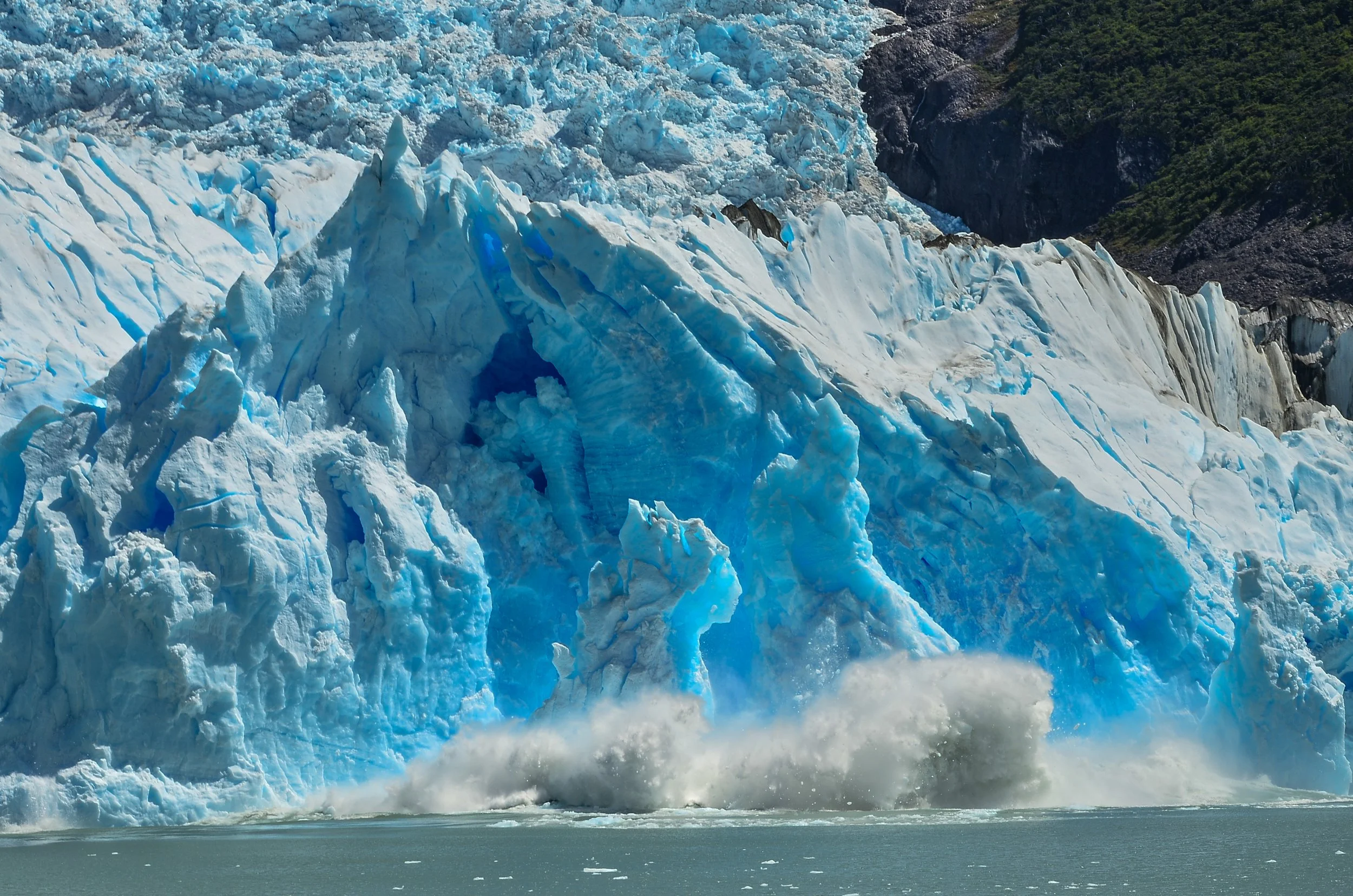
Torres del Paine in Chilean Patagonia justifies its reputation entirely, but the Patagonia that rewards the private traveller extends far beyond its famous viewpoints. The Perito Moreno Glacier advancing into the Lago Argentino on the Argentine side, the Fitz Roy massif above El Chaltén, the Patagonian steppe where the condor and the guanaco move against the horizon and the gaucho tradition has been shaping the landscape for two centuries: these are the dimensions of Patagonia that the peak-focused itinerary almost entirely misses.
A Patagonia journey can be designed exclusively within Chile, exclusively within Argentina or as a crossing journey between the two countries that reveals the full breadth of the ice fields and the steppe. We design all Patagonia journeys as fully private and tailor-made from the first conversation.

Signature Experiences in PATAGONIA
From hiking the granite towers of Torres del Paine before dawn and a private boat through the Patagonian fjords to horseback riding across the steppe, tracking the Perito Moreno Glacier and an expedition voyage toward Antarctica, these are the moments we build every Patagonia journey around.

HIKING TORRES DEL PAINE
Buenos Aires experienced privately means arriving at the milonga before it opens to understand the specific social codes of the tango before the evening begins, visiting the Recoleta Cemetery with a guide who can explain the specific political and cultural history encoded in its extraordinary mausoleums, and ending at a private asado in a Palermo courtyard where the specific tradition of the Argentine grill is explained by the parrillero who has been doing it the same way for thirty years.
HORSEBACK RIDING IN PATAGONIA
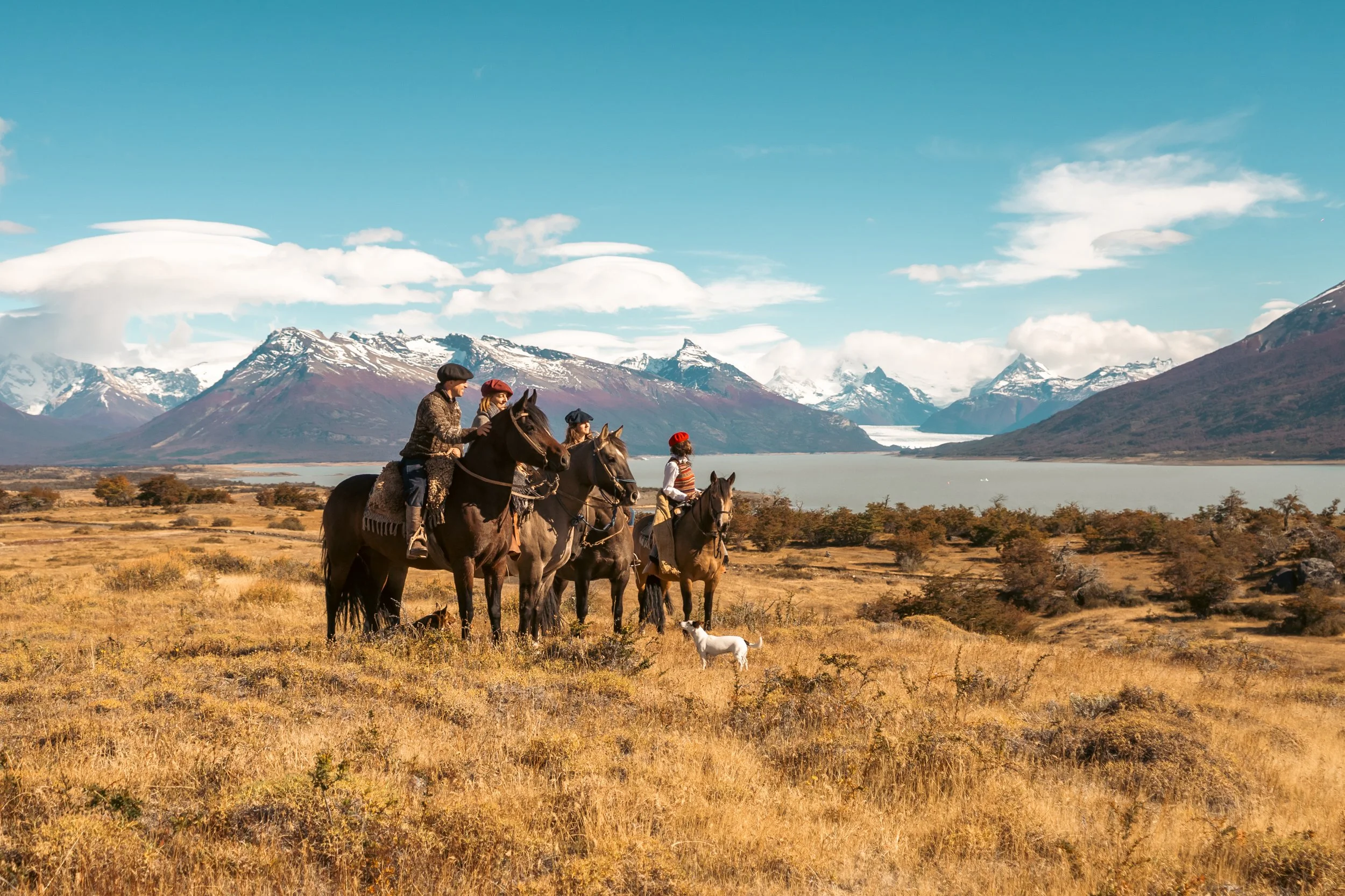
The Patagonian steppe, the vast wind-sculpted grassland that surrounds the peaks of Torres del Paine on its eastern and southern flanks, is the landscape in which the gaucho tradition of southern Chile has been riding since the first cattle were brought here in the nineteenth century. A private horseback ride through the steppe, moving across a landscape of extraordinary scale and emptiness with the towers visible in every direction and the Andean condors overhead, is one of the most specifically Patagonian experiences available and one that the hiking trails of the park cannot replicate.
MARINE WILDLIFE: PENINSULA VALDÉS
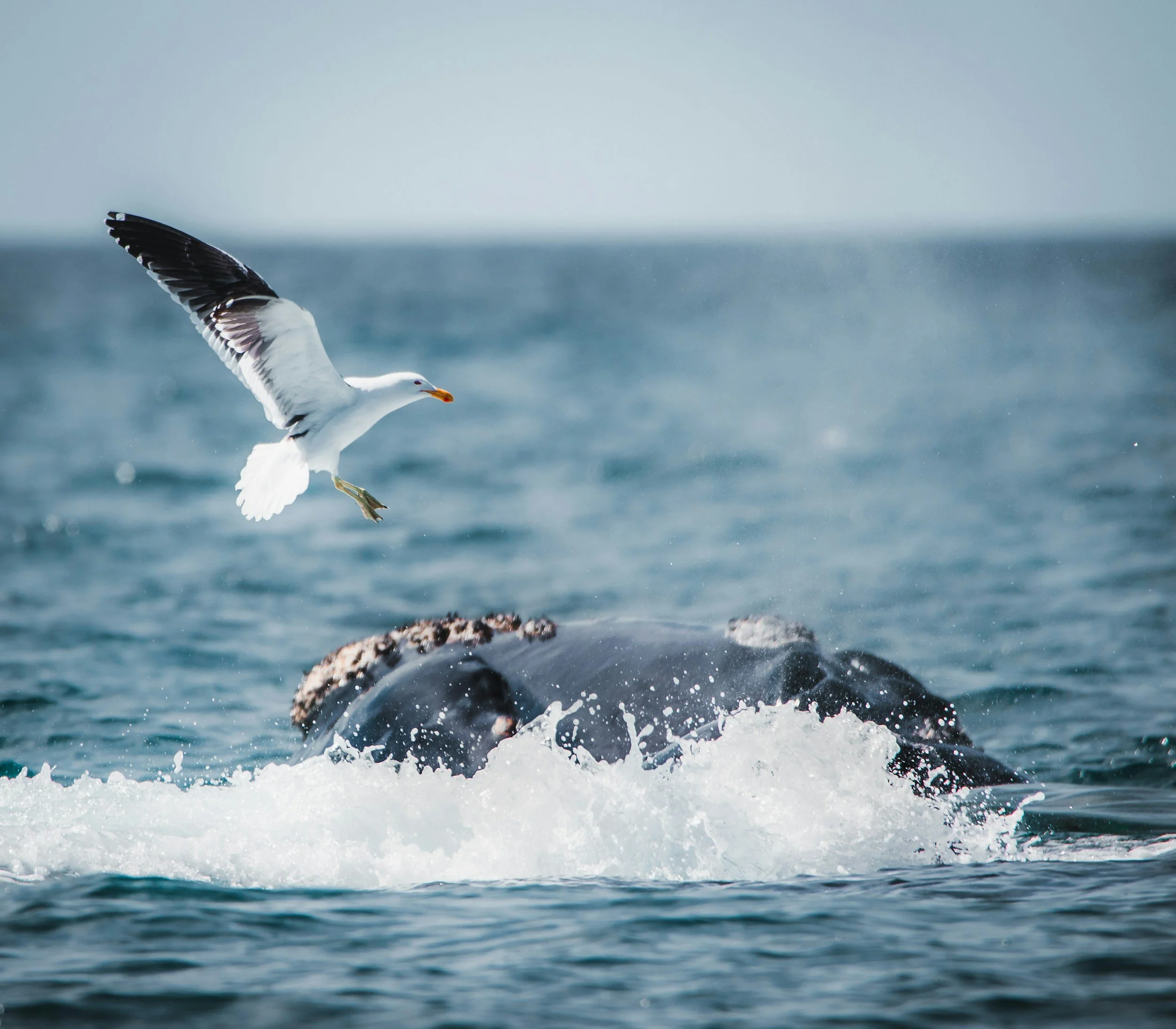
Peninsula Valdés on the Patagonian Atlantic coast is one of the finest marine wildlife destinations in the Americas, a UNESCO World Heritage Site where southern right whales arrive to give birth and nurse their calves between June and December, Magellanic penguins nest in enormous colonies in September and October, orcas beach themselves deliberately to hunt sea lions on the shingle shores and elephant seals haul themselves onto the beaches in extraordinary numbers. A private wildlife day on the peninsula, moving between the specific locations with a naturalist guide who knows the specific seasonal behaviour of each species, is one of the most extraordinary wildlife experiences available in South America.
ANTARCTICA
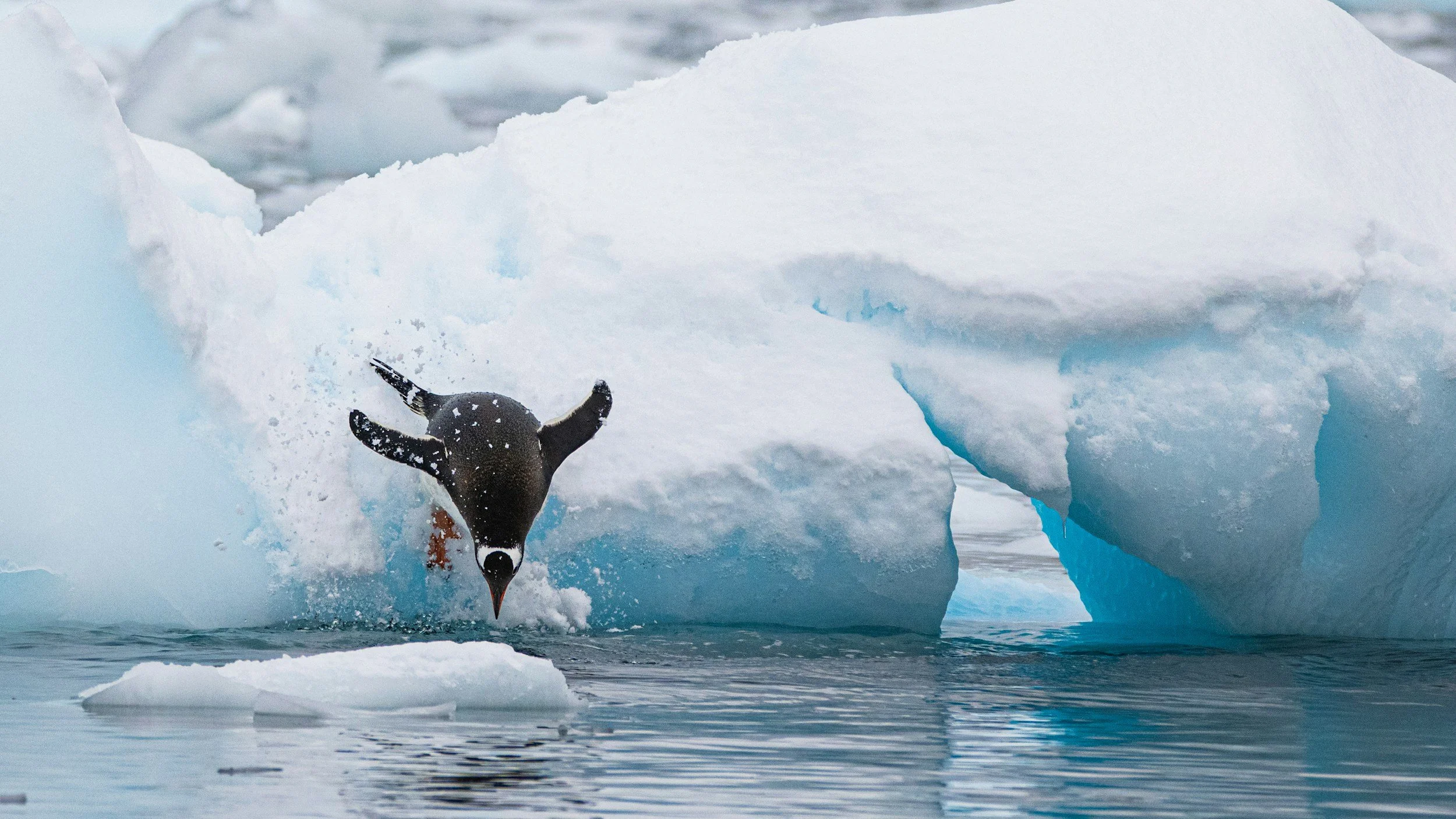
An expedition voyage from Punta Arenas or Ushuaia to the Antarctic Peninsula is the most extraordinary journey available from Chile and one of the most significant travel experiences available anywhere on earth. The specific combination of the Drake Passage crossing, the first sight of the Antarctic continent, the zodiac landings among penguin colonies of extraordinary density and the specific quality of the Antarctic light, reflected between ice of extraordinary blue and the surface of the Southern Ocean, produces an experience that consistently and permanently changes the way visitors think about the natural world.
ACTIVE ADVENTURE IN PUCÓN
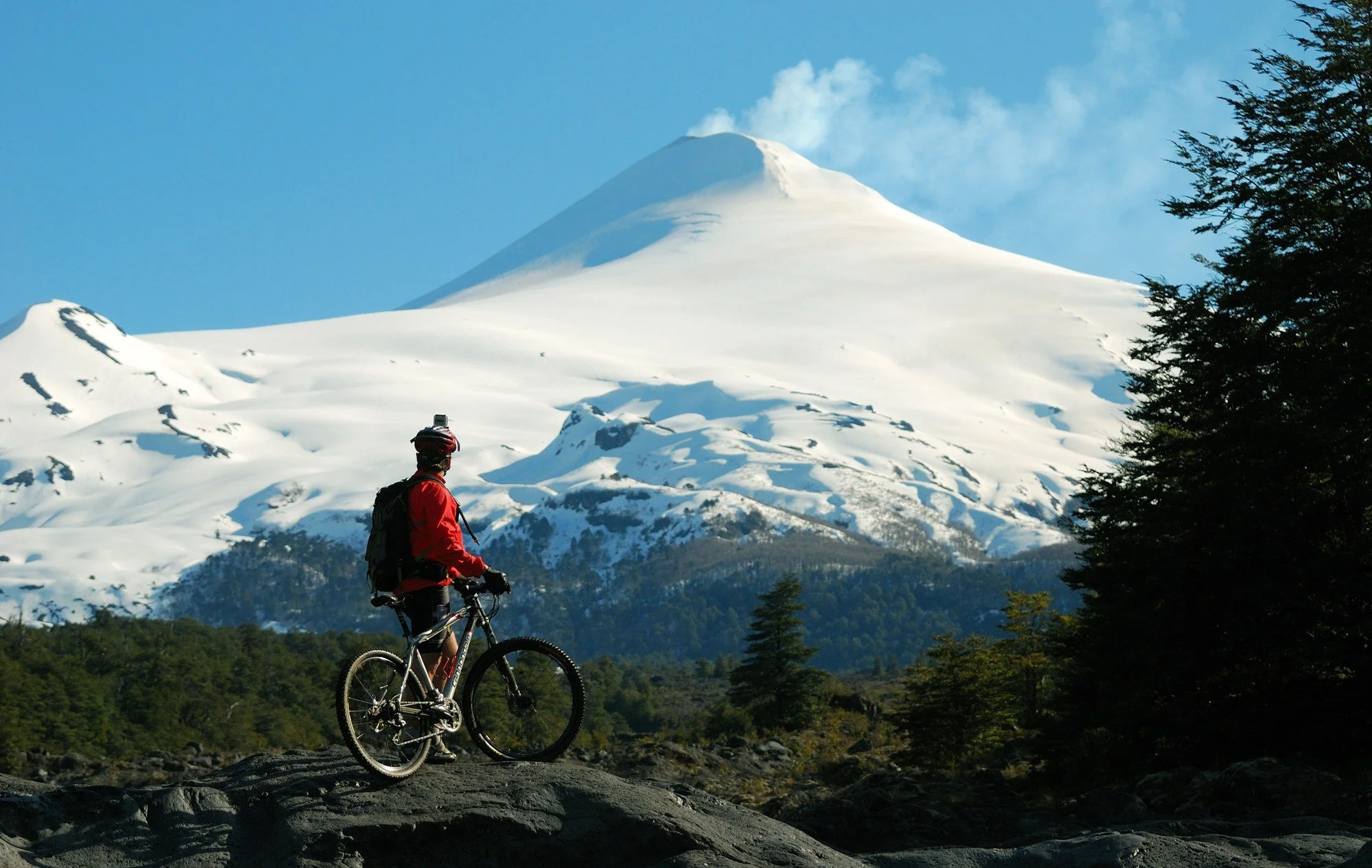
Pucón beneath the active Villarrica volcano offers the finest concentration of adventure experiences in Chile within a single day of a luxury lodge on the lake. The ascent of Villarrica at dawn, climbing on crampons through the snowfield to the crater rim above the active lava lake, is the defining Pucón experience. The kayaking on the Class IV rapids of the Trancura River, the mountain biking through the Araucaria forest and the thermal pools of the surrounding valleys complete a destination of extraordinary active variety.
BOATING IN THE LAKE DISTRICT
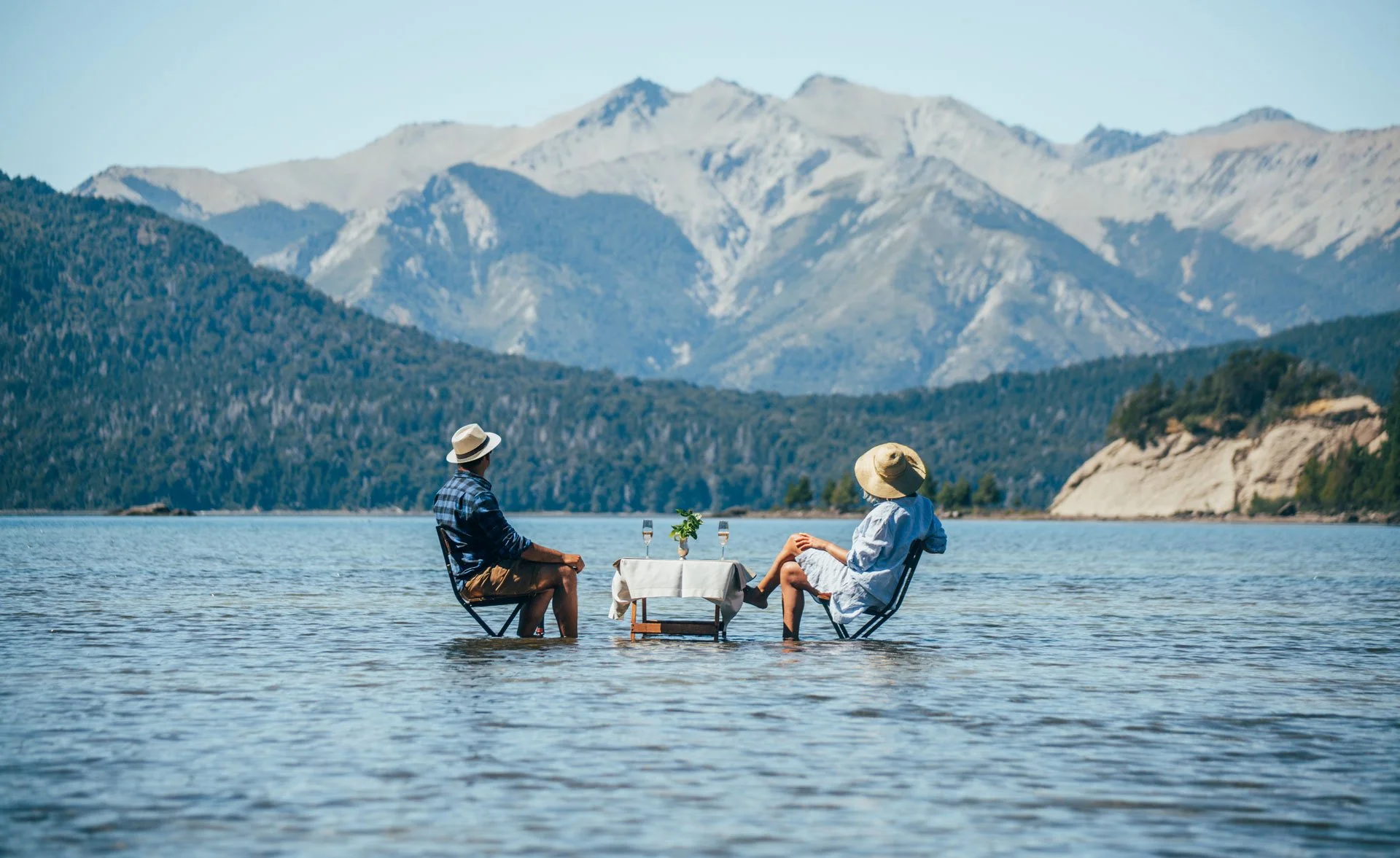
The lakes of Nahuel Huapi and Todos los Santos in the Argentine lake district are best experienced from the water, moving between the extraordinary landscapes of the Andean shore at a pace that the road cannot allow. A private boat from Bariloche across the lake to the forests of the Arrayanes National Park, with a picnic lunch on shore and the snow-capped Tronador volcano visible above the tree line, is one of the most completely beautiful days available anywhere in the Argentine south.

HIKING EL CHALTÉN AND FITZ ROY
The Fitz Roy massif above El Chaltén, where the granite towers rise three thousand metres from the Patagonian steppe in a landscape of extraordinary scale and drama, offers the finest hiking in Argentina and some of the finest in South America. Arriving at the Laguna de los Tres, the glacial lake at the base of the towers, at dawn before any other hiker and watching the first light turn the granite from grey to gold to pink in the space of thirty minutes, is one of the most extraordinary mountain experiences available in the southern hemisphere.

THE END OF THE WORLD: USHUAIA AND TIERRA DEL FUEGO
Ushuaia, the southernmost city on earth, sits on the Beagle Channel at the tip of the South American continent in a landscape of extraordinary drama where the Andes descend directly into the sea and the sub-Antarctic forest covers the surrounding hills. A private Ushuaia experience combines the extraordinary Tierra del Fuego National Park, a private boat on the Beagle Channel to the sea lion colonies and the Magellanic penguin rookeries of the outer islands and the specific atmosphere of a city at the end of the world that has been the departure point for Antarctic expeditions since the nineteenth century.
FREQUENTLY ASKED QUESTIONS ABOUT TRAVELLING TO PATAGONIA
-
Yes, Patagonia is one of the safest regions in South America for travellers. Both Argentine and Chilean Patagonia have low crime rates, well-run national parks, and a tourism infrastructure built around outdoor safety. The main considerations are environmental rather than social: sudden weather changes, strong winds in areas like Torres del Paine, and remote distances between towns. Travelling with a private guide and a well-planned itinerary, as Jakuna arranges for every trip, removes the vast majority of these risks and ensures smooth transfers between lodges, estancias, and trailheads.
As with any major destination, standard precautions apply in busy urban areas of Buenos Aires — particularly in crowded neighbourhoods and on public transport. Our itineraries are designed to keep you in the finest, most secure properties throughout your journey, and our specialists provide comprehensive pre-departure briefings tailored specifically to your itinerary.
-
No visa is required. Patagonia spans both Argentina and Chile, and US, UK, Canadian, and EU passport holders can enter either country visa-free for tourism stays of up to 90 days. A valid passport with at least six months of remaining validity is all that's needed. Travellers combining Argentine and Chilean Patagonia in one trip, a common and highly recommended route, will simply pass through standard immigration checks when crossing the border, most typically near El Calafate/Torres del Paine or Bariloche/Puerto Varas.
We recommend ensuring your passport carries at least six months' validity beyond your intended travel dates. Entry requirements can change, and our specialists confirm all documentation requirements as part of your bespoke itinerary planning process well in advance of departure.
-
Many of the region's most iconic sights sit right along the border, so the honest answer for a luxury trip is often both. Argentine Patagonia is home to El Chaltén's granite spires, the Perito Moreno Glacier, and classic estancia culture around El Calafate and Bariloche. Chilean Patagonia offers Torres del Paine National Park, the fjords near Puerto Natales, and access to the Southern Patagonian Ice Field. Jakuna designs bi-national itineraries that combine both sides seamlessly, giving guests the full range of glaciers, granite peaks, and lodges without sacrificing depth in either country.
For luxury travellers, Patagonia is an experience unlike anything else on earth. Private trekking expeditions, exclusive estancia stays, fly-fishing on remote rivers, and helicopter access to glaciers and peaks that no road can reach make it one of the most compelling and bucket-list-worthy destinations in the world. It is, without question, worth every hour of travel it takes to get there.
-
Patagonia offers a different kind of luxury than the Amazon, Peru, or Brazil: it's built around vast, dramatic landscapes, exclusive lodges, and a sense of remoteness rather than dense wildlife or archaeological sites. Where the Amazon centres on biodiversity and Peru on Incan history, Patagonia is defined by glaciers, granite towers, and Patagonian steppe, paired with some of the most architecturally striking lodges and estancias in South America. It's an ideal fit for travellers seeking active luxury: hiking, horseback riding, and glacier trekking by day, and refined dining and design-forward accommodation by night.Chile shares Patagonia and adds the Atacama Desert — one of the world's most surreal landscapes — and the wine valleys of Colchagua and Casablanca. Brazil brings the Amazon, the Pantanal's unrivalled wildlife, and the cosmopolitan energy of Rio de Janeiro. For first-time visitors to the region seeking culture, gastronomy, wine, and dramatic natural landscapes in a single journey, Argentina is often the natural starting point.
-
We recommend a minimum of 7 to 10 days to properly experience Patagonia, and up to 14 days for travellers wanting to cover both the Argentine and Chilean sides in depth. A well-paced itinerary typically allows 3 to 4 nights around El Calafate and El Chaltén for glacier and hiking excursions, followed by 3 to 4 nights in Torres del Paine, with time built in for weather flexibility, since outdoor activities in this region depend heavily on conditions. Shorter trips of 5 to 6 days are possible but generally focus on a single area rather than the full Patagonian arc.
For those wishing to add the dramatic landscapes of the Argentine northwest — Salta, the Quebrada de Humahuaca UNESCO World Heritage Site, and the salt flats of the Puna — or the subtropical wetlands of the Iberá, extending to 18–21 nights allows each region the time and attention it deserves. Argentina is a vast country, and its rewards are proportional to the time invested.
-
Highlights include the Perito Moreno Glacier, one of the few advancing glaciers in the world; Torres del Paine National Park, famous for its granite towers and turquoise lakes; El Chaltén, the trekking capital of Argentina and gateway to Mount Fitz Roy; and the Southern Patagonian Ice Field, best experienced by boat or small aircraft. Beyond the landscapes, a stay at a traditional Patagonian estancia offers horseback riding and gaucho culture, while the Lake District around Bariloche and Puerto Varas adds an alpine, lakeside dimension to the trip.
In the northwest, the UNESCO-listed Quebrada de Humahuaca and the colonial grandeur of Salta offer a deeply atmospheric introduction to Argentina's pre-Columbian heritage and Andean culture. In Patagonia, Perito Moreno Glacier — one of the few advancing glaciers left on earth — and the soaring granite peaks of Mount Fitz Roy deliver landscapes of genuine, breathtaking scale. The Iberá Wetlands, meanwhile, offer one of South America's most remarkable and undervisited wildlife experiences, with jaguar reintroduction making it an increasingly compelling destination for discerning safari travellers.
-
Absolutely, Patagonia pairs naturally with several other Jakuna destinations. Many travellers combine it with Buenos Aires or Santiago for a city-and-wilderness contrast, or extend into the Atacama Desert for a striking change of scenery from glaciers to salt flats. Patagonia also works well as part of a longer South American journey alongside Brazil, Bolivia, or Ecuador, particularly for guests wanting to experience the continent's full range of landscapes in a single trip.
Northward, Uruguay's Punta del Este and the colonial gem of Colonia del Sacramento make an elegant and easy addition to a Buenos Aires stay — accessible by a short ferry crossing across the Río de la Plata. Brazil's Iguazú Falls, shared on the border with Argentina, are among the world's most spectacular natural wonders and pair perfectly with the Argentine side for a complete experience. For the most ambitious itineraries, a grand South America journey encompassing Argentina, Chile, Peru, and Brazil creates one of the world's most diverse and rewarding multi-country expeditions. Our specialists design every detail from start to finish.
For Patagonia, the austral summer of November to March is by far the best time to visit — long days, relatively stable weather, and the best conditions for trekking, glacier viewing, and wildlife encounters. January and February are peak season, so advance lodge booking is essential. The Argentine northwest — Salta and Jujuy — is best visited between April and October, outside the summer rains. Our specialists will match your travel dates to the regions and experiences that matter most to you.
-
Most itineraries begin with an international flight into Buenos Aires (Argentina) or Santiago (Chile), followed by a domestic flight south. From Buenos Aires, El Calafate is reached via a roughly 3-hour flight, while Bariloche is closer to the Lake District. From Santiago, flights connect to Punta Arenas, the main gateway to Torres del Paine, followed by a scenic drive of around 3 to 4 hours. Jakuna handles all domestic flight bookings and ground transfers as part of the itinerary, so guests move between regions without logistical friction.
Once in Argentina, domestic flights are the most efficient way to travel between Buenos Aires, Mendoza, Salta, Bariloche, and El Calafate in Patagonia. Argentina's internal network is well developed, and we coordinate all domestic transfers, private airport meet-and-greet services, and onward logistics as part of your fully managed bespoke itinerary.
-
Patagonia is home to some of the most distinctive luxury lodges in South America, many prized as much for their architecture as their setting. Near Torres del Paine, all-inclusive lodges offer floor-to-ceiling views of the towers alongside guided excursions. Around El Chaltén and El Calafate, boutique hotels and design-led properties provide close access to glacier trekking and Mount Fitz Roy. For a more traditional experience, historic estancias combine elegant accommodation with horseback riding and sheep-station life. Jakuna selects properties based on each guest's priorities, whether that's proximity to a specific trail, architectural design, or an intimate, all-inclusive setting.
In Patagonia, Explora El Chaltén, Awasi Patagonia, and Eolo Lodge rank among South America's finest remote retreat experiences — combining dramatic setting, expert guiding, and outstanding cuisine in properties of genuine architectural distinction. For wildlife-focused travellers, the lodges of the Iberá Wetlands — including Rincón del Socorro, owned by the rewilding organisation Tompkins Conservation — offer an increasingly rare combination of luxury comfort and meaningful conservation impact. Every property featured in our itineraries is personally inspected and selected for both guest experience and authenticity.