
Barcelona Privately: Gaudí, the Gothic Quarter and the Mediterranean
The city that invented its own architectural language and has been speaking it ever since.
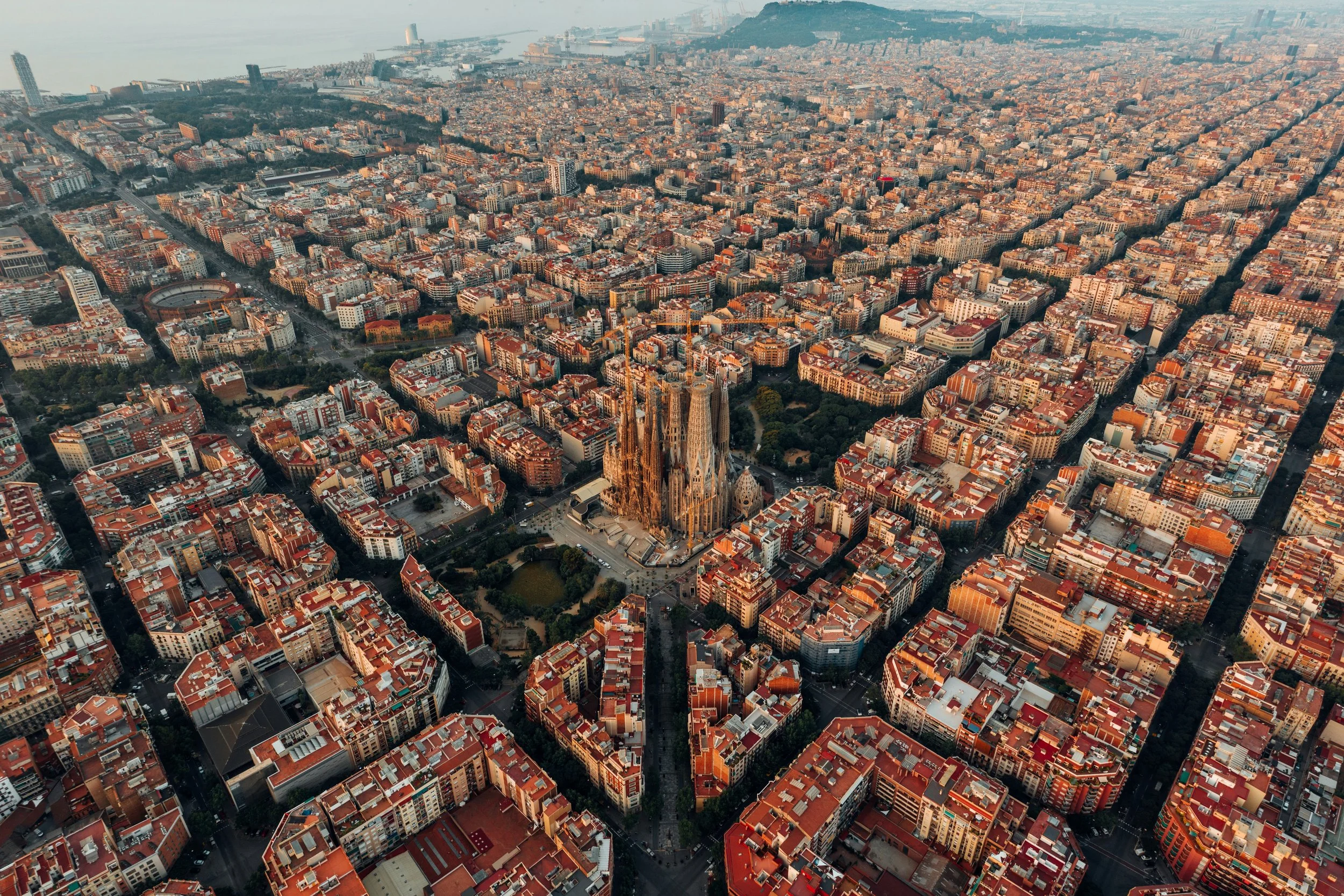
Barcelona is one of the most immediately captivating cities in Europe and one of the most difficult to leave. It combines the sensory energy of a Mediterranean port city with an architectural heritage so individual and so visually overwhelming that it produces a physical response in almost everyone who encounters it for the first time. The buildings of Antoni Gaudí, which rise from the streets of the Eixample and the hills above the city in shapes that belong to no historical style and to no other architect, are the most obvious expression of this, but Barcelona's visual distinctiveness goes deeper than any single architect. The city has been producing extraordinary art, design and architecture since the Catalan cultural renaissance of the late nineteenth century and has not stopped since.
It is also a city of extraordinary eating, of a Mediterranean food culture built on the specific produce of the Catalan coastline and hinterland that is entirely different from the food of Madrid or Andalucía, and of a street life that moves between the Gothic lanes of the old city and the wide pavements of the Eixample with an ease and a warmth that reflects a city entirely comfortable with itself and entirely comfortable with the world.
The Gaudí heritage: understanding a genius on his own terms
Antoni Gaudí worked in Barcelona for most of his life and the city contains the largest concentration of his completed buildings anywhere in the world. Understanding them properly requires two things: time and a guide who has spent years with the specific architectural and philosophical intentions behind each structure.
The Sagrada Família, the cathedral that Gaudí spent the last forty years of his life designing and that is still under construction over a century after his death in 1926, is the most visited building in Spain and one of the most extraordinary pieces of architecture in the world. The exterior, with its extraordinary organic stone facades, the Nativity façade on the east and the Passion façade on the west, each telling the story of Christ's life in a completely different architectural language, is overwhelming at street level and revelatory from the towers, which can be accessed by lift and offer a view across the rooftop forest of stone spires that Gaudí designed as a symbolic representation of the apostles, the evangelists and the Virgin. The interior, which was completed to Gaudí's designs only in the last decade and which bathes the nave in coloured light through stained glass of extraordinary chromatic sophistication, is one of the finest religious spaces in contemporary Europe.
La Pedrera, the apartment building on the Passeig de Gràcia whose undulating limestone facade and rooftop of warrior chimneys has become one of the iconic images of Barcelona, deserves a full hour of attention rather than the standard photographic visit. A private guided visit that moves through the show apartment, the extraordinary attic space where the catenary arches that Gaudí developed from hanging chain models are most clearly visible, and the rooftop where the chimneys rise from the terrace like abstract sculptures, reveals an architectural achievement of genuine complexity and beauty that the exterior photograph only begins to suggest.
The Casa Batlló on the same avenue, whose dragon-scale ceramic roof and bone-like facade represent the apotheosis of Gaudí's organic style, is best experienced on a private evening visit when the building is illuminated and the crowds of the day have thinned. The interior, transformed by Gaudí from an existing apartment block in 1904, uses light, colour and the specific geometry of the ceramic surfaces in ways that produce effects of extraordinary beauty in the afternoon and evening light.
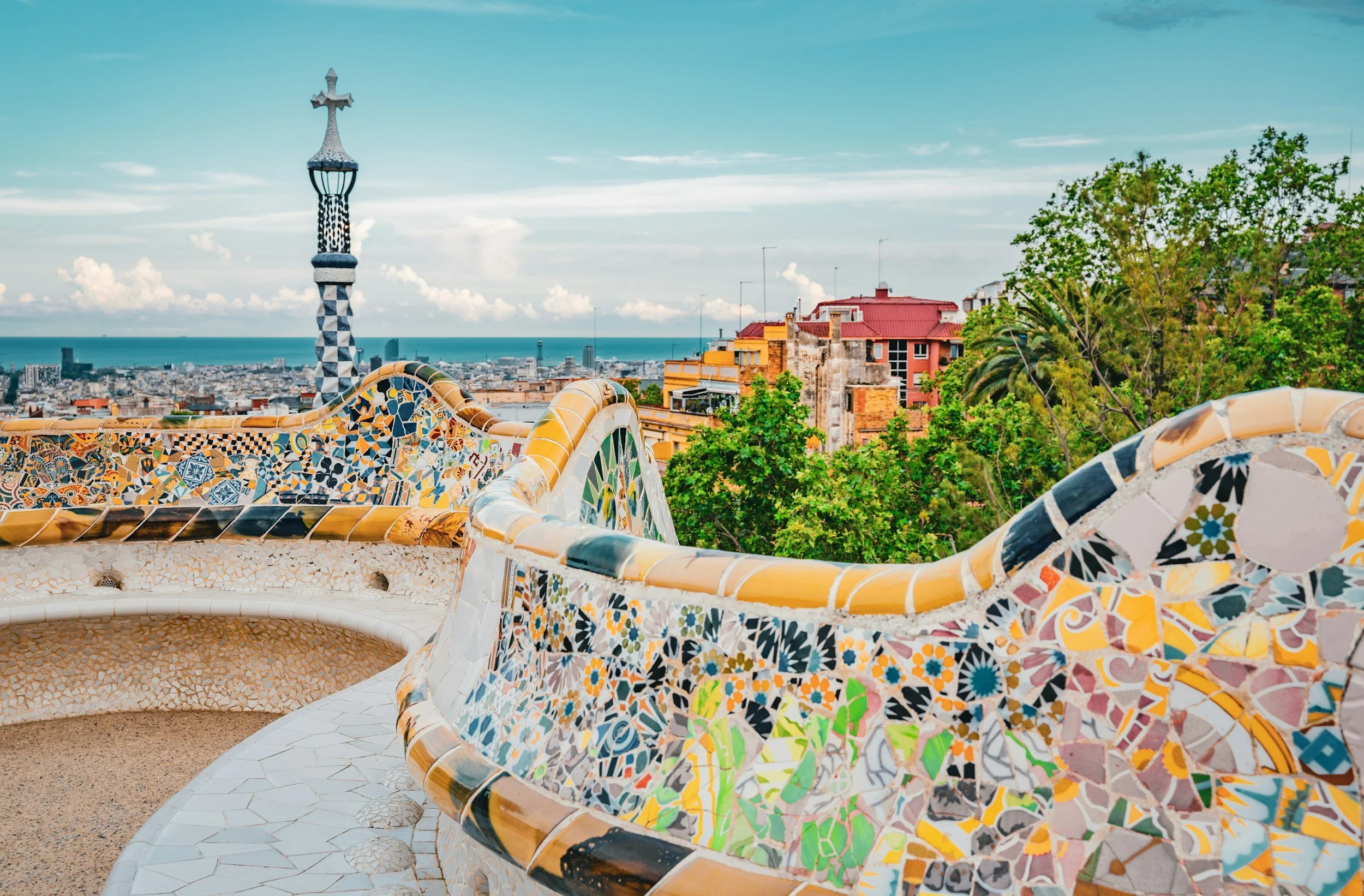
Park Güell, the public garden on the hill above the Eixample that Gaudí designed for his patron Eusebi Güell as a residential estate that was never completed, contains the famous mosaic terrace and dragon staircase that are among the most photographed objects in Barcelona. A private early-morning visit before the ticketed entrance opens, walking the park with a guide who can explain the specific Catalan nationalist symbolism encoded in the ceramic decorations and the relationship between the park and the broader Catalan cultural movement of the early twentieth century, gives Park Güell a depth that the standard visit cannot provide.
The Gothic Quarter and the old city
The Gothic Quarter of Barcelona, the medieval city that grew up around the Roman settlement of Barcino within the remains of the Roman walls, is one of the finest and most densely layered historic neighbourhoods in Europe. The Cathedral of Santa Eulàlia, the Plaça Reial, the remnants of the Roman temple of Augustus hidden in the courtyard of a medieval building, the Born neighbourhood with its extraordinary nineteenth-century iron market and the memorial to the victims of the 1714 siege that destroyed the Catalan republic: all of it rewards slow walking and genuine curiosity.
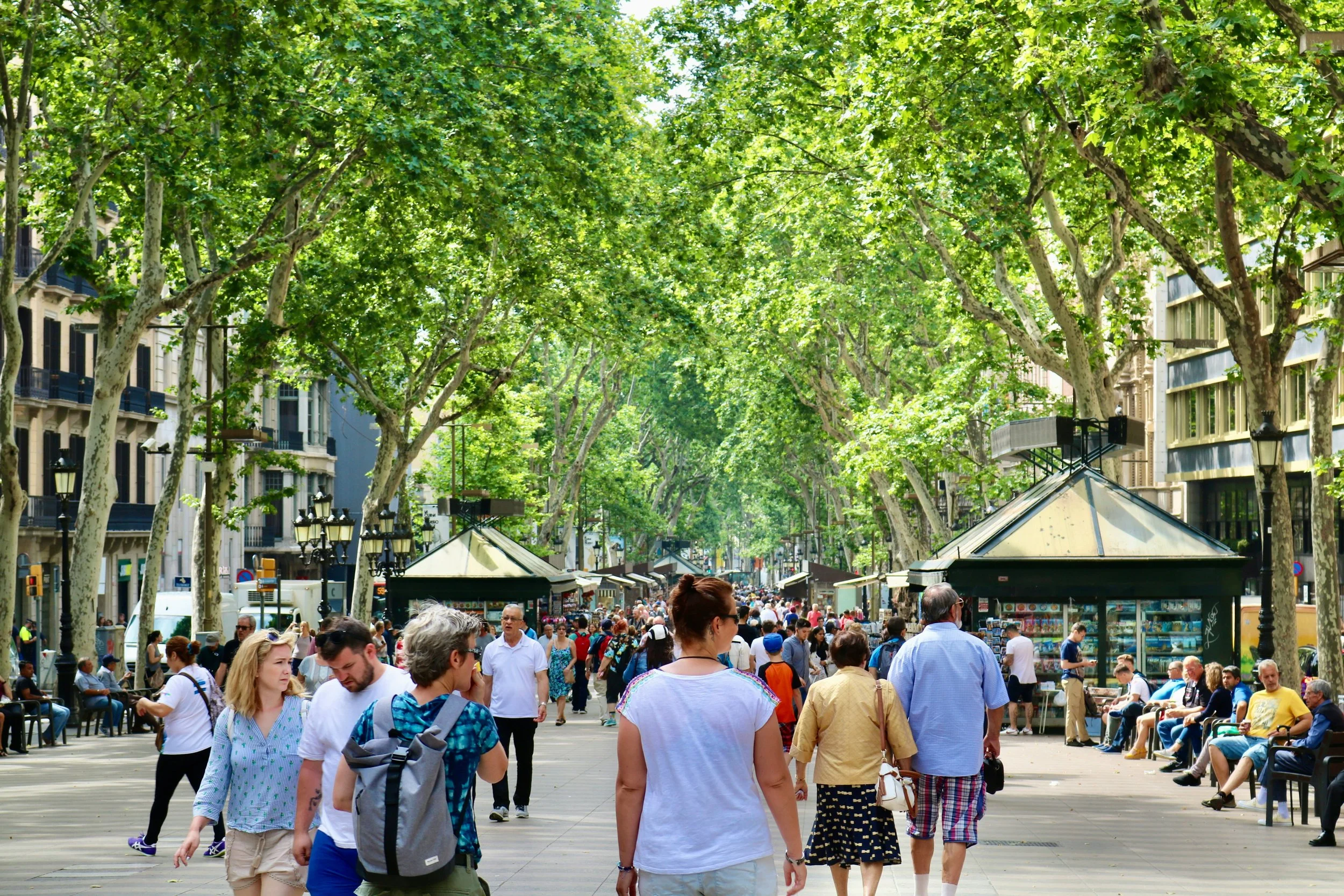
The Boqueria market on Las Ramblas, despite its international fame and its current orientation toward the tourist trade, still contains stalls of genuine quality in its interior sections where the chefs and the serious cooks of the city shop. A private morning with a guide who knows which stalls have been run by the same families for generations and which vendors supply the best restaurants in the city gives the Boqueria back its character as a working market rather than a tourist attraction.
El Born, the neighbourhood adjacent to the Gothic Quarter whose streets of medieval merchants' houses were preserved by accident when the area declined economically in the nineteenth century, is now one of the finest and most genuinely pleasurable neighbourhoods in Barcelona for an afternoon walk. The concentration of independent shops, galleries, wine bars and the specific café culture of a neighbourhood that has been attracting artists and designers for thirty years without losing its residential character makes it one of the most specifically Barcelona experiences available in the city.
The food: Catalan cuisine and the Barcelona table
Catalan cuisine is the most sophisticated and most internationally celebrated of Spain's regional food traditions, a cooking built on the specific produce of the Catalan coast and the interior, on the combination of sea and mountain ingredients that the Catalans call mar i muntanya, and on a long tradition of technique and innovation that has made Barcelona one of the most exciting cities in the world for serious eating.
The market culture is the foundation. The Boqueria has been mentioned, but the Mercat de Santa Caterina in El Born, the Mercat de l'Abaceria in Gràcia and the smaller neighbourhood markets of the Eixample are all more genuinely local and more specifically Catalan in their produce and their atmosphere. A private morning market visit with a guide who can explain the specific Catalan ingredients, the calcots and romesco, the botifarra and the pa amb tomàquet, the extraordinary variety of local fish and shellfish, gives the Barcelona food culture a foundation that the restaurant visits that follow can build on.
The restaurant scene in Barcelona operates at every level simultaneously, from the neighbourhood bar serving a three-course menú del día for fifteen euros to the world-class tasting menus of the restaurants that have taken the molecular gastronomy revolution of the late 1990s and transformed it into something more grounded and more specifically Catalan. The guide who knows which neighbourhood restaurant produces the finest fideuà in the city and which rooftop bar has the best view of the Sagrada Família at dusk is the most valuable resource for eating Barcelona properly.

Montjuïc and the sea
Barcelona has two elevations that change the character of the city entirely when viewed from above. Montjuïc, the hill southwest of the city centre that was fortified against the city it overlooked by successive Spanish governments and that now houses the extraordinary Fundació Joan Miró, the Olympic stadium of 1992 and the Jardins de Laribal with their terraced fountains and extraordinary views, is best reached by cable car from the port and rewarded by an afternoon moving between the Miró foundation and the hilltop gardens.
The Barceloneta beach and the port, a short walk from the Gothic Quarter, are where the Mediterranean dimension of the city is most immediately felt. A private boat from the port, moving along the coastline and offering a view of the city from the sea, with the Sagrada Família visible above the rooftops and the Montjuïc hill above the harbour, gives Barcelona a perspective that the streets cannot provide and that reveals the specific logic of the city's relationship with the water that made it a great Mediterranean port for two thousand years.
Ready to start planning your Spain journey? Explore our Spain destination page for more on regions, experiences and the best time to visit. When you are ready, get in touch and we will begin designing your journey around you.