
Madrid Privately: Art, Tapas and the City That Never Sleeps
The capital that starts late, finishes later and does everything in between better than it should.
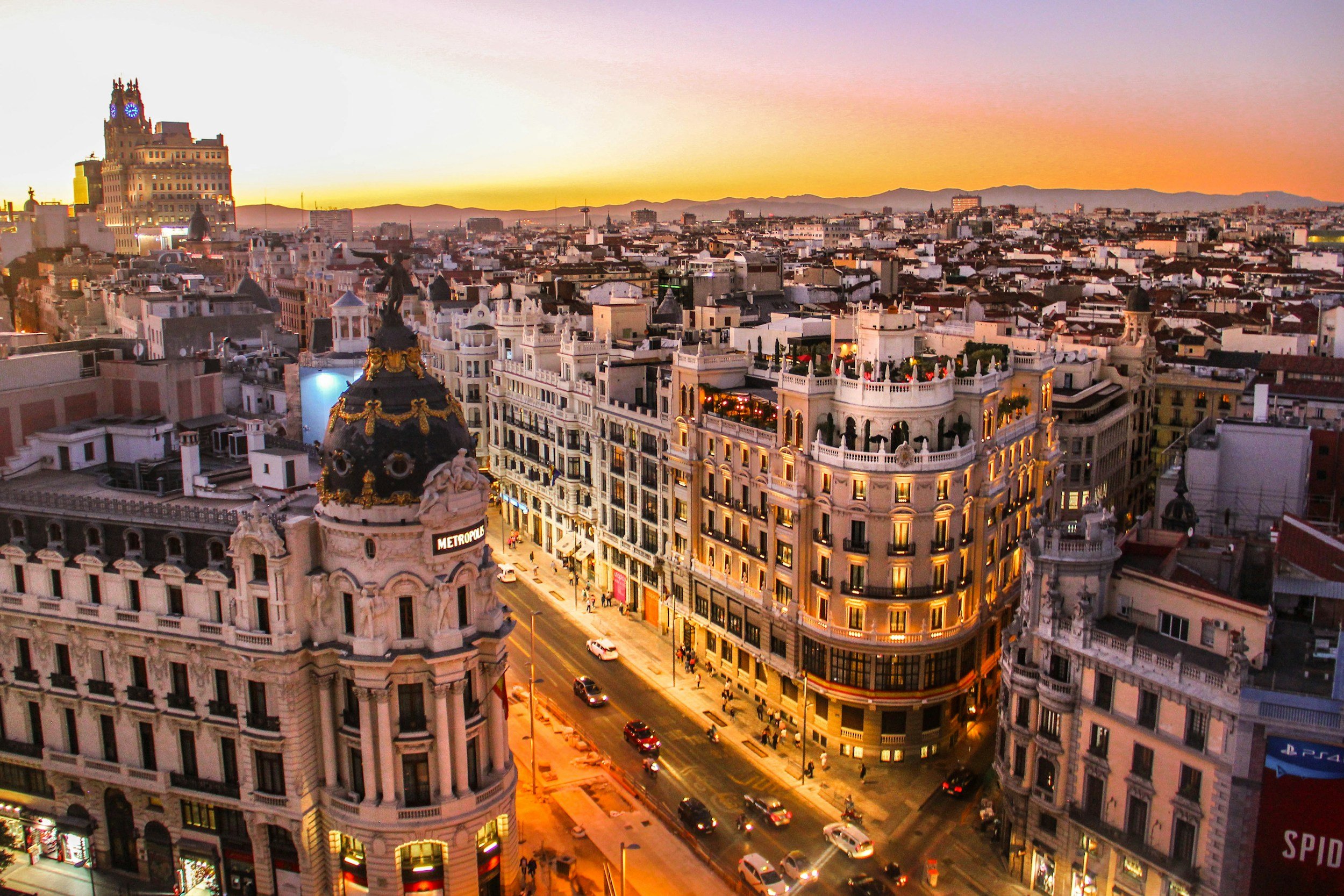
Madrid is one of those cities that people arrive at expecting a pleasant European capital and leave talking about moving to. It gets under the skin in a way that is difficult to explain to someone who has not been there, through the specific warmth of its street life, the extraordinary quality of its food at every level from the tapas bar counter to the museum restaurant, the world-class art that sits behind unremarkable facades in the city centre and the particular energy of a city that operates on a schedule entirely its own. Lunch at two, dinner at ten, the streets at their most alive at midnight: Madrid does not apologise for any of this and the visitor who adjusts to its rhythm rather than fighting it finds one of the most pleasurable and most generous cities in Europe.
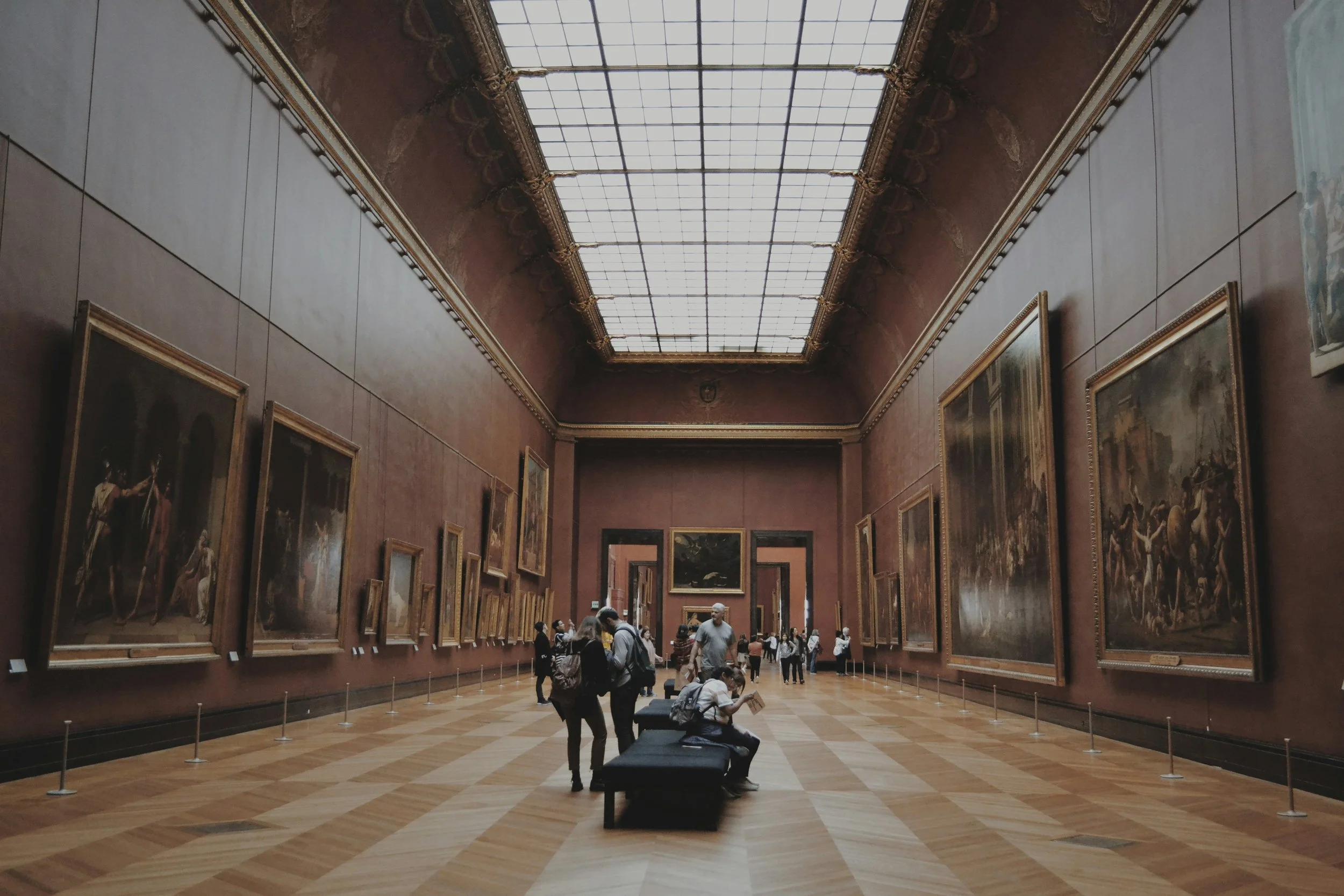
It is also, quietly, one of the great art cities in the world. The triangle formed by the Prado, the Reina Sofía and the Thyssen-Bornemisza, three world-class museums within walking distance of each other in the same neighbourhood, contains more great painting per square kilometre than almost any comparable area in Europe. The Prado alone, with its unparalleled collection of Velázquez, Goya, El Greco and Titian, would justify a visit to Madrid even if nothing else about the city were worth the flight.
The art: the Golden Triangle and beyond
The Prado is where to begin. Founded in 1819 and housed in a neoclassical building that carries its contents with appropriate grandeur, it contains the largest and finest collection of Spanish painting in existence, including the rooms of Velázquez where Las Meninas hangs, the Black Paintings of Goya in the vaulted halls of the lower level and the extraordinary series of Flemish masters that the Spanish Habsburg dynasty accumulated across two centuries of collecting with more resources and more taste than almost any royal house in European history.
A private visit to the Prado with a specialist art historian guide, moving through the collection at a pace that allows genuine examination of specific works rather than the standard walk-through, is one of the finest art experiences available in Europe. The guide who can stand in front of Las Meninas and explain what Velázquez is actually doing with the mirror, the perspective and the royal figures, transforming a painting you have seen reproduced a thousand times into something genuinely surprising and genuinely understood, is the most valuable addition to a Madrid art day.
The Reina Sofía, in its converted nineteenth-century hospital building with the glass tower addition that created one of the finest modern museum spaces in Spain, houses the twentieth-century Spanish collection that the Prado does not cover. Picasso's Guernica, the large-scale response to the bombing of the Basque town during the Spanish Civil War that is one of the most politically charged and most formally extraordinary paintings of the twentieth century, is here. So is the Surrealist collection, Dalí and Miró in depth, and the extraordinary documentation of the Spanish avant-garde movements of the 1920s and 1930s that were interrupted and in many cases destroyed by the Civil War.
The Thyssen-Bornemisza, a private collection assembled by a Swiss-Hungarian industrial dynasty over several generations and acquired by the Spanish state in the 1990s, fills the gaps between the Prado and the Reina Sofía with a sweep through European and American art from the thirteenth century to the late twentieth that no single-country institution can provide. The Impressionist and Post-Impressionist rooms on the upper floor are particularly strong.
The tapas culture: eating Madrid properly
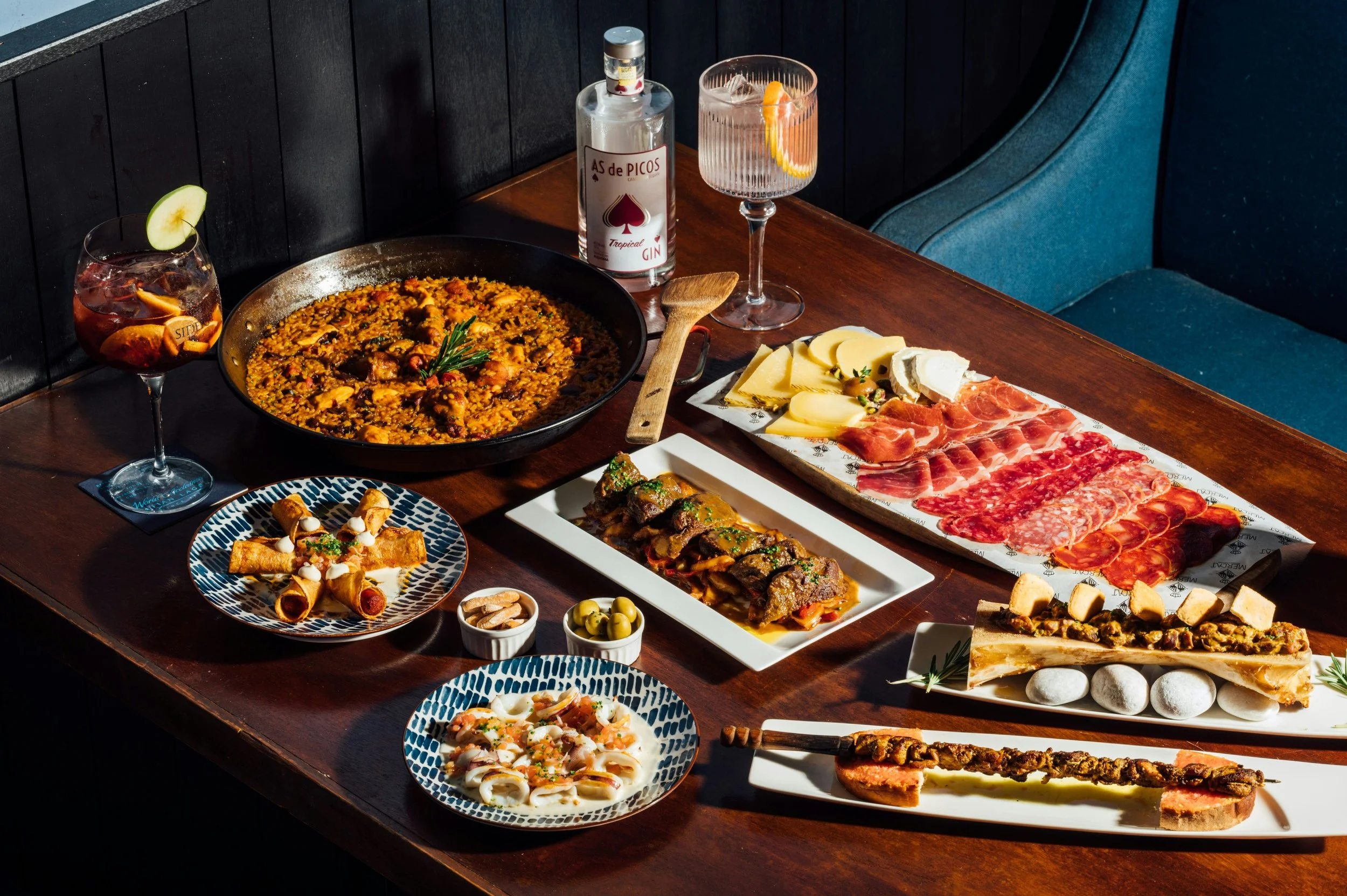
Madrid's food culture is one of the most democratic and most pleasurable in Europe, a tradition of eating and drinking in public that crosses every social boundary and operates at every hour of the day. The tapas bar is the institution through which Madrid's street life is organised and the private tapas tour through the right neighbourhoods is the experience that reveals the city at its most genuinely and most generously itself.
The neighbourhood of La Latina, the medieval district south of the Plaza Mayor where the narrow streets are lined with bars that have been serving the same food in the same spaces for generations, is the heart of traditional Madrid tapas culture. A private morning or evening moving through La Latina with a guide who knows which counter has been making the finest croquetas in the neighbourhood for thirty years and which bar first put bravas on the menu in the 1960s transforms a bar crawl into something that tells the story of the city through its food.
The tapas of Madrid are specific: jamón ibérico carved from the leg at the counter, tortilla española made fresh each morning and eaten at room temperature as the Spanish intend, croquetas of jamón or bacalao with a béchamel so smooth it seems impossible, patatas bravas with the specific spiced tomato sauce of the Madrid tradition and not the aioli that the rest of Spain and the tourist bars have substituted, calamares a la madrileña in a crusty roll that is one of the finest things the city produces and that costs almost nothing. The guide who knows the specific order of the tour and the specific bars worth stopping at is the difference between a good evening and an exceptional one.
The Mercado de San Miguel, the iron and glass market hall just off the Plaza Mayor that has been converted into a high-end food market of extraordinary quality, is worth a morning for the cured meats, the fresh oysters and the specific cheeses of the Spanish tradition. The Rastro, the Sunday flea market that takes over the streets of La Latina every week, is one of the great urban market experiences in Europe and one that reveals Madrid's street culture at its most vivid and most spontaneous.
The Royal Palace and the historic centre
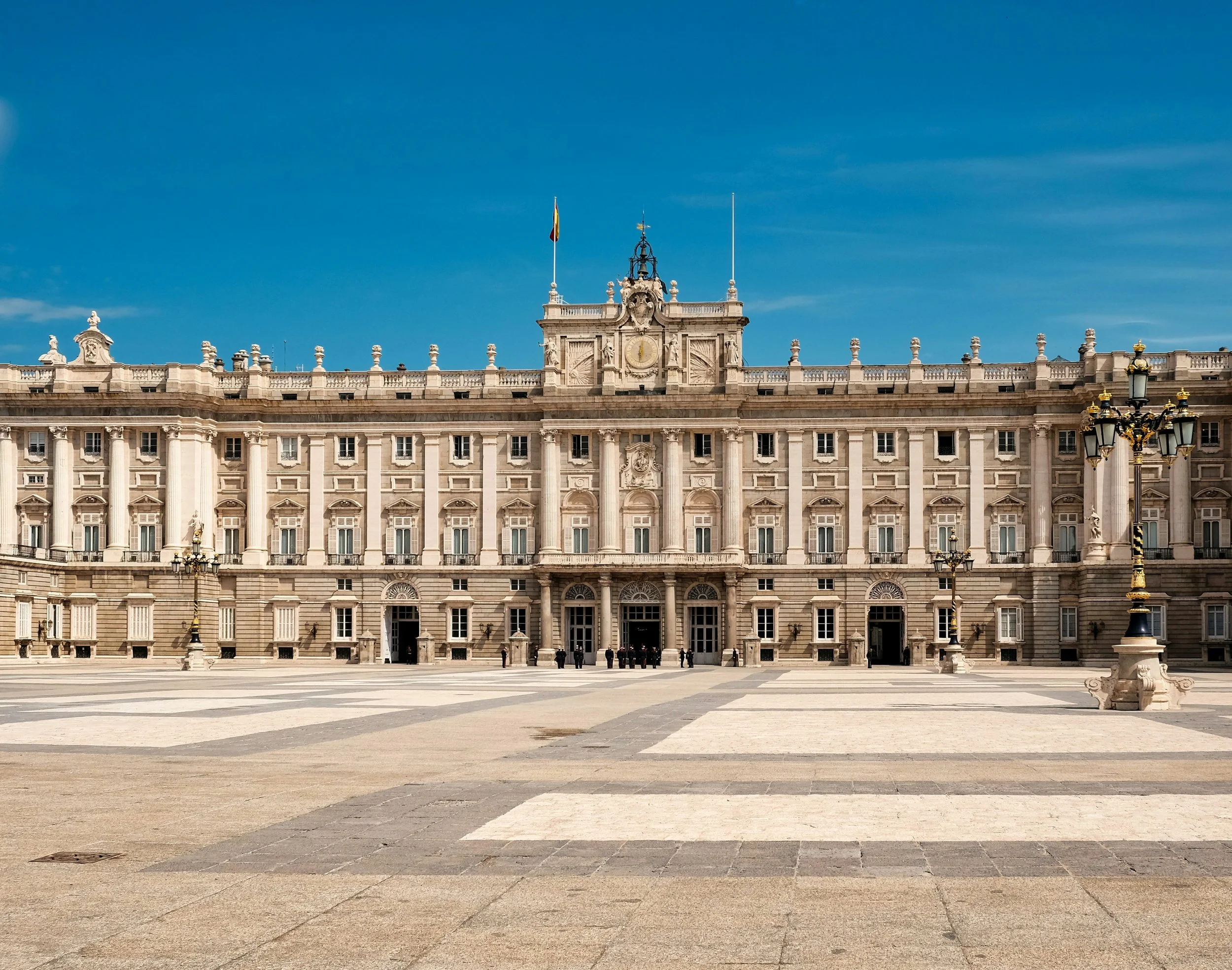
The Royal Palace of Madrid, the official residence of the Spanish royal family and the largest palace in Western Europe by floor area, is one of the finest baroque buildings in Spain and one that rewards a private guided visit for its specific details rather than its scale. The throne room, the royal chapel, the extraordinary painted ceilings of the state rooms and the collection of Stradivarius instruments in the music room are all more interesting with a guide who can explain the specific history of the Habsburg and Bourbon dynasties that accumulated them.
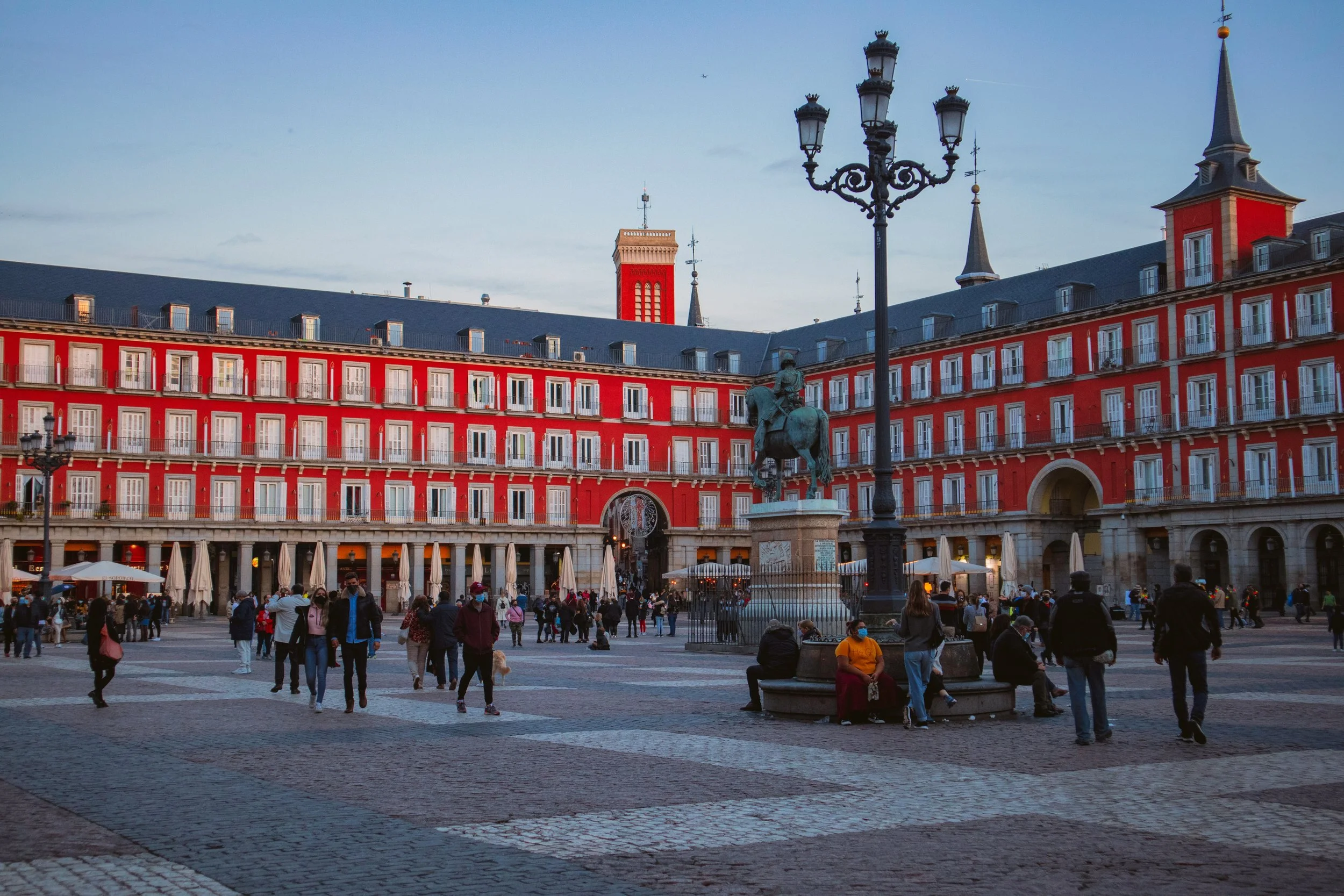
The Plaza Mayor, the great arcaded square at the heart of the Habsburg city built in the seventeenth century, carries its history in its proportions and its specific atmosphere, which is different at every hour of the day and at its finest in the early morning when the light falls at an angle across the painted facades and the café owners are setting up their tables in the first warmth of the day.
The Barrio de las Letras, the literary quarter southeast of the Prado where Cervantes, Lope de Vega and Quevedo all lived and wrote in the seventeenth century and where the streets are still paved with quotations from their works, is one of the finest and least crowded neighbourhoods in central Madrid for an afternoon walk. The Círculo de Bellas Artes, the arts club and cultural centre on the Gran Vía whose rooftop terrace offers the finest view of the Madrid skyline available to the public, is the right place to end a day in the city.
The neighbourhoods: Malasaña, Chueca and Salamanca
Madrid beyond the historic centre reveals itself in three distinct registers. Malasaña, the neighbourhood of the movida madrileña, the extraordinary cultural explosion that followed the end of the Franco dictatorship in the late 1970s, is now the most creative and most independently minded neighbourhood in the city, with record shops, independent bookshops, vintage clothing stores and the kind of café culture that has been developing in the same streets for forty years. The specific combination of the bohemian and the traditional, the 1970s bar alongside the century-old botillería, is entirely specific to this neighbourhood and to this city.
Chueca, the neighbourhood adjacent to Malasaña and the heart of Madrid's LGBTQ community since the 1980s, has some of the finest small restaurants in the city and a street life of extraordinary energy and warmth. Salamanca, the bourgeois neighbourhood east of the Paseo de la Castellana, is where the luxury shopping, the finest restaurants of the new Madrid cuisine and the afternoon life of the city's most prosperous residents is concentrated, and where the specific elegance of Madrid at its most polished is most immediately visible.
When to go and how long to stay
Madrid is a year-round destination but the finest seasons for walking the city are spring and autumn, when the temperatures are mild, the light is exceptional and the terraces of the bars and restaurants are in full use without the heat of summer. July and August in Madrid can be extremely hot and the city empties somewhat as residents leave for the coast, but the museums are less crowded and the remaining street life has a particular summer quality all its own.
Three days is the minimum for a first Madrid visit that covers the Prado, the tapas tour, the historic centre and a neighbourhood walk. Four or five days allows the addition of a day trip to Toledo, the extraordinary medieval city an hour south by train, or to Segovia for the Roman aqueduct and the fairy-tale Alcázar, and gives the city itself enough time to reveal the layer beneath the obvious one that is always the most interesting.
Ready to start planning your Spain journey? Explore our Spain destination page for more on regions, experiences and the best time to visit. When you are ready, get in touch and we will begin designing your journey around you.