
Private Istanbul: An Insider's Guide to the City Across Two Continents
Three empires. One city. Thousands of years of history walking distance from each other.
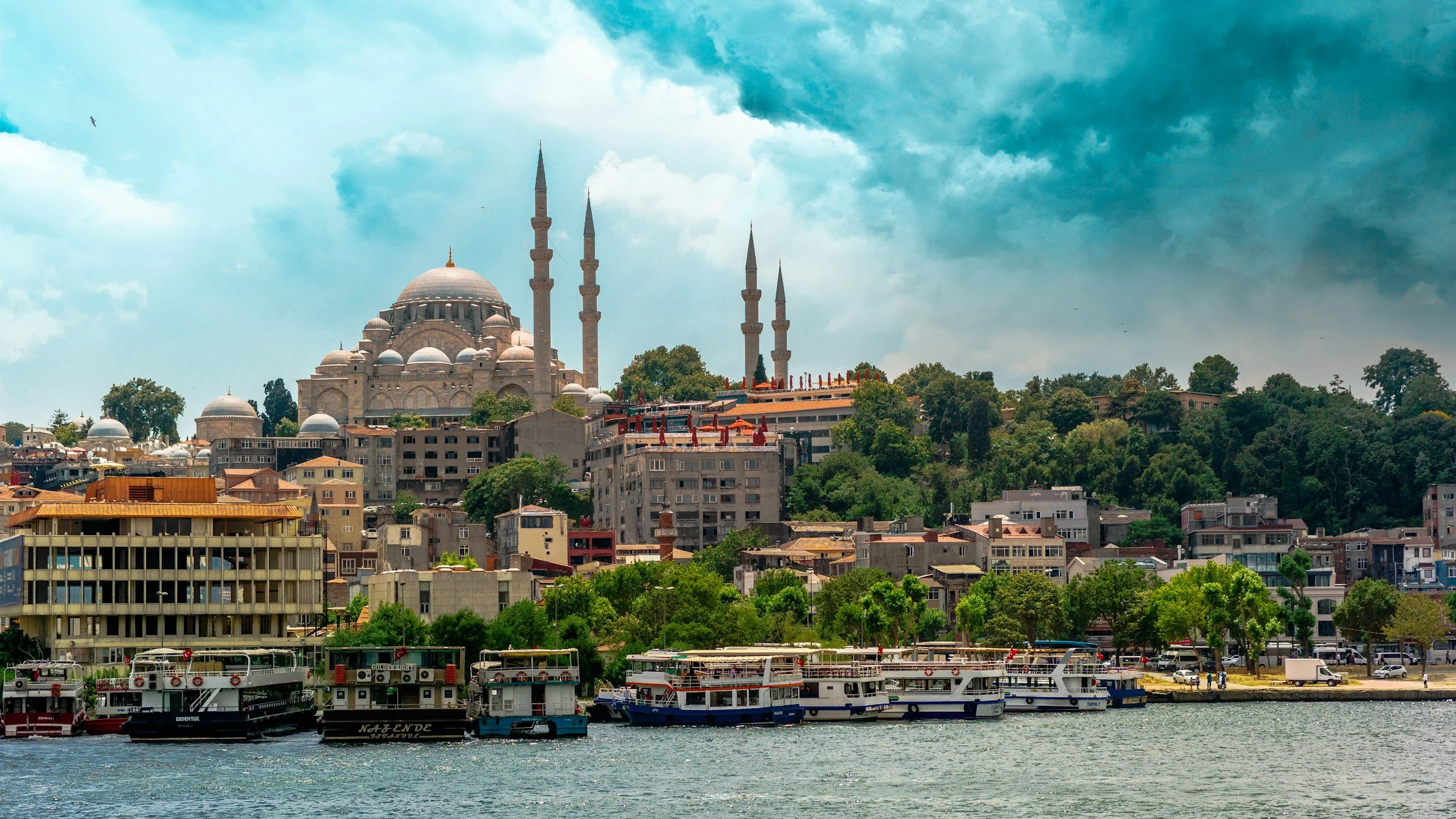
There are cities that reward visitors and there are cities that reward those who truly pay attention. Istanbul is emphatically the second kind. It is a place where a Byzantine church built in the sixth century sits beside an Ottoman mosque from the sixteenth, where you can descend beneath the streets into a Roman cistern and emerge into a neighborhood of contemporary art galleries, where Europe and Asia face each other across a stretch of water so narrow you can watch the tankers pass from a restaurant table. No city on earth carries this many layers of civilization in such a concentrated space, and no city reveals those layers more generously to those who arrive with the right guide and the right amount of time.
This is Istanbul experienced properly. Not as a checklist of monuments but as a living city that still contains, almost intact, the physical evidence of every empire that called it home.
Understanding Istanbul: three empires, one city
The easiest way to understand Istanbul is through its three great eras. The Byzantine period, from the fourth to the fifteenth century, gave the city its bones, its great churches, its underground cisterns and its extraordinary land walls. The Ottoman period, from 1453 to the early twentieth century, gave it its mosques, its palaces, its bazaars and its reputation as the centre of the Islamic world. The modern period, from the establishment of the Turkish Republic in 1923 onward, gave it its European boulevards, its Bosphorus waterfront mansions and the extraordinary contemporary energy that makes Istanbul one of the most compelling cities in the world to spend time in right now.
A private guide who understands all three eras and can move fluidly between them transforms a visit to Istanbul from an experience of impressive buildings into something that feels genuinely understood. A cup of Turkish tea in the courtyard of an old han, with an expert who traces the arc of the city's history from Constantine to Atatürk, is one of the finest introductions to any destination we have encountered anywhere.
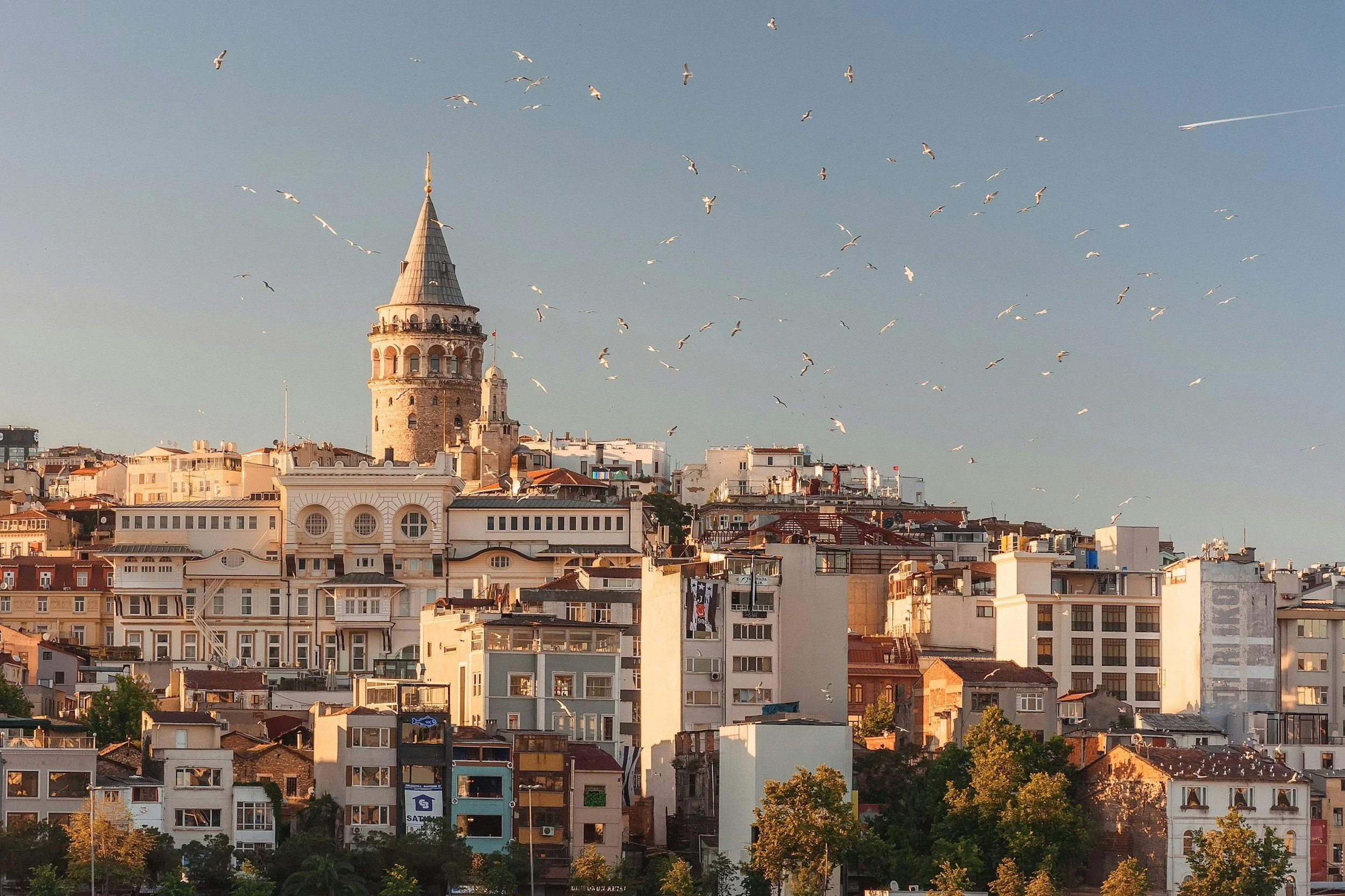
The Byzantine city: New Rome beneath the surface
After the fall of Rome, the eastern half of the empire consolidated around Constantinople, as Istanbul was then known, and continued to thrive for a thousand years. At its peak the Byzantine Empire ruled over nearly all of the Mediterranean, and the city it built was the most sophisticated urban environment in the world.
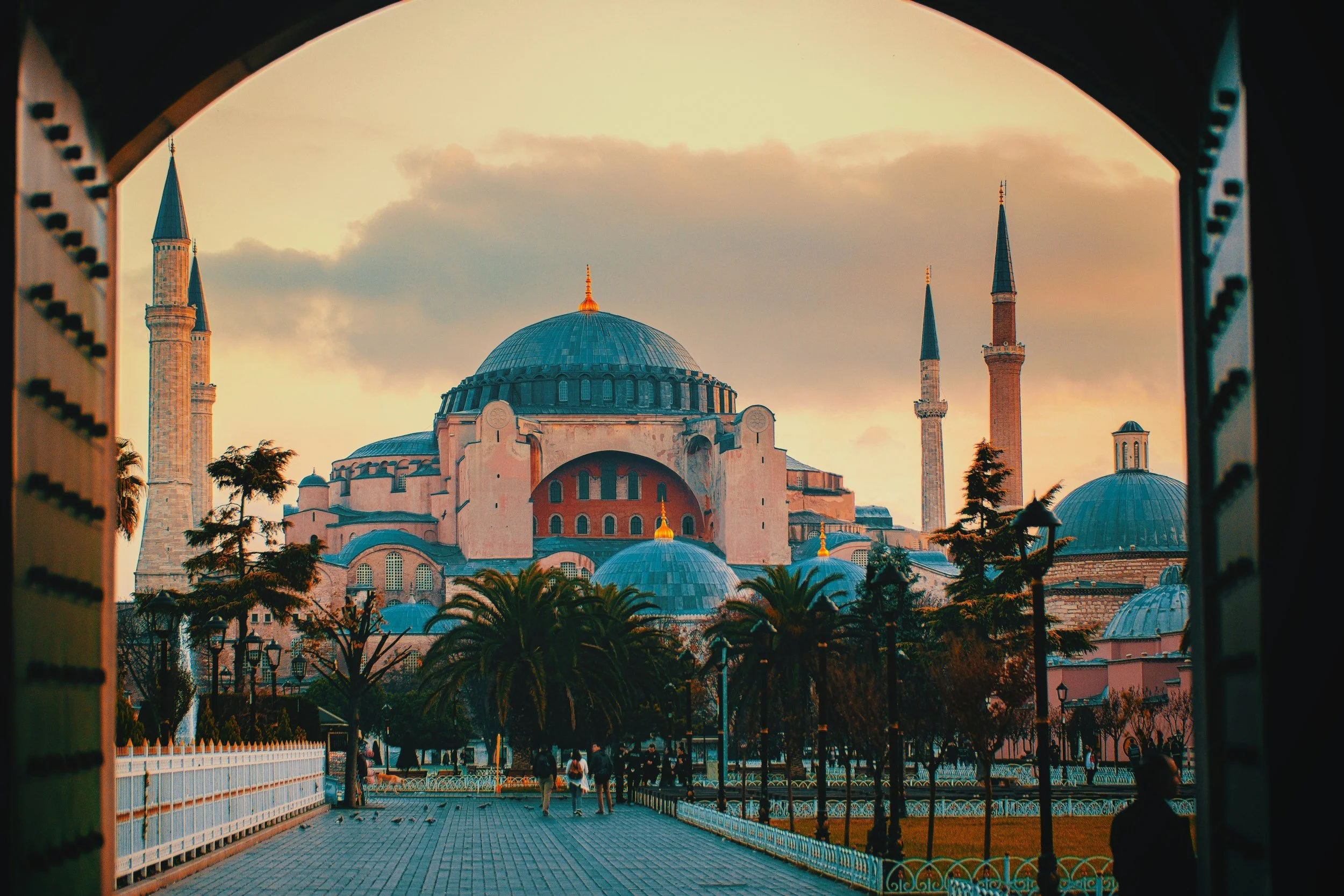
The morning of any serious Istanbul visit begins early, before the crowds, at Hagia Sophia. Built in 537 CE by Emperor Justinian, it served as the world's largest cathedral for nearly a thousand years. When the Ottomans took Constantinople in 1453 it became a mosque, its Christian iconography covered with Islamic calligraphy and its mosaics whitewashed. It has since been reconverted and what you see inside today is one of the most extraordinary palimpsests in the world: Byzantine mosaics and Ottoman calligraphy existing in the same space, each layer of history visible within the other. Arriving with a private guide before the general public enters changes the experience entirely.
Beneath the streets of the old city, the Basilica Cistern is the largest of the hundreds of underground reservoirs that the Byzantines built to trap and store rainwater for the city. Its forest of marble columns, many of them salvaged from earlier classical buildings, and its extraordinary atmospheric darkness make it one of the most genuinely surprising spaces in Istanbul. Nearby, the Great Palace Mosaic Museum houses intricate fifth-century mosaics that once decorated the Greek-style courtyards of the Great Palace of Constantinople, the seat of Byzantine imperial power for eight centuries. These are some of the only surviving remnants of a palace complex that once rivalled anything in Rome.
The Chora Church, slightly further from the main tourist circuit, is among the finest Byzantine monuments in existence. Its eleventh-century interior frescoes and mosaics are in near-perfect condition thanks to meticulous restoration, and it gives a sense of the extraordinary artistic ambition of the Byzantine world that the more-visited sites cannot quite match.
The Ottoman city: palaces, mosques and the grand bazaar
Sultan Mehmed II led the Ottoman forces into Constantinople in 1453 and immediately set about transforming his new capital. Over the following centuries the Ottomans built some of the most beautiful structures ever constructed, under the guidance of architects like the extraordinary Mimar Sinan, whose genius shaped the Istanbul skyline in ways that remain visible from almost every vantage point in the city.
Topkapi Palace was the primary residence of the Ottoman sultans for four hundred years. Its vast grounds are divided into a series of courtyards, each with its own function, moving from the public spaces of the outer court through the treasury and the harem to the private imperial apartments. A private guide who knows the quieter rooms, the lesser-visited sections of the treasury and the best moments of the day to be in each part of the palace makes an extraordinary difference to how much of it you actually understand.
The Blue Mosque, directly across from Hagia Sophia, takes its informal name from the blue Iznik tiles that cover its interior. Built in the early seventeenth century and still functioning as an active place of worship for ten thousand devotees, it is the finest example of classical Ottoman mosque architecture in the city. The Süleymaniye Mosque, perched on one of Istanbul's seven hills with views across the Golden Horn and the Bosphorus, is Mimar Sinan's most celebrated work and his final resting place. Tucked into the tight alleys of the old city below, the smaller Rüstem Pasha Mosque is Sinan's most intimate achievement, its walls covered from floor to ceiling in some of the most beautiful Iznik tilework in existence.
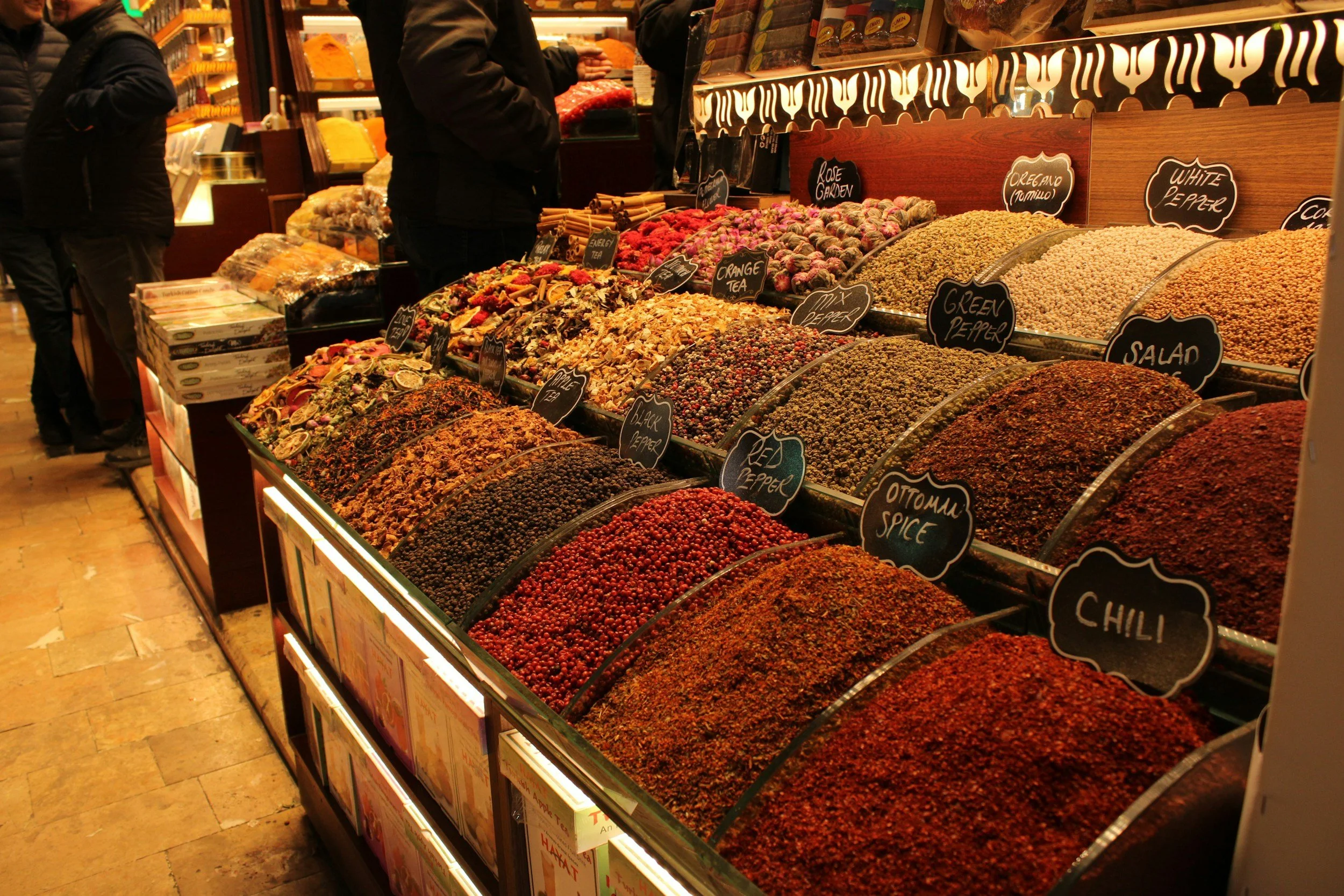
The Spice Bazaar is the mainstay of Istanbul's spice trade and one of the great sensory experiences of the city. Towers of saffron, sumac, dried fruit and pistachios line the stalls, alongside Iranian caviar, Turkish delight and every regional product imaginable. A guide who knows which vendors are worth talking to and which products are worth taking home transforms the bazaar from an overwhelming experience into a genuinely pleasurable one.

The modern city: European grandeur and the Bosphorus
From the nineteenth century onward, as Istanbul began to attract more European merchants and diplomatic missions, the city took on a more Western character. The sultans moved out of Topkapi and into new European-style palaces along the Bosphorus, French architecture began to appear across the city and the neighbourhoods north of the Golden Horn developed the cosmopolitan energy they still carry today.
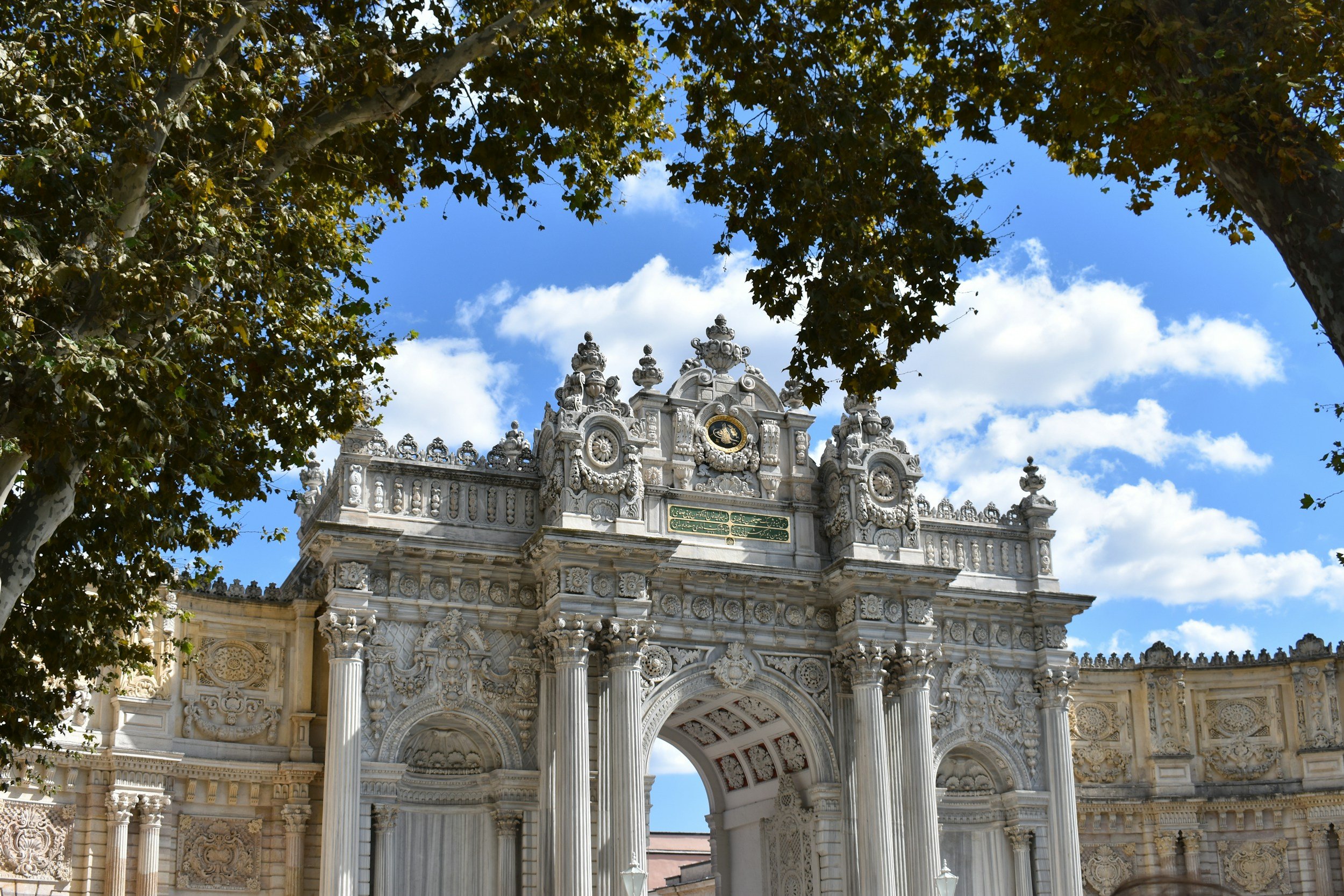
Dolmabahçe Palace, built on the banks of the Bosphorus in the mid-nineteenth century, was the last sultan's palace and the first built in the European manner. Its Baroque grandeur, Baccarat crystal chandeliers and extraordinary scale make it one of the most opulent interiors in the world, and the contrast with the traditional Ottoman architecture of Topkapi illustrates in the most direct way the transformation the empire was attempting to make in its final years.
From the palace dock, a private Bosphorus cruise is the finest way to understand the city's geography and its extraordinary layering of history along a single stretch of water. Flanked by Europe on one side and Asia on the other, the Bosphorus is one of the busiest waterways in the world. As you sail northward from the city centre, the scenery shifts from palatial waterfront residences and Ottoman fortresses including the imposing Rumeli Fortress to green hills dotted with historic yalis, the traditional wooden summer houses of Istanbul's wealthy families. Disembarking on the Asian side, the neighbourhood of Kadikoy offers a completely different Istanbul from the tourist circuit of the old city: local restaurants, neighbourhood markets and the authentic pace of daily life in a city of sixteen million people.
Why a private Istanbul experience is different
Istanbul is one of the most visited cities in the world, which means that its greatest experiences are also among the most crowded. Hagia Sophia on a summer afternoon, with thousands of visitors moving through in groups, is a fundamentally different experience from Hagia Sophia at nine in the morning with a private guide who has twenty years of knowledge to share. The Grand Bazaar's main corridors, lined with tourist-facing shops, are a different world from its quieter hans and artisan workshops, which a private guide who knows the city can navigate directly.
A private Istanbul journey also means the flexibility to follow the city's rhythms rather than a fixed group schedule. An unplanned detour into a neighbourhood coffee house, a conversation with a ceramicist in the bazaar, an extra hour in the Chora Church because the mosaics deserve it: these are the moments that define a journey rather than simply filling it.
Ready to start planning your ISTANBUL journey?
Explore our full Turkey destination page for more on the regions, experiences and best times to visit. When you are ready, get in touch and we will begin designing your journey.