
Peru's Food Scene: A Private Culinary Journey Through Lima, the Sacred Valley and Cusco
The country that changed how the world thinks about food.

Peru did not become one of the world's great culinary destinations by accident. It happened through an extraordinary convergence of geography, biodiversity and cultural layering that no other country on earth can quite replicate. More than 3,000 varieties of potato. Over 650 native fruit species. Coastal fishing traditions that predate the Inca empire. Japanese and Chinese immigration that transformed the local kitchen in ways that took generations to fully understand. And a generation of chefs who looked at all of this and decided to build something entirely new from it. The result is a food culture so rich and so varied that a single journey through the country can take you from one of the world's fifty best restaurants to a potato harvest in the Andean highlands to a private picnic above the clouds, all within the same week.
This is Peru experienced through food. And there is no better way to experience it.
Lima: the best food city in Latin America
Lima's rise to the top of the global culinary conversation has been one of the great food stories of the last twenty years. The city is home to more entries on the World's 50 Best Restaurants list than any other in Latin America, and its food scene spans everything from the extraordinary tasting menus of Central and Maido to the neighbourhood cevicherias where the city has been eating raw fish marinated in lime and aji amarillo since long before anyone thought to write about it.
Central, the flagship restaurant of chef Virgilio Martinez, is the clearest expression of what Peruvian cuisine has become at its most ambitious. Each course traces a different altitude of the Peruvian ecosystem, from sea level to the high Andes, using ingredients that most diners have never encountered before and presenting them in a way that makes the country's extraordinary biodiversity feel tangible and emotionally resonant. A reservation at Central is one of the most sought-after dining experiences in the world and requires planning well in advance.
But Lima's food story is not only told in fine dining rooms. The neighbourhood of Barranco is where the city's culinary and cultural energy feels most concentrated and most alive. Sometimes called the Soho of Lima, this bohemian district of colonial mansions, street art, art galleries and chic boutiques sits perched on the cliffs above the Pacific. A morning in Barranco moves through its colourful streets to the Bajada de los Baños, a charming walkway that descends through gardens and colonial architecture to the sea. Along the way, picarones, the traditional Peruvian street snack of fried squash and sweet potato dough dipped in a syrup of honey and brown sugar, are the right thing to eat. A coffee at Tostaduria Bisetti, a Lima institution dating to the 1950s when Italian immigrants brought their espresso culture to the city, closes the morning perfectly.
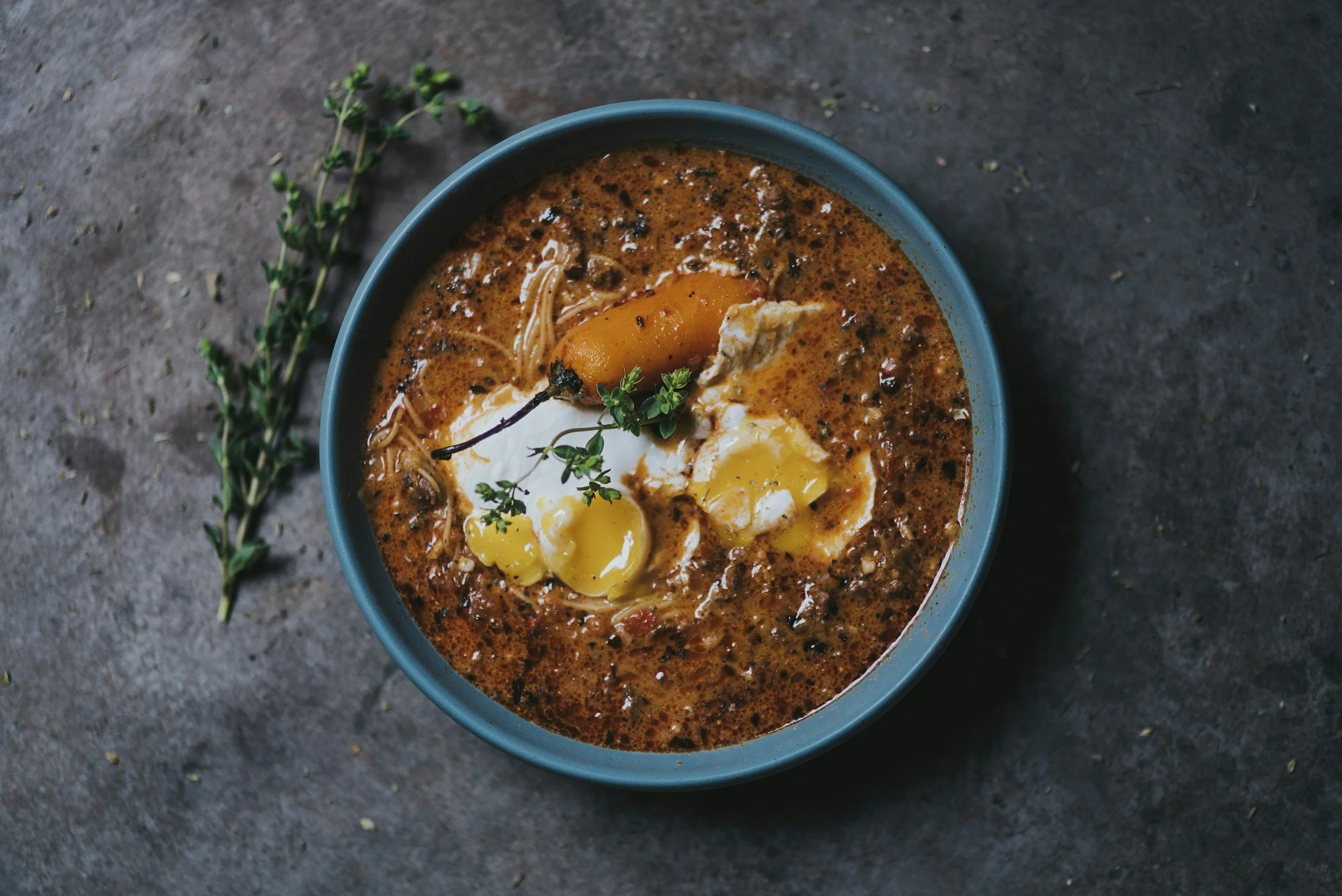
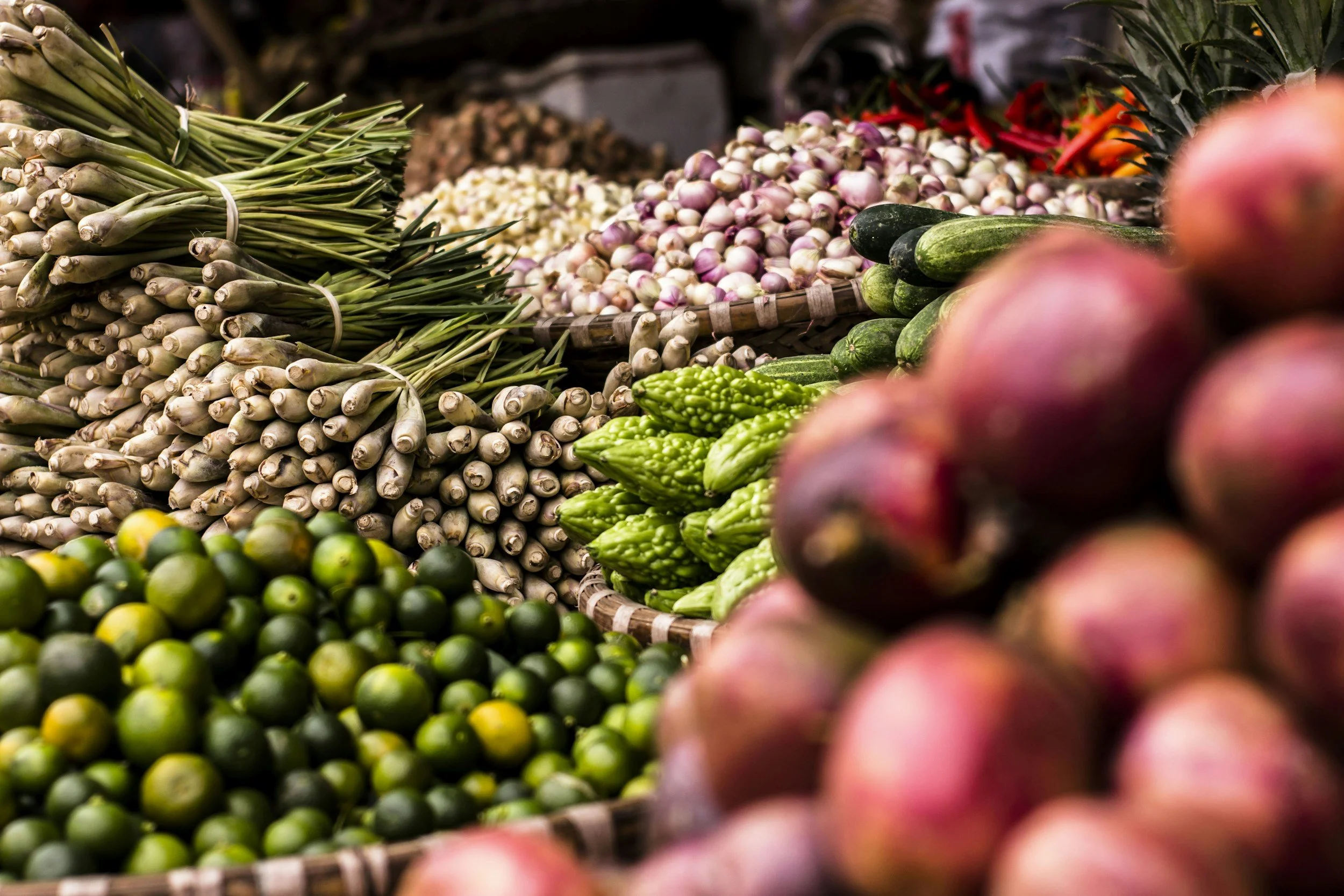
The real depth of Lima's food culture reveals itself in the markets. A private tour of the San Isidro market with an expert guide introduces the ingredients that make Peruvian cuisine so distinctive and so difficult to replicate elsewhere. Purple corn, from which the classic chicha morada drink is made. Lucuma, the subtropical fruit with a caramel-like sweetness that appears in everything from ice cream to milkshakes. Dozens of varieties of aji chilli, each with its own flavour profile, heat level and culinary application. The extraordinary range of Peruvian potatoes in colours and shapes that most of the world has never seen.
A private cooking class in Lima translates that market knowledge into something you can taste. Under the guidance of an expert chef, the morning in the market becomes an afternoon in the kitchen, learning to prepare causa, the layered potato terrine that is one of Peru's most elegant dishes, lomo saltado, the stir-fry that is the clearest expression of the Chinese influence on Peruvian cooking, a proper pisco sour, and crocante de chirimoya, a dessert built around the custard apple fruit that grows in the valleys between the coast and the Andes.
Lima's food scene also carries within it a remarkable story of cultural fusion. Nikkei cuisine, the marriage of Japanese techniques and Peruvian ingredients born from the Japanese immigration of the late 19th and early 20th centuries, has produced some of the most refined and visually stunning food in the country. Chifa, the Peruvian-Chinese fusion tradition that emerged from the large Chinese immigrant communities of the 19th century, is woven into the fabric of everyday Lima eating in a way that most visitors never fully appreciate until they look for it. Both traditions are worth exploring on a private food tour of the city with a guide who can trace the history behind the plate.
Explore our Lima, Paracas and Amazon private itinerary for more inspiration on how to experience Peru's coast, desert and rainforest in a single private journey.
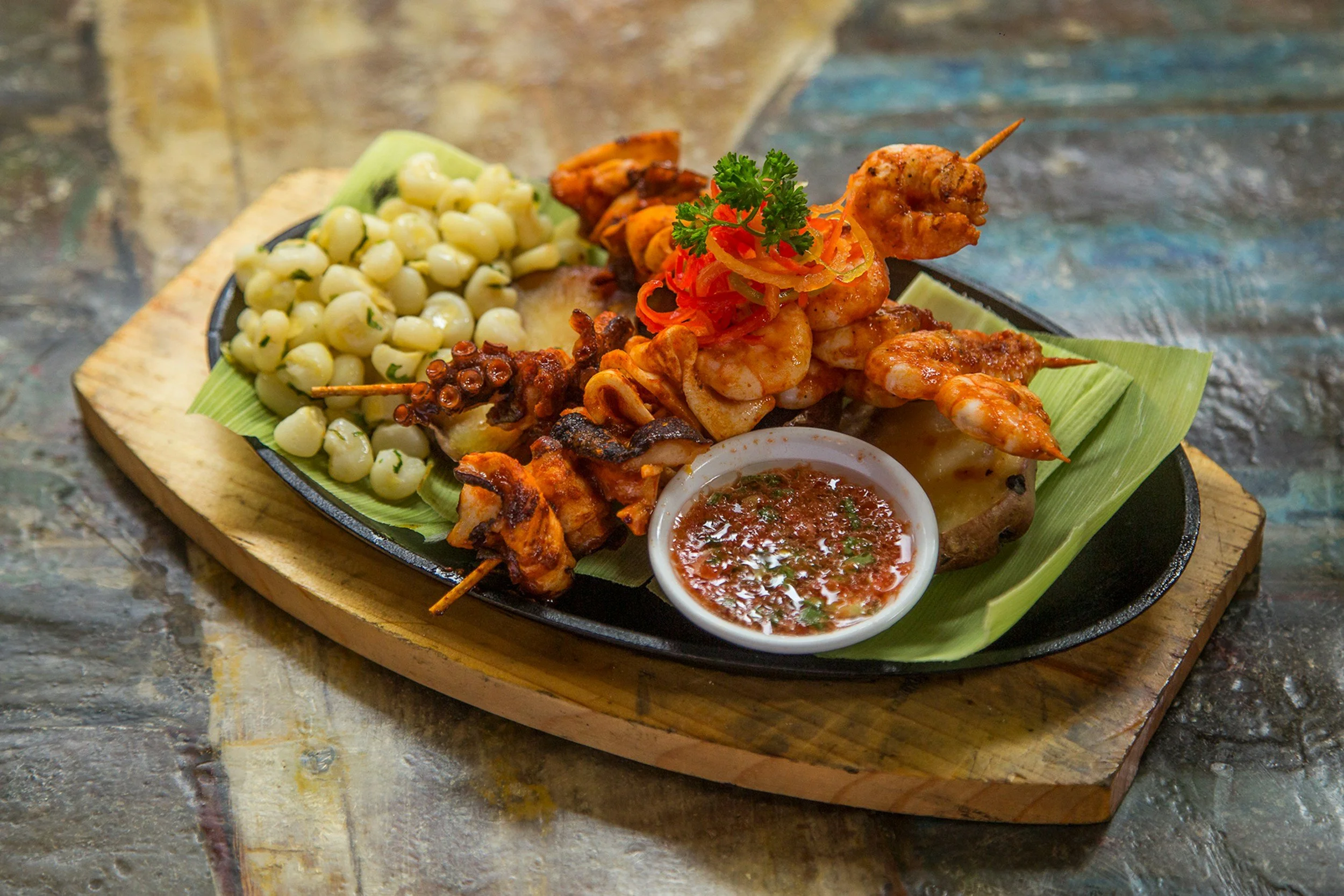
The Sacred Valley: altitude, biodiversity and the original kitchen
The Sacred Valley of the Incas sits between Cusco and Machu Picchu at an altitude of around 2,800 metres, and the food culture here is rooted in the land in a way that even Lima cannot match. This is where the ingredients come from. The valley floor is extraordinarily fertile, and the communities that have farmed it for centuries have preserved agricultural traditions and crop varieties that the rest of the world is only now beginning to understand.
One of the most extraordinary encounters available in the Sacred Valley is a visit to the work of Manuel Choque, a local agronomist and community leader who has spent decades developing and preserving native potato varieties with exceptional nutritional profiles. The potato, often reduced in the global imagination to something starchy and simple, is in Manuel's hands a subject of profound complexity. Working directly with local farming communities, he has cultivated varieties containing levels of antioxidants, iron and other nutrients that modern science is only beginning to document. Spending time with Manuel in the fields, understanding how the altitude and the specific microclimates of the valley shape what grows and what it contains, is the kind of encounter that genuinely changes how you think about food and where it comes from.
A potato picking experience with a local farming family in the valley brings this to life in the most direct way possible. Hands in the earth, conversations through a guide, potatoes of colours ranging from deep purple to vivid yellow pulled from the soil and cooked over an open fire minutes later. It is a simple experience and one of the most memorable.
MIL, the restaurant that Virgilio Martinez opened in Moray within the Sacred Valley, takes the same philosophy that drives Central in Lima and applies it to the altitude and ingredients of the Andean highlands specifically. Set beside the extraordinary circular Inca terraces of Moray, which the Incas used to study the effects of different microclimates on crop cultivation, MIL serves a tasting menu built entirely from ingredients sourced within the surrounding communities. It is one of the most contextually extraordinary dining experiences in the world, a restaurant that could not exist anywhere else and that only makes sense in the specific place where it sits.
A private picnic in the Andes is the counterpoint to MIL's formality. A spot chosen for its views and its silence, a spread of local breads, cheeses, mountain herbs and the produce of the valley laid out in the open air, with the Andes peaks above and the sound of the wind across the grass. It is one of those travel experiences that stays with people long after they have returned home.
A private lunch at a historic hacienda in the valley adds another dimension entirely. These grand colonial estates, many of them centuries old, carry the history of the valley in their architecture and their kitchens, and a private lunch here, prepared with local produce and served in a setting of extraordinary beauty, is one of the finest ways to spend an afternoon in the Sacred Valley.
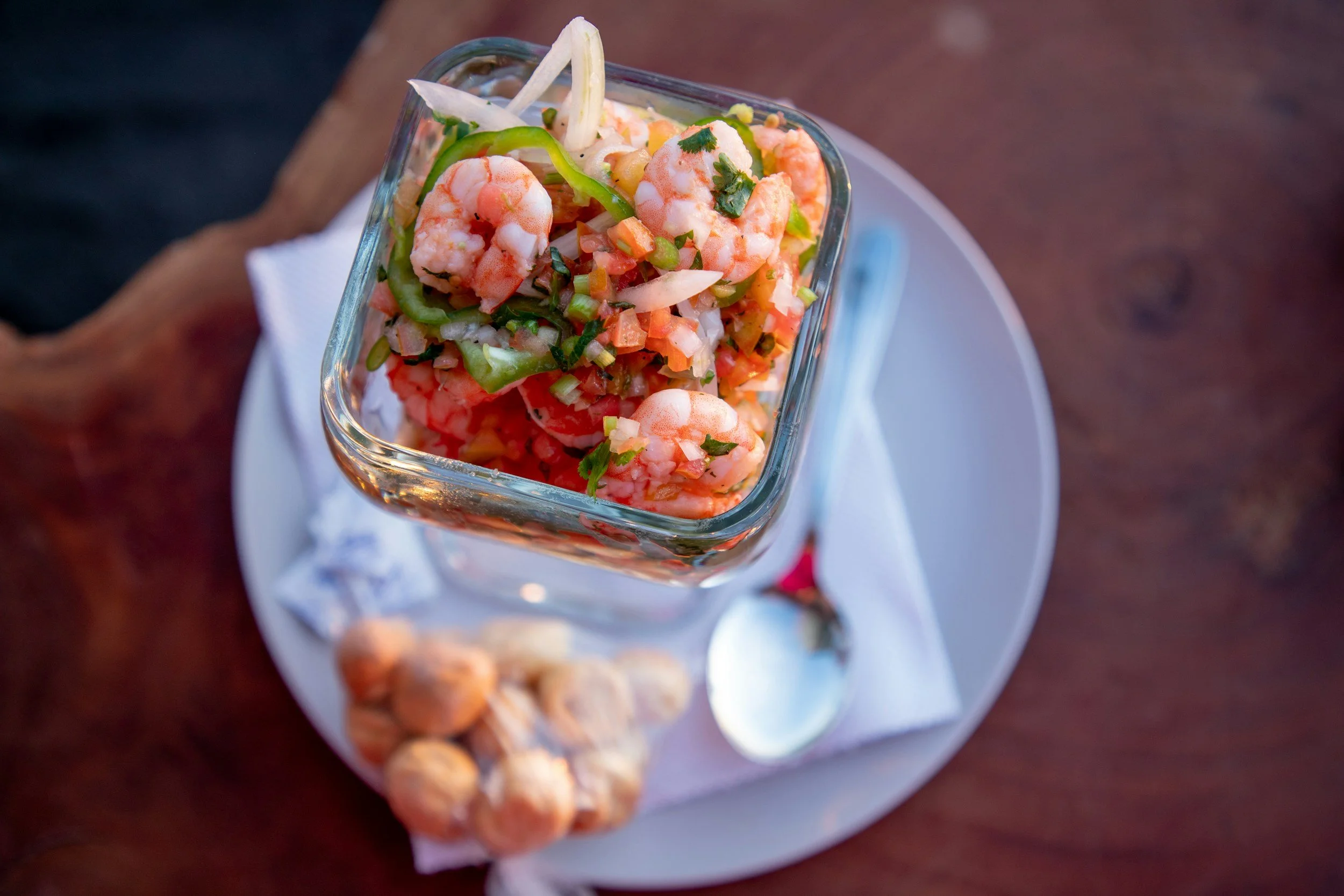
A ceviche and pisco sour class in the valley brings the coastal flavours of Lima into the highlands, taught by a local chef who understands both traditions. Learning to balance the acidity of the lime with the heat of the aji and the sweetness of the red onion is a skill that travels home with you.
Explore our Cusco, Sacred Valley and Machu Picchu private itinerary for more inspiration
Cusco: ancient capital, modern kitchen
Cusco sits at 3,400 metres and carries more layers of history per square metre than almost any city on earth. The Inca stonework beneath the Spanish colonial buildings, the indigenous market traditions operating alongside contemporary restaurants, the street food vendors selling anticuchos, skewered and grilled beef heart marinated in aji panca, alongside the sophisticated kitchens that have emerged in the city over the last decade: Cusco is a place where the ancient and the contemporary share the same altitude and the same ingredients.
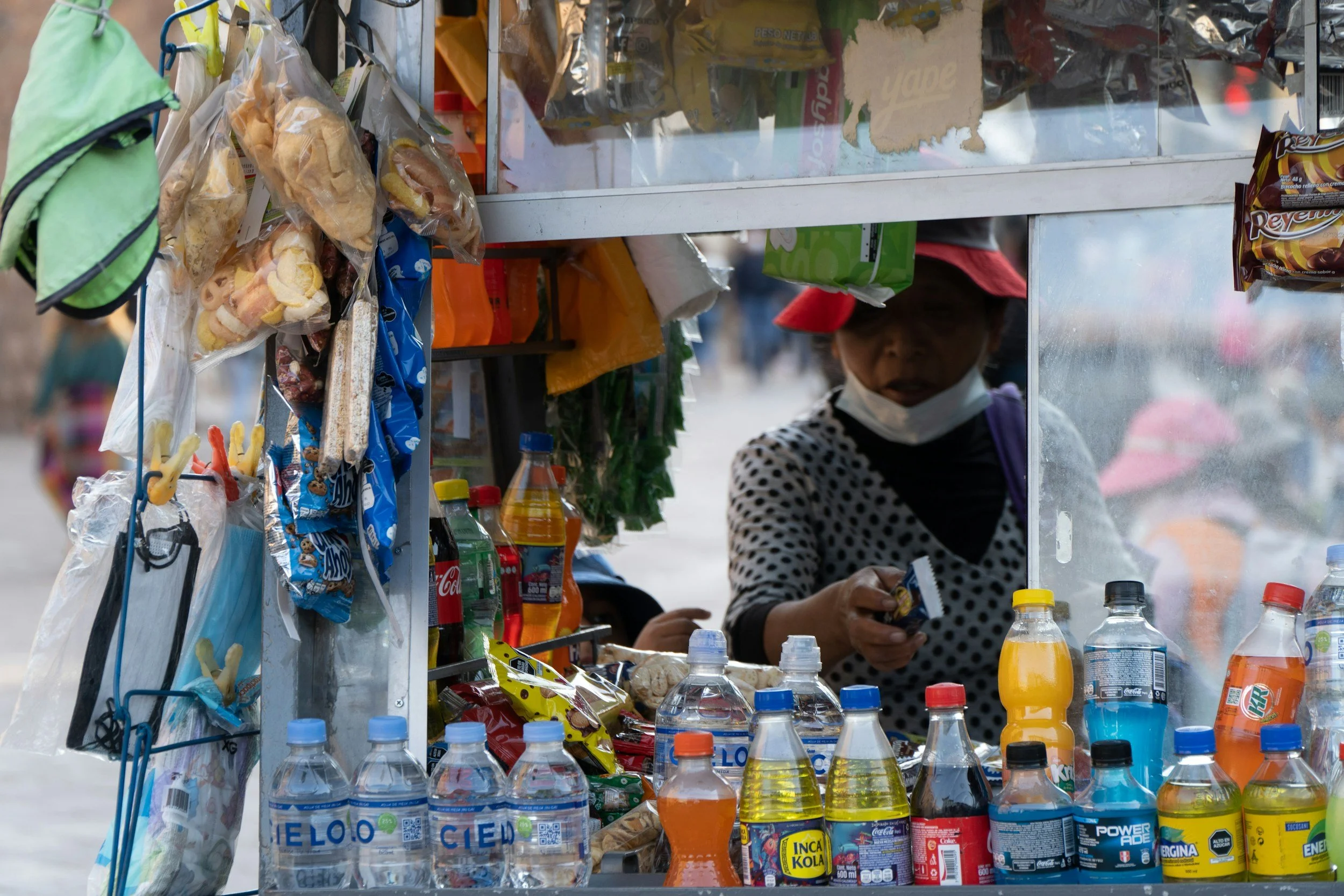
A private market visit with a local guide in Cusco is an essential starting point. The San Pedro Market is one of the most authentic in Peru, its stalls piled with medicinal herbs, fresh chicha, roasted corn, cuy (guinea pig, the traditional protein of the Andean highlands), exotic fruits from the cloud forest and every variety of Andean potato and grain. A guide who can explain what you are looking at, introduce you to the vendors and help you navigate the difference between what tourists see and what locals buy transforms the market from an overwhelming visual experience into a genuinely understood one.
A cooking class with views over the rooftops and colonial churches of Cusco's old town is one of the most satisfying food experiences available in the city. The fusion of Andean, Spanish and now Japanese and Chinese influences in the Cusco kitchen produces dishes of surprising sophistication, and understanding how they are made in a hands-on class with a local chef connects you to the city's cultural history in a way that no restaurant meal alone can replicate.
Cusco's restaurant scene has evolved significantly and is now one of the most interesting in Peru. The Nikkei and Chifa traditions that shaped Lima are present here too, alongside restaurants dedicated to the revival of traditional Andean ingredients like kiwicha, a grain cultivated by the Incas and rediscovered by contemporary chefs for its extraordinary nutritional profile, and chuño, freeze-dried potato preserved by the cold Andean nights in a technique that dates back centuries and that modern food science still regards with admiration.
Why Peru rewards the food-focused traveller
Peru is one of those rare destinations where the food is not simply a pleasant accompaniment to the sightseeing. It is the lens through which the country reveals itself most fully. The potato that Manuel Choque grows in the Sacred Valley connects to the Inca agricultural genius that shaped the valley's landscape. The lomo saltado in a Lima restaurant carries within it the story of Chinese immigration and the cultural fusion that defines the city. The ceviche served at a beachside counter in Barranco uses a technique that predates the Inca empire by centuries. Food here is history, biology, culture and geography all on the same plate.
A private culinary journey through Peru is one of the most rewarding experiences we design. Every meal, every market, every cooking class and every conversation with a local producer adds a layer of understanding that transforms the country from somewhere you visited into somewhere you genuinely know.
Ready to plan your CULINARY JOURNEY TO PERU?
Explore our Peru destination page for more experiences, itineraries and inspiration. When you are ready, get in touch and we will begin designing your journey around you.