
The Great Migration: What It Really Takes to Witness It Privately
Two million animals. One ancient route. The greatest wildlife spectacle on earth.
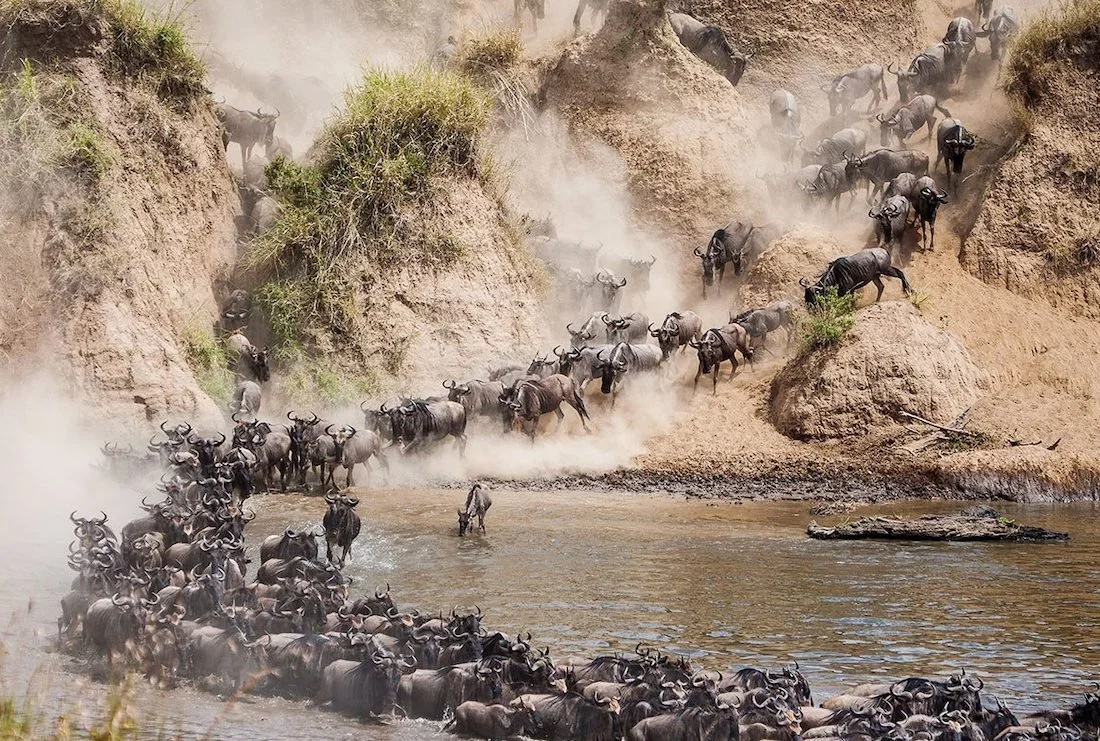
Every year, without fail, more than two million wildebeest, zebra and gazelle begin moving across the Serengeti in a vast, continuous circle that has been repeating for millennia. The Great Migration is not an event. It is a permanent state of motion, driven entirely by rain, governed by instinct, and utterly indifferent to the schedules of those who travel to witness it. Understanding this is the first step toward experiencing it properly.
Most travellers who come away disappointed from a Great Migration safari made the same mistake. They arrived with a fixed itinerary, booked the wrong camp for the wrong season, or stayed too few nights to account for the unpredictability of wild animals moving across an ecosystem the size of Ireland. Most travellers who come away transformed did the opposite. They placed themselves in the right part of the Serengeti at the right time, with guides who knew where to position them and the patience to let the landscape reveal itself on its own terms.
The migration is circular and year-round — not an event with a start date
The single most important thing to understand about the Great Migration is that it never stops. The herds are always moving, always somewhere on their ancient clockwise circuit between Tanzania's southern Serengeti, the central and western corridors, the northern reaches near the Mara River and back again. The question is never whether the migration is happening. It is which aspect of it you want to witness and where in the Serengeti you need to be to see it.
There are two moments in the annual cycle that define most travellers' ambitions. The first is the calving season, which unfolds across the short-grass plains of the southern Serengeti and the Ndutu area between late December and mid-March. The second is the Mara River crossings, which typically occur between late July and early October in the northern Serengeti. Both are extraordinary and completely different experiences.
The calving season: the southern Serengeti and Ndutu
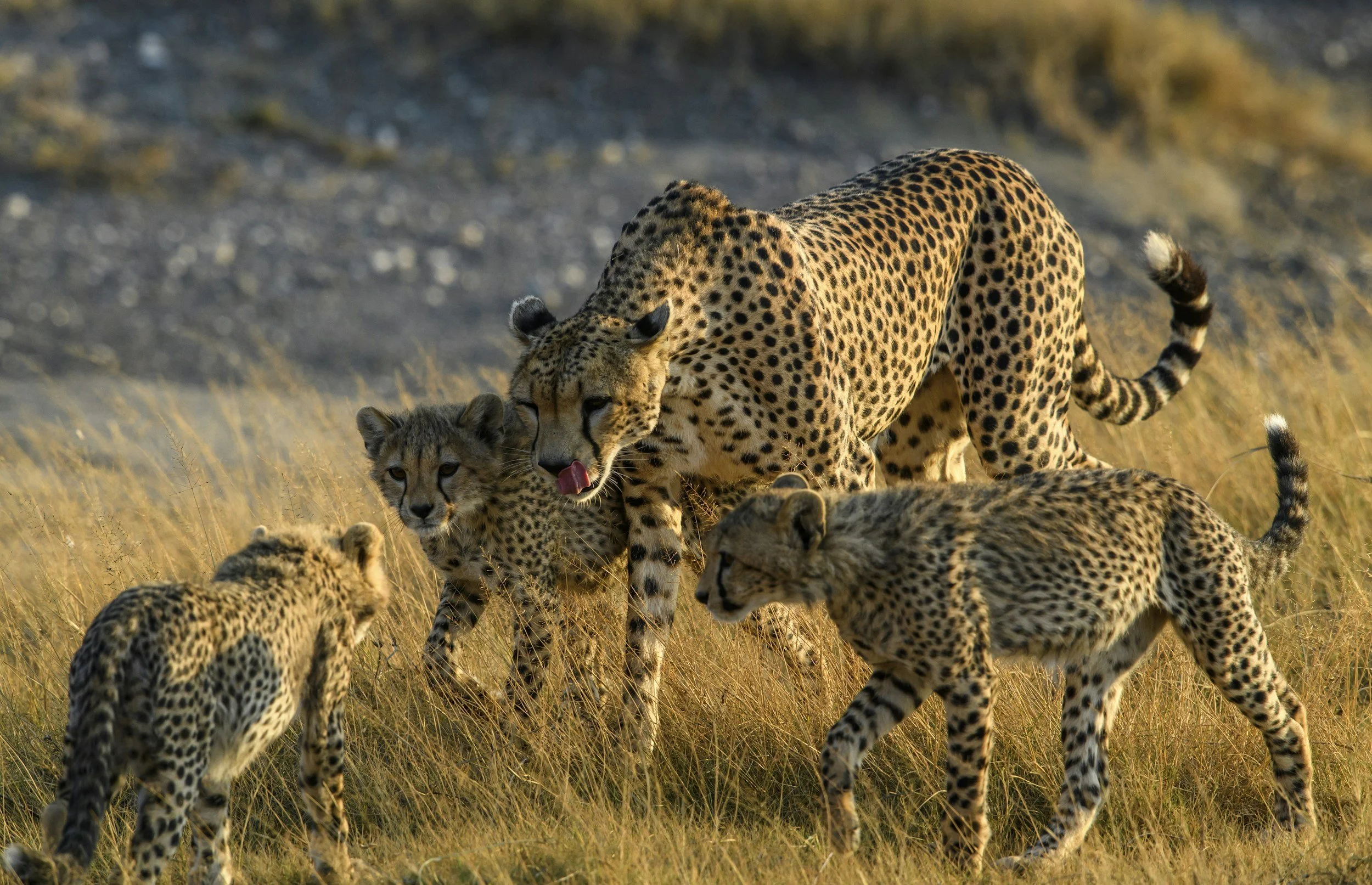
Between late January and mid-March, more than 80 percent of fertile female wildebeest give birth within a few weeks of each other on the short-grass plains of the southern Serengeti. Over 500,000 calves are born in this period, each one able to stand and run within minutes of arriving in the world, each one immediately vulnerable to the lions, cheetahs, leopards and hyenas that follow the herds precisely for this reason. The calving season is one of the most intensely dramatic wildlife experiences on earth, not for its scale alone but for the raw intimacy of what unfolds on those open plains.
The southern Serengeti and Ndutu area at this time of year are lush and green, the grass kept short by the vast herds that have grazed it since December. The light is extraordinary. The predator activity is exceptional, with the highest concentration of cheetah in the entire Serengeti ecosystem hunting the plains, alongside lions and leopard. The crowds are significantly lower than during peak river crossing season. For those who want the Migration with fewer fellow visitors and wildlife encounters of remarkable intimacy, the calving season is genuinely the most rewarding window of the year.
The Mara River crossings: the northern Serengeti
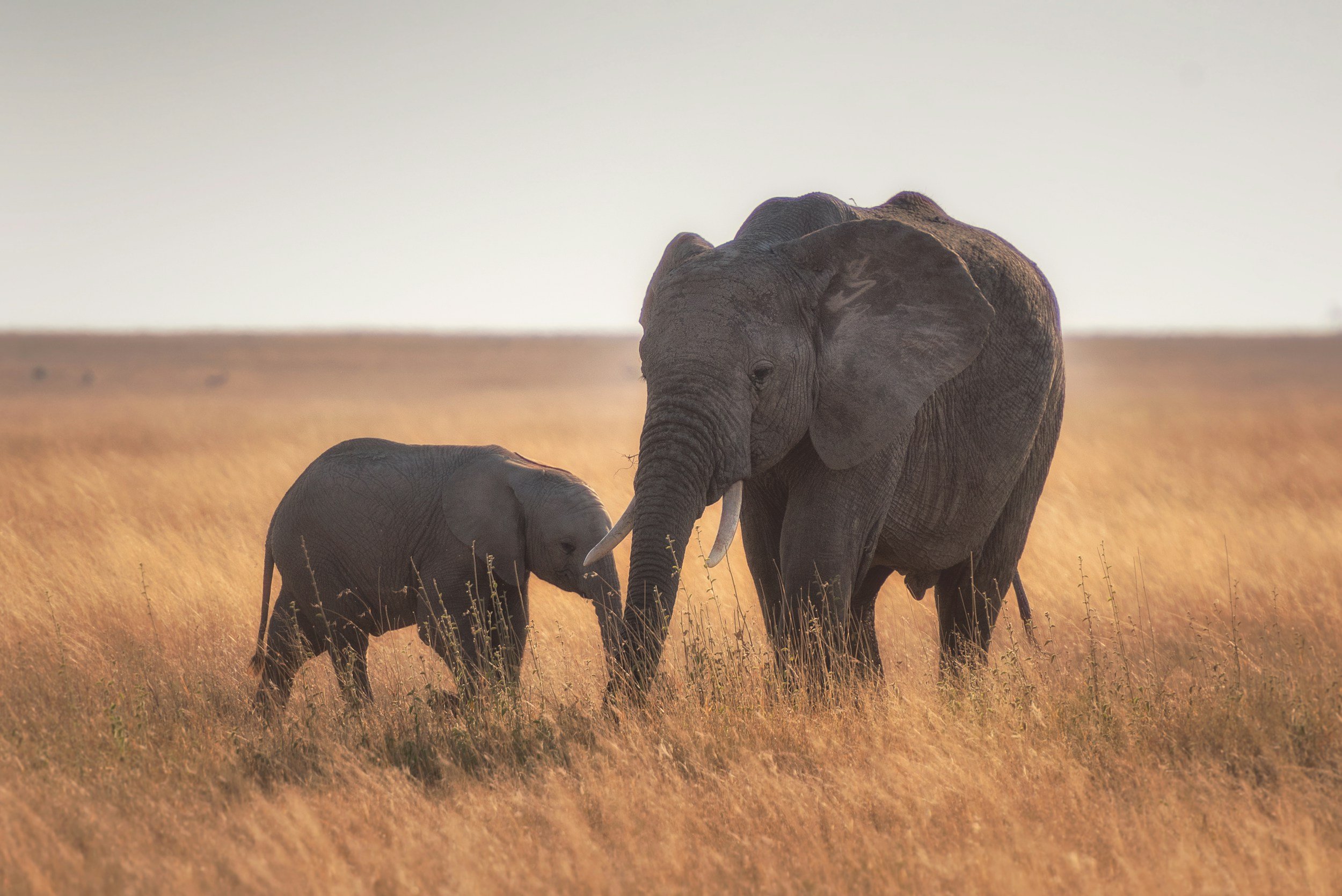
Between late July and early October, the drama shifts entirely to the northern Serengeti and the Mara River. The herds have been moving north since April, driven by the drying of the southern plains, and by high summer they have massed on the banks of the Mara River in extraordinary numbers. What follows is one of the most dramatic spectacles in the natural world.
A crossing begins when a single wildebeest, seemingly at random, decides to enter the water. The herd rushes in behind it, tens of thousands of animals plunging into crocodile-infested waters in a chaos of movement, noise and dust that can last for hours before stopping suddenly, often for no apparent reason, and beginning again. The crocodiles, some of the largest in Africa, have been waiting in position for weeks. Not every animal that enters the water comes out the other side. It is simultaneously brutal and breathtaking, and it is the moment that most Migration safari footage is built around.
What no film captures is the waiting. A crossing can happen at any moment across a stretch of several kilometres of river, and it can be over in minutes. A private guide who knows the specific points where crossings are most likely to occur, who reads the behaviour of the herds on the opposite bank and positions you correctly before the animals commit, makes an extraordinary difference to what you witness. Guides who have spent years on the Mara River develop an instinct for these moments that is genuinely rare and genuinely valuable.
Why private changes everything
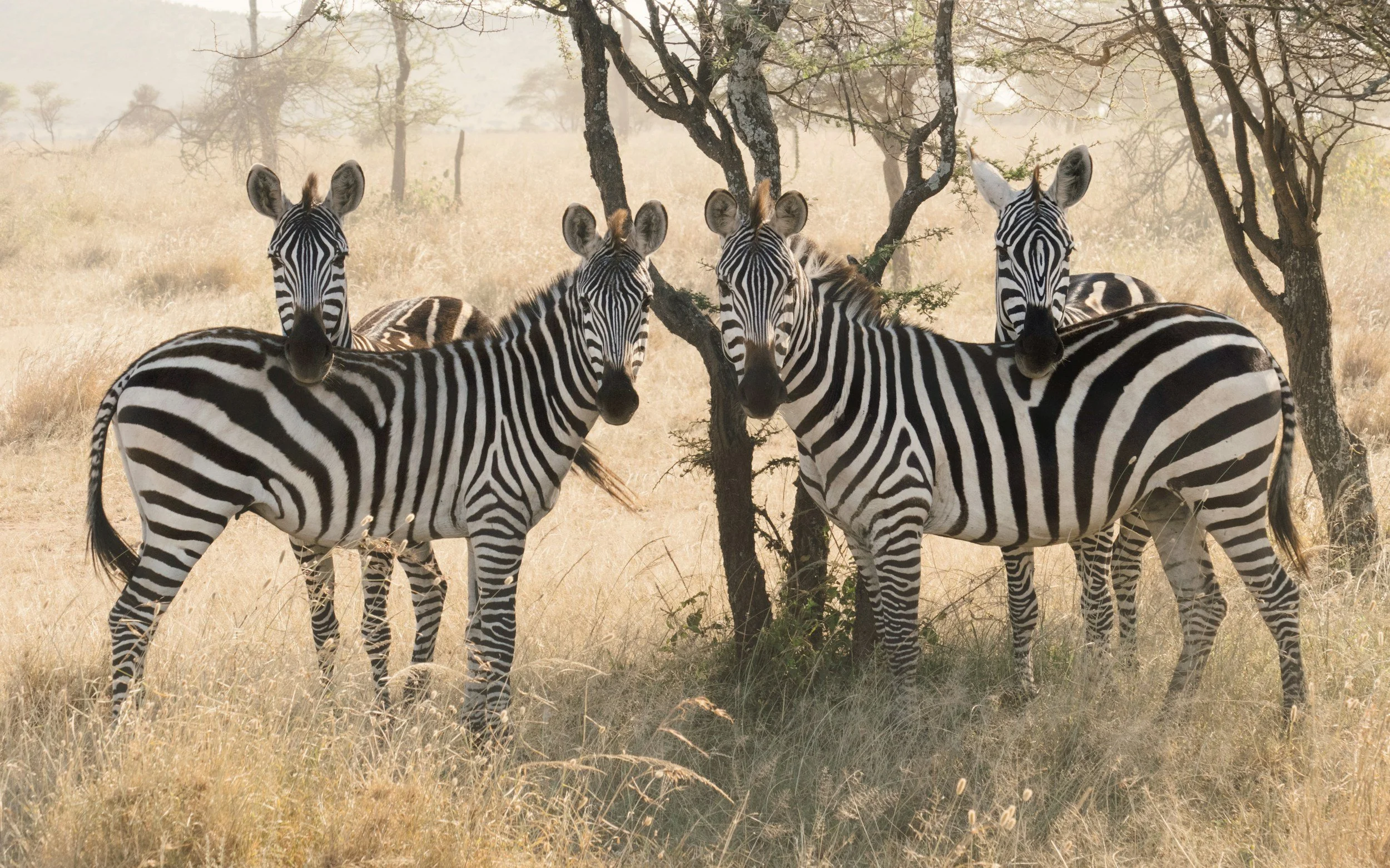
The Great Migration is one of the most sought-after safari experiences in the world, which means it is also one of the most crowded. During peak crossing season in July and August, large permanent lodges on the Mara River fill entirely, and the most famous crossing points can attract dozens of vehicles. The experience of watching a river crossing surrounded by a convoy of minibuses is a fundamentally different thing to watching it from a single vehicle, in a position chosen by a guide who has been following the herd's movement since dawn.
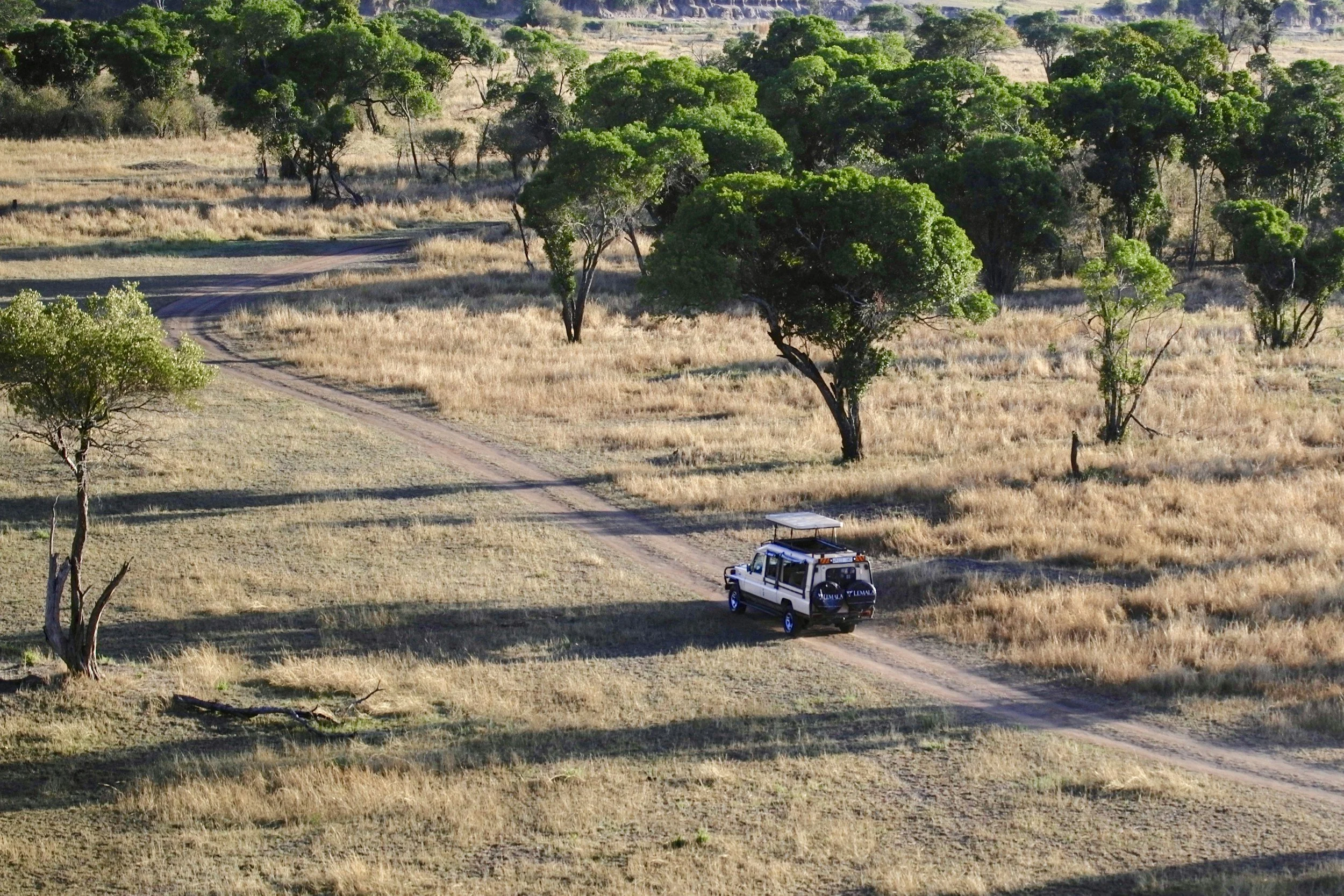
A private safari in Tanzania means a dedicated guide and vehicle for your group alone. It means the flexibility to stay at a crossing point for four hours if the herd is building on the far bank, or to move immediately when your guide senses the action is shifting elsewhere. It means access to mobile camps that follow the herds across the ecosystem, repositioning twice yearly between the calving grounds of the south and the crossing points of the north, ensuring you are always as close as possible to the migration's most dramatic moments. It means morning drives that begin before first light and end when the wildlife stops moving, not when a timetabled group activity requires you back at camp.
The Serengeti is vast enough that with the right guide, the right positioning and the right number of nights on the ground, even in peak season it is possible to witness a Mara River crossing from a position of near-complete solitude. That experience, the sound of two million years of animal instinct playing out in front of you without the intrusion of other voices, is what a private Tanzania safari is designed to deliver.
Planning your Migration safari: what to know
The single most important variable after timing and camp positioning is the number of nights you commit. The Migration cannot be scheduled. Crossings happen when the animals decide to cross, and the gap between two crossings at the same point on the river can be days. A minimum of four nights in the northern Serengeti during crossing season is essential to give yourself a meaningful chance of witnessing a full crossing. Seven nights is significantly better. Those who arrive for two nights and leave disappointed were never going to see what they came for, regardless of the quality of their camp or guide.
Permits and luxury camp availability during peak Migration season require booking twelve months in advance at minimum. Mobile camps, which follow the herds and reposition seasonally, book out equally early and represent the highest-quality Migration experience available. Planning should begin at least a year ahead for any July to September travel.
Tanzania offers one of the most complete East African safari experiences when combined with other destinations in the region. Many travelers pair a Serengeti Migration safari with gorilla trekking in Rwanda, a private game drive in Kenya's Masai Mara, or a few days on the beaches of Zanzibar. For those seeking the full breadth of East and southern Africa, South Africa and Namibia offer equally extraordinary private safari experiences of an entirely different character.
The Migration is not a guarantee. It is an invitation.
The Great Migration rewards those who come to it with patience, proper preparation and the right people around them. It does not reward those who treat it as a scheduled attraction. Nature does not run on schedule, which is precisely what makes it extraordinary.
A private Tanzania safari is designed around this reality. The flexibility to follow the herds, the guides with the instinct to read animal behaviour before it happens, the camps positioned within the ecosystem rather than at its edges. These are the elements that transform a Migration safari from something witnessed to something genuinely lived.
Ready to start planning your TANZANIA journey?
Explore our full Tanzania destination page for more on the regions, experiences and best times to visit. When you are ready to talk, get in touch and we will begin designing your journey.