

Luxury Private Tours in BOLIVIA
The world's largest salt flat. The highest navigable lake on earth. A civilisation that predates the Inca.
Our tailor-made private tours combine expert local guides, handpicked boutique stays and curated experiences, from a sunset picnic on the extraordinary Uyuni Salt Flats and a private boat on the sacred waters of Lake Titicaca to the colonial silver churches of Potosí, the extraordinary red lagoons of the Andean altiplano, the ancient ruins of Tiahuanaco and the extraordinary street life and markets of La Paz.
WHY VISIT BOLIVIA?
Bolivia is the most unexplored and most genuinely surprising country in South America, a landlocked nation of extraordinary geographical variety that sits at the heart of the continent at altitudes that produce landscapes of otherworldly beauty and a sky of such extraordinary clarity that the stars appear close enough to touch. It is a country where the world's largest salt flat, the Salar de Uyuni, reflects the sky so perfectly after rain that it becomes impossible to determine where the earth ends and the atmosphere begins. Where the sacred lake of the Inca and pre-Inca civilisations, Lake Titicaca, sits at 3,800 metres above sea level in a landscape of extraordinary Andean light. Where the colonial silver city of Potosí, once the largest and wealthiest city in the Americas, carries the specific weight of a history of extraordinary richness and extraordinary suffering in its baroque churches and its mining tunnels simultaneously.
What makes Bolivia exceptional for the private traveller is the access that genuine local knowledge provides to a country whose greatest experiences are genuinely inaccessible without it. The Uyuni salt flat at the specific moment when the evening light turns the white surface amber and gold in the last minutes before sunset. The Laguna Colorada at dawn when the flamingos are feeding in the extraordinary red water and the volcanic peaks surrounding the lagoon are reflected in the surface. The Lake Titicaca island community that opens its doors only to visitors introduced through genuine relationships with the Aymara communities of the altiplano. Bolivia gives its greatest depth to those who arrive prepared to go slowly and to pay attention.
Many travellers combine Bolivia with Peru for a broader Andean journey combining the Uyuni salt flat with Machu Picchu and the Sacred Valley, or with Chile for those crossing the Atacama Desert between the two countries.
Explore our full Latin America hub for more inspiring destinations.

Best Time to Visit BOLIVIA
May to October is the dry season and our most recommended window for Bolivia. The skies are clear, the altiplano roads are accessible and the extraordinary landscapes of the Uyuni region and the Laguna Colorada are at their most dramatic. The dry season salt flat, without the water layer that covers it after the rains, offers the finest biking and driving experience across the white surface. The nights are cold but the days are warm and clear and the visibility across the altiplano is extraordinary.
November to April is the wet season and the most spectacular window for the famous mirror effect of the Uyuni salt flat, when a thin layer of water covers the white surface and reflects the sky with an accuracy that produces the most extraordinary photographs available anywhere in Bolivia. The rains come in afternoon showers rather than all-day downpours and the mornings are generally clear. The disadvantage is that some roads in the southwest circuit become impassable and the access to the Laguna Colorada and the Laguna Verde requires four-wheel drive vehicles regardless of the season.
February is the month of the Carnival of Oruro, one of the finest and most significant cultural events in South America and a UNESCO Intangible Cultural Heritage of Humanity. The carnival requires advance planning of several months for accommodation and requires arriving several days before the main procession to understand the specific cultural and religious context of one of the most extraordinary collective expressions of Andean indigenous culture available anywhere.
Year-round for La Paz, which maintains its extraordinary market culture and its specific urban energy regardless of the season, though the dry season months offer the clearest views of the Illimani peak above the city.
DISCOVER BOLIVIA’s REGIONS
From the extraordinary salt flats and volcanic lagoons of the Uyuni region and the sacred waters and reed island communities of Lake Titicaca to the colonial grandeur and extraordinary market culture of La Paz, each region of Bolivia offers a completely distinct private journey.
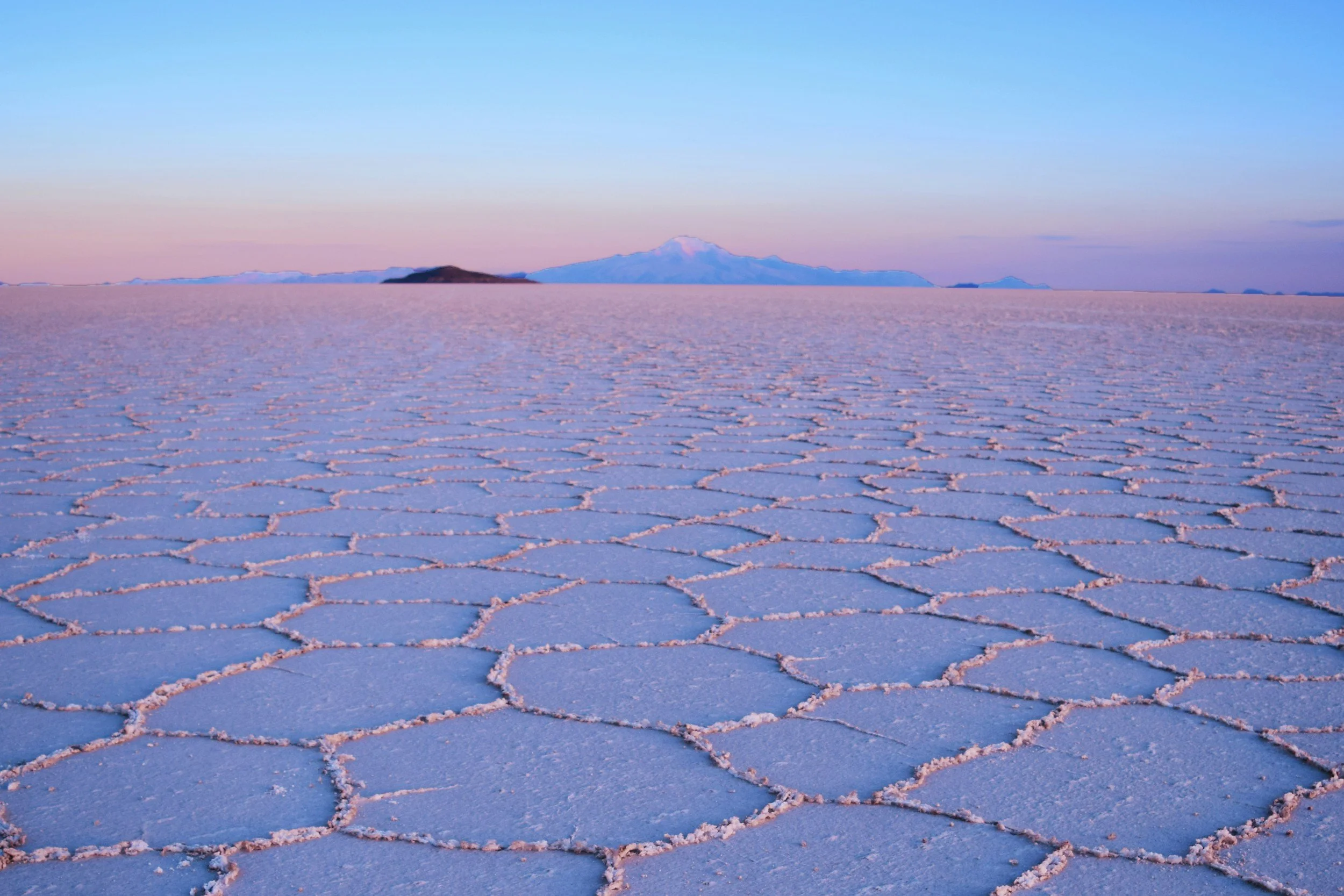
UYUNI: THE WORLD'S LARGEST SALT FLAT
The Salar de Uyuni, covering over ten thousand square kilometres of the Bolivian altiplano at 3,656 metres altitude, is the largest salt flat on earth and one of the most extraordinary landscapes in the world. The surface, formed by the evaporation of a prehistoric lake, is so flat and so white that it serves as a calibration reference for satellite altimeters. After rain it becomes a perfect mirror of the sky above. The surrounding southwest circuit of volcanic lakes, geysers and flamingo lagoons, culminating in the extraordinary Laguna Colorada, extends the Uyuni experience into one of the most complete high-altitude landscape journeys available in South America.
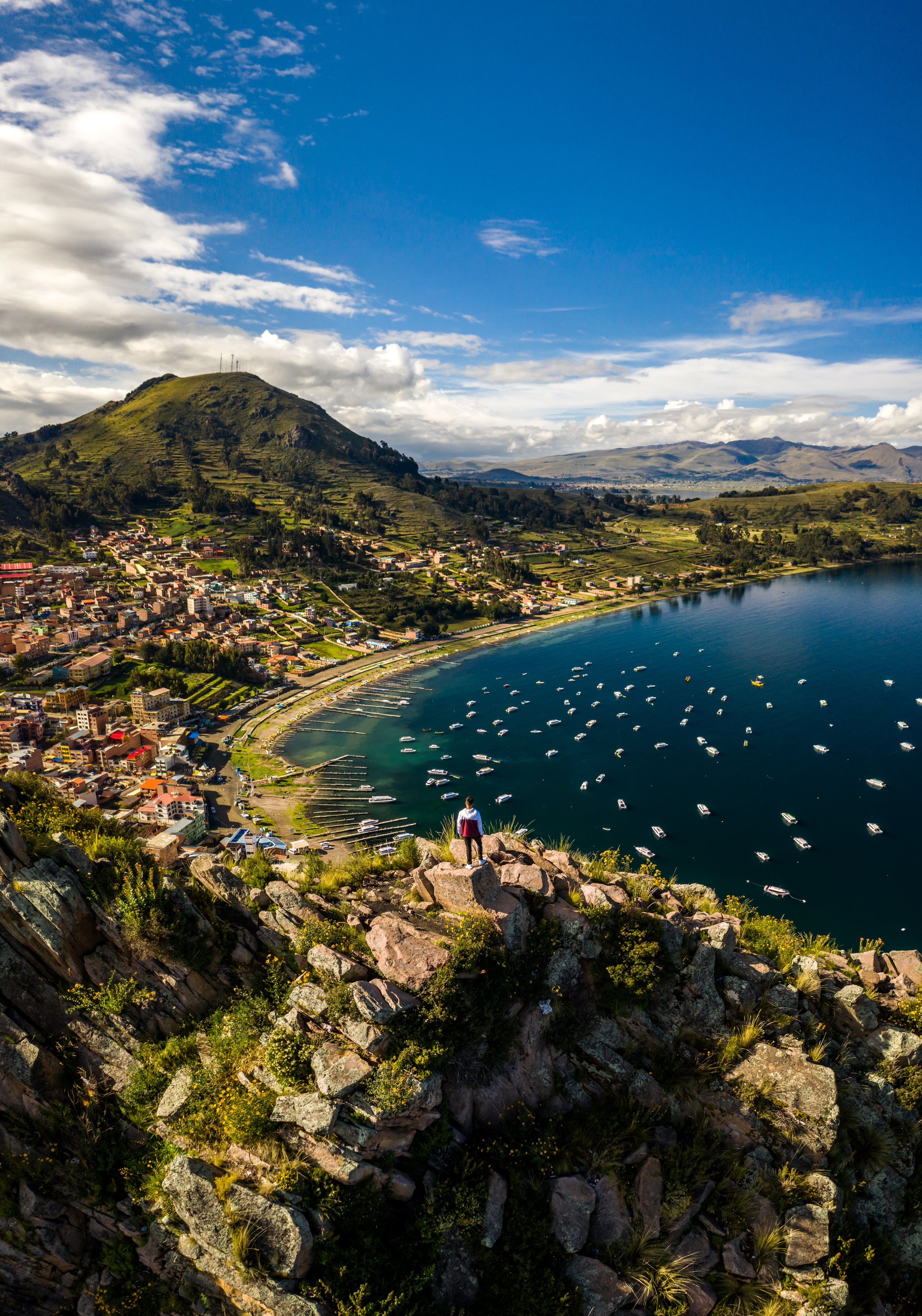
LAKE TITICACA: THE SACRED SEA OF THE ANDES
Lake Titicaca sits at 3,800 metres above sea level on the border between Bolivia and Peru, the highest navigable lake on earth and the sacred centre of the Andean world for the Tiahuanaco, Inca and contemporary Aymara civilisations simultaneously. The floating reed islands of the Uros people, the extraordinary Isla del Sol where the Inca believed the sun was born, and the traditional communities of the Bolivian shore where the textile and agricultural traditions of the altiplano are most honestly expressed give the lake a cultural depth that the extraordinary physical landscape alone cannot provide.
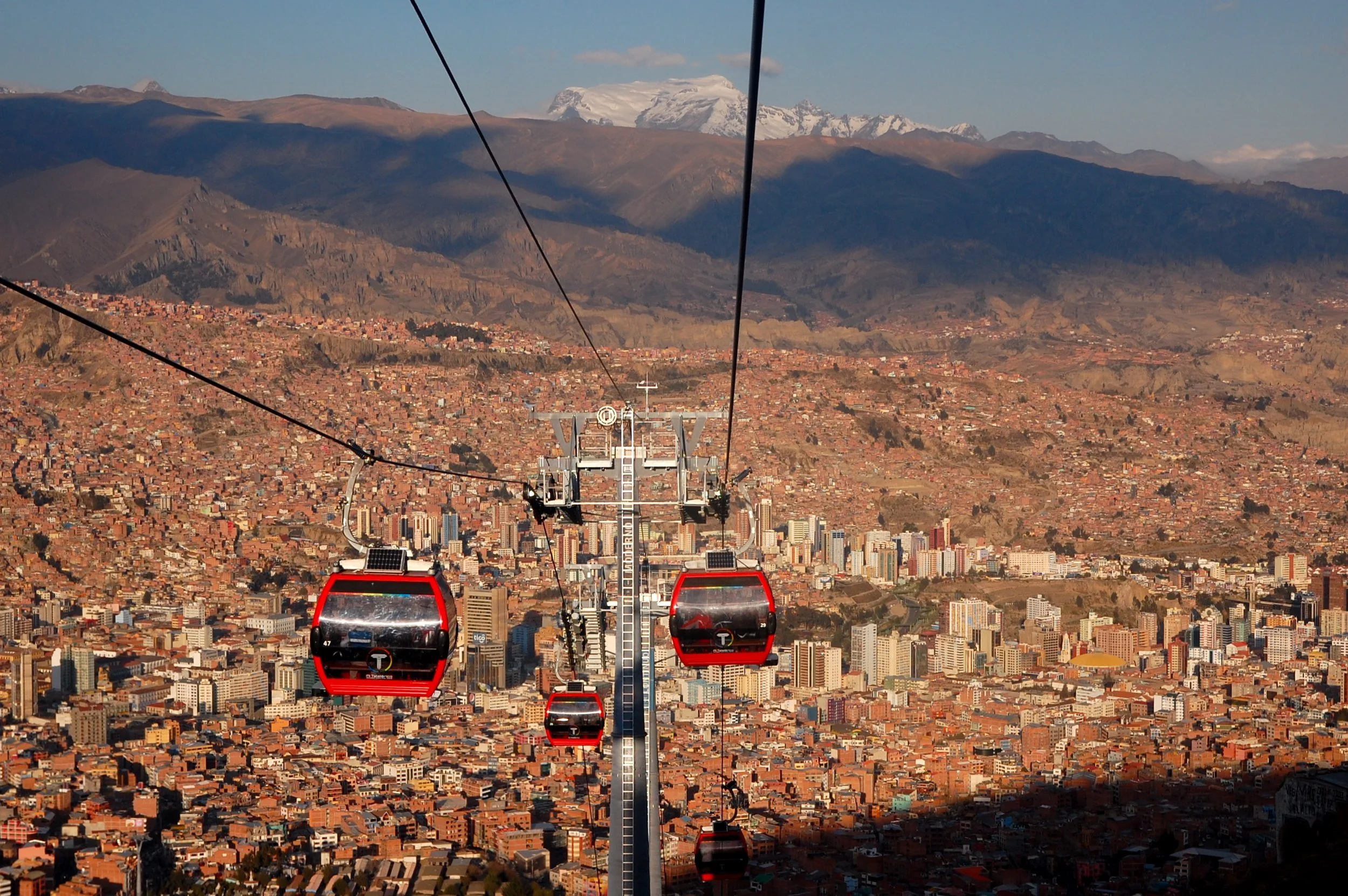
LA PAZ: THE HIGHEST CAPITAL IN THE WORLD
La Paz, the de facto capital of Bolivia at 3,600 metres in a canyon below the altiplano rim, is one of the most extraordinary urban environments in the world, a city of extraordinary topographical drama where the wealthy neighbourhoods at the canyon bottom look up at the indigenous city of El Alto spread across the altiplano above. The extraordinary Witches Market, the cholita wrestling, the extraordinary cable car system that connects the canyon neighbourhoods with the altiplano above and the specific market culture of a city where the informal economy is one of the most vital and most visible in South America give La Paz a character entirely unlike any other capital city in the Americas.
Signature Experiences in BOLIVIA
Bolivia rewards those who go beyond the standard salt flat photographs and allow a private guide to reveal the full extraordinary range of a country whose landscapes and cultures are among the most extraordinary and least visited in South America. From a sunset picnic on the Uyuni Salt Flats and biking across the world's largest mirror to a private boat on Lake Titicaca and the most significant carnival in the Andes, these are the moments we build every Bolivia journey around.
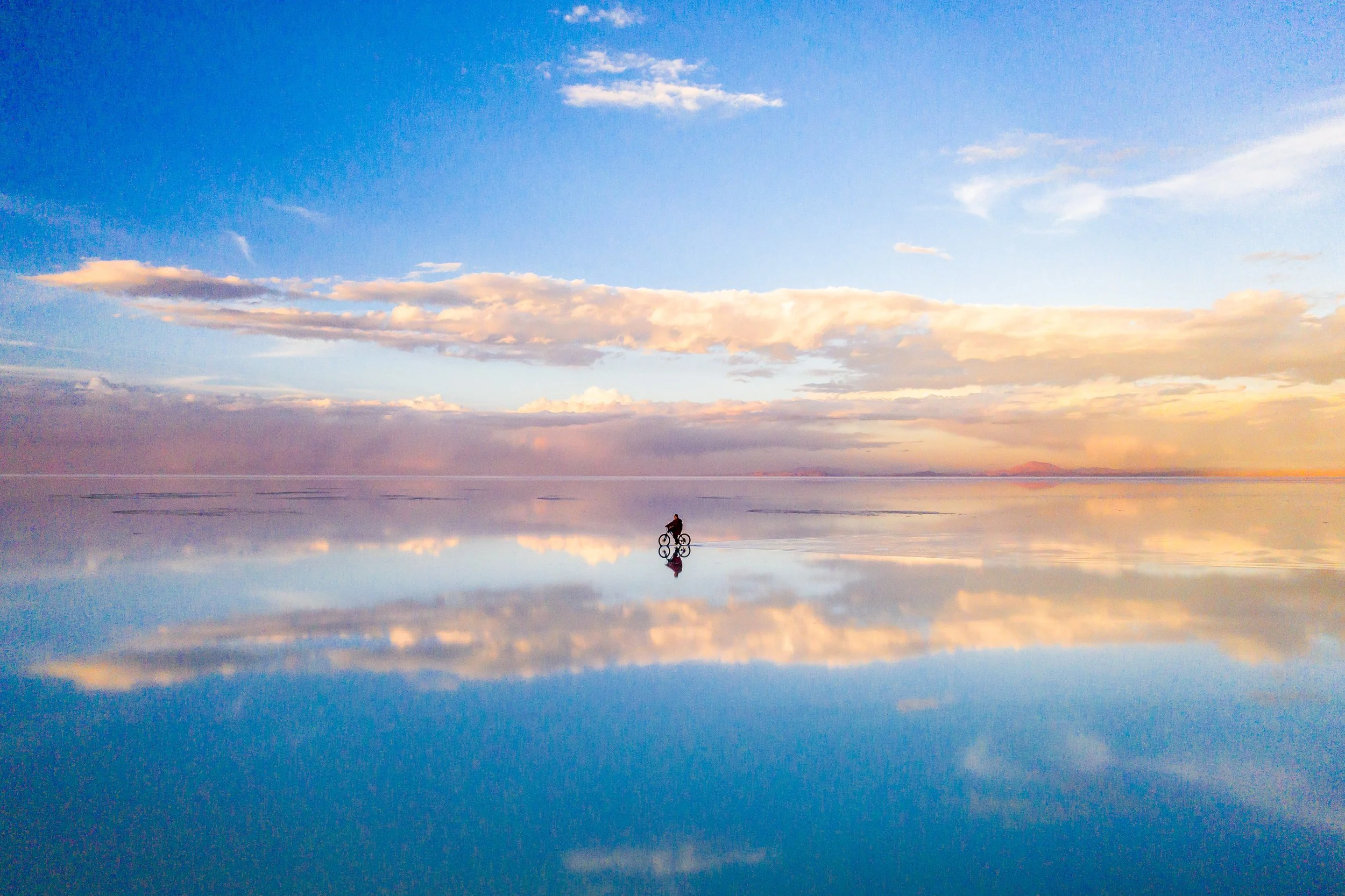
SUNSET PICNIC ON THE UYUNI SALT FLATS
The Uyuni Salt Flat at sunset, when the white surface turns amber and gold and the specific quality of the altiplano light produces colours that exist at no other latitude and no other altitude on earth, is one of the most extraordinary natural spectacles in South America. A private picnic set up on the salt in the last hour of the day, with the volcanic peaks of the surrounding altiplano on the horizon and the sky reflected in the surface below you if the conditions are right, is the experience that defines what private travel in Bolivia means.

LAGUNA COLORADA
The Laguna Colorada, the extraordinary red lagoon in the Eduardo Avaroa Andean Fauna National Reserve whose colour comes from the specific algae and sediment of the volcanic geology and whose shores support one of the largest concentrations of James's flamingos in the world, is one of the most visually overwhelming landscapes in Bolivia. A private dawn visit, arriving before the tour jeeps from Uyuni and watching the flamingos feed in the red water with the snow-capped Licancabur volcano reflected in the surface behind them, is one of the finest natural experiences available in the southern Andes.

PRIVATE TOUR OF LA PAZ
La Paz experienced privately means moving through the extraordinary market culture of the city with a guide who can explain the specific cosmological logic of the Witches Market, where the ritual objects and the dried llama foetuses and the specific herbs and minerals of the Aymara spiritual tradition are sold alongside the everyday commerce of a city of one million people. The cable car journey from the canyon bottom to El Alto above, with the entire city visible below and the Illimani peak above the horizon, gives La Paz the perspective it deserves.
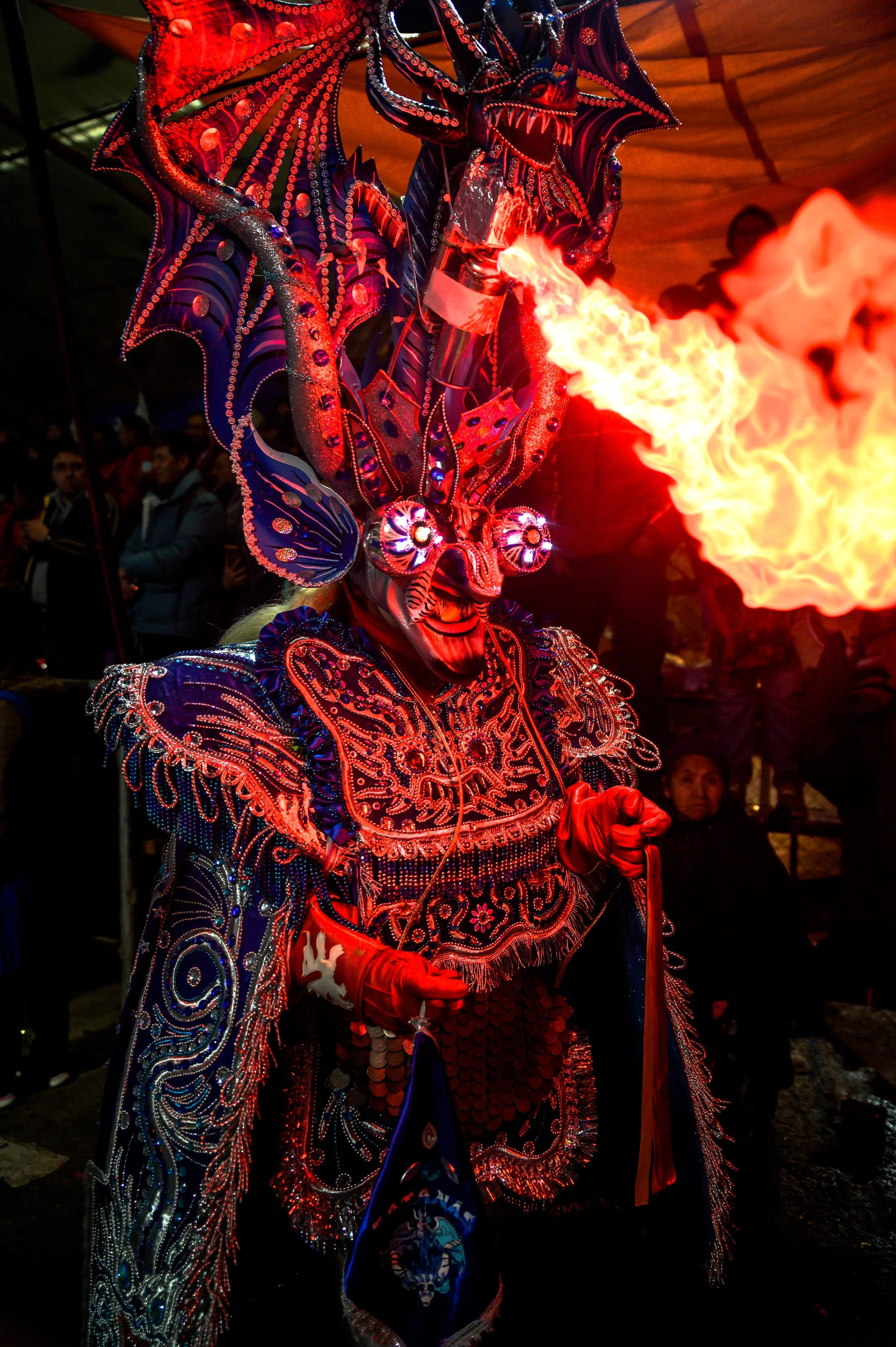
THE CARNIVAL OF ORURO
The Carnival of Oruro, the extraordinary annual celebration in the mining city two hours south of La Paz that UNESCO has recognised as an Intangible Cultural Heritage of Humanity, is one of the most significant and most visually overwhelming cultural events in South America. The main procession, in which over twenty thousand costumed dancers perform the specific dances of the Diablada and the Morenada tradition through the streets of the city for twenty hours without stopping, requires advance planning of several months and a guide who can explain the specific religious and indigenous cultural significance of each dance form.
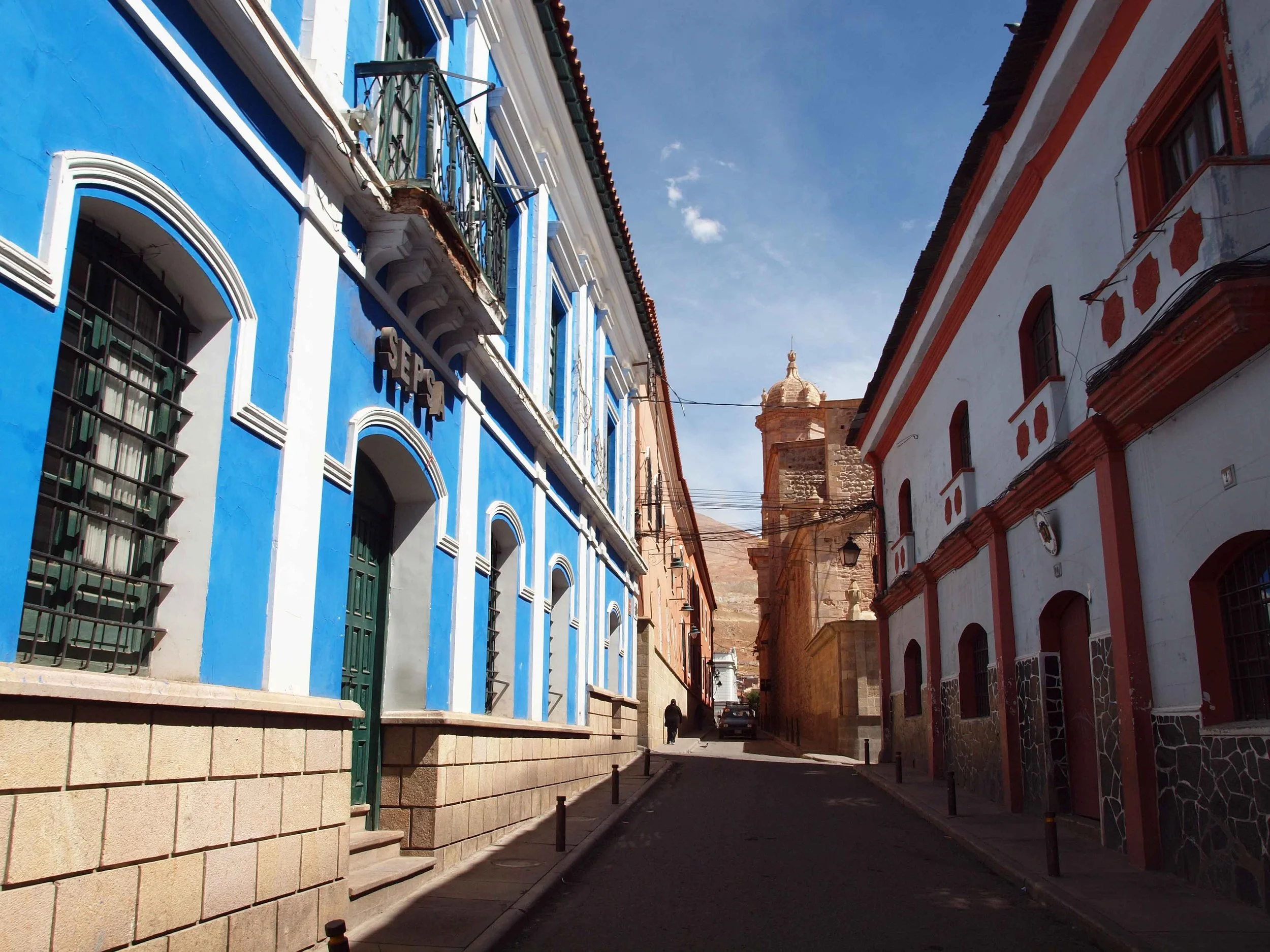
POTOSÍ'S SILVER CHURCHES
Potosí, the extraordinary colonial silver mining city at 4,090 metres that was once the largest and most productive city in the Americas, carries the specific weight of its history in the baroque churches funded by the silver of the Cerro Rico mountain above the city and in the mining cooperatives that still operate the same tunnels where eight million indigenous and enslaved people died in three centuries of colonial extraction. A private Potosí experience combining the extraordinary cathedral and the Casa de la Moneda mint museum with a respectful visit to the working mines, understanding both the architectural achievement and the human cost of the city's extraordinary wealth, is one of the most historically honest experiences available in South America.
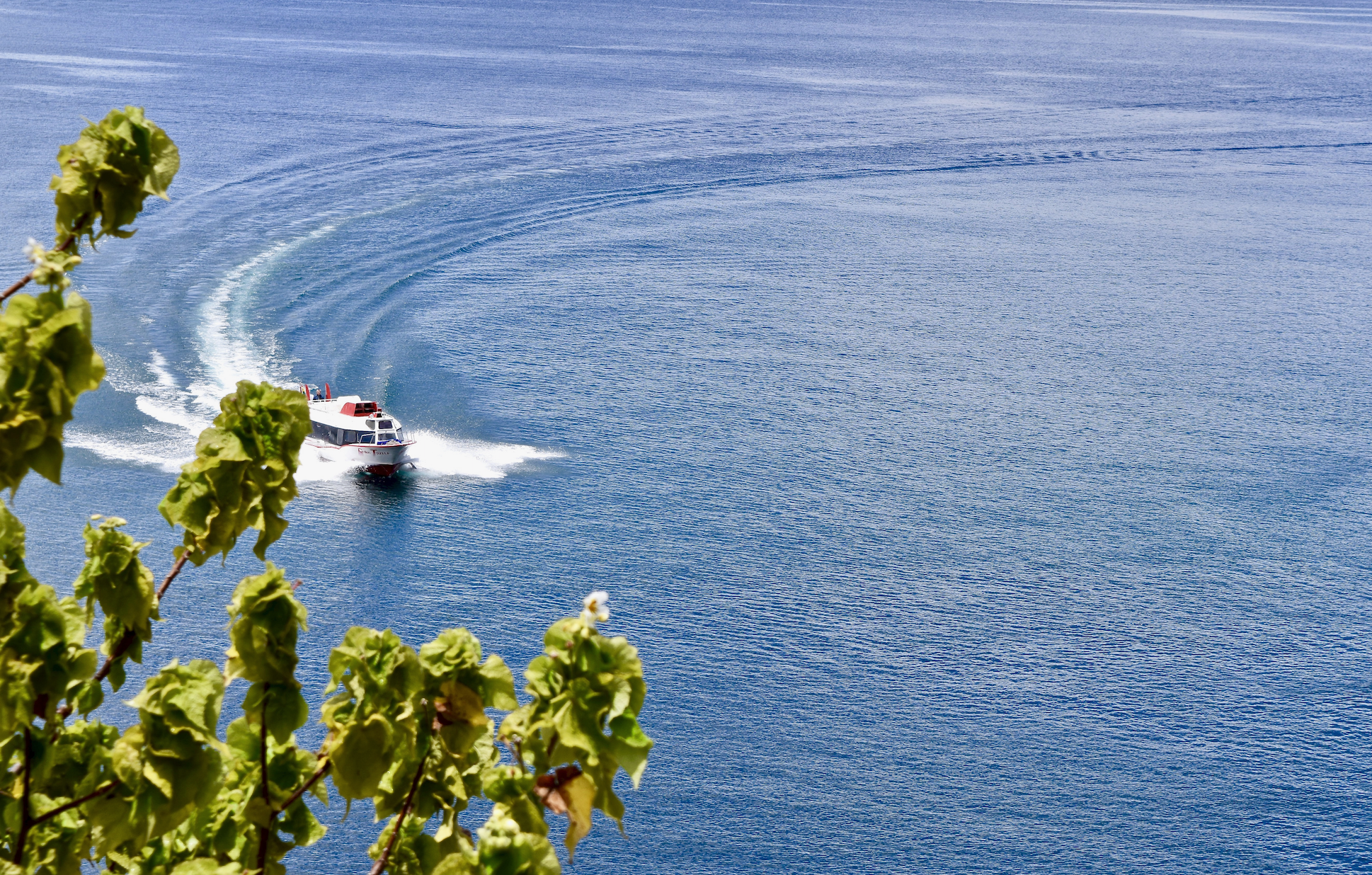
LAKE TITICACA PRIVATE BOATING
A private boat on Lake Titicaca, moving between the extraordinary floating reed islands of the Uros people and the sacred Isla del Sol where the Inca believed the sun was born, with a guide who has genuine relationships with the communities of the lake and can introduce you to the specific traditions of the reed island construction, the textile weaving of the island communities and the specific oral history of the Aymara people who have been living on and around this lake for three thousand years, is the experience that gives Lake Titicaca the human depth its extraordinary physical beauty alone cannot provide.
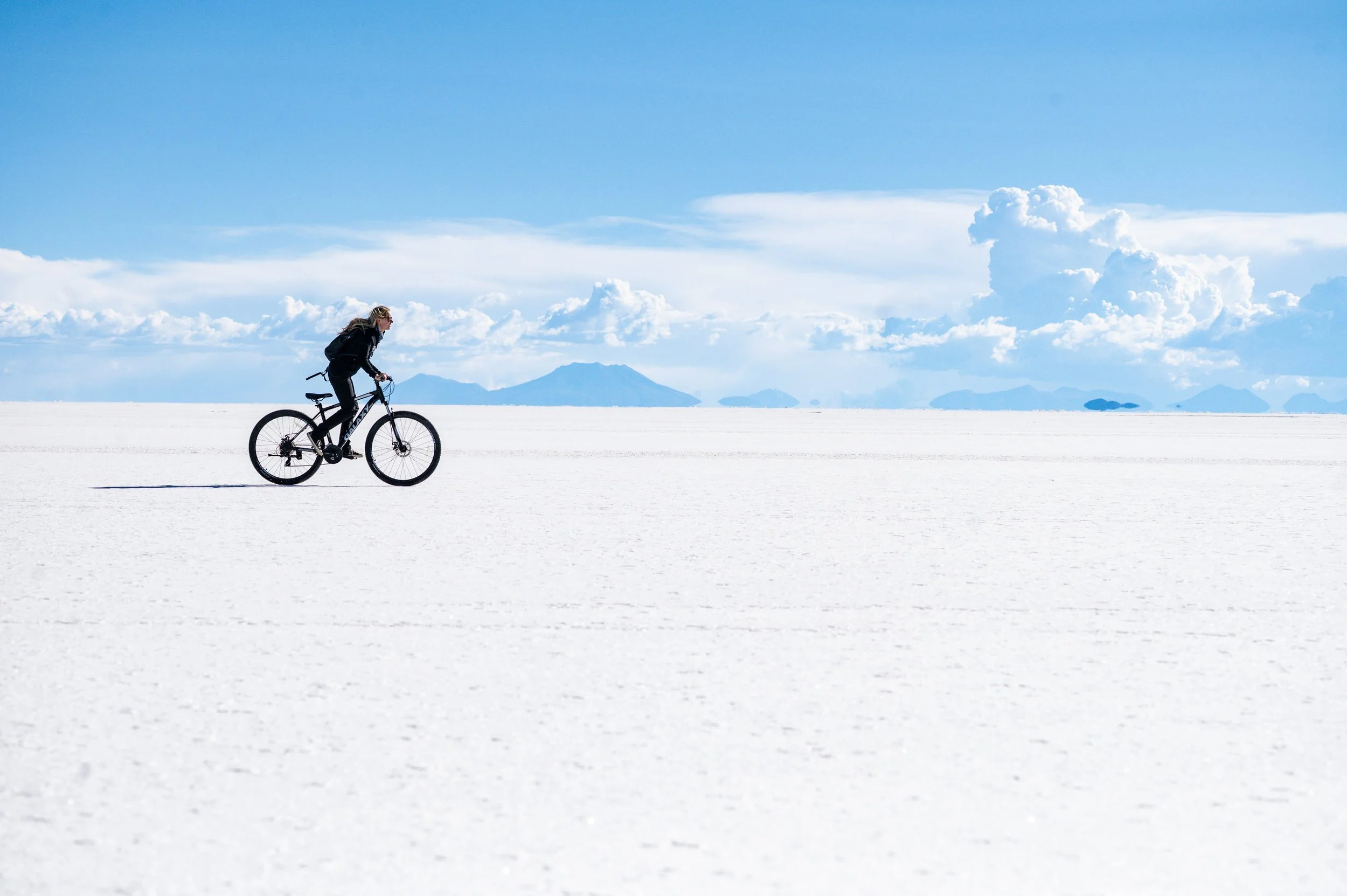
BIKING ON THE UYUNI SALT FLATS
Biking across the Uyuni Salt Flats, the largest and flattest surface on earth, is one of the most extraordinary cycling experiences available anywhere in the world. The complete absence of obstacles in every direction, the specific quality of the silence at this altitude, the extraordinary clarity of the sky and the optical illusions produced by the perfectly flat white surface that makes distant objects appear to float above the horizon combine into an experience of space and light that has no equivalent anywhere else in the Americas.
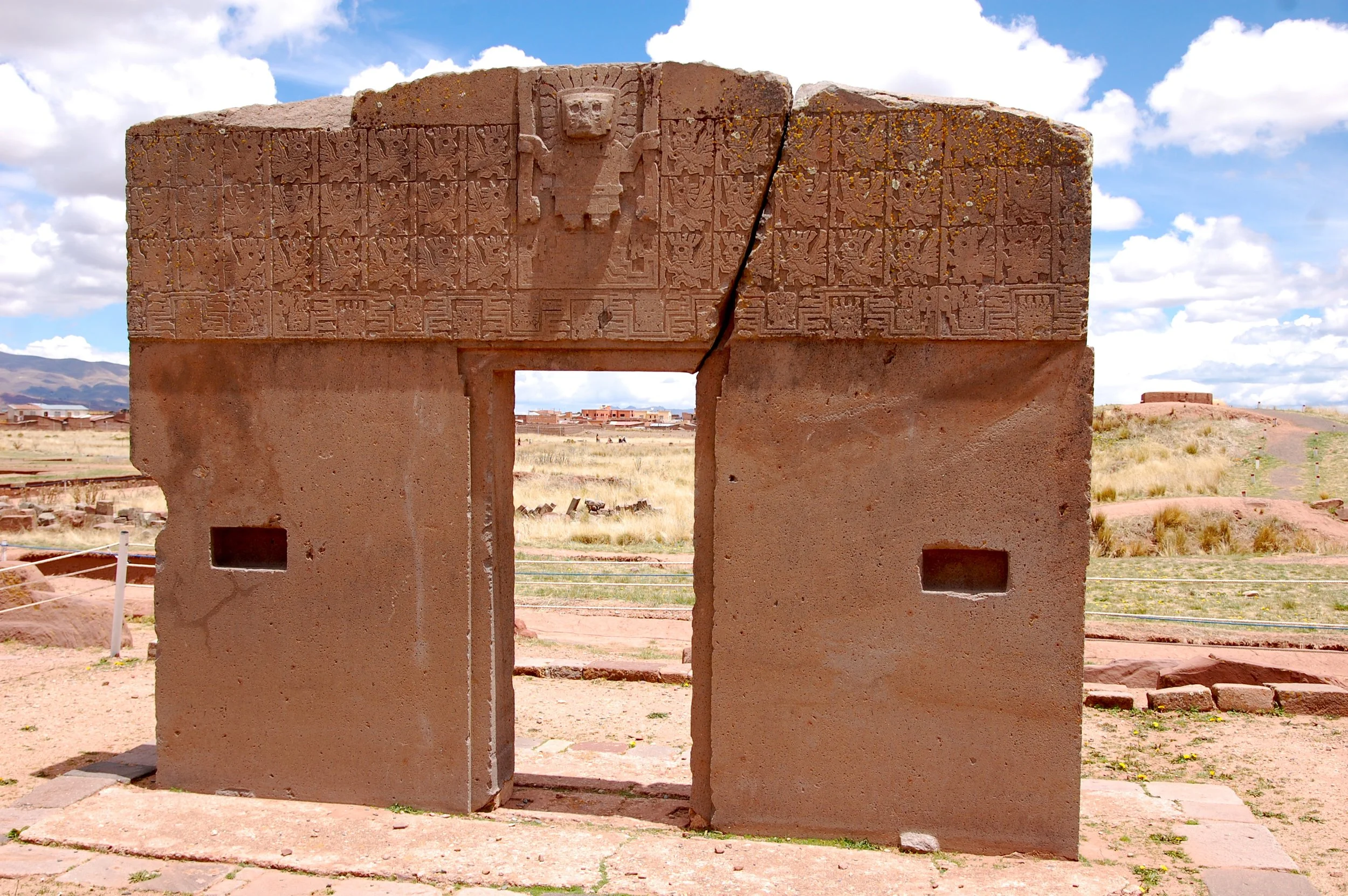
TIAHUANACO ARCHAEOLOGICAL SITE
Tiahuanaco, the extraordinary pre-Inca archaeological site on the southern shore of Lake Titicaca whose extraordinary stone architecture was built by a civilisation that flourished a thousand years before the Inca and that influenced every subsequent Andean culture, is one of the most significant and most undervisited archaeological sites in South America. The extraordinary Gateway of the Sun, the semi-subterranean temple whose walls are lined with carved stone faces and the specific astronomical alignments of the main structures give Tiahuanaco a depth and a mystery that a specialist guide who has been working on the site for years is essential to understand.
FREQUENTLY ASKED QUESTIONS ABOUT TRAVELLING TO BOLIVIA
-
Bolivia is a rewarding and increasingly visited destination for discerning travellers, and the vast majority of visitors to its signature attractions — the Salar de Uyuni, Lake Titicaca, the Amazon basin, and the colonial cities of Sucre and Potosí — travel safely and without incident. The country has a well-established tourism infrastructure in its key regions, and its people are widely regarded as among the warmest and most welcoming in South America.
As with any destination, context matters. Political demonstrations occasionally occur in La Paz and other cities, and altitude sickness is a genuine consideration given that much of Bolivia sits above 3,500 metres. Our specialists design every itinerary with these factors carefully in mind — selecting the finest properties, building in acclimatisation time, coordinating private transfers throughout, and providing thorough pre-departure briefings so you travel with complete confidence from arrival to departure.
-
Visa requirements for Bolivia differ by nationality. US citizens are currently required to obtain a visa before travelling to Bolivia. A tourist visa can be obtained in advance through a Bolivian consulate or, in some cases, on arrival — though we strongly recommend arranging this well ahead of your departure date to avoid any complications. UK citizens currently enjoy visa-free entry to Bolivia for tourist stays of up to 90 days, making it one of the more straightforward entry processes in South America.
Requirements can change, and we recommend confirming the latest regulations with our specialists as part of your itinerary planning. Your passport should carry at least six months' validity beyond your intended travel dates, and we handle all pre-departure documentation checks as a standard part of every journey we design.
-
The Salar de Uyuni is the world's largest salt flat — a vast, blinding-white expanse of crystallised salt covering over 10,000 square kilometres in the southwest of Bolivia at an altitude of 3,656 metres. During the rainy season from November to March, a thin layer of water transforms the surface into the world's largest natural mirror, reflecting the sky with such perfect clarity that the horizon disappears entirely — creating one of the most surreal and otherworldly landscapes on earth.
For luxury travellers, the Salar is an experience of genuine, bucket-list magnitude. Sunrise and sunset over the flats are among the most photographed natural phenomena in South America, and the surrounding region — the Eduardo Avaroa Andean Fauna National Reserve, with its flamingo-filled lagoons, steaming geysers, and multicoloured mineral lakes — extends the experience far beyond the salt flat itself. It is, without question, one of the world's truly unmissable natural wonders.
Lake Titicaca — the world's highest navigable lake, straddling the border with Peru — offers a profound introduction to Andean culture, from the floating reed islands of the Uros people to the sacred Isla del Sol and its Inca ruins. Sucre, Bolivia's constitutional capital, is one of South America's best-preserved colonial cities — its whitewashed facades, UNESCO-listed centre, and excellent local cuisine make it one of the continent's most underrated destinations. Madidi National Park in the Amazon basin is one of the most biodiverse protected areas on earth, best explored from a private eco-lodge deep in the jungle. Each of these can be woven into a seamless, privately guided luxury itinerary.
-
Bolivia, Peru, and Chile each offer a distinct and complementary luxury travel experience, and many of our clients combine two or all three on a broader Andean or South American journey. Bolivia is the most raw and immersive of the three — a country of extraordinary natural spectacle, deep indigenous culture, and landscapes that feel genuinely off the well-worn tourist circuit. The Salar de Uyuni, the Amazon headwaters of the Madidi National Park, and the reed islands of Lake Titicaca offer experiences found nowhere else on earth.
Peru leads on archaeological heritage — Machu Picchu, the Sacred Valley, and the ancient city of Cusco are among the world's great cultural destinations — and its capital Lima has emerged as one of the world's premier culinary cities. Chile adds the Atacama Desert, Patagonia, and a more developed luxury lodge infrastructure. For travellers seeking genuine discovery, cultural depth, and natural landscapes of staggering scale and variety, Bolivia rewards those willing to venture beyond the more familiar Andean circuit.
For luxury travellers, the Salar is an experience of genuine, bucket-list magnitude. Sunrise and sunset over the flats are among the most photographed natural phenomena in South America, and the surrounding region — the Eduardo Avaroa Andean Fauna National Reserve, with its flamingo-filled lagoons, steaming geysers, and multicoloured mineral lakes — extends the experience far beyond the salt flat itself. It is, without question, one of the world's truly unmissable natural wonders.
-
We recommend a minimum of 10 to 14 nights to experience Bolivia's key regions without feeling rushed, and to allow adequate time for acclimatisation to the country's high-altitude destinations. A well-crafted itinerary might begin with two nights in Sucre — Bolivia's most elegant colonial city, set at a more manageable altitude — before moving to La Paz for two nights of acclimatisation, city exploration, and a visit to the extraordinary Valle de la Luna. From there, three to four nights in the Salar de Uyuni and the Eduardo Avaroa Reserve provide the journey's natural centrepiece, before closing with two to three nights in the Amazon basin at a private jungle lodge in Madidi National Park.
For those wishing to add Lake Titicaca and the sacred Isla del Sol, the silver mining heritage of Potosí, or a crossing into the Chilean Atacama for a combined Andean journey, extending to 16–18 nights allows each destination the depth and time it deserves. Our specialists design every itinerary around your pace, altitude tolerance, and travel priorities.
-
Bolivia's extraordinary destinations range from some of South America's most surreal natural landscapes to colonial cities of exceptional architectural beauty. The Salar de Uyuni is the undisputed centrepiece — an experience of scale, silence, and visual drama that stays with every visitor long after they leave. The surrounding Eduardo Avaroa Andean Fauna National Reserve adds geysers, volcanic peaks, and the flamingo-rich Laguna Colorada — a blood-red mineral lake at 4,278 metres that is among the most visually striking landscapes in the Americas.
Lake Titicaca — the world's highest navigable lake, straddling the border with Peru — offers a profound introduction to Andean culture, from the floating reed islands of the Uros people to the sacred Isla del Sol and its Inca ruins. Sucre, Bolivia's constitutional capital, is one of South America's best-preserved colonial cities — its whitewashed facades, UNESCO-listed centre, and excellent local cuisine make it one of the continent's most underrated destinations. Madidi National Park in the Amazon basin is one of the most biodiverse protected areas on earth, best explored from a private eco-lodge deep in the jungle. Each of these can be woven into a seamless, privately guided luxury itinerary.
-
Bolivia's main international gateways are El Alto International Airport in La Paz (LPB) — the world's highest commercial airport at 4,061 metres above sea level — and Viru Viru International Airport in Santa Cruz de la Sierra (VVI), which handles the majority of long-haul international connections. Direct or one-stop flights are available from Miami, Buenos Aires, Lima, Bogotá, and São Paulo, with most European and North American travellers routing through one of these hubs. Flight times from the US East Coast are approximately 8 to 10 hours via a single connection.
It is worth noting that arriving directly into La Paz at over 4,000 metres can cause altitude sickness, and we strongly recommend building at least one to two nights of acclimatisation into the start of any itinerary that begins there. Many of our clients choose to arrive via Santa Cruz or to begin their journey in the lower-altitude city of Sucre. We coordinate all international and domestic transfers, private airport meet-and-greet services, and onward logistics as part of your fully managed bespoke itinerary.
-
Bolivia sits at the geographical and cultural heart of South America and combines naturally with several neighbouring destinations, making it an ideal anchor for a broader Andean or continental journey. Peru is the most natural and popular pairing — the crossing from Bolivia's Lake Titicaca to Peru's Cusco and Machu Picchu via the sacred Isla del Sol is one of the great classic Andean journeys, and Lima's world-class culinary scene provides a spectacular finale or opening act.
Chile connects seamlessly through the Atacama Desert — the Salar de Uyuni and the Chilean Atacama share the same high-altitude Andean landscape and can be crossed by private 4x4 expedition for one of South America's most dramatic overland journeys. Argentina adds the cultural sophistication of Buenos Aires, the wine estates of Mendoza, and the wilderness of Patagonia for those seeking the full breadth of the southern continent. For the most ambitious itineraries, a grand Andean circuit encompassing Bolivia, Peru, Chile, and Argentina creates an extraordinary journey through some of the world's most diverse and awe-inspiring landscapes. Our specialists design every detail, from first flight to final dinner.
Plan Your BOLIVIA Journey
Bolivia is a country of extraordinary landscapes and extraordinary cultural depth and the journey we design for you will reflect exactly what draws you most. Tell us whether it is the salt flats, Lake Titicaca, La Paz or the carnival, and we will build your Bolivia journey from the first conversation.