
Budapest: The City That Rewards Those Who Stay Longer
Two cities, one river and five centuries of history that never quite finished happening.
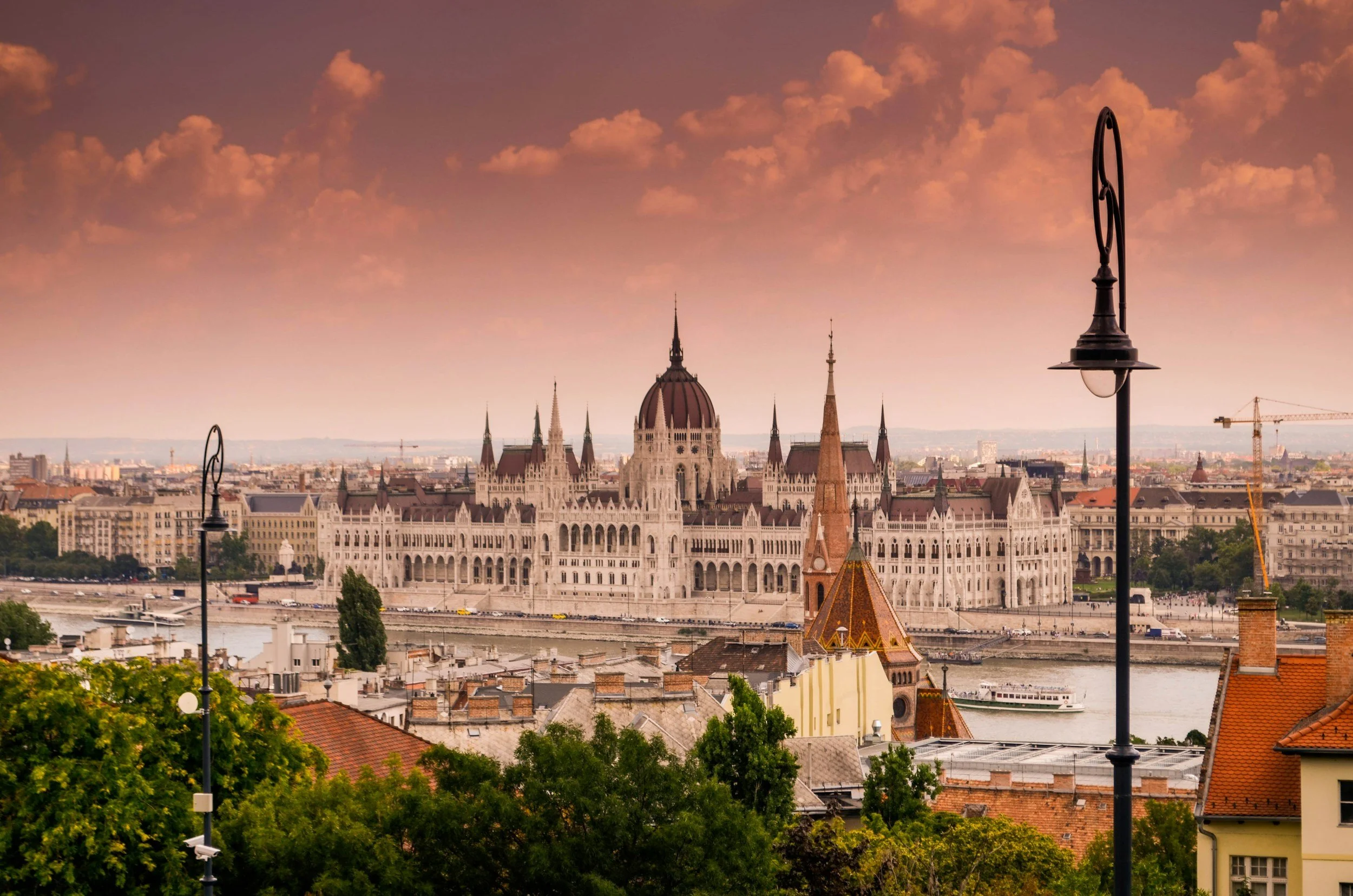
There is a moment in Budapest that almost every visitor experiences and almost none of them are prepared for. You are standing on the Pest side of the Chain Bridge at dusk, looking west across the Danube, and the entire hill of Buda is lit up in front of you: the castle district, the Fisherman's Bastion, the spires of Matthias Church and the fortress walls that have been rebuilt and destroyed and rebuilt again across seven centuries of occupation, siege and reinvention. It is one of the great urban views in Europe and it arrives without warning, which is exactly how Budapest tends to operate. The city is constantly exceeding the expectations of people who thought they knew what they were coming to.
Budapest became a single city only in 1873, when the three settlements of Buda, Óbuda and Pest were unified across the river that had kept them separate for centuries. The marriage produced one of the most extraordinary capitals in Europe, a city of grand Habsburg boulevards and medieval castle lanes, thermal baths fed by springs that have been bringing people to soak since the Ottoman occupation of the sixteenth century, a Jewish heritage of extraordinary depth and extraordinary loss, ruin bars built in the shells of buildings abandoned after the Second World War and a food and wine culture that the rest of the world is only now beginning to understand properly. Budapest has been one of Europe's great cities for a very long time. The rest of the world is catching up.
Buda: the ancient hill above the river
Buda and Pest are not simply two sides of the same city. They are two completely different cities that happen to share a river and a name, and understanding that distinction is the first step toward understanding Budapest properly.
Buda, on the western bank, rises steeply from the Danube to the medieval castle district, a hilltop neighbourhood of cobblestone lanes, baroque palaces and extraordinary views that carries the weight of a thousand years of Hungarian history in its stones. The Royal Palace, which has been razed and rebuilt multiple times across the centuries and now houses the Hungarian National Gallery and the Budapest History Museum, dominates the hill. Matthias Church, with its extraordinary geometric tiled roof and the interior frescoes that cover almost every surface, is one of the finest ecclesiastical buildings in Central Europe. The Fisherman's Bastion, the neo-Romanesque terrace that wraps around the northern edge of the hill, offers the finest view of the Pest skyline and the Parliament building across the water and is best experienced at dawn before the first visitors arrive and the silence of the hill is still intact.
The funicular from the Chain Bridge to the castle district is one of the city's most enjoyable small pleasures, though arriving on foot through the lanes of the Várnegyed, the castle neighbourhood, gives you more of the district than the direct ascent. The lanes between the main monuments contain some of the finest baroque architecture in Central Europe, courtyards of extraordinary beauty and the particular quality of silence that a hilltop neighbourhood acquires when the tour groups have moved on to the next sight and the streets return to themselves.
The Citadella on the Gellért Hill, south of the castle district, offers the most panoramic view in Budapest, the entire city spread below in both directions along the river, and the Liberation Monument at its summit, a Soviet-era bronze figure that has survived every attempt at removal and now stands as a complicated symbol of a city that is still negotiating its relationship with the twentieth century.

Pest: where Budapest actually lives
If Buda is the history, Pest is the life. Everything that makes Budapest one of the most vital and most interesting cities in Central Europe happens on the eastern bank, in the grand boulevards and intimate courtyards, the covered markets and coffee houses, the ruin bars and the restaurants, the fashion avenue where the opera house faces the luxury boutiques and the Jewish quarter where the most extraordinary and most complicated layers of the city's past are most concentrated.
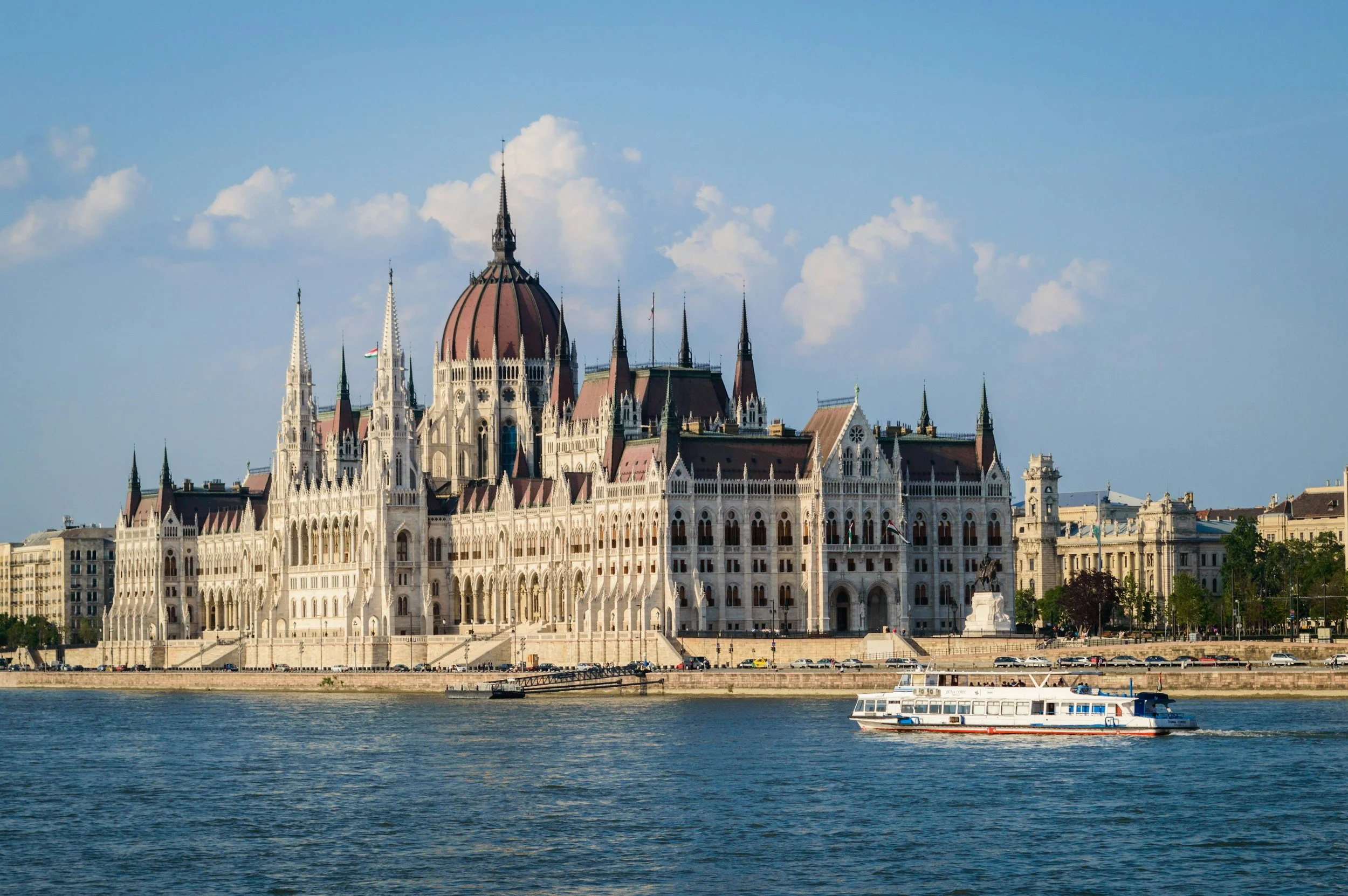
The Hungarian Parliament building, which sits on the Pest riverbank like a Gothic cathedral that decided it preferred politics to prayer, is one of the most extraordinary pieces of nineteenth-century architecture in Europe and one of the most visited buildings in Hungary. A private visit with exclusive access, possible for groups that take over the full ticket allocation with a local specialist guide, gives the building an entirely different character from the standard tour. The state rooms, the Crown Jewels and the logic of the architecture, designed to express the confidence of a nation at the peak of its imperial ambition, deserve more time and more explanation than the public visit allows.
The Great Market Hall, the Nagycsarnok, at the southern end of Váci Street is the finest covered market in Budapest and the right place to begin any serious engagement with Hungarian food culture. The ground floor stalls sell the paprika, the salami, the sour cherries, the Mangalica pork products and the Tokaj wines that define Hungarian cooking. The upper floor is less interesting but the ground floor in the morning, when the market is at its most alive and the light through the iron and glass roof falls on the stalls at the right angle, is one of the best hours available in the city.
The New York Café, the extraordinary turn-of-the-century coffee house on the Grand Boulevard whose gold and marble interior was described at its opening in 1894 as the most beautiful café in the world, is worth visiting for the architecture alone. The coffee is good and the breakfast is excellent. What makes the New York worth an hour of your time is the understanding it gives you of the café culture that defined Budapest's intellectual and artistic life for more than a century, the writers and poets and painters who worked at these tables and the particular tradition of the long afternoon over coffee and cake that the city has never entirely abandoned.

The ruin bars: Budapest's most original invention
In the early 2000s, a group of young Budapestians began opening bars in the abandoned buildings and bombed-out courtyards of the seventh district, the old Jewish quarter that had been left largely derelict since the Second World War. The buildings were ruins. The bars they opened became known as ruin bars and they changed the character of the city.
Szimpla Kert, the original and still the finest, occupies the shell of a former factory building in the heart of the seventh district. Its courtyard, covered with the accumulated decoration of two decades of eclectic curation, mismatched furniture, hanging plants, vintage objects, murals covering every surface and the particular smell of old wood and cold beer that is entirely specific to this place, is unlike any other bar in Europe. The right time to experience it is early in the evening, before the crowds of the weekend arrive and the atmosphere is still intimate enough to allow the space to reveal itself properly. A guide who knows the history of the building, the neighbourhood and the specific moment in Budapest's post-communist history that made the ruin bars possible, transforms a drink in a bar into something that illuminates the city.
The seventh district around Szimpla is the most interesting neighbourhood walk in Budapest, a grid of streets where the Jewish heritage of the city is most concentrated and most complex. The Great Synagogue on Dohány Street, the largest in Europe and one of the largest in the world, is the starting point. The adjacent Jewish Museum and the memorial garden containing the extraordinary weeping willow sculpture, its leaves inscribed with the names of Hungarian Jews who died in the Holocaust, are among the most moving heritage sites in Central Europe. The Shoes on the Danube Bank, the cast iron memorial a short walk north along the river where sixty pairs of period shoes mark the spot where Jews were shot into the Danube by Arrow Cross militiamen in the winter of 1944 and 1945, is one of the most quietly devastating memorials anywhere in Europe. It requires no explanation and no guide. It simply requires you to stand there and look.

The thermal baths: a tradition older than the city
Budapest sits above one of the richest networks of thermal springs in Europe and the tradition of bathing has been part of daily life here since the Ottoman occupation of the sixteenth century, when the Turks built the first bath houses over the springs and established a culture that has never since been interrupted. There are more thermal baths in Budapest than in any other capital city in the world and they range from the grandiose to the intimate.
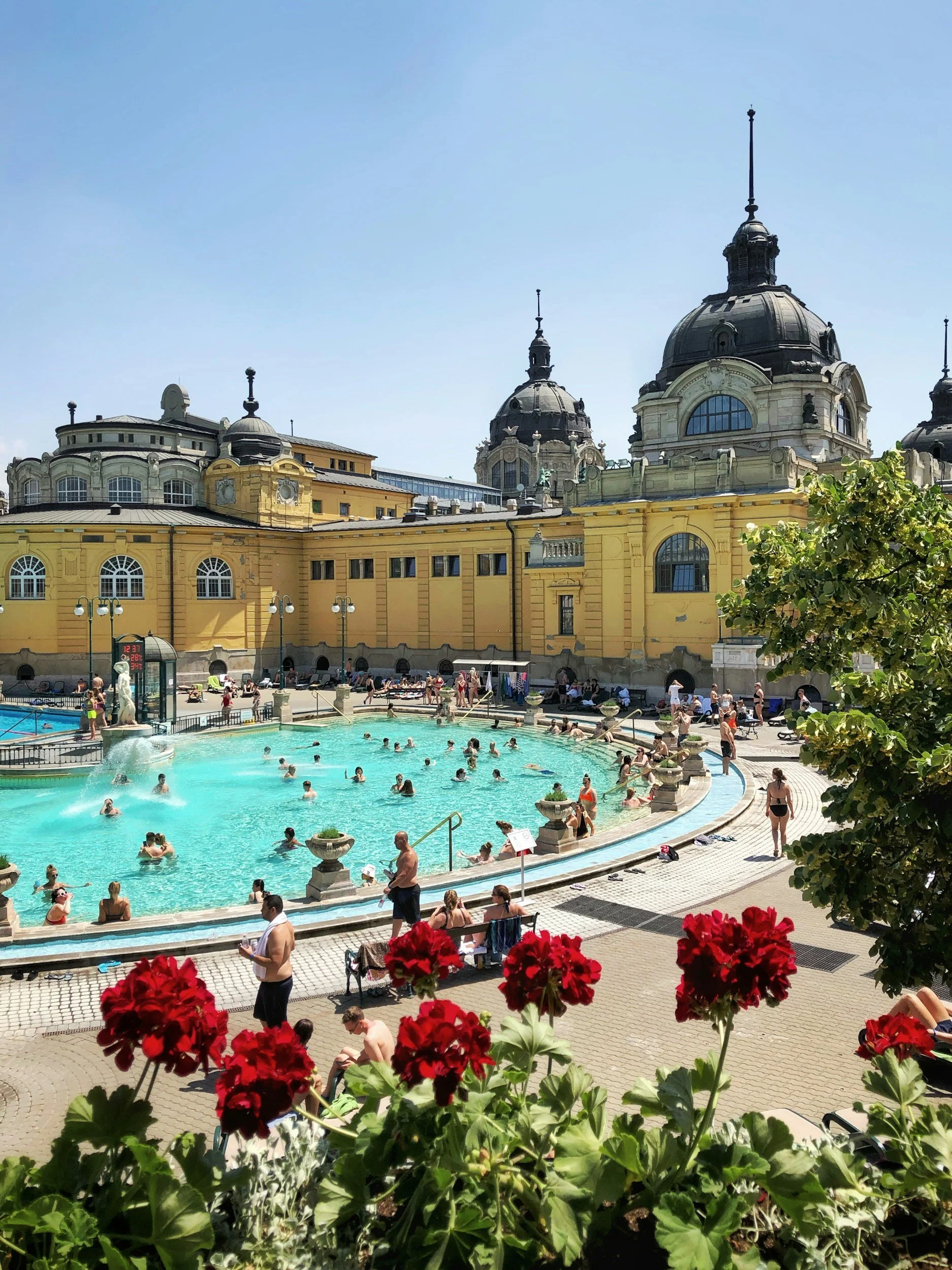
The Széchenyi baths in the City Park are the most famous and the most spectacular, a vast neo-baroque complex of outdoor and indoor pools where the thermal water steams in the open air and chess players sit at boards in the water regardless of the season. A private early morning visit before the public opening, when the outdoor pools are still and the steam rises in the morning light with nobody else in the water, is one of the most unexpectedly beautiful experiences Budapest offers and one that is available only to those who know to ask for it.
The Gellért baths, currently undergoing transformation into a Mandarin Oriental spa, are the most architecturally extraordinary of the bath houses, a monument of art nouveau excess that has been one of the defining images of Budapest for over a century. Their reopening will make them the finest thermal bath experience in the city.
A private cruise on the Danube
The Danube at Budapest is not the same river that flows through any other city. The combination of the hills of Buda, the grand facades of Pest, the chain of bridges connecting the two sides and the Parliament building illuminated on the water at night gives the river a theatrical quality that is unique to this stretch and this city.
A private evening cruise on the Danube, on a historical vessel with a guide rather than on a crowded tourist boat, moving up and down the river as the city lights come on and the stone facades turn gold in the evening illumination, is one of the most classically beautiful experiences any European capital offers. The perspective from the water gives Budapest a coherence that the street level cannot provide, the full extent of the city visible in both directions at once and the relationship between Buda and Pest, the ancient and the modern, the hill and the plain, the castle and the parliament, suddenly entirely legible.
Beyond Budapest: Tokaj and Lake Balaton
Hungary reveals itself fully only when you leave the capital and follow the two threads of wine and water that run through the country.
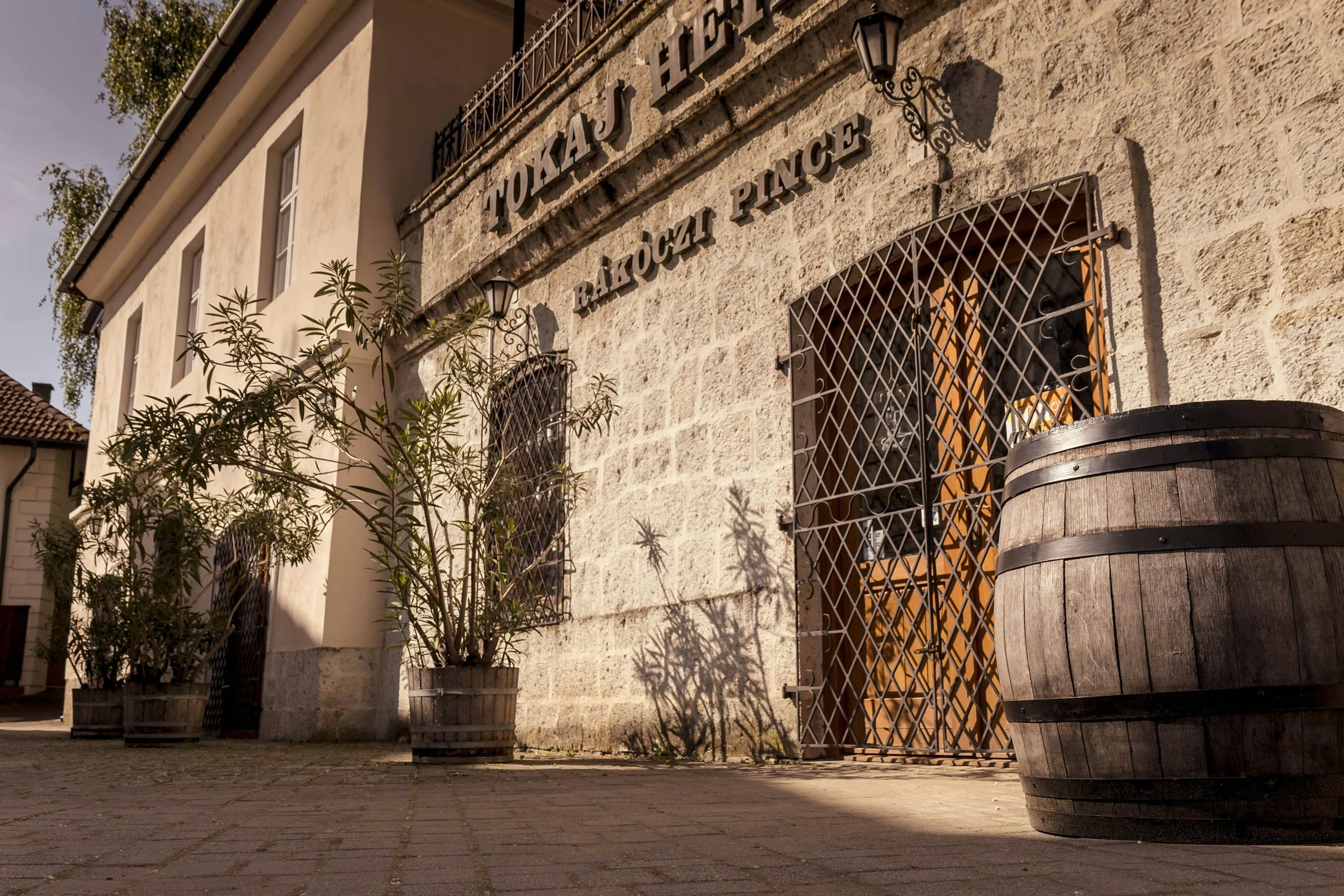
Tokaj, in the northeast of Hungary, is one of the great wine regions of the world and one of the least known internationally. A UNESCO World Heritage Site whose aszú sweet wines were described by Louis XIV of France as the wine of kings and the king of wines, Tokaj produces bottles of extraordinary complexity from late-harvest botrytised Furmint grapes grown on volcanic soils that give the wines a mineral character unlike anything from Western Europe. The historic cellars carved into the volcanic tuff beneath the wine estates, lined with the black Cladosporium mould that regulates the ageing process, are among the most atmospheric wine spaces in Europe. The finest Tokaj estate combines a Michelin-starred restaurant with cellars of exceptional quality and a landscape of vineyards and medieval villages that makes the journey from Budapest as rewarding as the destination.
A private helicopter transfer from Budapest to Tokaj, flying over the Hungarian plains and arriving above the vineyard landscape of the Zemplén hills, transforms the journey into an experience in its own right and gives the wine country a perspective that the road cannot offer.
Etyek, the wine region closest to Budapest, produces excellent sparkling wines and offers a completely different experience from Tokaj. A private cellar visit and cheese-making experience at one of the family producers here, combined with a tasting of the region's wines, is one of the finest half-day excursions available from the capital and one that most international visitors never make.
Lake Balaton, the largest lake in Central Europe and the heart of Hungarian summer life, sits two hours southwest of Budapest. The Hungarians call it the Hungarian Sea and the designation captures something true: the lake is large enough that you cannot see across it in all conditions and the culture of spending time on its shores, boating, swimming and eating freshly caught fish at lakeside restaurants, is as deeply embedded in Hungarian life as any tradition the country has. The northern shore, with its volcanic basalt hills, the Benedictine abbey town of Tihany on its own peninsula and the small boutique wine producers whose cellars sit above the water, is the more characterful side. The village of Tihany, with its extraordinary baroque abbey and its views across the lake in both directions, is one of the finest places to spend a morning anywhere in Hungary.
The fortress of Visegrád, on the Danube Bend north of Budapest, combines one of the finest river views in Central Europe with the ruins of a medieval royal palace that was once considered one of the great courts of Renaissance Europe. A private half-day combining Visegrád with a boat trip on the Danube Bend, the stretch of river where the Danube makes its dramatic turn south through the Hungarian hills, is one of the most beautiful excursions available from the capital.
Why Budapest now
Budapest is having a moment. The city has been investing in its cultural infrastructure, its restaurant scene has developed genuine ambition over the past decade and the combination of extraordinary architectural heritage, thermal bath culture, the Jewish quarter and the ruin bars has created a destination that offers genuine depth across multiple registers simultaneously. The private luxury travel space here is less crowded than in Vienna or Prague, the value for money is exceptional and the city's complexity rewards those who arrive with curiosity and the right guide beside them.
Budapest is not a city that reveals itself in a weekend. The traveller who gives it four or five days, who moves between Buda and Pest with genuine attention, who takes the time to understand the Jewish heritage and the ruin bars and the baths and the wine and the extraordinary quality of the light on the river at the end of the day, will leave with the feeling that they have understood something about Central Europe that they could not have understood any other way.

Ready to start planning your Hungary journey? Explore our Hungary destination page for more on regions, experiences and the best time to visit. When you are ready, get in touch and we will begin designing your journey around you.