
Gorilla Trekking in Rwanda: The Most Intimate Wildlife Encounter on Earth
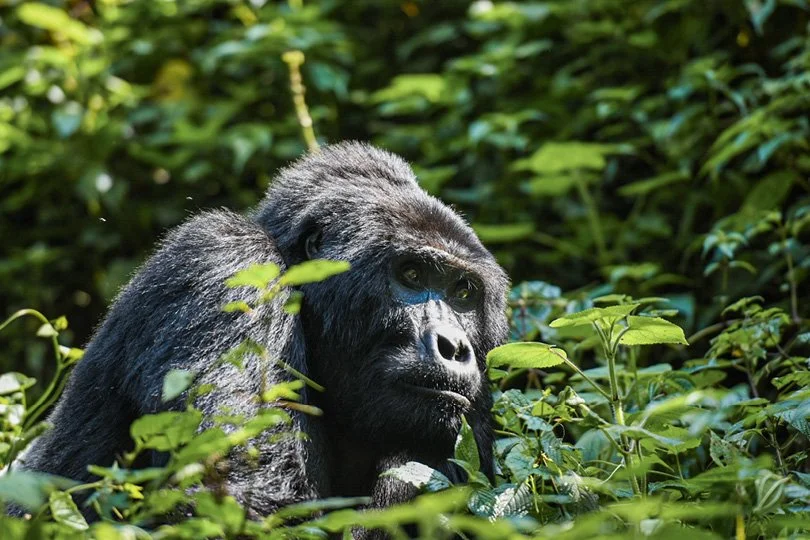
An endangered animal in its natural habitat. A forest that has been protecting both for centuries.
Every year, without fail, more than two million wildebeest, zebra and gazelle begin moving across the Serengeti in a vast, continuous circle that has been repeating for millennia. The Great Migration is not an event. It is a permanent state of motion, driven entirely by rain, governed by instinct, and utterly indifferent to the schedules of those who travel to witness it. Understanding this is the first step toward experiencing it properly.
Most travellers who come away disappointed from a Great Migration safari made the same mistake. They arrived with a fixed itinerary, booked the wrong camp for the wrong season, or stayed too few nights to account for the unpredictability of wild animals moving across an ecosystem the size of Ireland. Most travellers who come away transformed did the opposite. They placed themselves in the right part of the Serengeti at the right time, with guides who knew where to position them and the patience to let the landscape reveal itself on its own terms.
Understanding the trekking experience
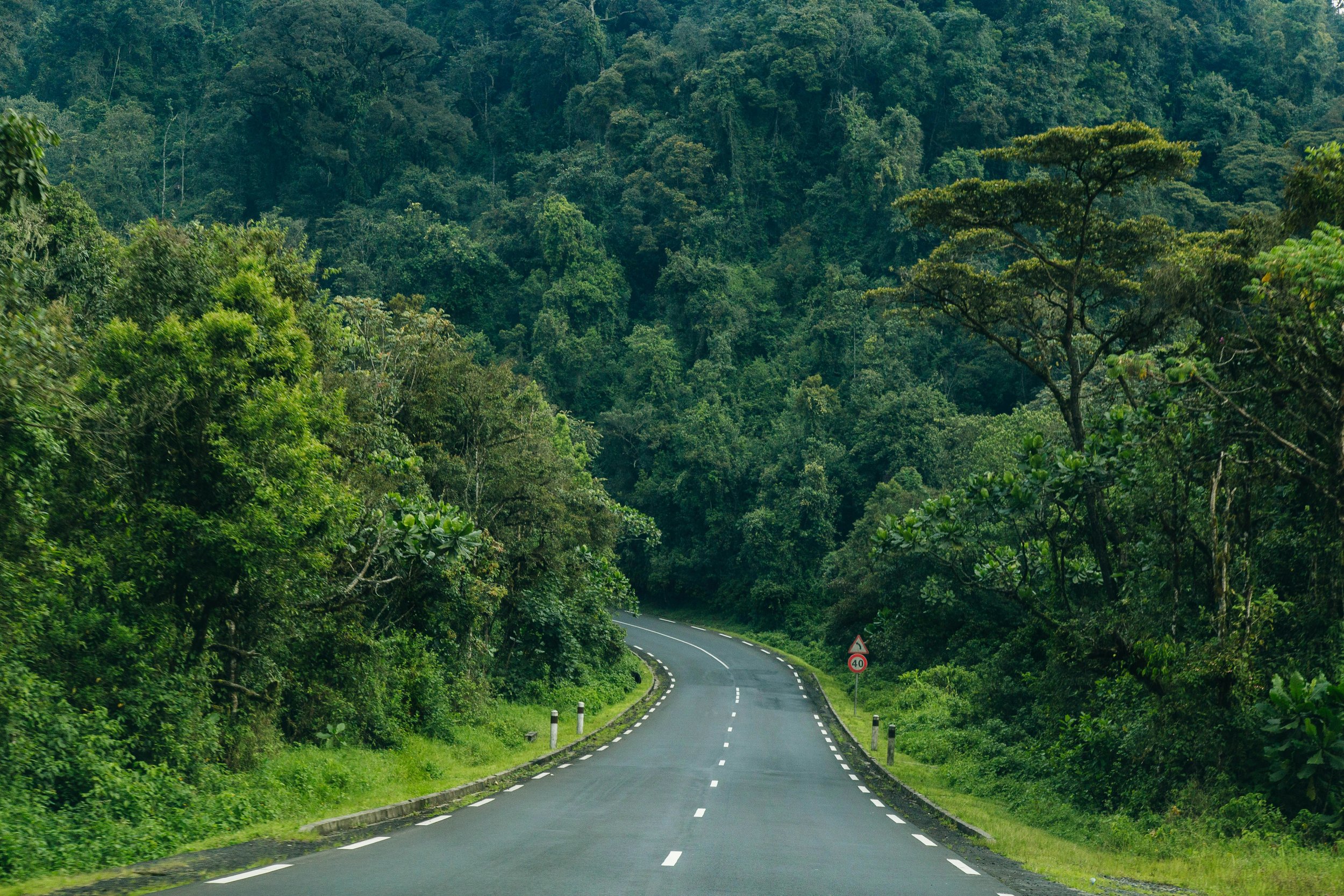
The trek begins at the headquarters of Volcanoes National Park, a drive of approximately two hours from Kigali through the extraordinary landscape of the Rwandan highlands, where the terraced hillsides drop away on both sides of the road and the volcanoes of the Virunga chain appear on the horizon as you approach the north of the country.
At the briefing, which takes place each morning before the trek, the guides introduce you to the specific gorilla family you will be tracking that day. Each family has a name, a history and a personality. The Susa family, one of the largest in the park, was studied by Dian Fossey herself in the early years of the conservation programme and carries her legacy in its extraordinary story. The Amahoro family, whose name means peace in Kinyarwanda, is known for its gentle character. The Umubano family, led by a silverback of extraordinary physical presence, occupies the higher slopes of the volcano and requires the most demanding trek to reach.
The trek itself varies significantly in duration and difficulty depending on where the family has moved overnight. The trackers, who go out before dawn each day to locate the family and radio its position back to the guides, make the experience as efficient as possible, but mountain gorillas move through their territory according to their own logic and the trek can range from forty-five minutes of relatively gentle forest walking to four or five hours of steep climbing through dense bamboo and stinging nettles at altitude. Coming prepared, with good walking boots, waterproofs and a reasonable level of fitness, is essential. Coming with the right guide, one who can read the forest and pace the group correctly, makes the physical dimension of the experience manageable for almost anyone.
The encounter
When the guide stops and signals that the family is close, the group is reduced to a maximum of eight visitors, the international standard designed to minimise the stress on the animals and the transmission of disease. You leave the main trail and move through the vegetation following the trackers, and then, usually without warning, the forest opens and the gorillas are there.
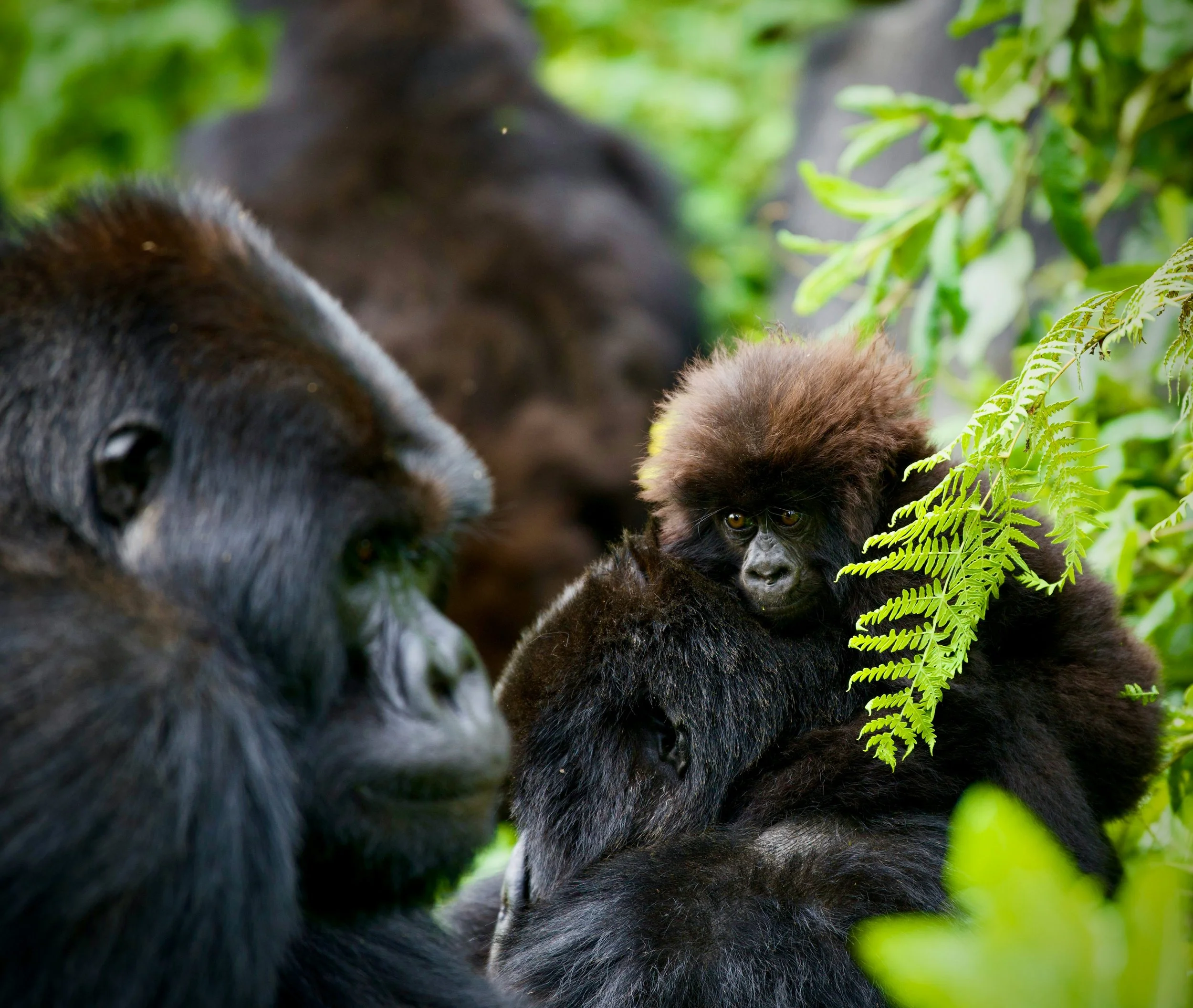
The hour you are permitted to spend with the family is one of the most extraordinary hours available in the natural world. The silverback, who can weigh up to two hundred and twenty kilograms and whose back is as broad as a dining table, typically sits at the centre of the family group with a quality of absolute authority and absolute calm that is entirely unlike the nervous energy of most large mammals observed in the wild. The females move around him with their infants, the juveniles play in the lower branches of the trees, the adolescents display and retreat in a social choreography that mirrors, in structure and in emotional logic, the behaviour of any large family group.
The guide will tell you not to make eye contact with the silverback, to crouch if he approaches and never to run regardless of what happens. The silverback will almost certainly approach, moving through the group with a deliberateness that makes the space between you feel suddenly very small. He is not aggressive. He is curious, or indifferent, or mildly irritated by the presence of these strange hairless creatures in his forest, and the guide reads his mood with the accuracy of someone who has been coming to this specific family for years and knows its individuals as well as he knows his own neighbours.
The infants are the ones who dissolve every reserve. They tumble through the undergrowth within reaching distance, they swing from vines and fall onto each other in play fights that produce sounds of genuine amusement and they occasionally approach the human visitors with a curiosity that their mothers watch with careful attention but do not prevent. The moment an infant gorilla sits two feet away from you and looks at you with an expression of complete and unselfconscious interest is the moment that most visitors describe when they are asked, years later, what Rwanda was.

Beyond the gorillas: the Rwanda that surrounds the experience
Rwanda is a country of extraordinary beauty and extraordinary recent history, and both dimensions reward the traveller who arrives with the intention of understanding more than the gorillas alone.
Kigali is one of the most liveable and most surprisingly sophisticated capitals in Africa, a city of rolling hills, clean streets, excellent restaurants and a creative energy that reflects the particular determination of a society that has rebuilt itself from almost complete destruction within a single generation. The Kigali Genocide Memorial, where over two hundred and fifty thousand victims of the 1994 genocide are buried and commemorated, is one of the most important and most sobering sites in Africa, and visiting it with genuine openness to what it represents gives the entire Rwanda journey a context and a depth that the gorilla trekking alone cannot provide. Rwanda is a country that has decided to process its history rather than bury it, and that decision is visible in everything from the memorial to the extraordinary quality of the national reconciliation programme that has shaped the country's political culture over the past thirty years.
The Nyungwe Forest in the southwest of the country, one of the oldest and most biodiverse montane rainforests in Africa, offers chimpanzee tracking and canopy walks through a forest of extraordinary beauty that is an entirely different wildlife experience from the gorillas of the north. A Rwanda journey that combines Volcanoes National Park with Nyungwe Forest and Kigali gives the country a completeness that the gorilla-only itinerary cannot achieve.
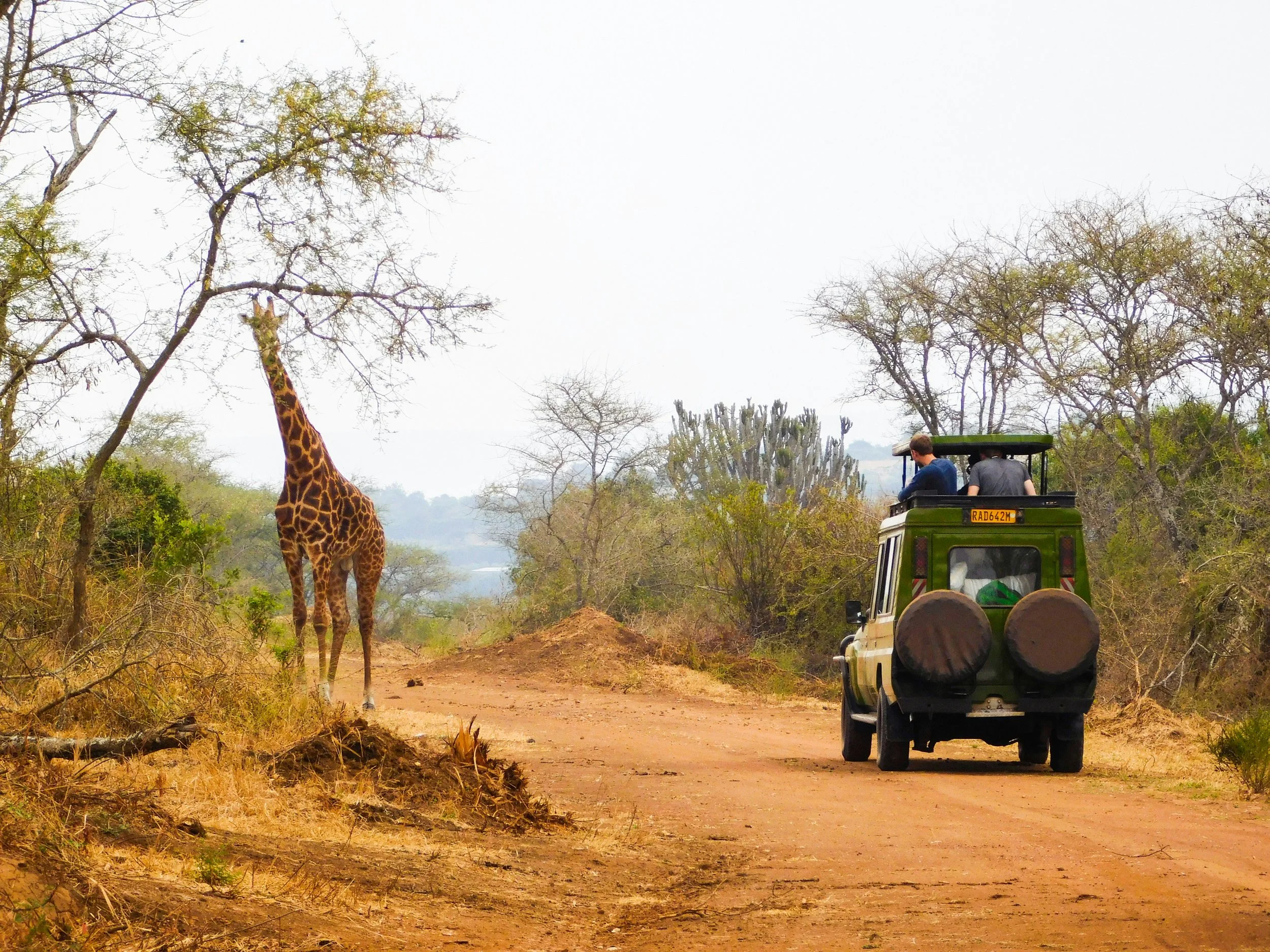
Akagera National Park on the eastern border with Tanzania, which was almost entirely destroyed during the genocide and has been rebuilt through one of the most remarkable conservation recovery programmes in Africa, now supports lions, leopards, elephants, hippos and the full range of savannah wildlife that makes East Africa famous. A night or two at Akagera after the gorillas, combining the forest primate experience of the north with the open savannah wildlife of the east, makes Rwanda one of the most varied single-country safari destinations on the continent.
Lake Kivu on the western border with the Democratic Republic of Congo is one of the most beautiful lakes in Africa, a vast expanse of fresh water surrounded by the volcanic hills of the Rwandan highlands where the light in the late afternoon turns everything amber and the fishing villages on the shore reflect a daily life of extraordinary simplicity and beauty. A private boat on Lake Kivu, moving between the islands and the fishing communities with a guide who knows the lake, is one of the most quietly memorable experiences Rwanda offers and one that almost no international visitor includes on their itinerary.
The conservation story: why coming here matters
The mountain gorilla recovery is one of the great conservation success stories of the twentieth century and it is important to understand why, because understanding it changes the nature of the trekking experience from a wildlife encounter into something with genuine moral weight.
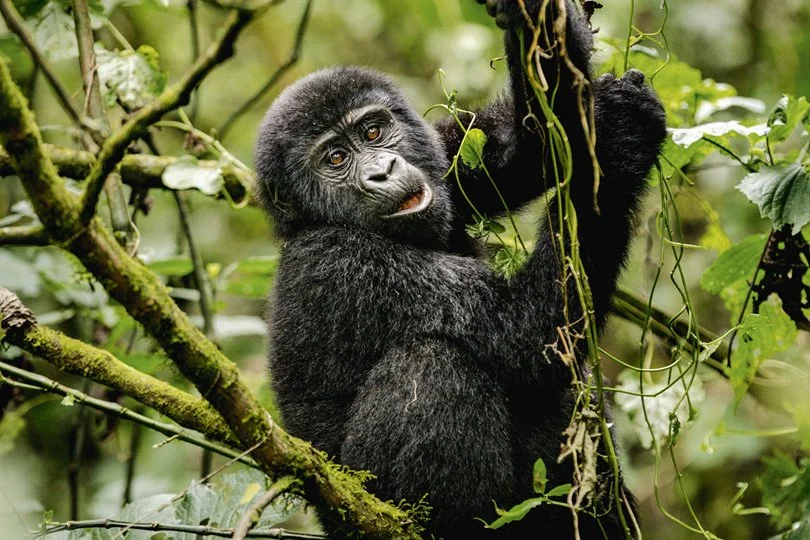
In 1981, the mountain gorilla population had fallen to approximately two hundred and fifty individuals and the species was considered functionally extinct in the wild within a generation. The combination of habitat destruction, poaching and the instability of the Virunga region during the wars and conflicts of the 1980s and 1990s had pushed the animals to the edge of survival. The conservation programme, which was pioneered by Dian Fossey and continued after her murder in 1985 by the organisations she had helped establish, began the process of habituating specific gorilla families to human presence, training local communities as guides and trackers, and directing tourism revenue into both conservation and community development in ways that gave the surrounding population a direct economic stake in the survival of the animals.
The result is that every permit purchased for gorilla trekking in Rwanda contributes directly to the salaries of the rangers who protect the park, the trackers who locate the families each morning, the veterinary programme that monitors the health of each individual animal and the community development projects that have made the Virunga a place where local people understand the gorillas as an asset rather than a competitor for land and resources. Coming here, and paying the premium that the permits represent, is one of the most direct and most transparent connections between tourism spending and conservation outcome available anywhere in the world.
How to plan a gorilla trekking journey
Gorilla trekking permits for Rwanda are issued by the Rwanda Development Board and cost five hundred US dollars per person per trek, one of the most significant single expenditures in luxury travel and one of the most completely justified. The permits sell out months in advance for the peak seasons of July to September and December to February, and booking a Rwanda journey requires planning well ahead of the travel dates.
The physical preparation that makes the most difference is cardiovascular fitness rather than strength. The altitude of the Virunga, where the trek takes place at between two thousand five hundred and three thousand five hundred metres above sea level, affects the effort required more than the gradient of the terrain, and arriving in reasonable aerobic condition makes the experience significantly more pleasurable. Acclimatising with a night or two in Kigali before heading north is advisable for those arriving from sea level.
The choice of gorilla family matters and is worth discussing with your guide before the trek. Some families occupy lower slopes and involve shorter, less demanding treks. Others, including the Susa group which Fossey studied and which is now one of the largest families in the park, require longer and more demanding approaches but offer an encounter with animals whose individual history and character are among the most documented of any gorilla family in the world. A guide who knows the park and the families well can advise on the right choice based on your fitness level and your interests.
Rwanda is reachable by direct flight from several European hubs and by connection through Nairobi, Addis Ababa or Dubai from most major cities. The drive from Kigali to Volcanoes National Park headquarters takes approximately two to two and a half hours through some of the most beautiful highland scenery in Africa. The combination of the capital, the gorillas, the forest and the lake makes Rwanda a genuinely complete destination rather than a single experience and one that rewards those who give it more than the minimum number of days.
Ready to start planning your RWANDA journey?
Explore our Rwanda destination page for more on regions, experiences and the best time to visit. When you are ready, get in touch and we will begin designing your journey around you.