
Machu Picchu Without the Crowds: How a Private Tour Changes Everything
One of the world's great sites. Also one of its most visited. Here is how to experience it on your own terms.
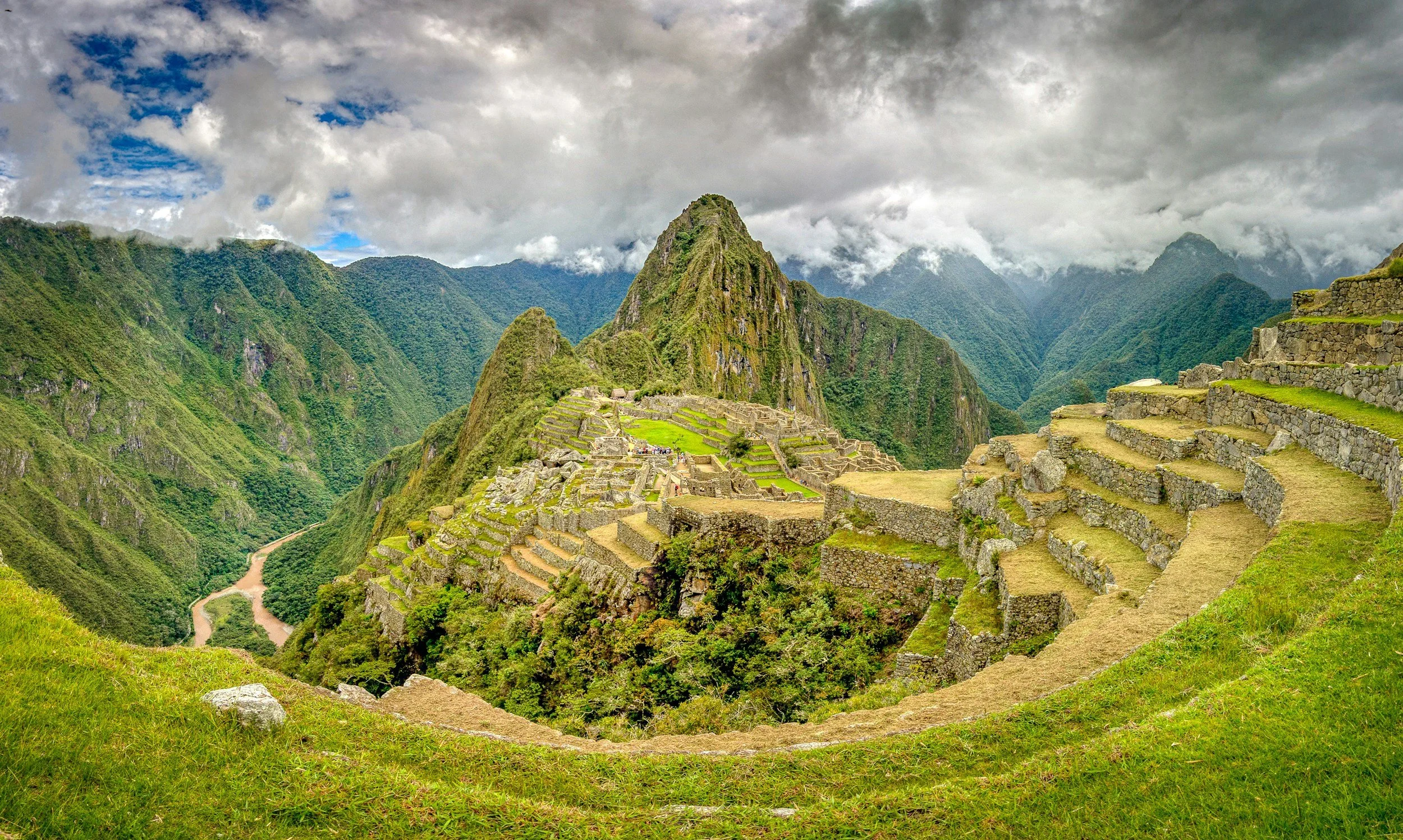
Machu Picchu receives over a million visitors a year. On a busy morning in high season, the terraces fill quickly, the main viewpoints become crowded within an hour of opening, and the sense of standing alone before one of the world's great archaeological wonders can feel frustratingly out of reach. And yet the experience of Machu Picchu in the right conditions, with the right guide and the right approach, remains genuinely transformative. The key is knowing how to get there.
Why crowds are the real challenge at Machu Picchu
The Peruvian government introduced timed entry slots and daily visitor limits in recent years, which has helped. But Machu Picchu still receives thousands of visitors per day, and the majority arrive on the same morning buses from Aguas Calientes, clustering around the same viewpoints at the same time. Independent travel to Machu Picchu is perfectly possible, but the logistics of permits, train bookings, altitude acclimatisation and timed entries are genuinely complex, and getting them wrong means missing the window that makes the difference between an ordinary visit and an extraordinary one.
A private guide does not simply navigate this for you. They anticipate it, building your itinerary around the moments when the site breathes differently, when the clouds lift off the peaks, when the light falls across the stonework in a way that no photograph has ever quite captured.
The classic approach: arriving by luxury train
The most popular way to reach Machu Picchu from Cusco is by train to Aguas Calientes, the town at the base of the site. The journey itself is one of the great train rides in South America, descending from the Andean highlands through cloud forest and along the Urubamba River. On a private journey we arrange the Hiram Bingham, the Orient Express train that runs between Poroy and Aguas Calientes with brunch, afternoon tea and a level of comfort that sets the tone for what follows.
From Aguas Calientes the first bus of the morning departs before dawn. Arriving at the gates at opening, with a private expert guide who knows exactly where to position you, is how you experience Machu Picchu before the crowds arrive. By mid-morning the atmosphere has changed entirely.
Km 104 and the Sun Gate: the most extraordinary arrival
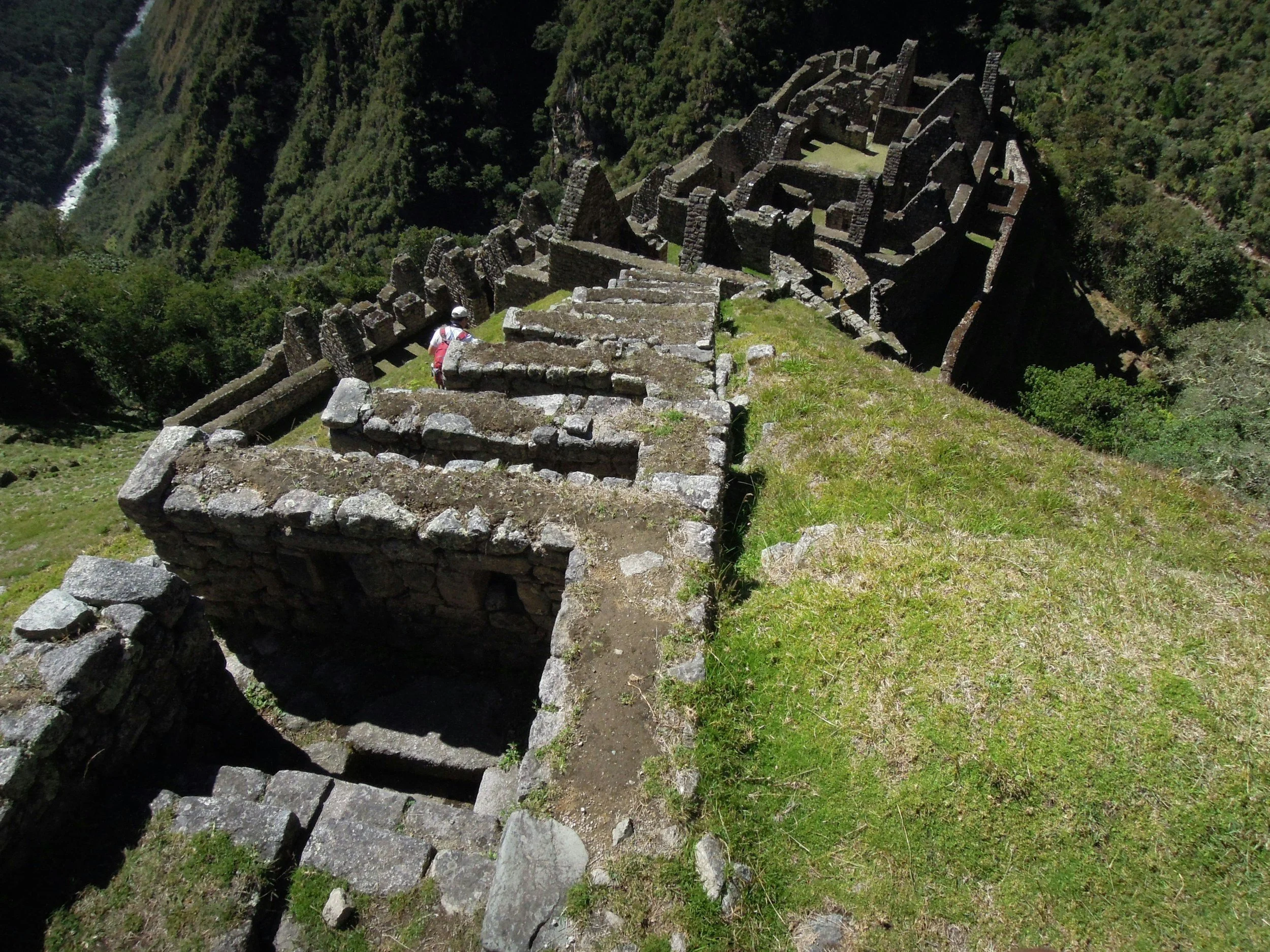
For those who want to arrive at Machu Picchu through the same gateway the Incas used, the Km 104 trail is the answer. Named after the kilometre marker on the train line where the trail begins, this is a shorter alternative to the full Inca Trail that reaches the site through the Sun Gate, the Inti Punku, arriving at Machu Picchu from above with the entire site laid out below you.
The hike takes approximately five to six hours and involves a genuine climb through cloud forest and Inca terracing. It is moderate in difficulty and entirely manageable for most travellers with a reasonable level of fitness. No multi-day camping is required. You take the morning train from Cusco, begin the trail at Km 104, and arrive through the Sun Gate in the early afternoon when the main tour groups have already descended.
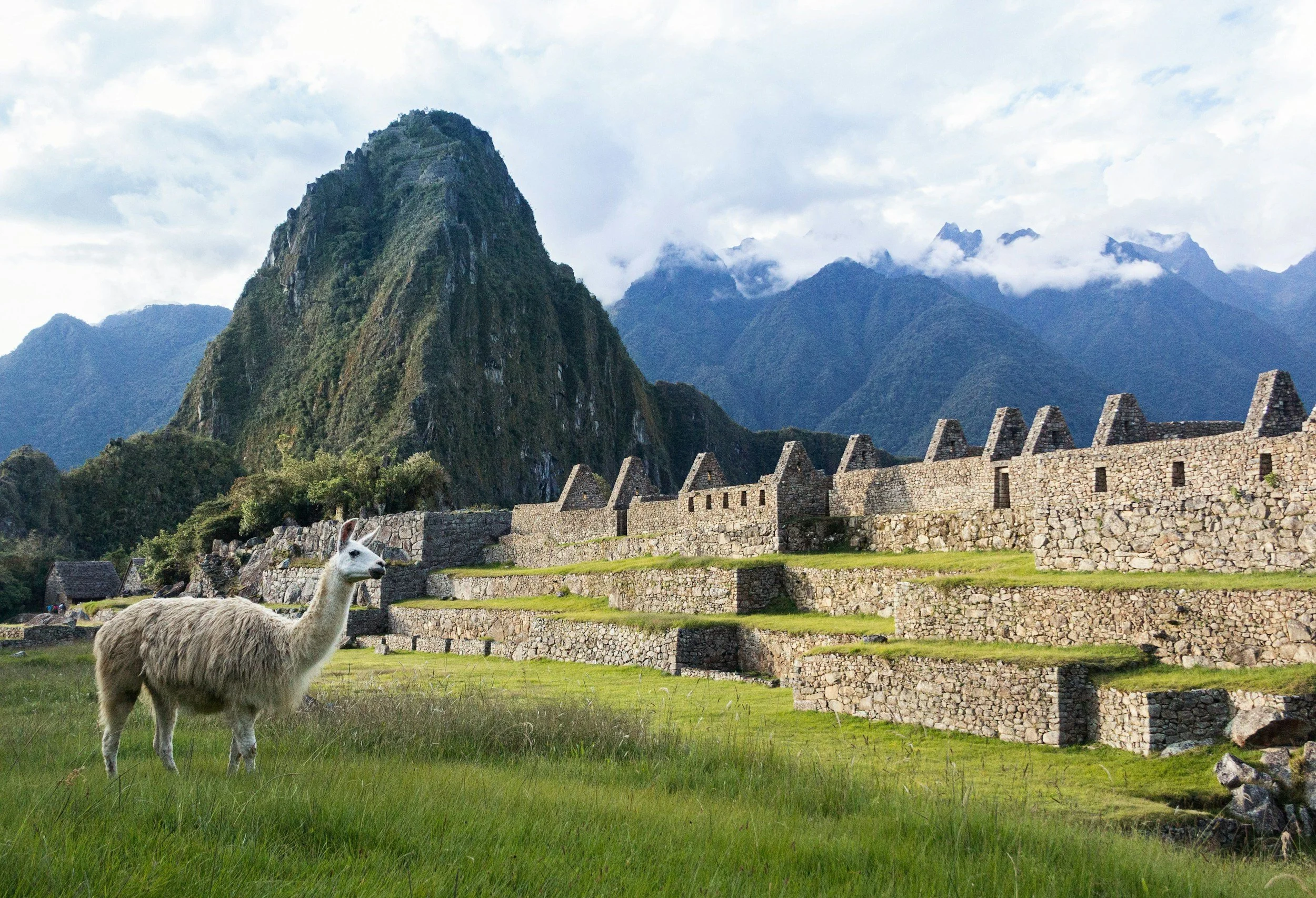
The moment you step through the Sun Gate and see Machu Picchu for the first time from above, with the Huayna Picchu peak rising behind it and the Urubamba River visible far below, is one of the most affecting travel experiences in South America. It is simply a different arrival to stepping off a bus.
Huayna Picchu and Machu Picchu Mountain: the views above the site
Two hikes within the site itself offer perspectives that most visitors never experience, and both require advance permits that are strictly limited and book out months ahead.
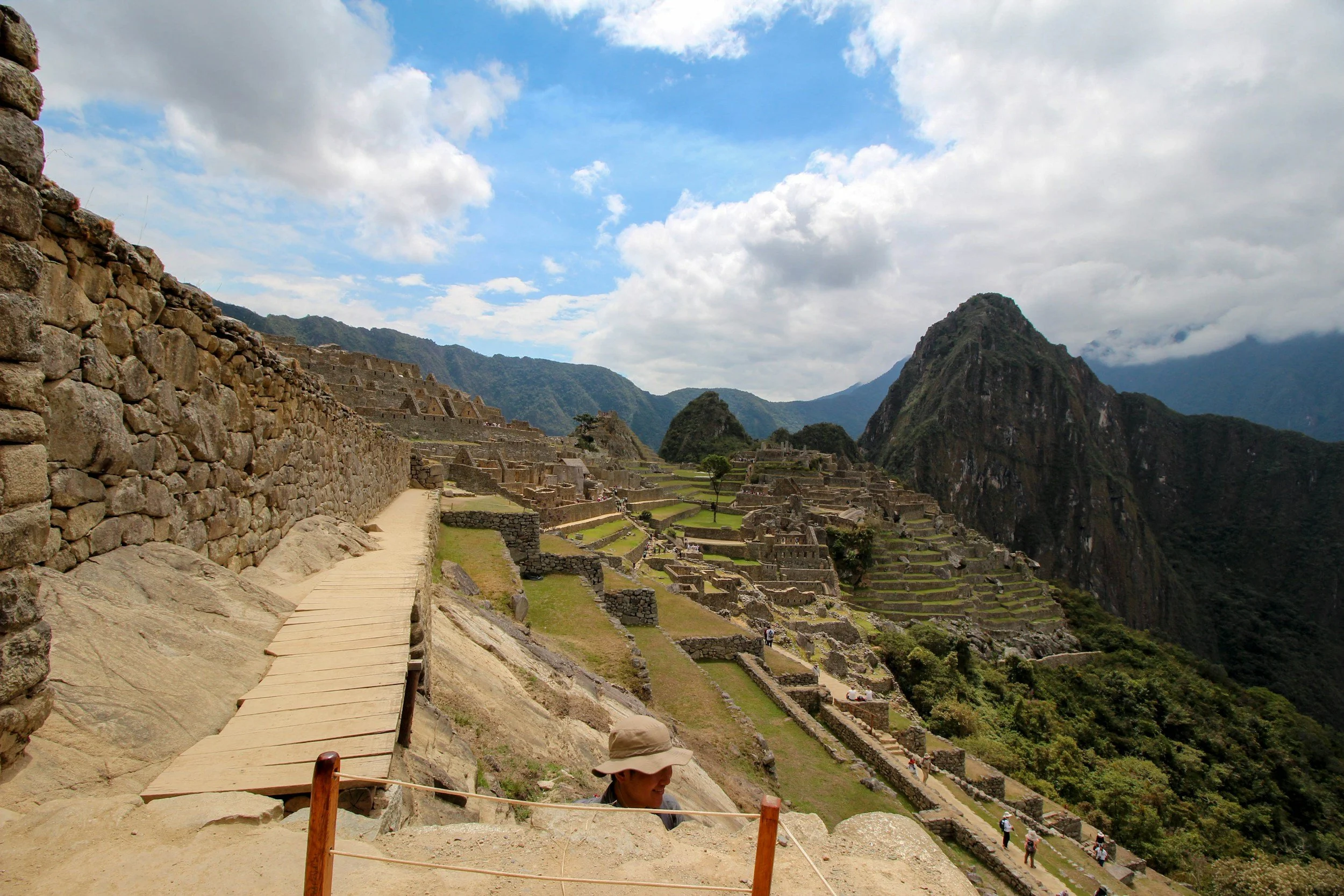
Huayna Picchu is the dramatic peak that rises directly behind Machu Picchu in every iconic photograph of the site. The climb is steep and involves sections where you are holding fixed cables on near-vertical stone steps, but it takes only around an hour to reach the summit. The view from the top, looking down over the entire citadel with the Andes stretching in every direction, is extraordinary and completely unlike any perspective available from within the site itself. Only 400 permits are issued per day split across two morning entry windows, making this one of the most sought-after experiences in Peru.
Machu Picchu Mountain is the less-visited alternative, rising on the opposite side of the site and offering an equally dramatic but very different panorama. The climb takes around two hours and is less technically demanding than Huayna Picchu. Because it is less well known it is also less competitive for permits, and on a clear day the view encompasses not just Machu Picchu but the entire Sacred Valley stretching toward Cusco.
What a private guide actually changes
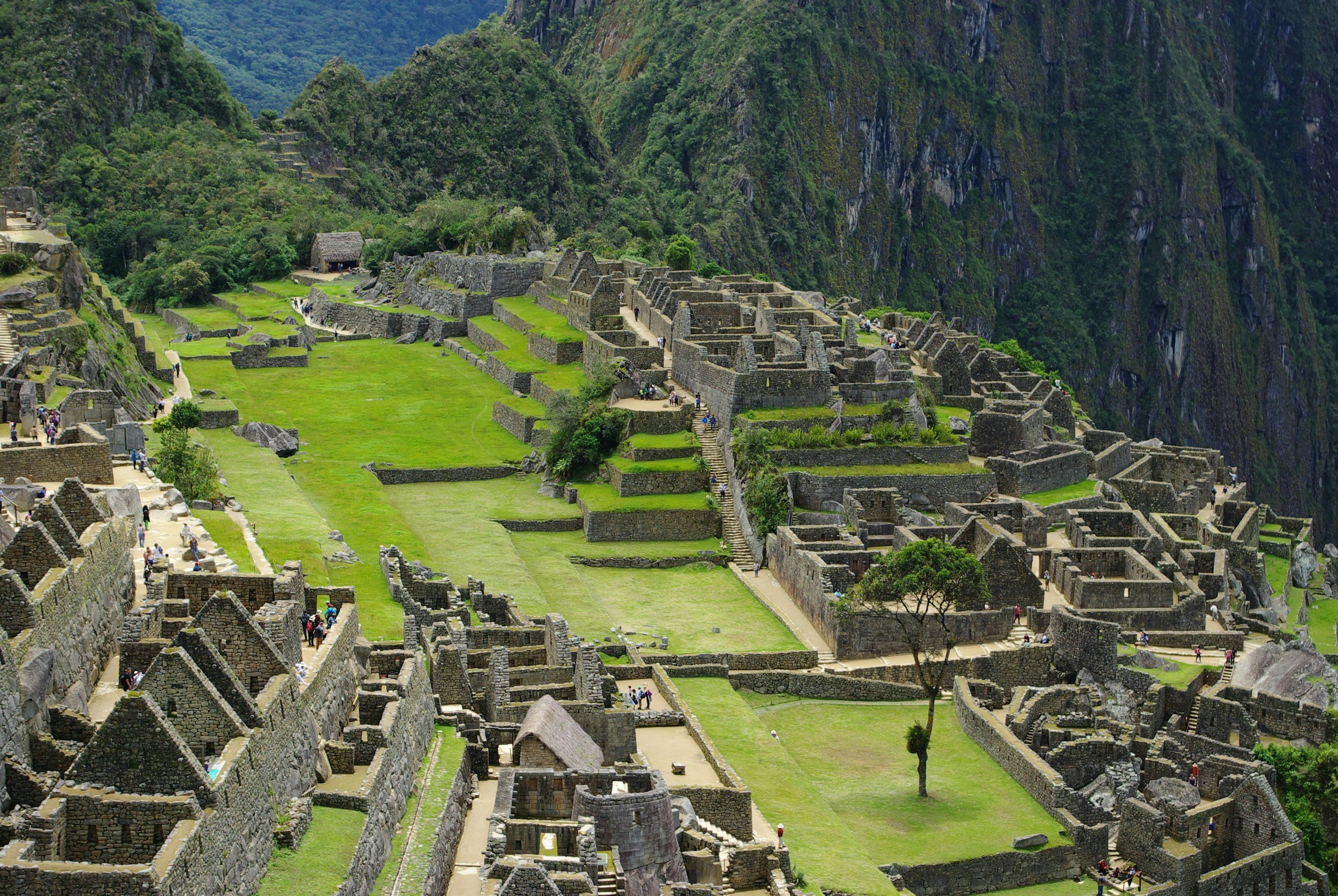
The difference a private expert guide makes at Machu Picchu is not simply about having someone to answer questions. It is about understanding what you are looking at. The agricultural terraces, the Temple of the Sun, the Intihuatana stone, the Royal Tomb, the precision of the stonework fitted without mortar to survive earthquakes for five centuries: these reveal their meaning through context, not observation. A guide who has spent years studying Inca history and architecture transforms Machu Picchu from an impressive ruin into a deeply understood place. The two experiences are genuinely not comparable.
A private guide also allows you to move at your own pace, linger where the site speaks to you, and avoid the choreography of group tours. You decide how much time to spend in each section. You choose whether to sit quietly on a terrace for twenty minutes watching the clouds move through the peaks, or to ask every question that occurs to you without feeling you are holding anyone up.
Planning your visit: what to know before you go
Machu Picchu entry is timed and permits must be booked well in advance, particularly for high season between June and August. The Inca Trail requires permits that sell out months ahead. Km 104 and the mountain hikes also have limited permits. Altitude acclimatisation is essential: arriving in Cusco at 3,400 metres and heading straight to Machu Picchu the following day is a common mistake that significantly diminishes the experience. We always build at least two nights in Cusco or the Sacred Valley into any Peru itinerary before visiting the site.
The complexity of coordinating all of this, getting the permits, the timing, the altitude management and the guide selection right, is precisely what a private travel designer handles. Done well, it is invisible. Done poorly, it is the difference between the Machu Picchu you imagined and the one you actually experienced.
Ready to plan your private visit to Machu Picchu?
Explore our Peru destination page or browse our Cusco, Sacred Valley & Machu Picchu private itinerary for more inspiration. When you are ready, get in touch and we will design the journey around you.