
What to Expect on a Private Tour of Morocco: The Honest Guide
Morocco is not a destination you visit once. It is one you return to.
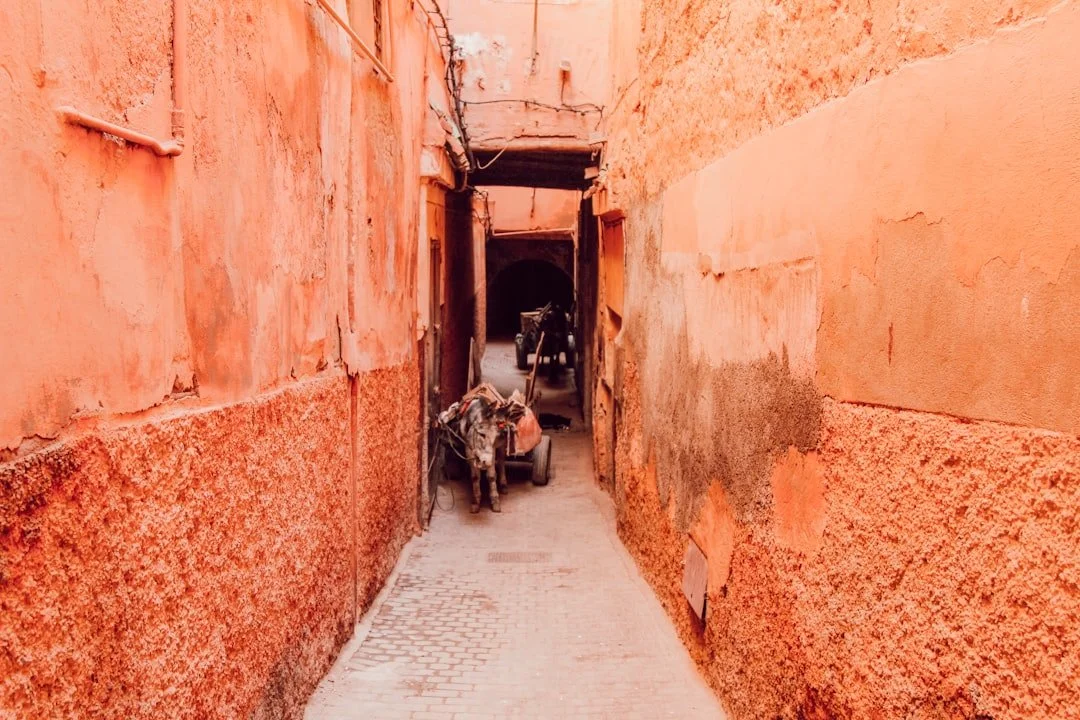
Morocco rewards the traveller who moves slowly, looks closely and experiences it with genuine local insight. It is also a destination where the difference between a good trip and an extraordinary one comes down almost entirely to who is guiding you and how well your journey has been designed. This is our honest guide to what a private tour of Morocco actually looks like, what it includes, what it does not, and why the way you experience it matters more here than almost anywhere else we work.
Why Morocco rewards private travel more than most destinations
The medinas of Fès and Marrakech were designed over centuries to disorient. Their labyrinthine alleys, dead ends and seemingly identical archways are not a navigational challenge to be overcome with a map. They are a deliberate architecture, built to protect, to surprise and to reveal themselves slowly to those who earn their trust. A first-time visitor navigating independently will see the surface. A private expert guide takes you behind it.
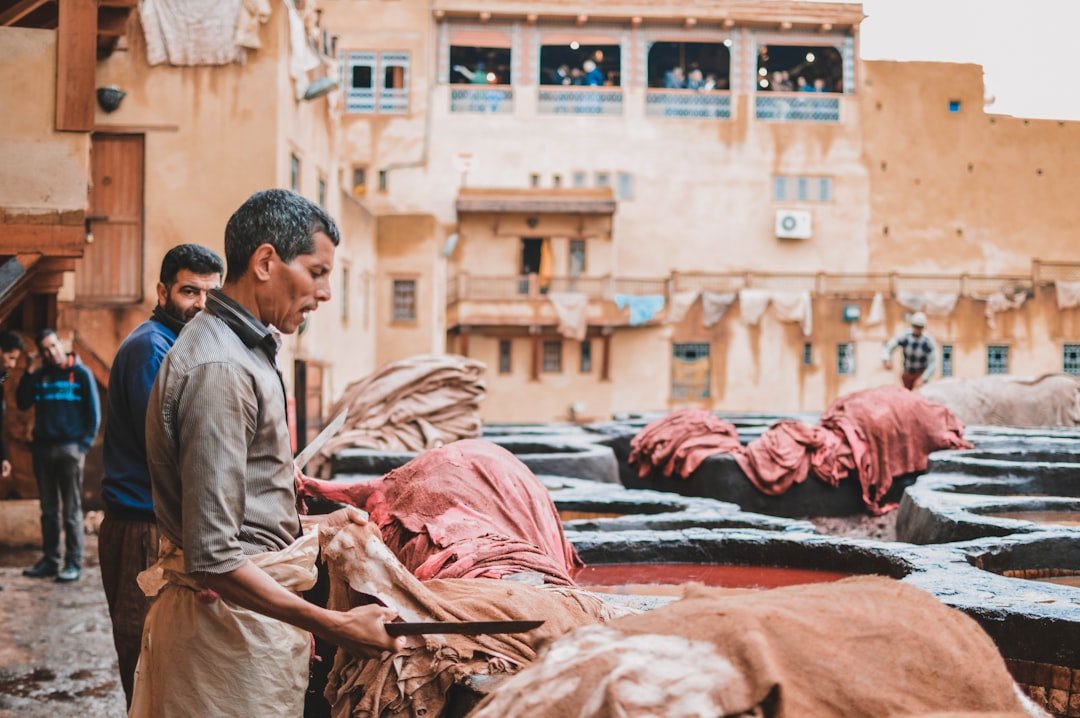
This is not a metaphor. It is literally true. The working tanneries, the private riad courtyards, the family-run spice merchants whose stock has not changed in three generations, the craftsmen's workshops tucked behind unmarked wooden doors: these places exist, and they are accessible, but only to those who know where they are and have the relationships to open them. This is precisely what a well-designed private Morocco tour provides.
Our guides: the difference that comes from going every year
At Jakuna we visit Morocco every year. Not as an operational formality, but because we believe that genuine knowledge of a destination requires being present in it regularly, experiencing it through different seasons, discovering what has changed and what has not, and maintaining the personal relationships that make exceptional travel possible.
Our guides in Morocco are not sourced through an agency or assigned by a hotel concierge. They are people we have worked with directly over years, whose knowledge of their cities goes far beyond the standard cultural script, and whose personal connections open doors that would otherwise remain closed. The family in Fès who invites you for tea and shows you their zellige workshop is not a staged encounter. It is a relationship. The cook in Marrakech who teaches your cooking class in her own kitchen, the musician who performs at your private dinner, the Berber guide who grew up in the High Atlas and knows every trail by name: these people are the real substance of a Morocco journey, and they are not interchangeable.
When you travel with Jakuna in Morocco, you are travelling with the benefit of years of those relationships.
What a typical private Morocco journey looks like
No two journeys are the same, but most private Morocco itineraries share a rhythm that we have refined over years of designing them.
You arrive in Marrakech, the natural gateway to the country, and spend several days moving between the ancient and the contemporary. A sidecar ride through the Palmeraie and the old town walls in the early morning. A private medina walk at the hour when the souks are coming to life. A hammam in one of the city's finest spas. An evening in a riad courtyard with a private chef and live Andalusian music. The YSL Museum and Jardin Majorelle. A cooking class in a kitchen that has been producing tagines and bastilla for decades.
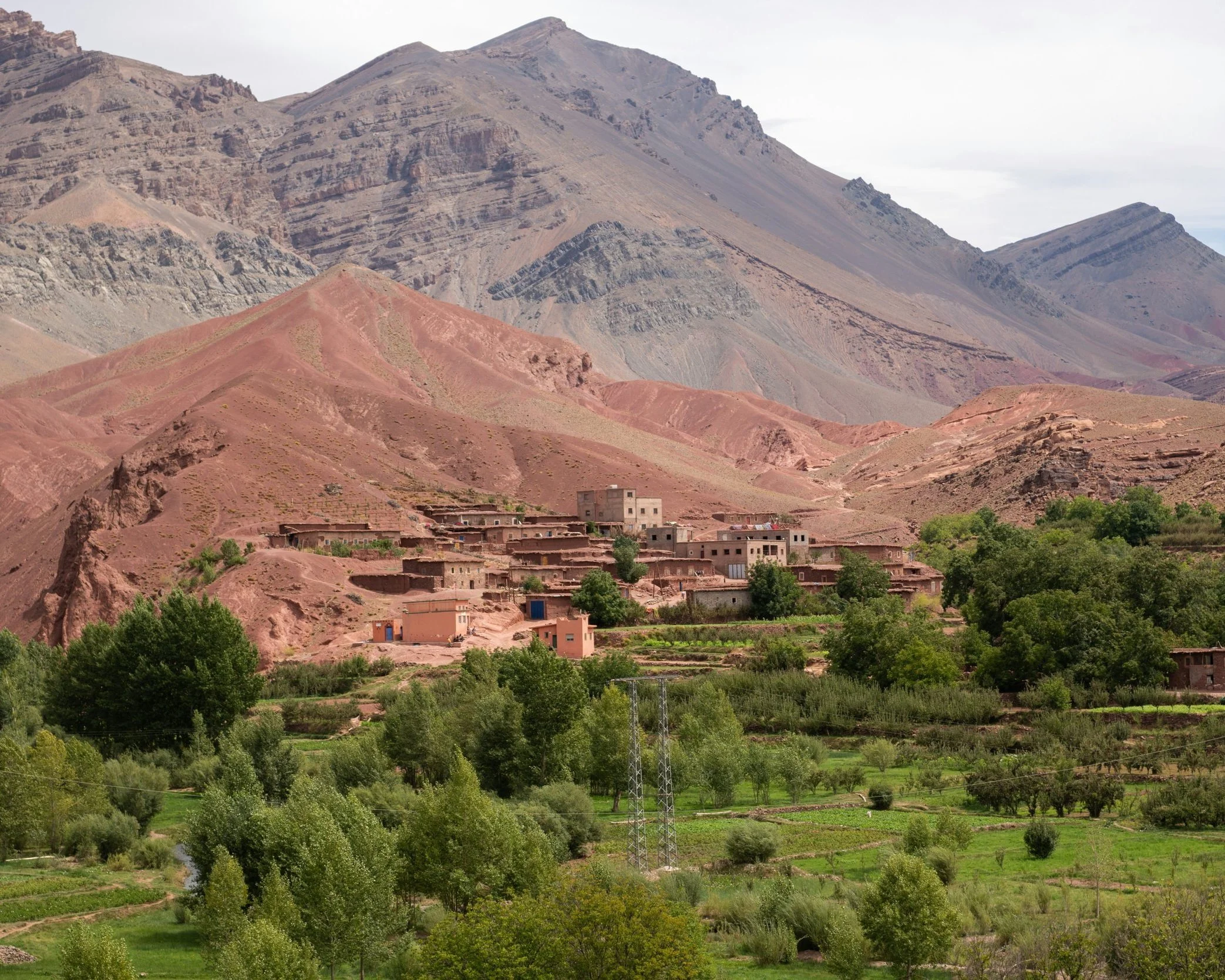
From Marrakech, most journeys move into the Atlas Mountains, where Berber communities have lived in the high valleys since long before the Arab arrival in the 8th century. A private guide leads you through the Toubkal National Park to villages where the pace of life has changed little in centuries. Lunch on the highest roof terrace in North Africa. The silence of the mountains after the intensity of the city.
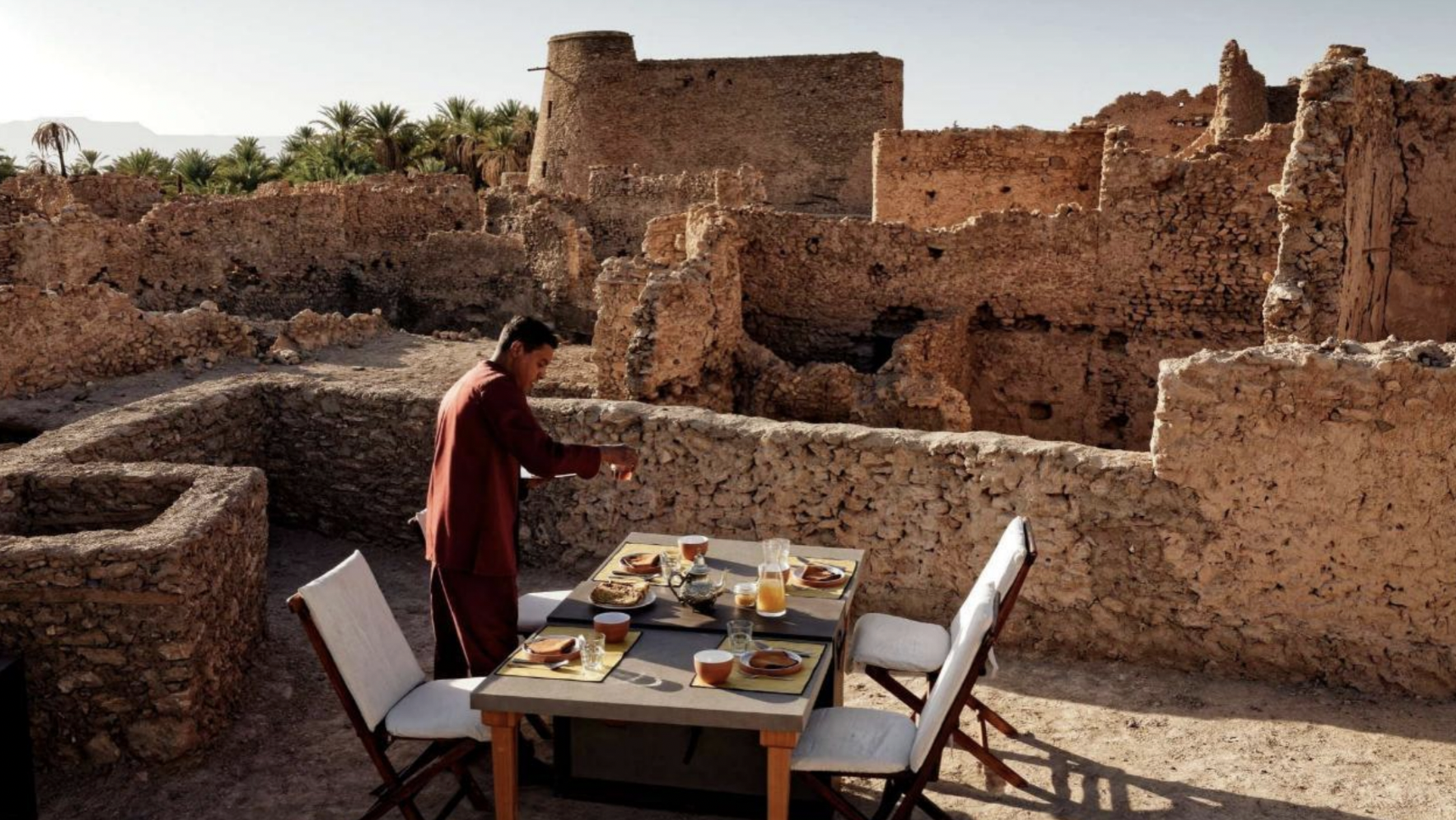
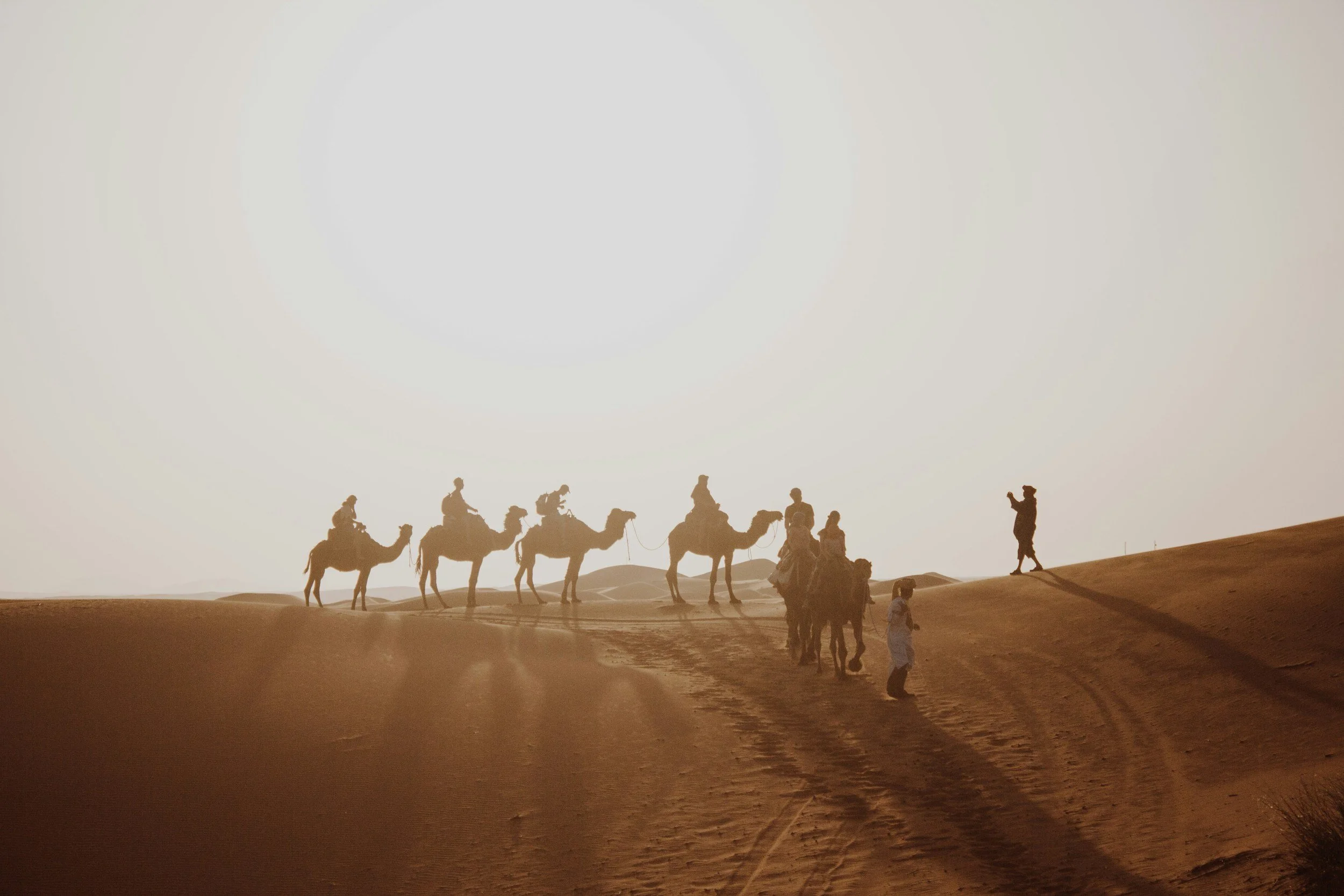
Then south, through the Draa Valley and the rose-red kasbahs of Ouarzazate, to the Skoura palm groves and eventually to the Sahara itself. The approach to the desert dunes at sunset, by camel or by private helicopter, is one of the great travel arrivals. A private camp beyond the first ridge, a personal chef, a night sky so dense with stars it takes a moment to adjust to. There is genuinely nothing quite like it.
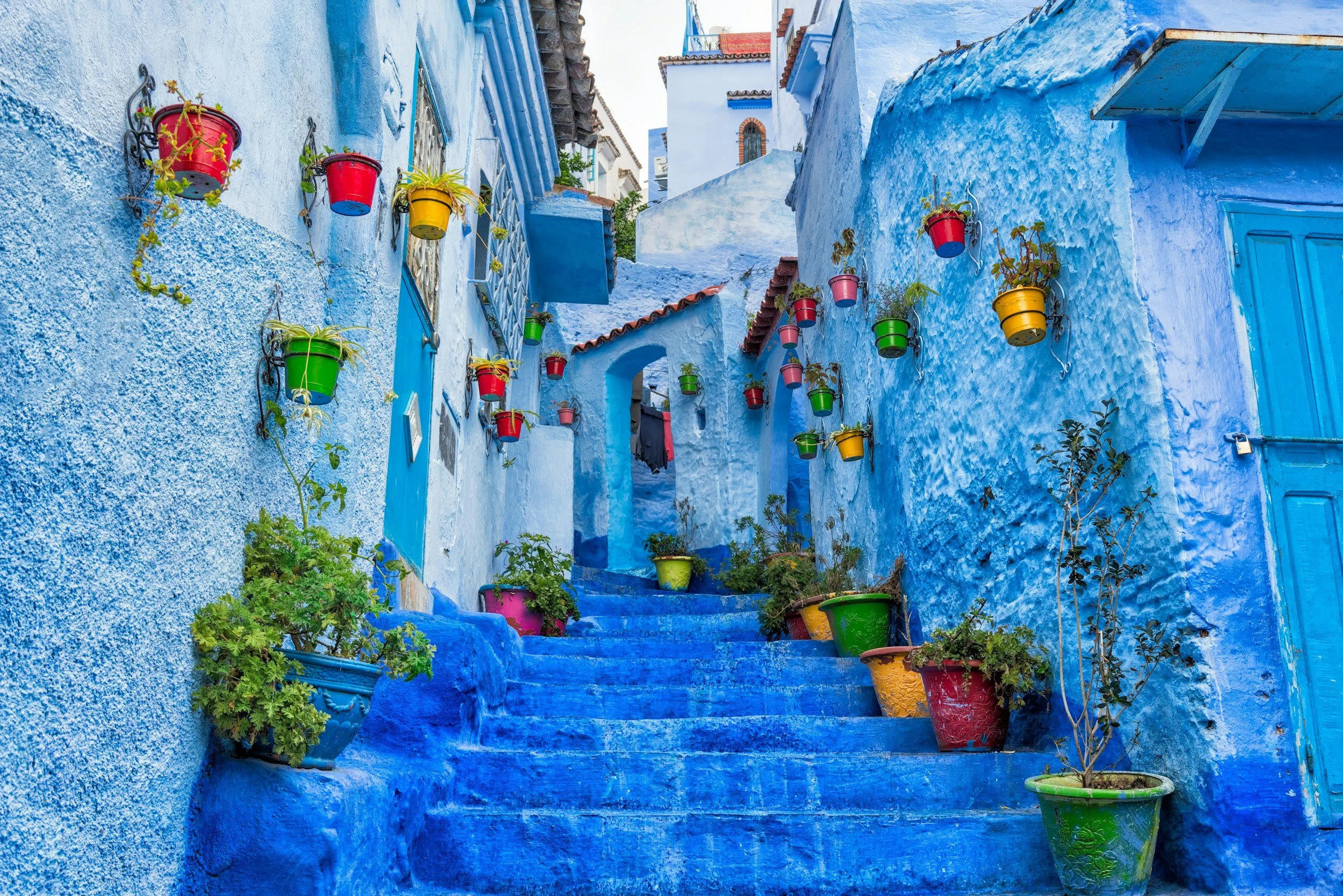
For those drawn to the imperial north, Fès, Meknès, Chefchaouen, Tangier and the Atlantic coast offer a completely different Morocco, more ancient, more labyrinthine, more culturally layered. A specialist guide in each city transforms what might otherwise be an overwhelming experience into one of the most rewarding journeys in the world.
What makes Morocco different to other luxury destinations
Morocco is one of the few destinations left where genuine authenticity has not been packaged away. The medinas, the desert, the mountains and the coastline all retain a character and intensity that make for transformative travel, but that intensity also means the experience is highly sensitive to how it is designed and who delivers it.
A mediocre Morocco trip is perfectly possible. So is an extraordinary one. The variables are the same in both cases: the properties, the pacing, the guides and the quality of the local relationships behind the scenes. This is what we spend our time in Morocco every year maintaining and improving.
The practical side: what to know before you go
Morocco requires no visa for US, UK, EU, Canadian or Australian passport holders for stays of up to 90 days. It is a genuinely safe destination for international travellers, and the areas covered on a private itinerary, including Marrakech, Fès, the Atlas, the Sahara and the Atlantic coast, are all well-established and welcoming.
The best seasons to visit are spring and autumn. March to May brings clear skies, accessible mountains and comfortable desert temperatures. September to November offers the same conditions with the added possibility of combining Morocco with southern Spain as the light turns golden across both sides of the Strait of Gibraltar. Summer is best suited to the Atlantic coast, and winter, often overlooked, is one of our favourite times to visit the imperial cities.
Morocco pairs naturally with Spain and Portugal for a broader Mediterranean and North African journey, and with Egypt for those who want to explore the depth of North African history across two of its greatest civilisations.
Is a private tour worth it in Morocco?
We are not objective on this question, so we will answer it honestly rather than persuasively. If you are comfortable navigating independently, speak French or Arabic, have the time to research permits and properties thoroughly, and are happy to accept that some doors will remain closed to you, independent travel in Morocco is entirely possible and can be deeply rewarding.
If you want to move through Morocco at a pace that suits you, with guides who have spent their lives in these cities, with properties chosen for genuine quality rather than online ratings, with the logistical complexity handled invisibly and with access to experiences that simply are not available to the independent traveller, then yes, a private tour is worth it. In Morocco more than almost anywhere we work, the quality of what surrounds you is determined almost entirely by the quality of the relationships behind the scenes.
That is what we have spent years building.
Ready to start planning your Morocco journey?
Explore our Morocco destination page for regions, experiences and sample itineraries. When you are ready to talk, get in touch and we will begin designing your journey.